Flattop Mountain
What to Expect
Safety Advisory
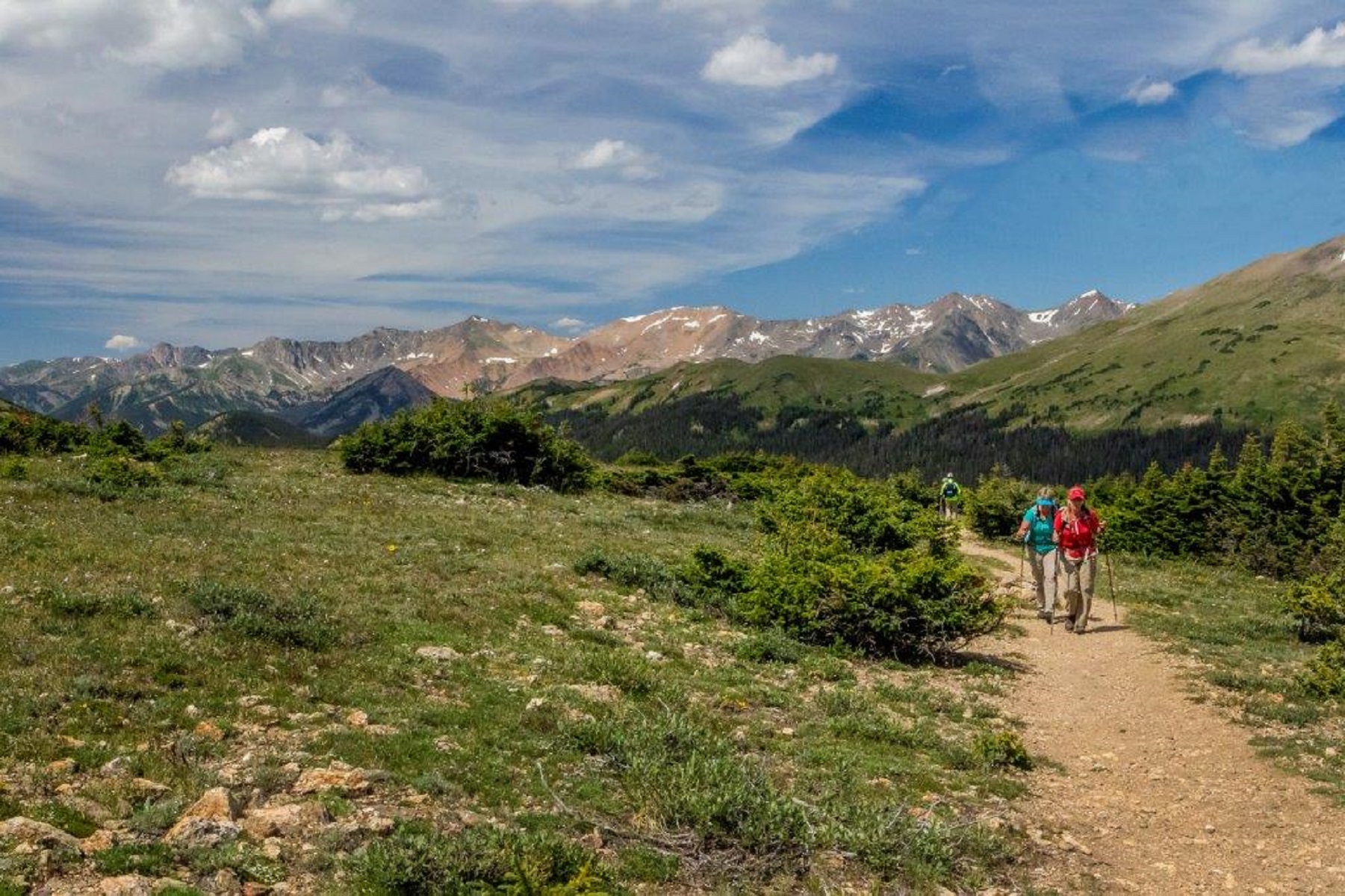
Lightning is the real danger here. You'll spend roughly half the hike above treeline with nowhere to hide. Be off the summit by noon — afternoon thunderstorms roll in fast and violently from late June through August. If you hear thunder, descend immediately.
Altitude sickness is common on this trail, especially for visitors arriving from low elevation. The summit sits above 12,300 feet, and the sustained climb gives your body little time to adjust. Turn around if you develop a headache, nausea, or dizziness — the mountain will be there next time.
The trail above treeline is marked only by cairns, and visibility can drop to near zero when clouds move in. Carry a map or GPS — losing the route on the tundra in fog is disorienting and potentially dangerous.
Trail Details
Pro Tips
Arrive at Bear Lake before 6:30 AM or you'll be circling the lot like a shark. The timed entry reservation for Bear Lake Road is mandatory during peak summer — book it the moment the window opens or you're driving to the Park & Ride shuttle instead.
Carry more layers than you think you need. The summit is fully exposed above treeline with zero shelter, and temperatures can drop 30 degrees from the trailhead. A wind shell and warm mid-layer are non-negotiable even on bluebird days.
Don't just tag the summit cairn and turn around — walk a few minutes west along the Continental Divide toward Tyndall Glacier for a view of one of the southernmost glaciers in the Rockies. Most hikers miss it entirely.
Photos
 NPS
NPS