Glacier Gorge Trail
What to Expect
Safety Advisory
Afternoon lightning is a serious and predictable hazard from June through September. The lakes sit in exposed alpine basins with nowhere to hide — plan to be below treeline by noon.
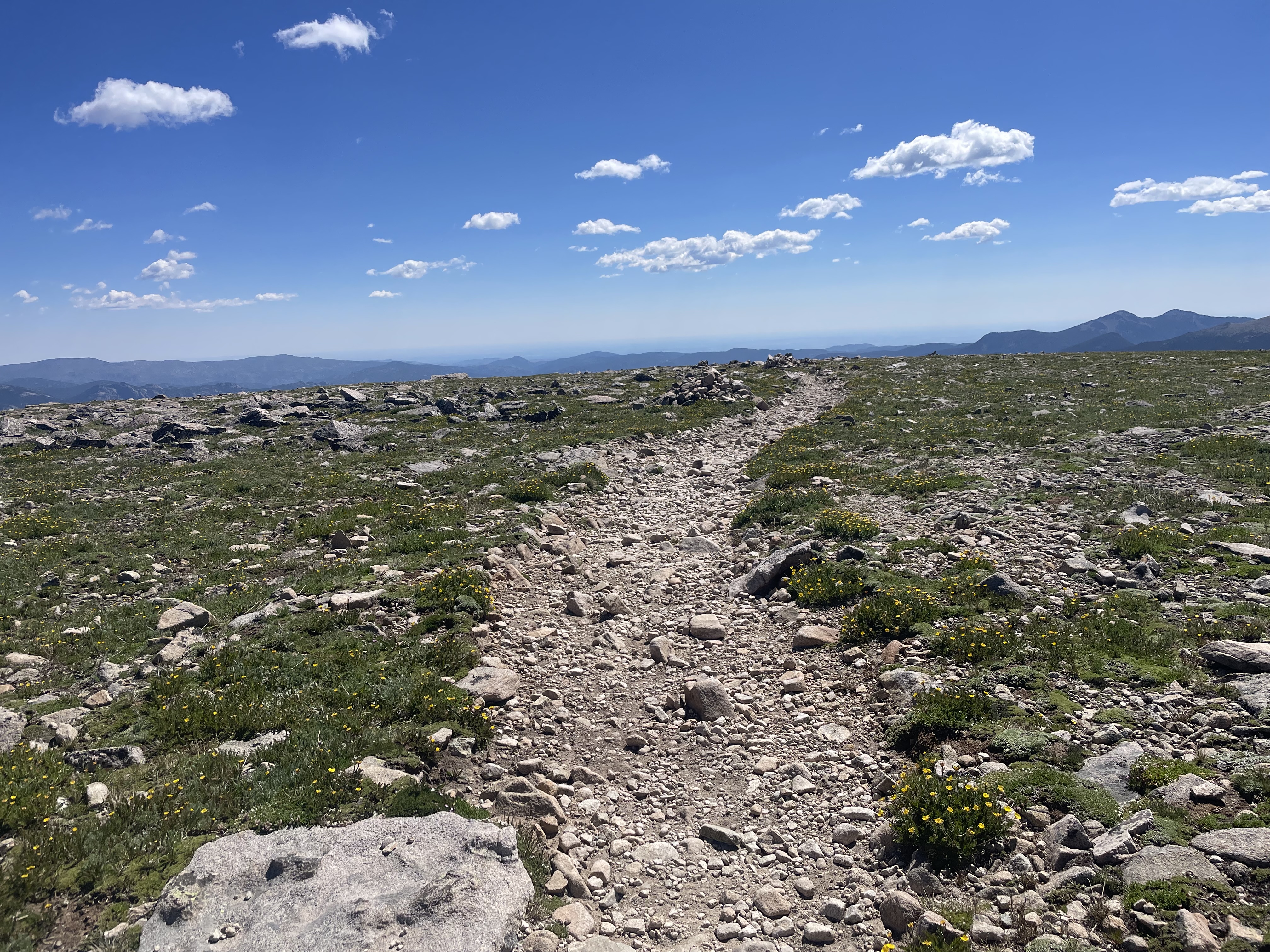
The trail crosses rocky terrain with uneven footing near the upper lakes. Ankle-supportive footwear matters here, especially on the descent when tired legs get sloppy on wet granite.
Trail Details
Pro Tips
The Glacier Gorge parking lot fills by 6:30 AM on summer weekends — if you miss it, the Park & Ride shuttle from the Estes Park Visitor Center drops you at the Bear Lake corridor. Alternatively, start from Bear Lake and walk the half-mile connector trail down to Glacier Gorge junction.
Bring layers even in July: you start in forest around 9,200 feet and the lakes sit above 10,000 feet where wind and afternoon storms roll in fast. A packable rain shell weighs nothing and saves everything.
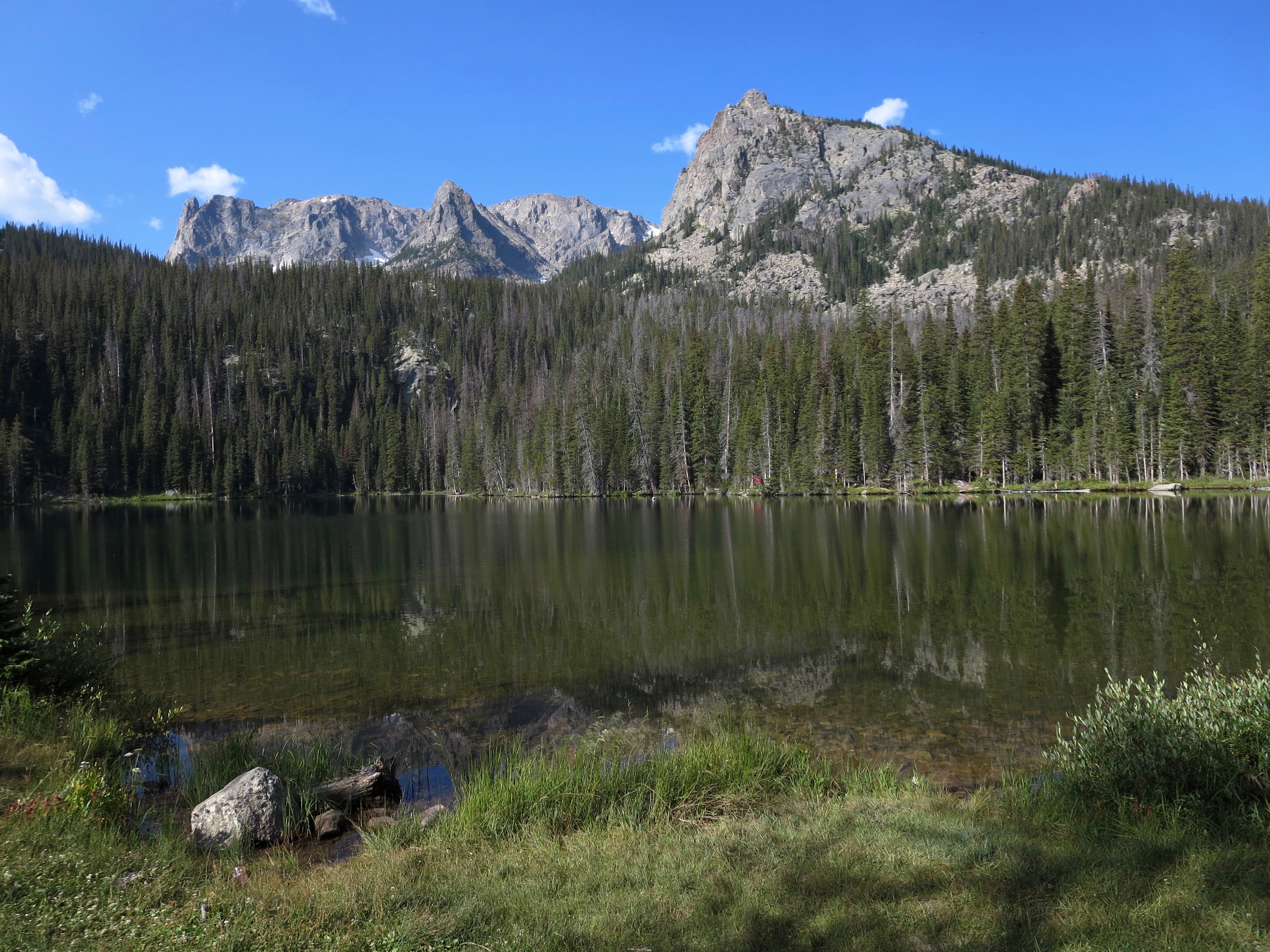
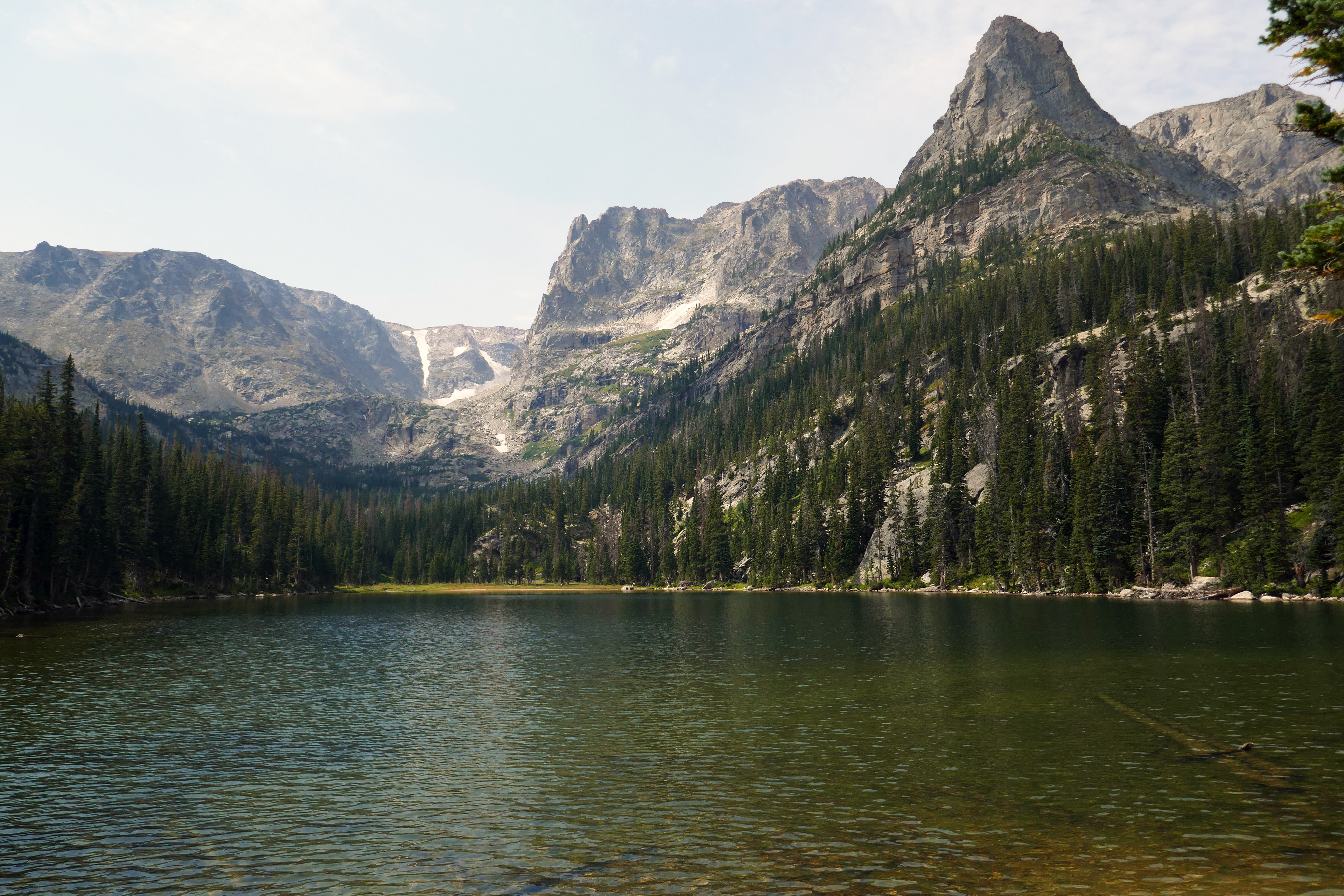
Most hikers turn around at Alberta Falls (0.8 miles in) or Mills Lake (2.5 miles). If you push to Black Lake at the head of the gorge, you'll have the most dramatic backdrop in the park nearly to yourself — and the reflection shots at sunrise are portfolio-worthy.