Hike to Chasm Lake
What to Expect
Safety Advisory
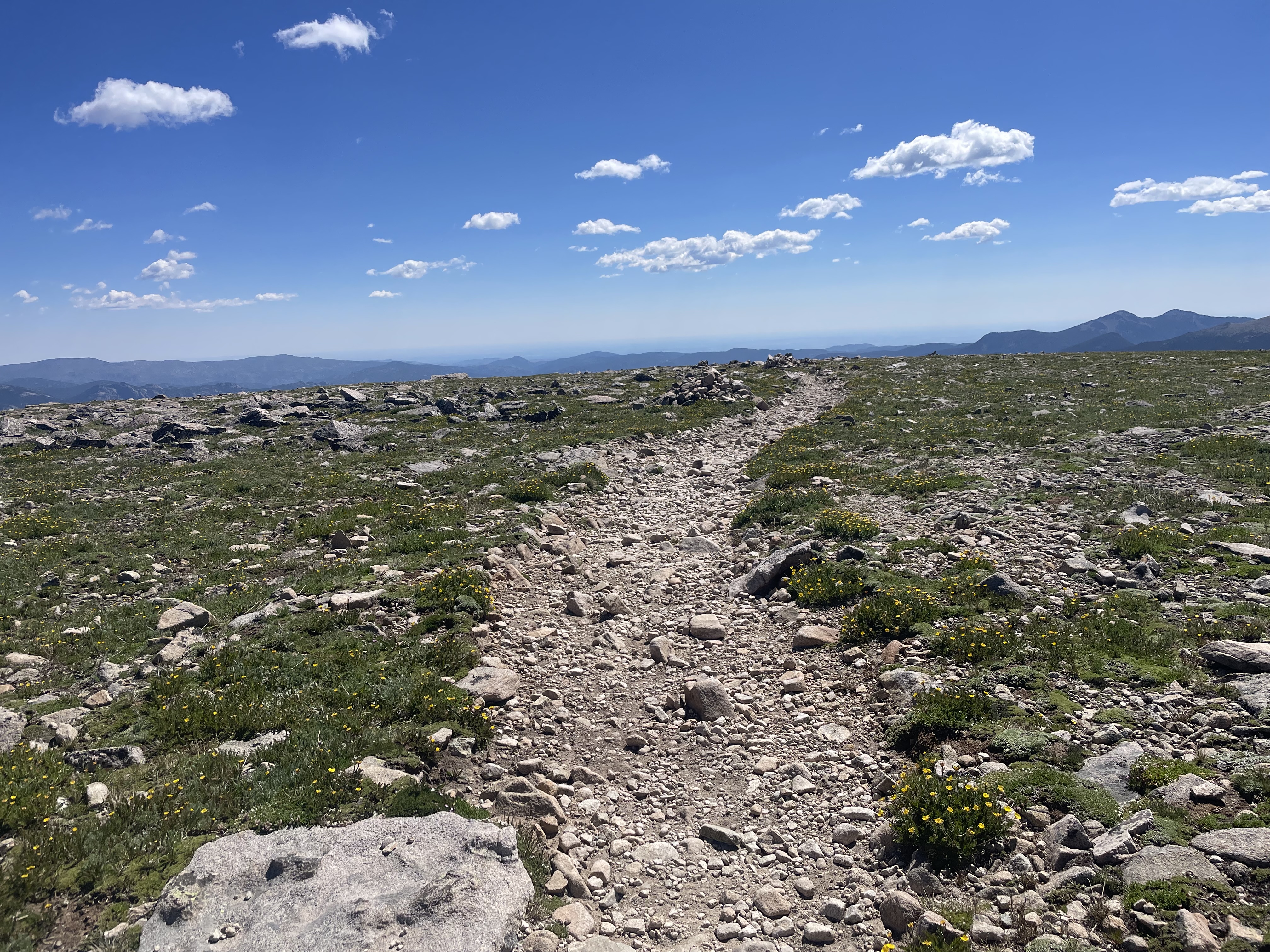
Afternoon thunderstorms are near-daily in summer above treeline. Be off the exposed tundra by noon — lightning strikes on the approach to Chasm Lake are a documented killer, not a theoretical risk.
The final approach crosses a steep snowfield well into July most years. Without microspikes or an ice axe, a slip here sends you into rocks below. Check ranger reports for current snow conditions before you go.
You top out above 11,700 feet. Altitude sickness hits visitors from sea level hard on this trail — headaches, nausea, and fatigue are common. Spend at least a day acclimating in Estes Park before attempting this hike.
Trail Details
Pro Tips
Start before dawn — the Longs Peak Trailhead lot fills by 5 a.m. on summer weekends, and an early start means calmer winds on the tundra and better light on the Diamond's east face.
Bring actual warm layers, not just a windbreaker. You gain almost half a mile of elevation and temperatures at the lake can be 25 degrees colder than the trailhead, even in July. Gloves are not overkill.
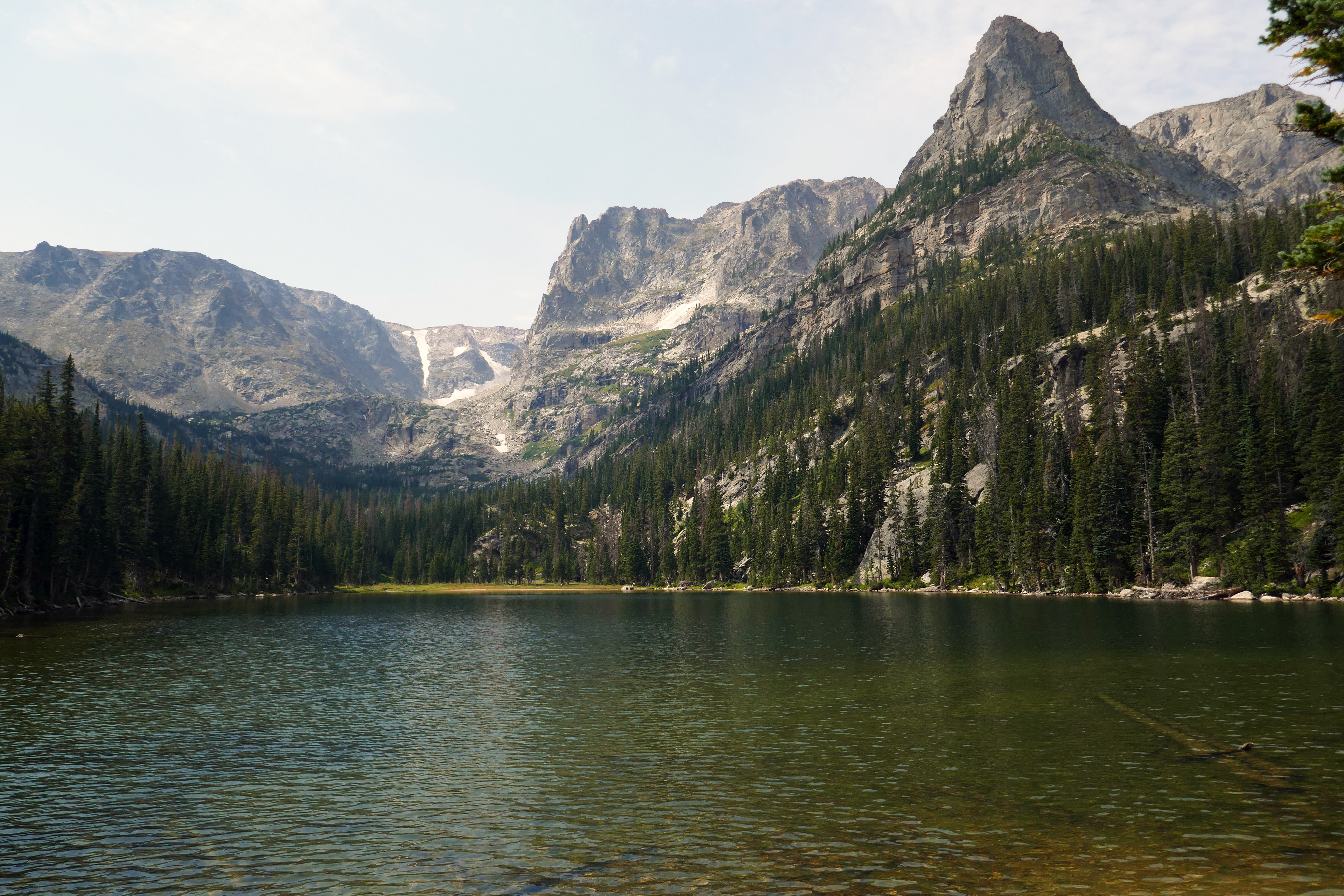
The best photo spot is the southeast shore of Chasm Lake in morning light, when the Diamond catches the first sun and reflects off the water. Arrive by 8 a.m. for golden light on the wall before it goes into shadow.
Photos
 NPS Photo / Crystal Brindle