Overview
Saguaro protects the iconic 40-foot cacti you've seen in every Western movie, split across two districts flanking Tucson. The Rincon Mountain (east) unit offers serious desert hiking and denser saguaro forests; the Tucson Mountain (west) side delivers easier access and better sunset backdrops. With 946K annual visitors crammed into 143 square miles, expect crowded trailheads during the mild winter months. The congestion index of 8.3 means you're sharing those Instagram-worthy cactus shots with tour buses. Come in November for 70-degree days and thinner crowds, or brave the June furnace when the saguaros bloom white flowers and most tourists flee.
Skip the packed Cactus Forest Loop and drive Signal Hill Road in the west district at 4:30 PM. Park at the petroglyphs, then walk 200 yards uphill to catch golden hour light raking across thousands of saguaros with zero crowds. The dirt road closes at sunset, so you'll have the ridge to yourself while day-trippers get stuck in traffic at the main overlooks.
When to Go
The sweet spot is November — good weather meets manageable crowds. Peak season hits in March.
Perfect conditions, peak season begins. Best weather of the year meets manageable crowds.
Monthly crowd levels — click a month for details
How Busy Is It?
How Saguaro compares to all 62 national parks
Busier than 89% of national parks
Very BusyMore crowded trails than 77% of parks
Very BusyHigher campsite pressure than 98% of parks
Very BusyNotable Trails
Saguaro has more trail mileage than 35% of national parks, with 50 miles across 22 maintained trails.
The difficulty split leans moderate to strenuous — only 45% of trails are rated easy.
Cactus Forest Trail
Valley View Overlook Trail
Hugh Norris Trail
Sendero Esperanza Trail
Start early — Saguaro's most popular trailheads fill up by mid-morning in peak season.
Camping
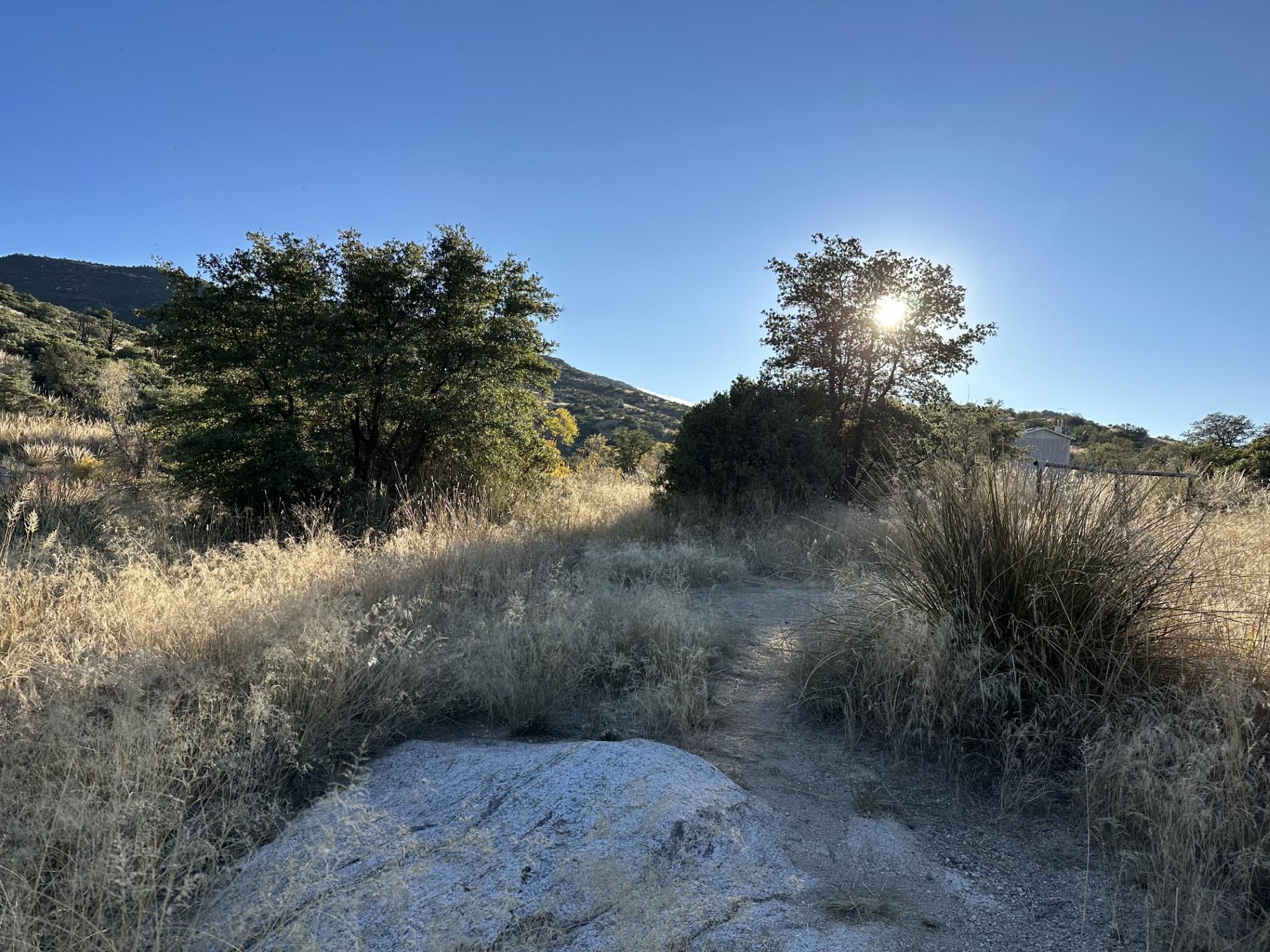
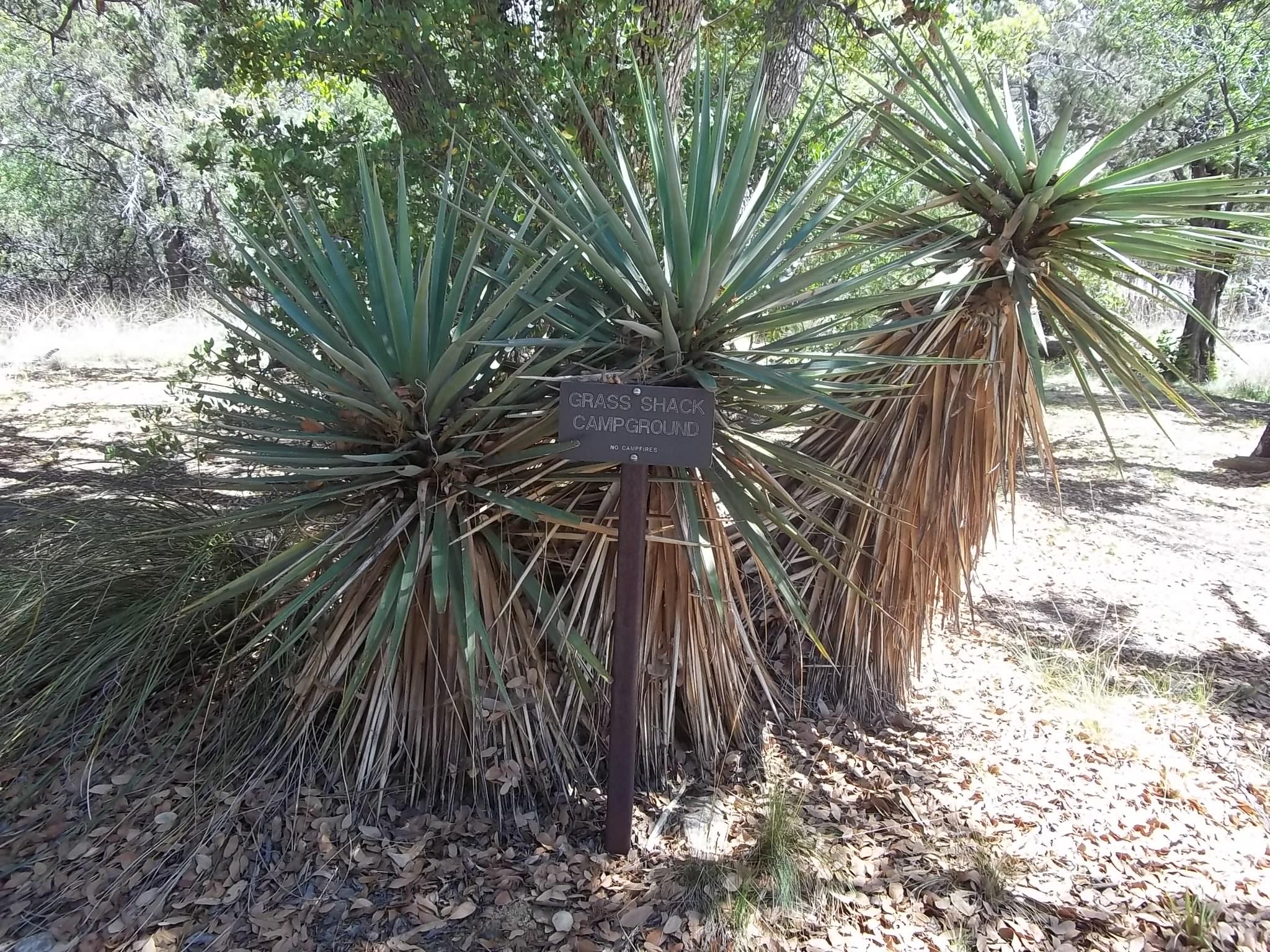
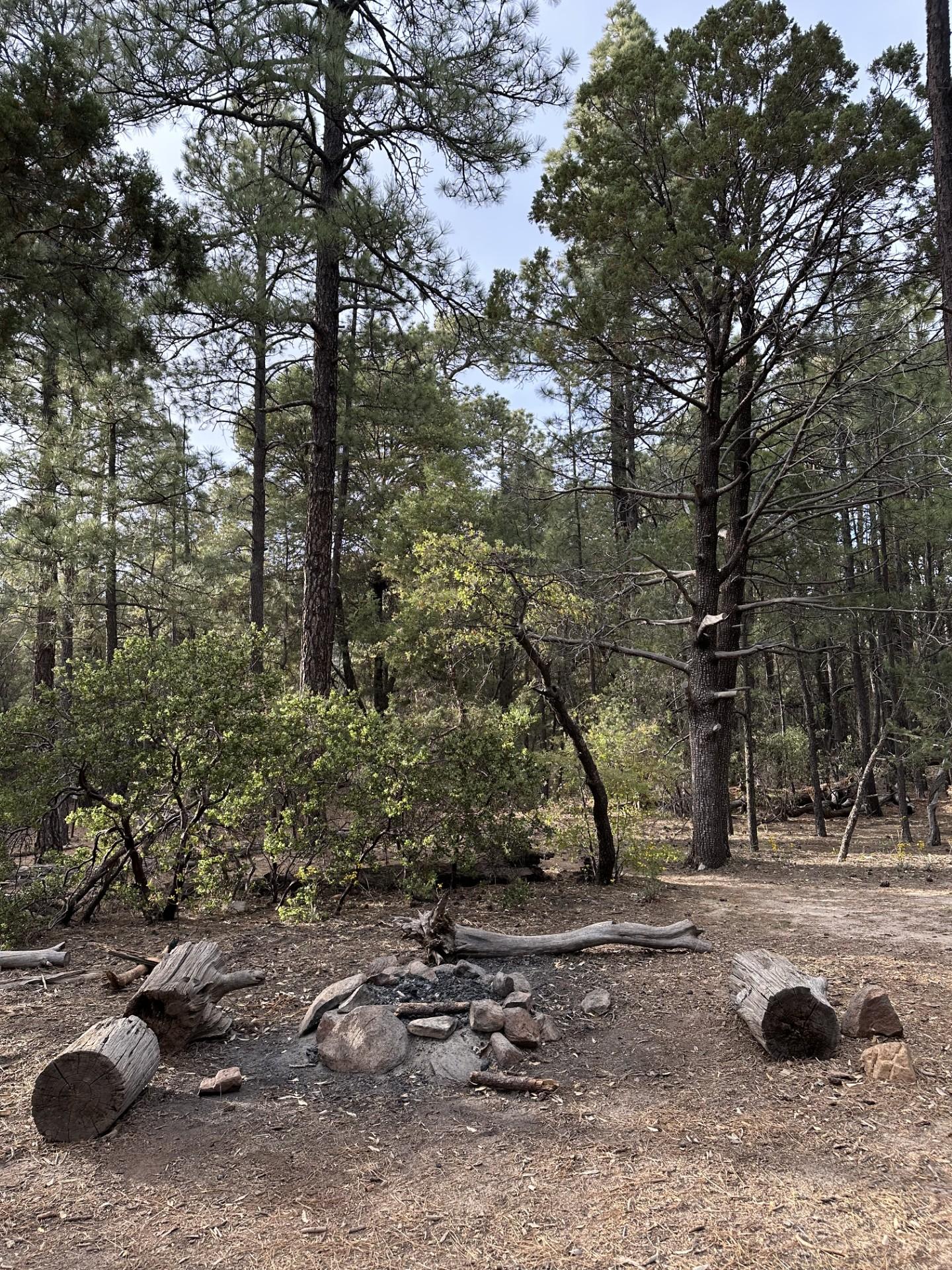
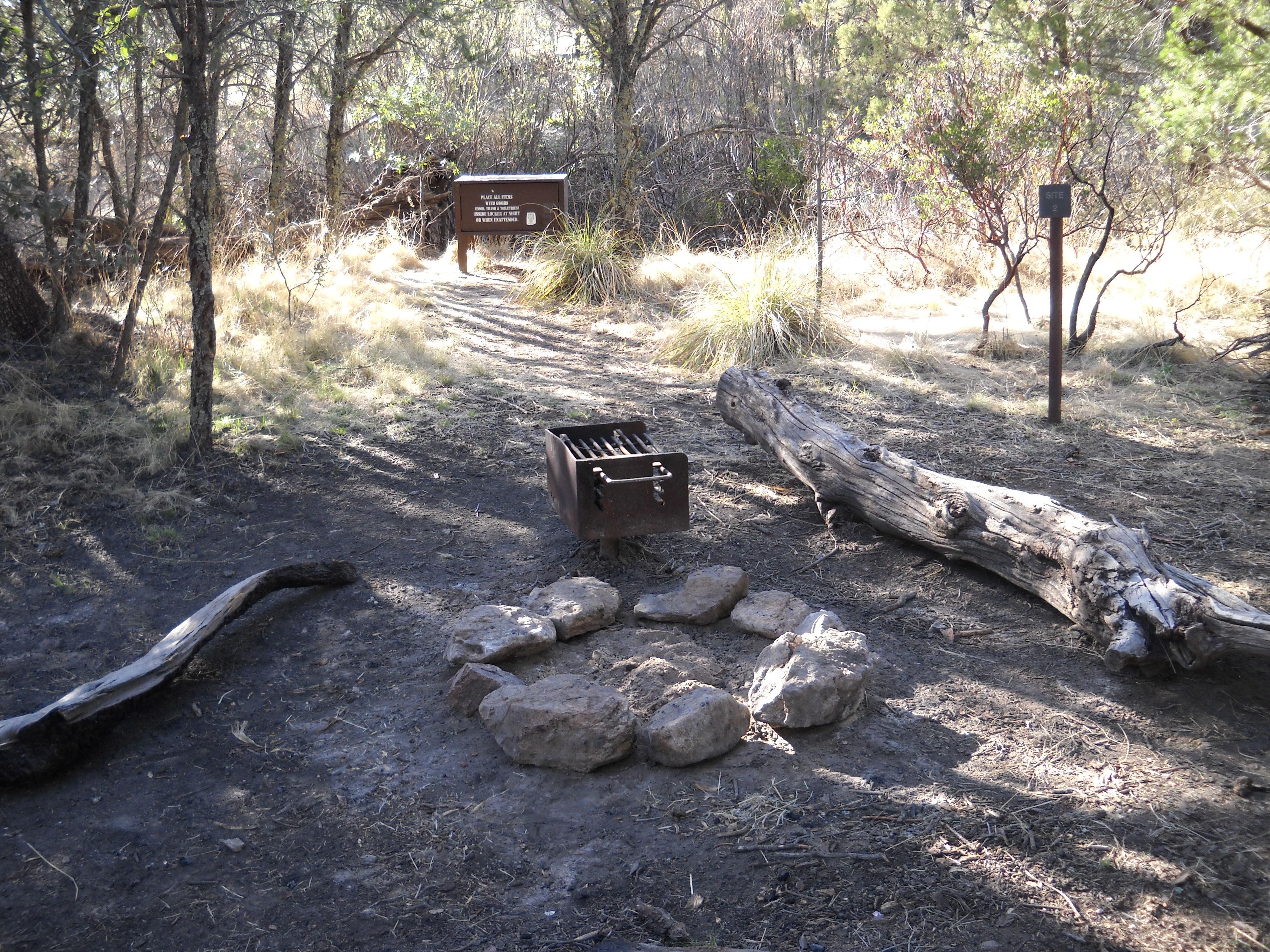
6 campgrounds with 6 total sites. About 100% are first-come, first-served.
Top Activities
Saguaro excels at 6 of 17 activity types — here are the standouts rated 7/10 or higher.
Photography
9/10Iconic saguaro cacti provide exceptional photography opportunities, especially at sunset
Scenic Driving
8/10Cactus Forest Drive (East) and scenic loop (West); excellent saguaro viewing
Hiking
7/10Good selection of trails from easy family walks to strenuous desert hikes
Bird Watching
7/10Over 130 bird species; raptors, hummingbirds, and songbirds
Stargazing
7/10Good dark skies in outer areas; designated Dark Sky Park in West district
Ranger Programs
7/10Ranger-led nature walks, evening programs, and Junior Ranger activities
Who It's For
Planning Your Trip
Getting There
Nearest city: Tucson, AZ (0 mi). Fly into TUS.
In-Park Services
No gas in park · No lodging in park · Cell: good
Gateway Town
Tucson, AZ — full amenities
Featured In ?Rankings based on data-driven scoring across all 62 national parks.
Stories
Gateway Cities
Compare Saguaro
See how Saguaro stacks up against other national parks — crowds, trails, and more.
Compare SaguaroFrequently Asked Questions
When is the best time to visit Saguaro National Park?
The best month to visit Saguaro is November, based on a balance of weather, crowds, and accessibility. Peak visitation is in March. The park has 7 comfortable months for visiting.
How crowded is Saguaro National Park?
Saguaro is very crowded, with a congestion index of 8.3/10. The park receives 946K visitors annually across 142.7 square miles.
How many trails does Saguaro National Park have?
Saguaro has 50 miles of trails across 10 easy, 10 moderate, and 2 strenuous routes. Popular trails include Cactus Forest Trail, Valley View Overlook Trail, Hugh Norris Trail.
Can you camp at Saguaro National Park?
Yes, Saguaro has 6 campgrounds with 6 total sites. Some sites are available first-come, first-served.
Is Saguaro National Park open year-round?
Yes, Saguaro is open year-round, though some roads and facilities may close seasonally. The park's climate is classified as sonoran_desert.