Overview
Two-thirds of St. John wrapped in national park protection, zero entrance fee, and some of the Caribbean's most accessible snorkeling. The 423,000 annual visitors create noticeable beach crowding (6.3/10 congestion), especially in March when cruise ships unload day-trippers at Trunk Bay. The real payoff comes underwater—the Coral World Reef Trail and Trunk Bay's marked snorkel route make marine life easy even for beginners. Beyond beaches, Annaberg Plantation's sugar mill ruins and Taino petroglyphs add historical depth most Caribbean islands have paved over.
Skip Trunk Bay's $5 snorkel trail in favor of Waterlemon Cay at Leinster Bay—free, less crowded, and superior coral diversity. Arrive by 8 AM before the charter boats anchor. The swim is 200 yards from shore, so bring a float if you're not a strong swimmer.
When to Go
The sweet spot is November — good weather meets manageable crowds. Peak season hits in March.
Best overall month. Crowds return but stay moderate. Rain eases, temps drop to 84°F, seas calm for reef exploration.
Monthly crowd levels — click a month for details
How Busy Is It?
How Virgin Islands compares to all 62 national parks
Busier than 68% of national parks
Above AverageMore crowded trails than 66% of parks
Above AverageHigher campsite pressure than 26% of parks
ModerateNotable Trails
Virgin Islands has more trail mileage than 11% of national parks, with 27 miles across 20 maintained trails.
The difficulty split leans moderate to strenuous — only 30% of trails are rated easy.
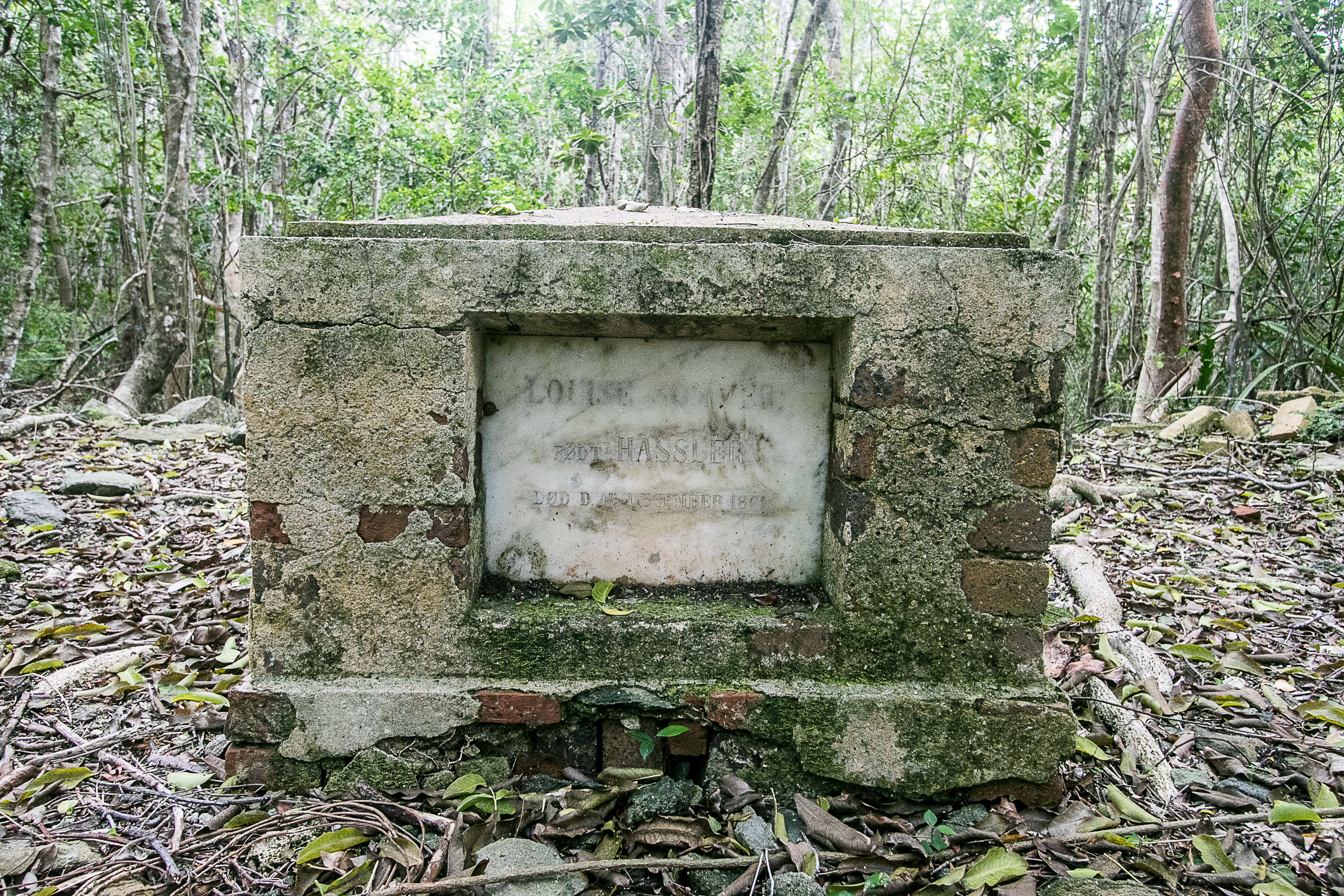
L'Esperance Trail
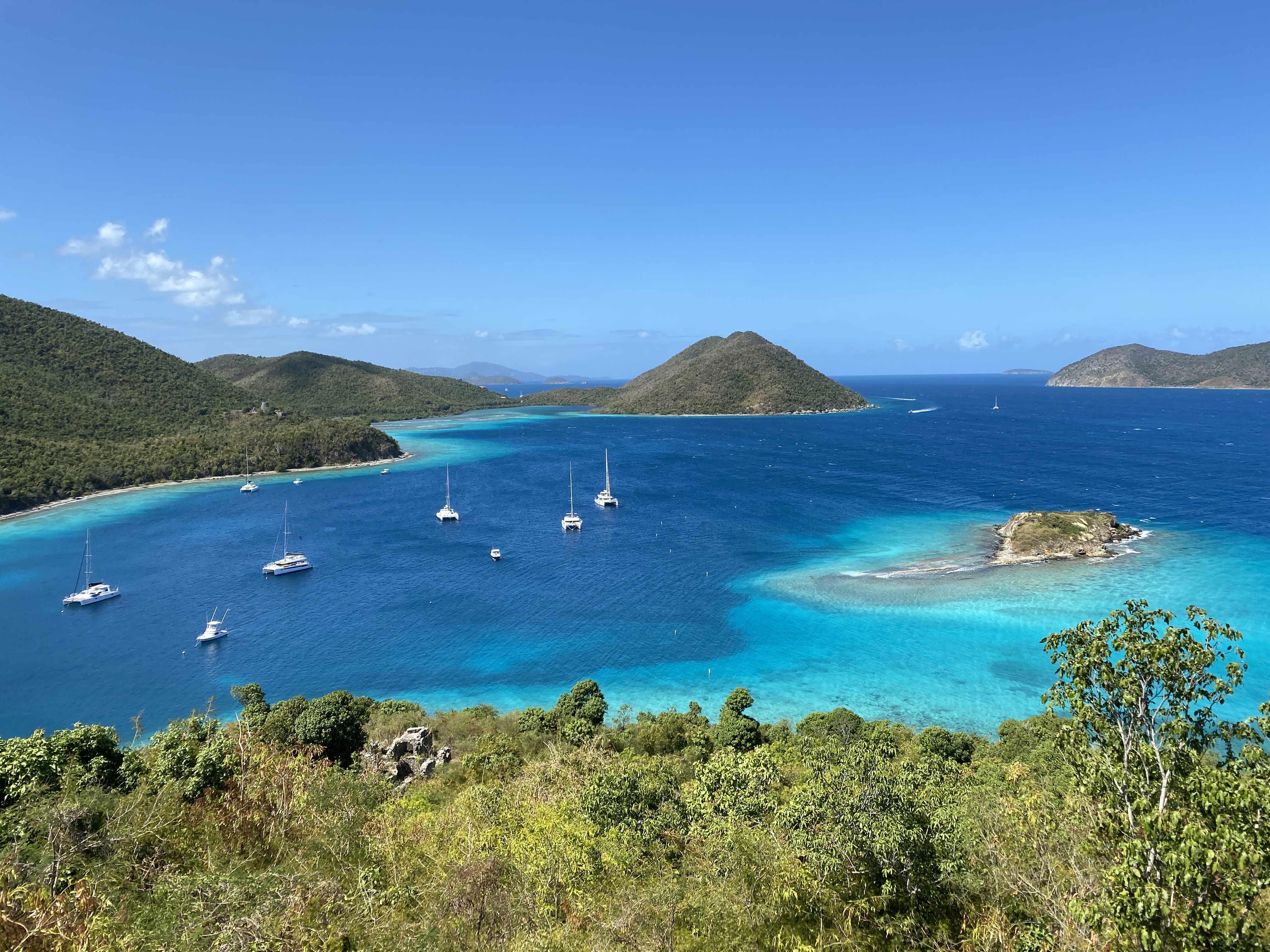
Johnny Horn Trail
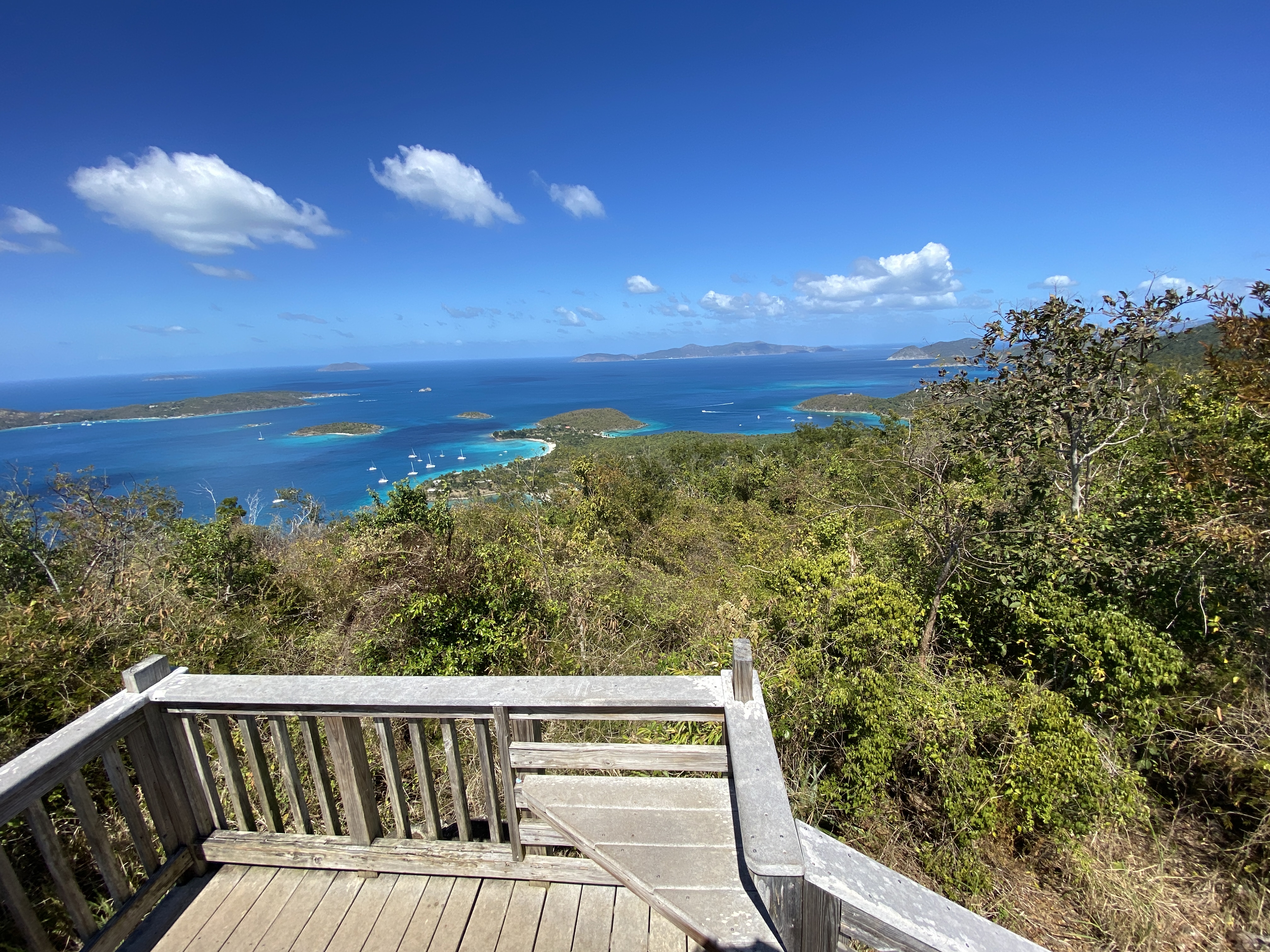
Caneel Hill Trail
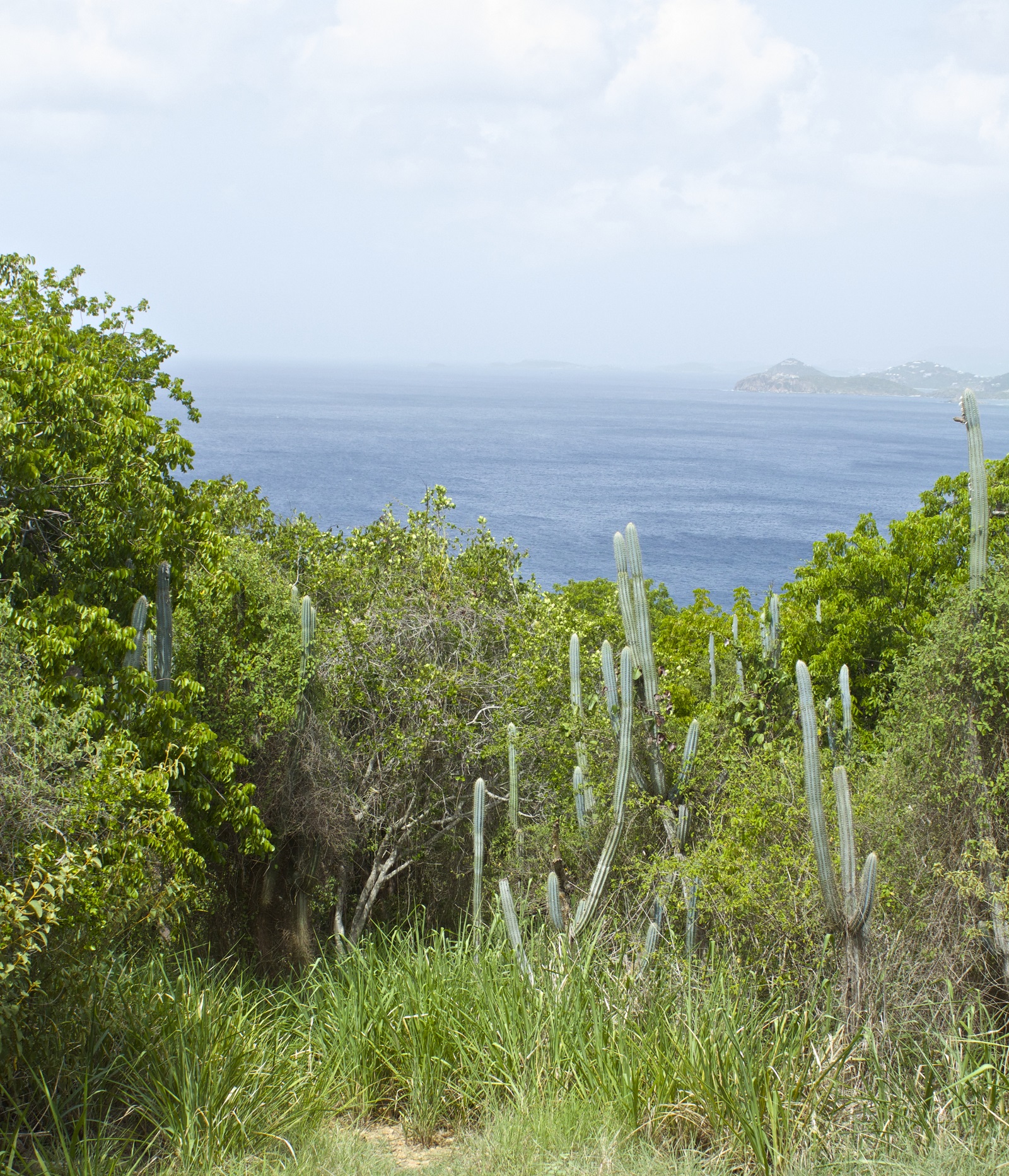
Tektite Trail
Start early — Virgin Islands's most popular trailheads fill up by mid-morning in peak season.
Camping
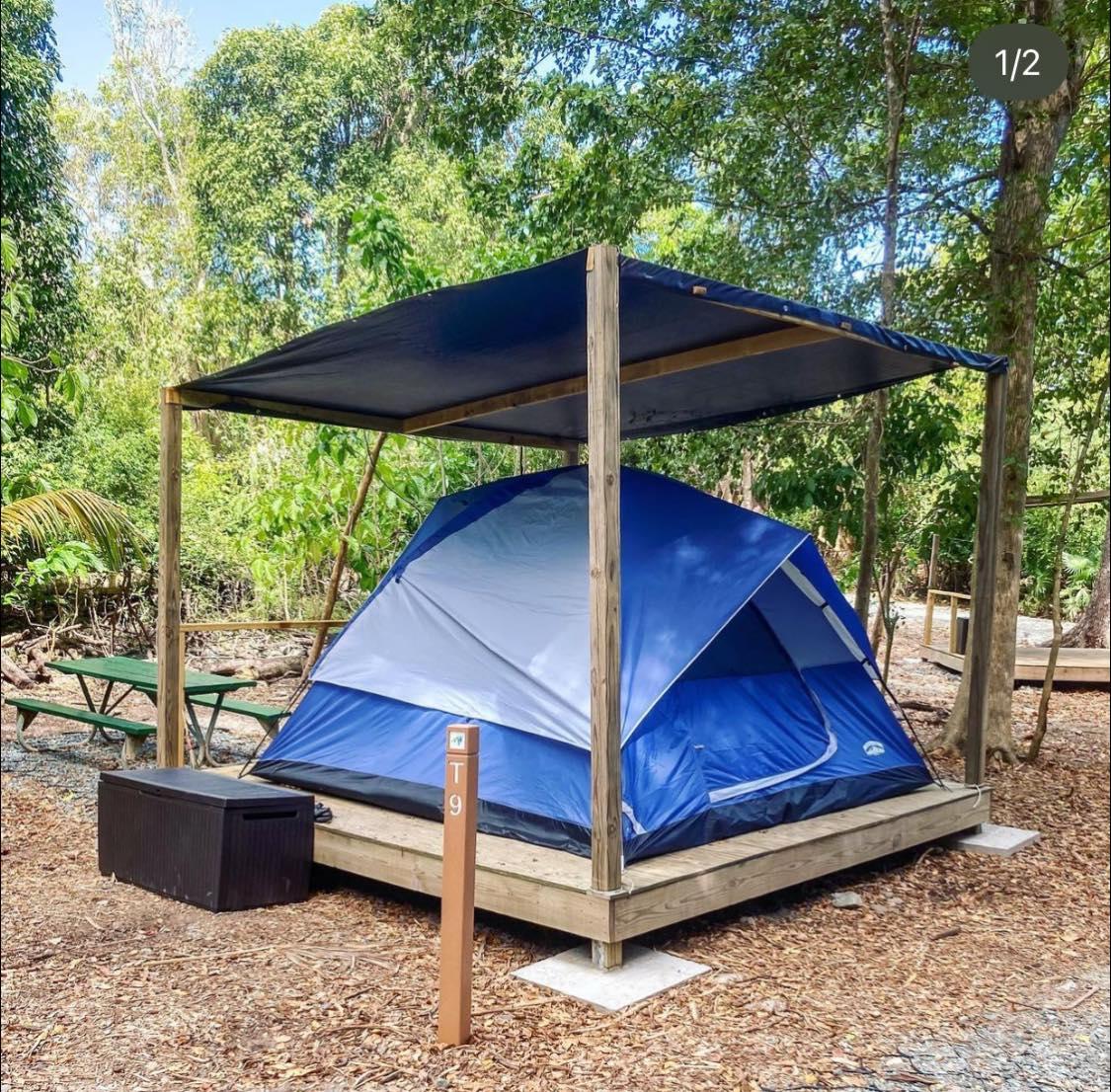
1 campgrounds with 121 total sites. All sites require reservations.
Top Activities
Virgin Islands excels at 9 of 17 activity types — here are the standouts rated 7/10 or higher.
Swimming
9/10Pristine white-sand beaches with excellent swimming and snorkeling
Photography
9/10Pristine beaches, coral reefs, historic ruins, and tropical landscapes
Hiking
8/1020 trails ranging from easy beach walks to strenuous forest hikes
Kayaking Canoeing
8/10Sea kayaking around islands and coastal waters
Wildlife Viewing
8/10Sea turtles, tropical fish, reef sharks, and seabirds
Fishing
7/10Saltwater fishing in surrounding waters
Bird Watching
7/10Tropical and migratory bird species
Stargazing
7/10Good stargazing opportunities with minimal light pollution
Ranger Programs
7/10Ranger talks, beach programs, and interpretive exhibits
Who It's For
Planning Your Trip
Getting There
Nearest city: St. Thomas, VI (10 mi). Fly into STX.
In-Park Services
No gas in park · Lodging available · Cell: limited
Gateway Town
St. Thomas, VI — full amenities
Featured In ?Rankings based on data-driven scoring across all 62 national parks.
Stories
Compare Virgin Islands
See how Virgin Islands stacks up against other national parks — crowds, trails, and more.
Compare Virgin IslandsFrequently Asked Questions
When is the best time to visit Virgin Islands National Park?
The best month to visit Virgin Islands is November, based on a balance of weather, crowds, and accessibility. Peak visitation is in March. The park has 6 comfortable months for visiting.
How crowded is Virgin Islands National Park?
Virgin Islands is crowded, with a congestion index of 6.3/10. The park receives 423K visitors annually across 22.9 square miles.
How many trails does Virgin Islands National Park have?
Virgin Islands has 27 miles of trails across 6 easy, 10 moderate, and 4 strenuous routes. Popular trails include Trunk Bay Underwater Snorkel Trail, Annaberg Sugar Plantation Trail, Coral World Reef Trail.
Can you camp at Virgin Islands National Park?
Yes, Virgin Islands has 1 campground with 121 total sites. Some sites are available first-come, first-served.
Is Virgin Islands National Park open year-round?
Yes, Virgin Islands is open year-round, though some roads and facilities may close seasonally. The park's climate is classified as tropical_marine.