Hiking Dune Life Nature Trail
What to Expect
Safety Advisory
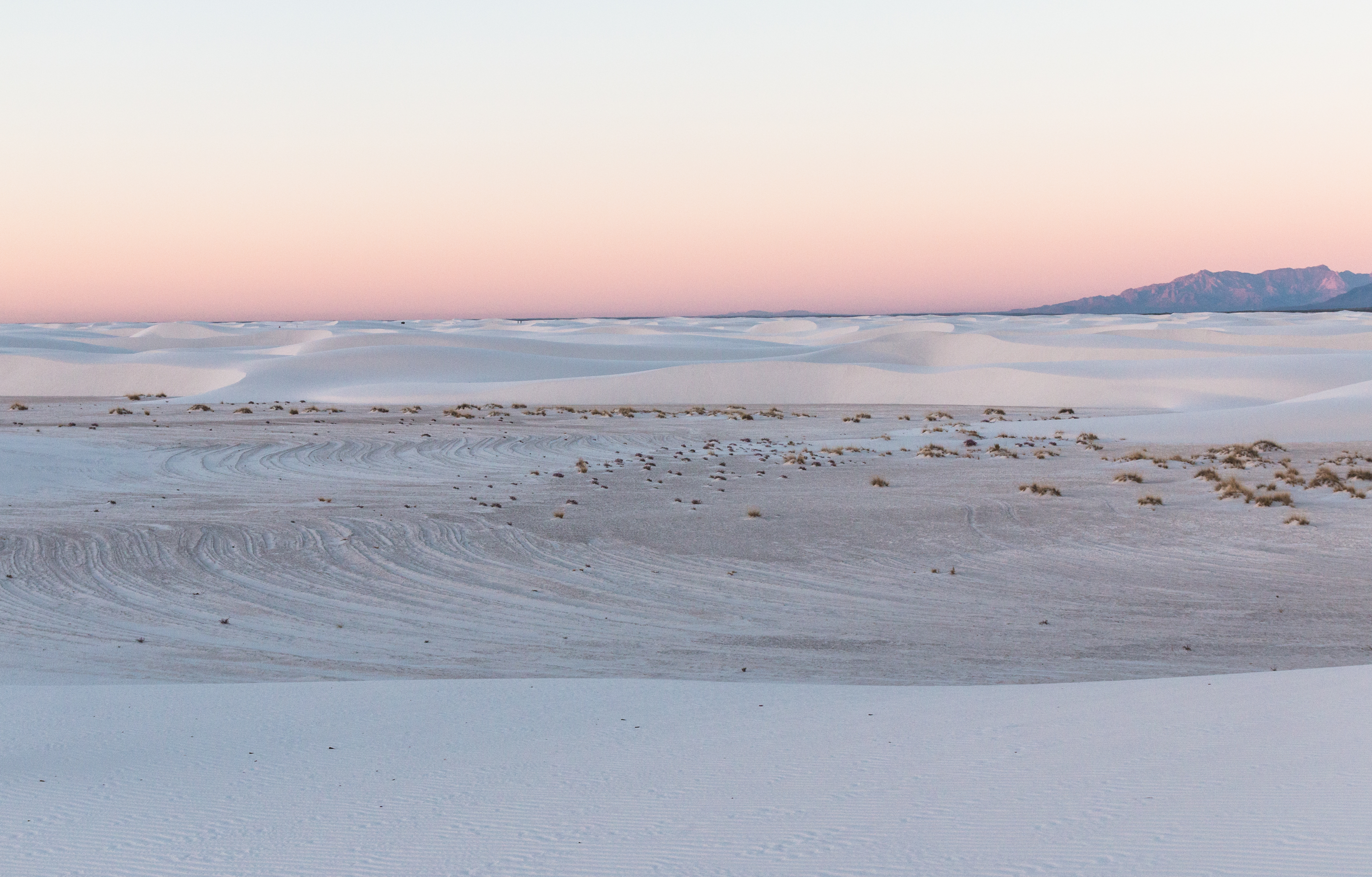
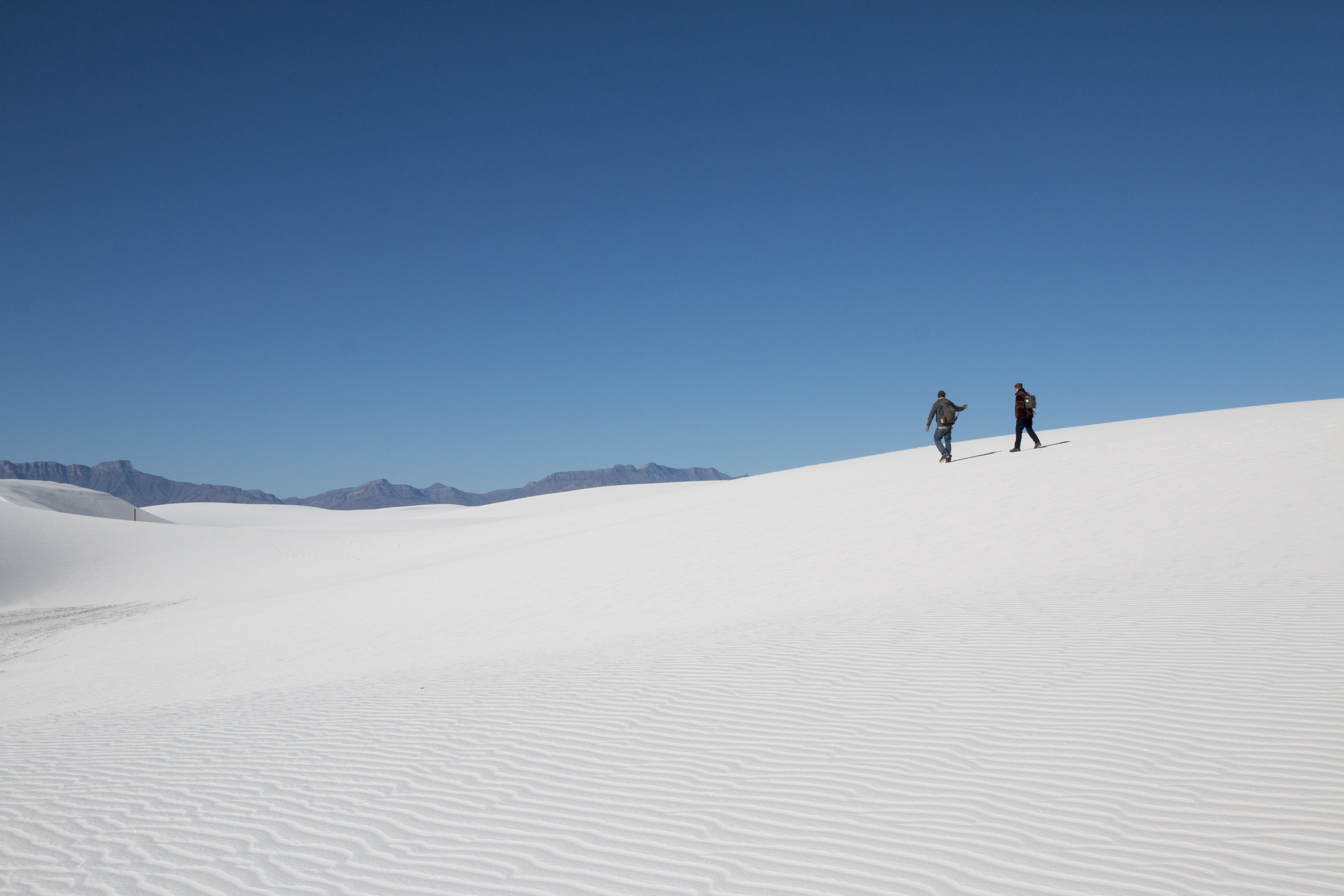
The gypsum sand reflects nearly all sunlight, so you're getting UV exposure from every direction — sunscreen on the underside of your chin and nose isn't overkill here. Sunburns happen fast even in winter.
Carry more water than you think a one-mile loop requires. The combination of heat, reflected radiation, and dry air can dehydrate you surprisingly quickly, especially with kids and pets in tow.
Trail Details
- 1
Wear sunglasses with full UV protection — the white gypsum reflects sunlight from below as well as above, and even overcast days here are blinding. Polarized lenses make a dramatic difference.
- 2
Time your visit for the first hour after the park opens or the last two hours before sunset. Midday turns the dunes into a reflective oven, and animal tracks — which are half the fun of this trail — are most visible in low-angle light when shadows fill them.
- 3
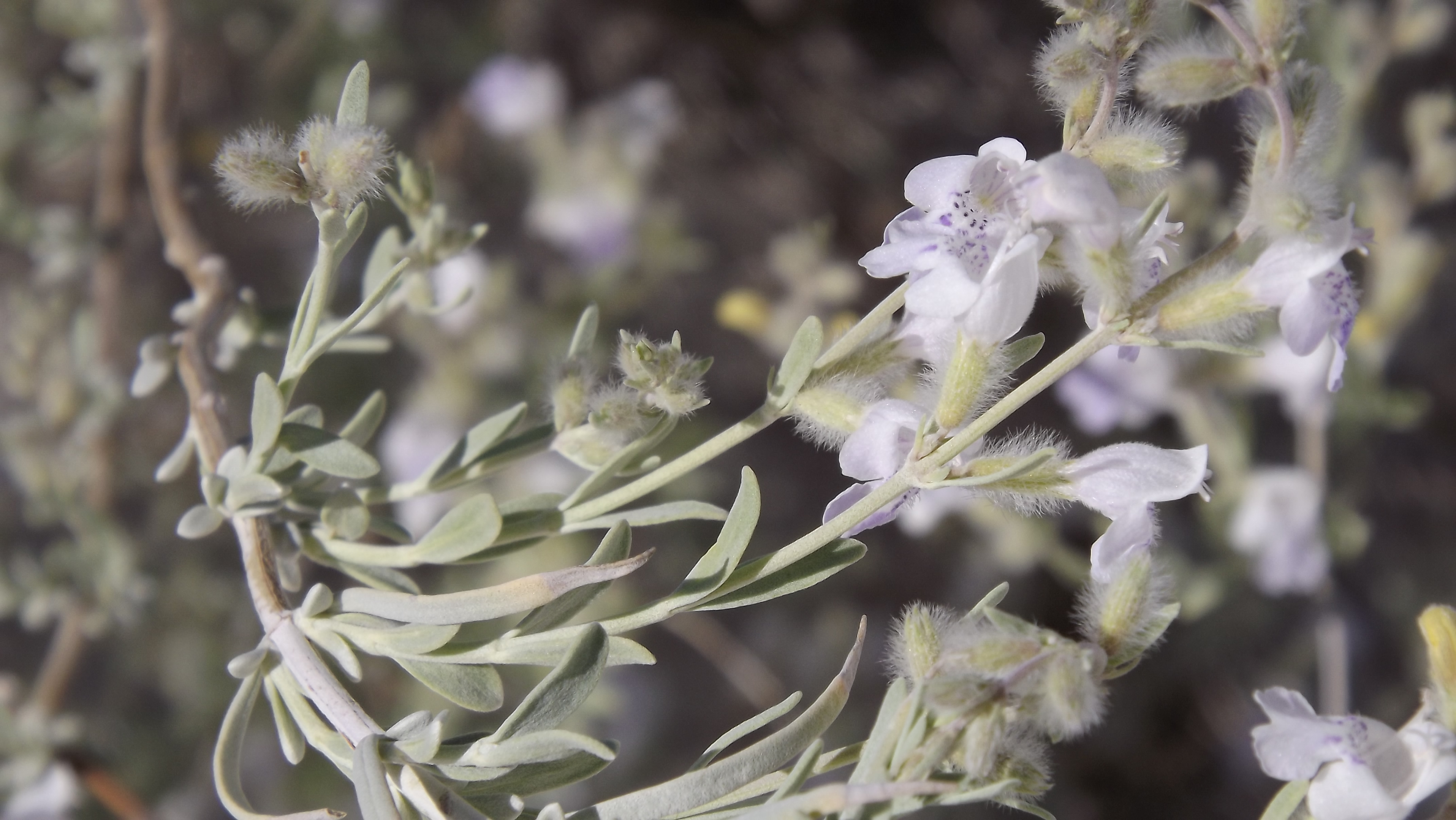
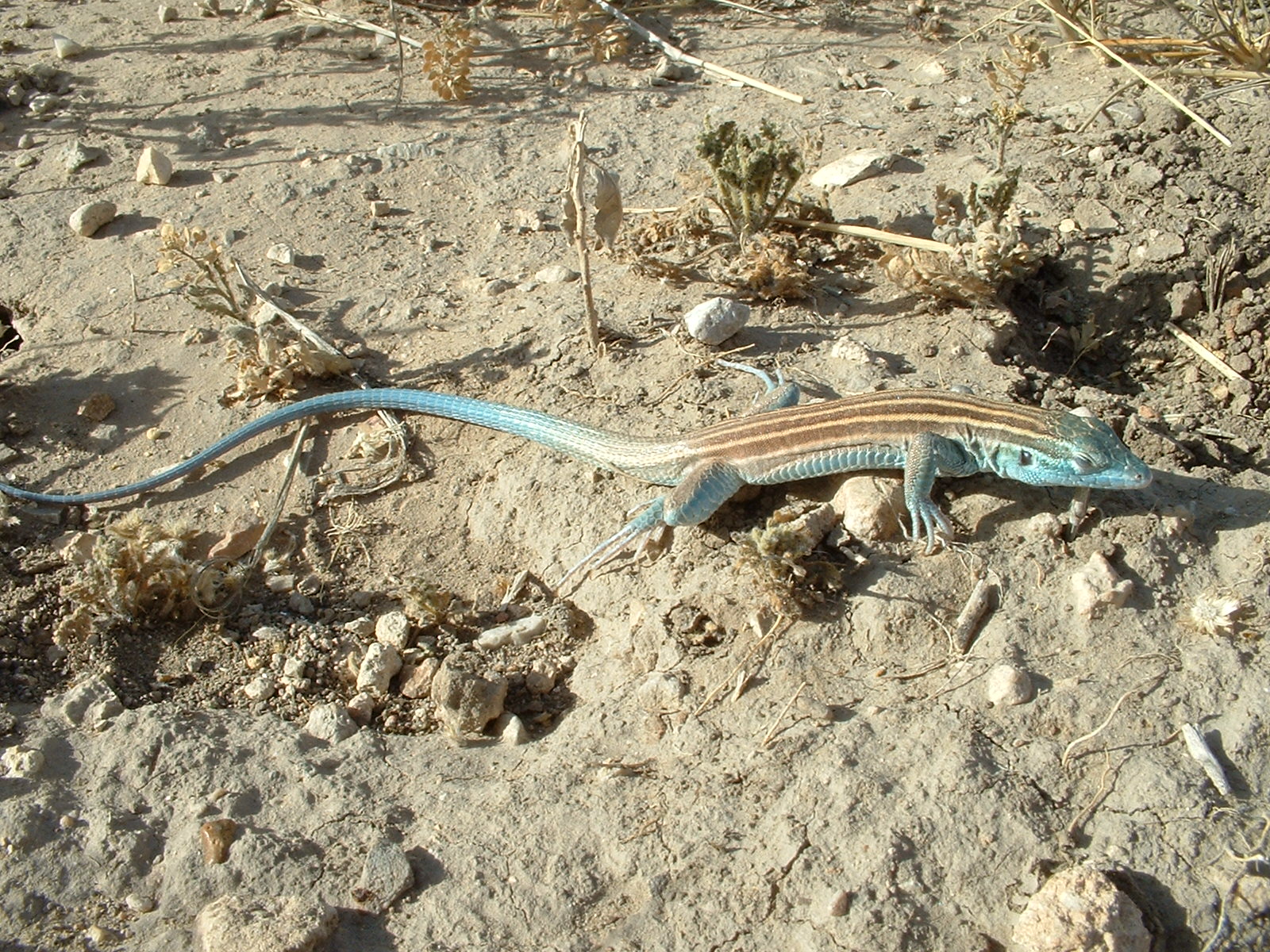
Read the interpretive signs even if you normally skip them. They're unusually well done and point out details you'd walk right past, like the bleached coloring of White Sands-adapted insects and the moisture-trapping strategy of the soaptree yucca.
Photos
 NPS
NPS