Overview
Wind Cave earns its national park status not for scale—at 44 square miles with under 500K annual visitors—but for rarity. The cave system ranks among the world's longest and densest, featuring 95% of known boxwork formations globally. Above ground, you get South Dakota's last intact mixed-grass prairie with free-roaming bison herds, just an hour from Mount Rushmore. The trade-off: cave tours sell out weeks ahead in summer, and the prairie hiking is modest compared to nearby Badlands or Black Hills.
Book the Natural Entrance Tour (not the Garden of Eden). You'll descend 300 feet through the cave's original opening on metal stairs—the route early explorers used—and see boxwork formations up close before exiting via elevator. Tours fill fast; reserve 30 days out when the booking window opens at recreation.gov.
When to Go
The sweet spot is October — good weather meets manageable crowds. Peak season hits in July.
Best month. Mild days, golden grasslands, bugling elk, and minimal crowds. Rankin Ridge Trail shows why locals come in fall.
Monthly crowd levels — click a month for details
How Busy Is It?
How Wind Cave compares to all 62 national parks
Busier than 74% of national parks
Above AverageMore crowded trails than 54% of parks
Above AverageHigher campsite pressure than 64% of parks
Above AverageNotable Trails
Wind Cave has more trail mileage than 24% of national parks, with 40 miles across 35 maintained trails.
The difficulty split leans moderate to strenuous — only 29% of trails are rated easy.
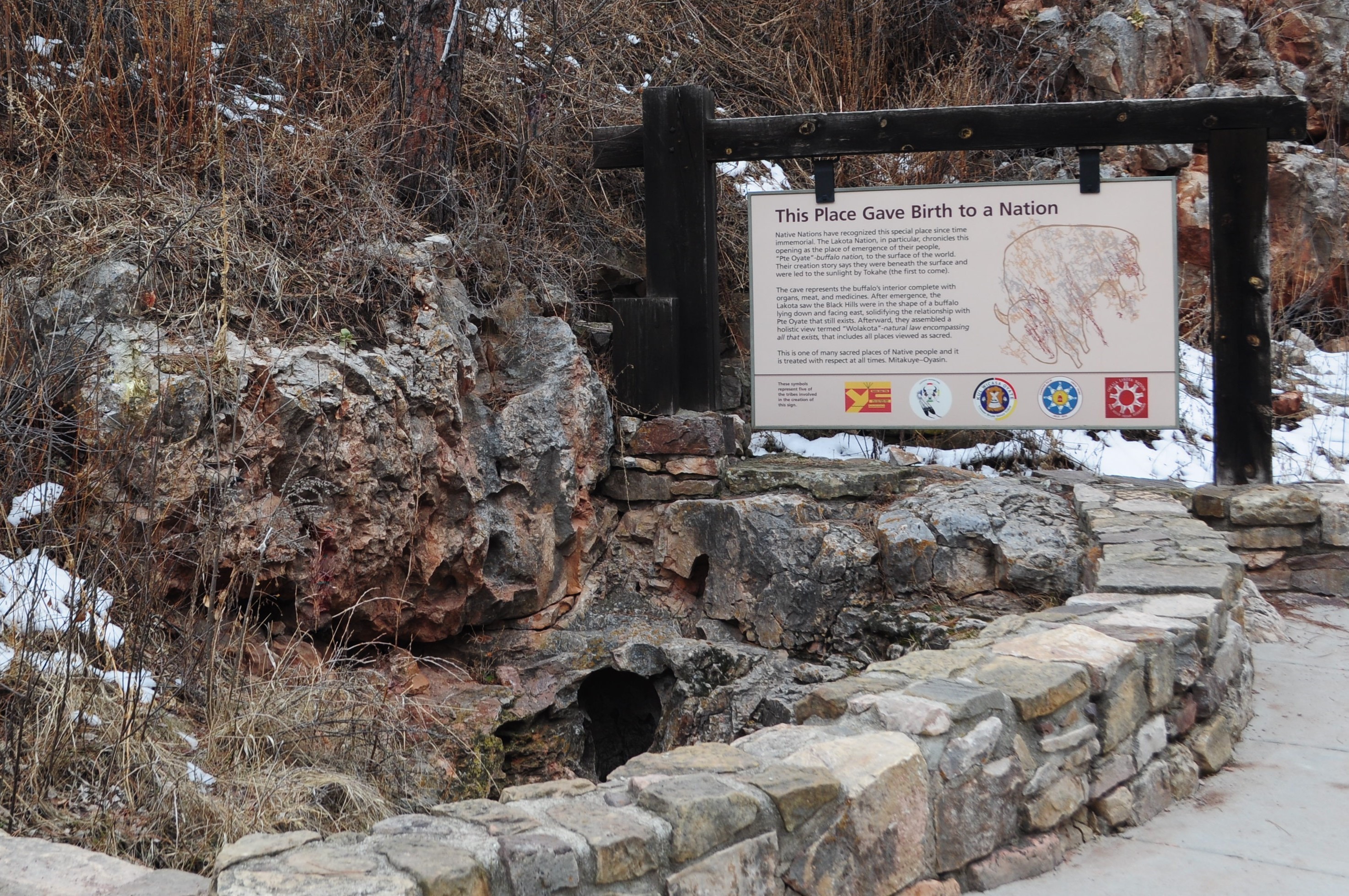
Visit Wind Cave's Natural Entrance
Elk Mountain Trail
Rankin Ridge Trail
Wind Cave Canyon Trail
Start early — Wind Cave's most popular trailheads fill up by mid-morning in peak season.
Camping
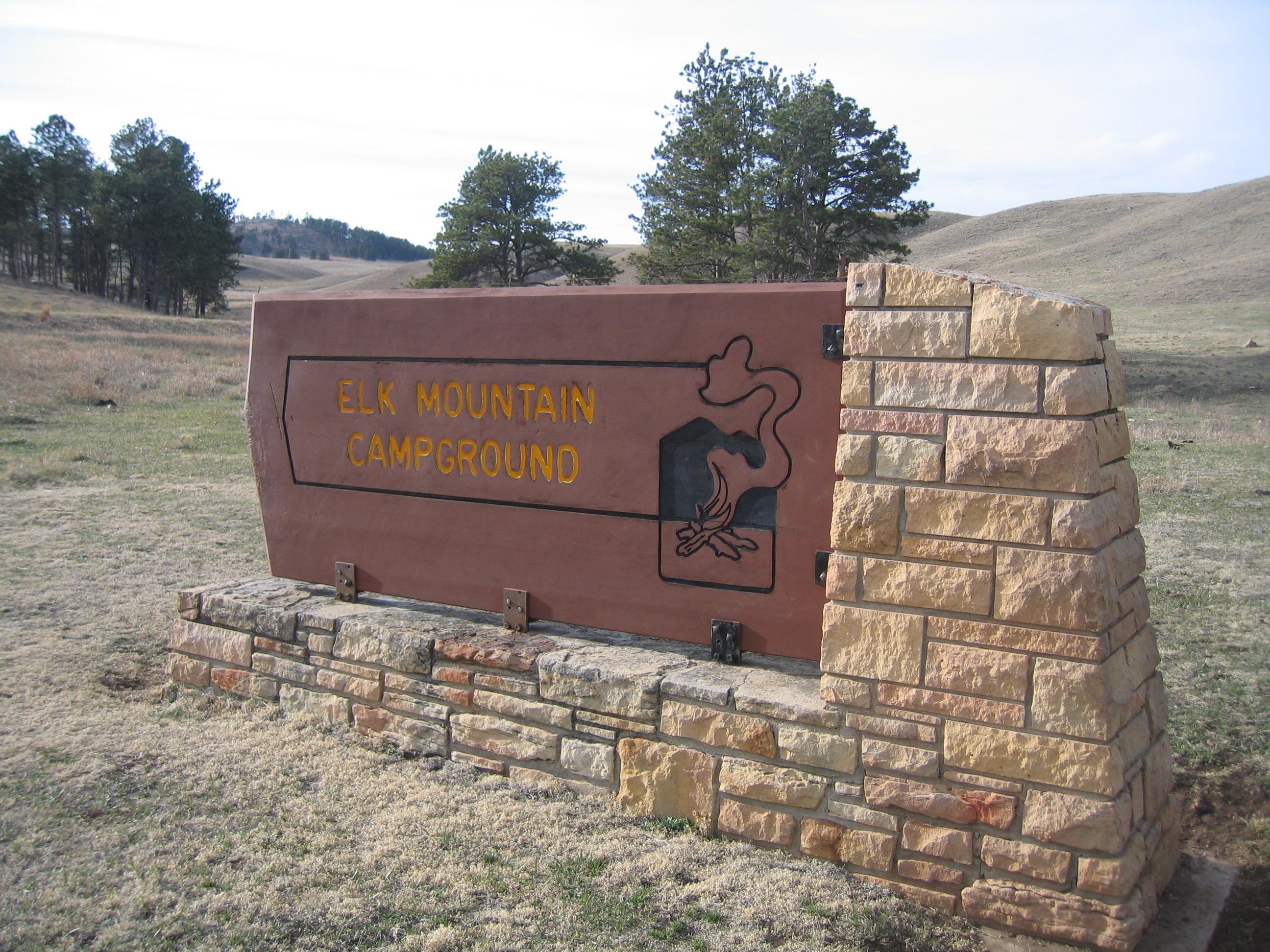
1 campgrounds with 64 total sites. All sites require reservations.
Top Activities
Wind Cave excels at 7 of 17 activity types — here are the standouts rated 7/10 or higher.
Wildlife Viewing
8/10Bison herds, elk, mule deer, prairie dogs, and various bird species
Photography
8/10Excellent wildlife, landscape, and cave photography opportunities
Ranger Programs
8/10Cave tours (primary activity), nature walks, wildlife talks, and geology programs
Hiking
7/1040+ miles of trails offering prairie walks, canyon exploration, and forest hikes
Scenic Driving
7/10Park road scenic drive with views of prairie, canyons, and Black Hills
Bird Watching
7/10Over 80 bird species including eagles, hawks, grouse, and songbirds
Stargazing
7/10Good dark skies away from Black Hills development
Who It's For
Planning Your Trip
Getting There
Nearest city: Rapid City, SD (65 mi). Fly into RAP.
In-Park Services
No gas in park · No lodging in park · Cell: limited
Gateway Town
Hot Springs, SD — full amenities
Featured In ?Rankings based on data-driven scoring across all 62 national parks.
Stories
Gateway Cities
Road Trips
Wind Cave is a stop on this road trip:
Compare Wind Cave
See how Wind Cave stacks up against other national parks — crowds, trails, and more.
Compare Wind CaveFrequently Asked Questions
When is the best time to visit Wind Cave National Park?
The best month to visit Wind Cave is October, based on a balance of weather, crowds, and accessibility. Peak visitation is in July. The park has 4 comfortable months for visiting.
How crowded is Wind Cave National Park?
Wind Cave is crowded, with a congestion index of 6.7/10. The park receives 489K visitors annually across 44.2 square miles.
How many trails does Wind Cave National Park have?
Wind Cave has 40 miles of trails across 10 easy, 20 moderate, and 5 strenuous routes. Popular trails include Elk Mountain Trail, Rankin Ridge Trail, Wind Cave Canyon Trail.
Can you camp at Wind Cave National Park?
Yes, Wind Cave has 1 campground with 64 total sites. Some sites are available first-come, first-served.
Is Wind Cave National Park open year-round?
Yes, Wind Cave is open year-round, though some roads and facilities may close seasonally. The park's climate is classified as semi_arid_grassland.