Sepulcher Mountain Trail
What to Expect
Safety Advisory
This is serious grizzly bear country — carry bear spray accessible on your hip, not buried in your pack. Make noise consistently through the forested lower sections and around blind corners. Solo hikers should be especially vigilant.
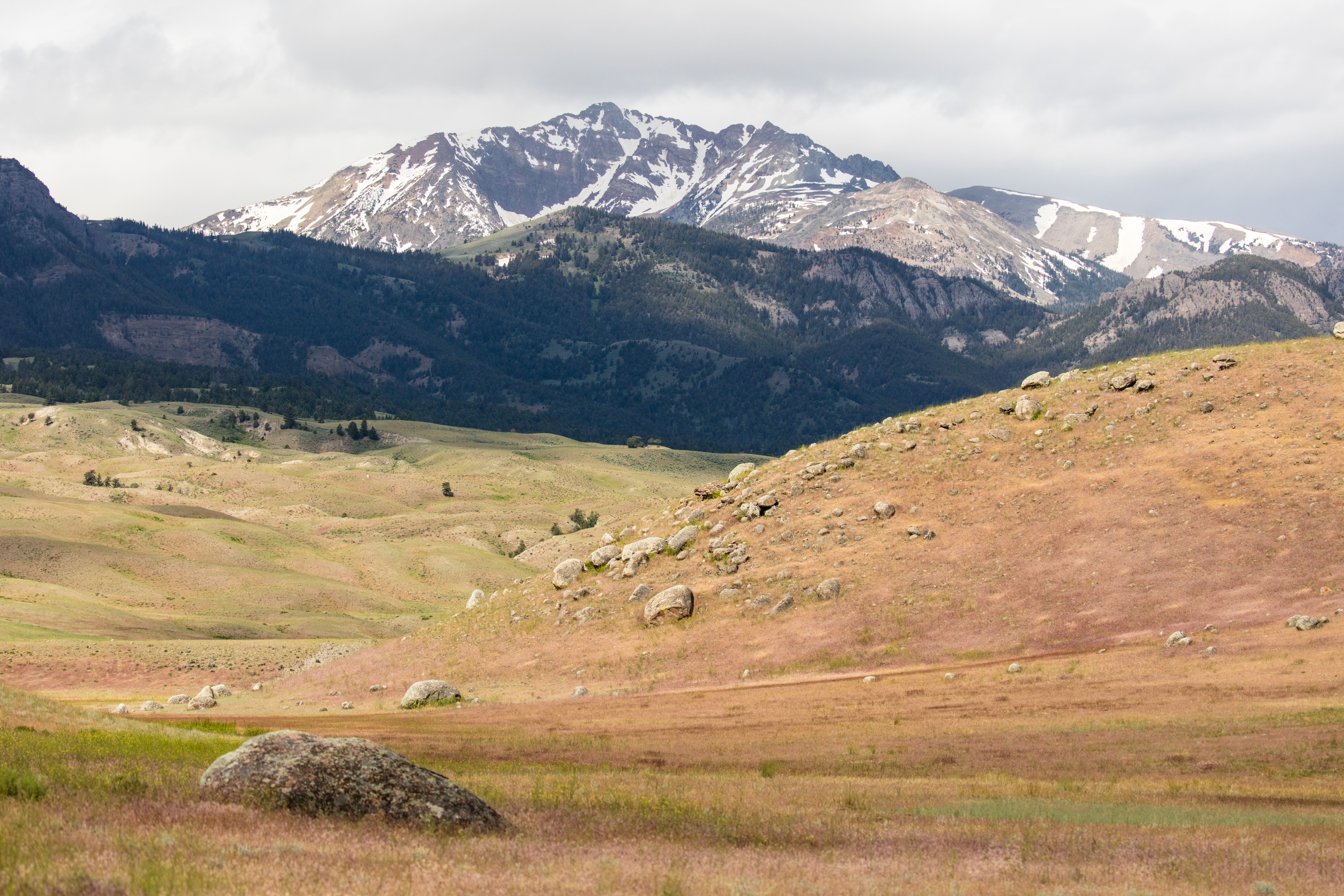
The upper ridge and summit are fully exposed with no shelter. Afternoon thunderstorms roll in fast during July and August — if you see clouds building over the Gallatins, start descending immediately. Lightning on a bare summit is no joke.
Navigation on the loop can get tricky, especially on the Snow Pass descent where social trails branch off. Bring a proper topo map or downloaded GPS track — cell service is nonexistent and trail signs are sparse above treeline.
Trail Details
Pro Tips
Hike the loop clockwise — the eastern approach gains elevation more gradually through forest, saving the steeper but more scenic western descent for tired legs when you'll appreciate the views.
There's no reliable water above the first couple of miles, so carry at least three liters per person. The exposed summit ridge and alpine meadows offer zero shade, and dehydration sneaks up fast at altitude.
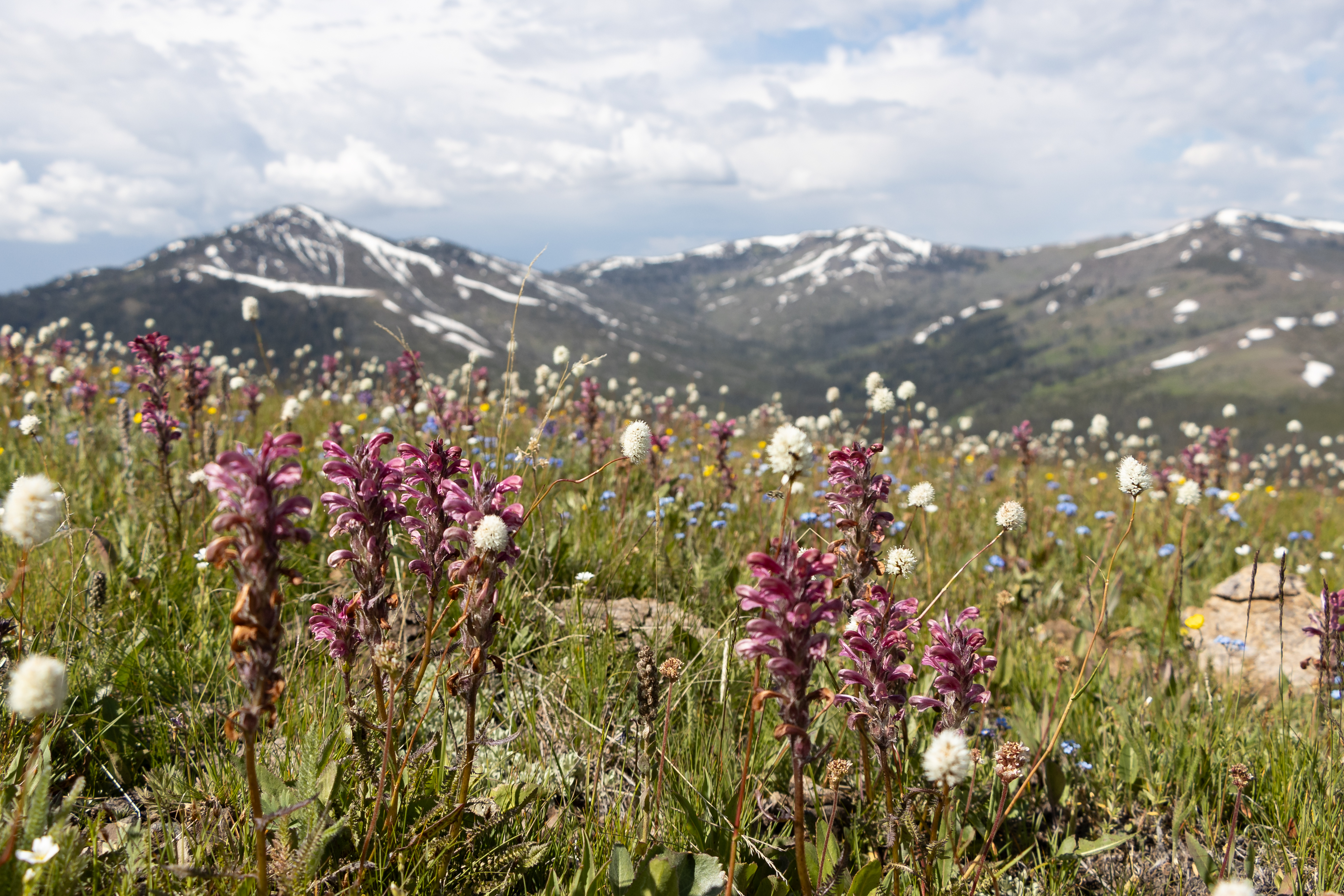
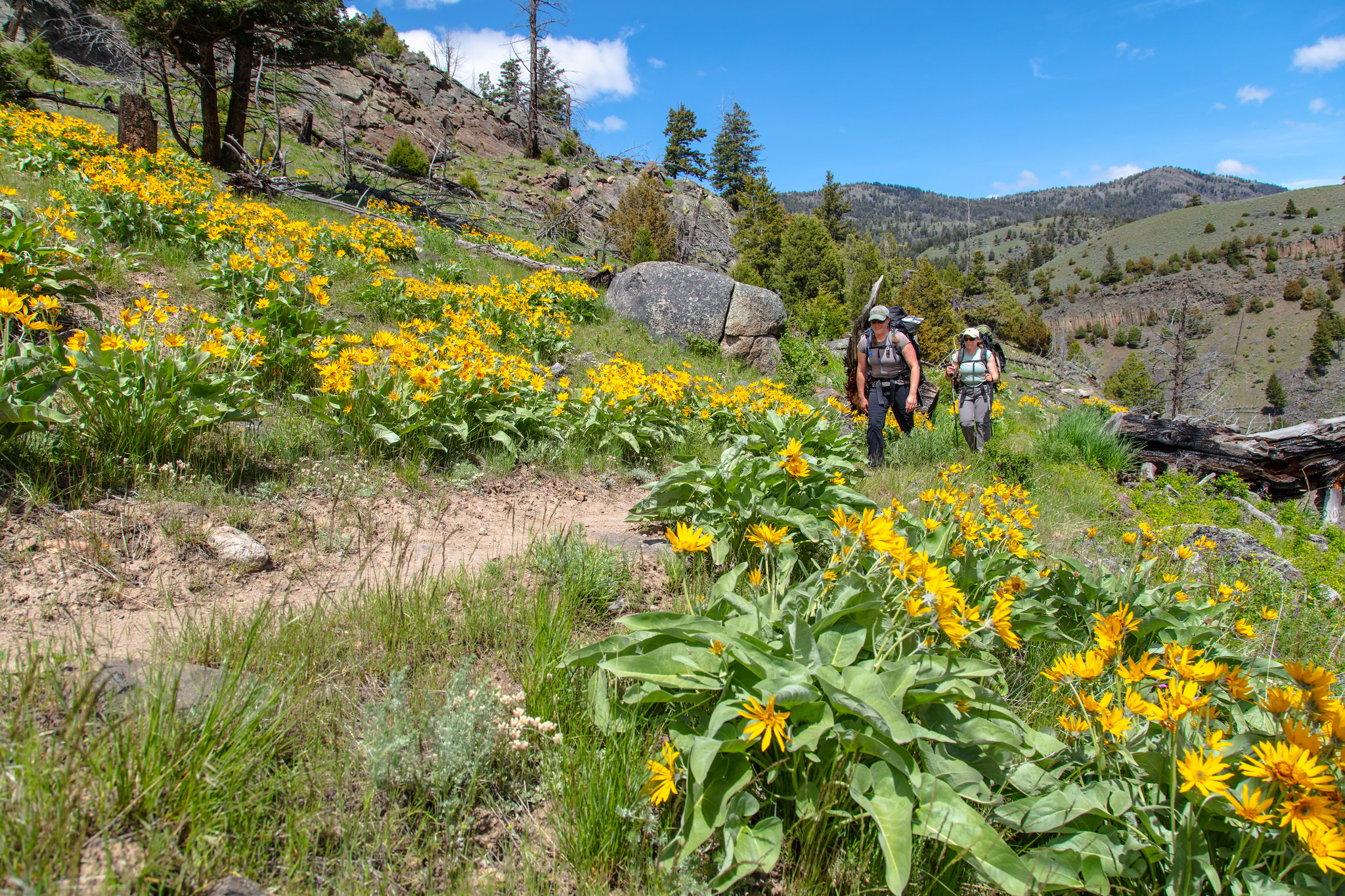
The summit panorama is the obvious photo stop, but the real magic is the meadow traverse on the Snow Pass side around mid-July — lupine, Indian paintbrush, and arrowleaf balsamroot with the Gallatin Range as a backdrop. Arrive before noon when the light still has some angle to it.
Photos
 NPS / Jacob W. Frank