3 National Parks That Stay Cool in Summer
Three national parks where March means mild temps, thin crowds, and no need to wait for summer
March is when the mainland national parks shake off winter and start planning for the summer onslaught. But three parks never got the memo about seasonal extremes. While Yellowstone thaws and Yosemite braces for Memorial Day crowds, these three stay temperate year-round, and March puts you squarely in their sweet spot.
You won't find alpine meadows or desert wildflowers here. What you will find: ocean breezes that keep temperatures in the low 70s, volcanic craters above the clouds, and ferry rides to islands most Americans have never heard of.
Channel Islands National Park
Five islands 12 miles offshore / Almost nobody goes
Channel Islands requires effort before you even step onto a trail. You book a ferry or charter boat, pack everything you need for the day, and accept that weather conditions might strand you on an island overnight. That barrier keeps visitation lower than nearly any other national park in the system. March amplifies the solitude because most visitors wait for summer, even though summer brings fog that can smother the islands for days.
You'll hear the sea lions barking from the boat landing before you see them sprawled across the rocks like they own the place — because they do.
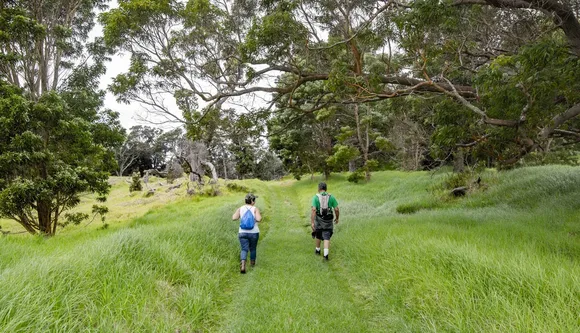
Santa Cruz Island, the largest and most accessible, delivers endemic island foxes the size of housecats and the Prisoner's Harbor to Chinese Harbor Trail, a nine-mile traverse through coastal bluffs and canyon woodlands. Anacapa Island sits closer to the mainland and offers a half-mile loop from the landing cove past the lighthouse, perfect if you're testing the waters before committing to a longer island stay. March temperatures hover in the mid-60s, and the spring wildflowers start showing up on the grassy slopes. The boat ride alone justifies the trip: dolphins, gray whales on their northbound migration, and views of the coastline that make Los Angeles feel like another planet.
Haleakalā National Park
Summit at 10,000 feet / Rainforest at sea level / All in one morning
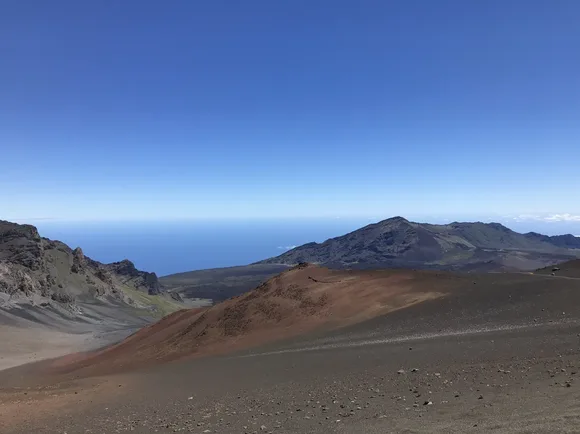
Haleakalā means "House of the Sun," and the summit sunrise draws enough crowds that the park now requires reservations between 3 AM and 7 AM. But March sits outside the peak tourist wave, and if you skip the sunrise circus altogether, you'll find the crater rim trails nearly empty by mid-morning. The summit temperature in March averages in the low 40s at dawn, climbing to the mid-50s by afternoon. You're standing above the cloud layer, looking into a volcanic depression so large it could swallow Manhattan.
The Sliding Sands Trail drops into the crater through cinder fields that look more like Mars than Hawaii, and every step crunches underfoot like walking on cornflakes.
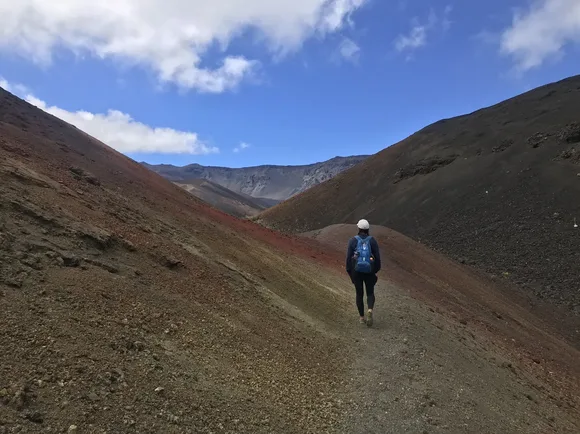
The Kīpahulu district sits on the opposite side of the mountain, accessible only by the winding Hana Highway. Here you're back at sea level, walking through bamboo forests to tiered waterfalls and swimming holes. March brings enough rain to keep the waterfalls impressive without flooding the trails. The whiplash between alpine desert and tropical rainforest happens faster than your ears can adjust to the elevation change. Most visitors commit to either summit or Kīpahulu, but if you have a full day and don't mind three hours of driving, you can do both.
Hawaiʻi Volcanoes National Park
Two active volcanoes / Lava flows you can walk across / March is the quietest month
Hawaiʻi Volcanoes sits at the intersection of creation and destruction. Kīlauea has been erupting on and off since 1983, reshaping the landscape faster than mapmakers can update their charts. March is statistically the park's quietest month, which matters here because the popular sites like Thurston Lava Tube and the Kīlauea Iki Trail can feel shoulder-to-shoulder during December and summer. The weather stays mild year-round, with daytime highs in the low 70s at lower elevations and cooler temperatures as you climb toward the summit.
Walking across the Kīlauea Iki crater floor feels like trespassing on a planet still under construction — steam vents hiss, the ground radiates heat, and the solidified lava lake cracks under your boots.
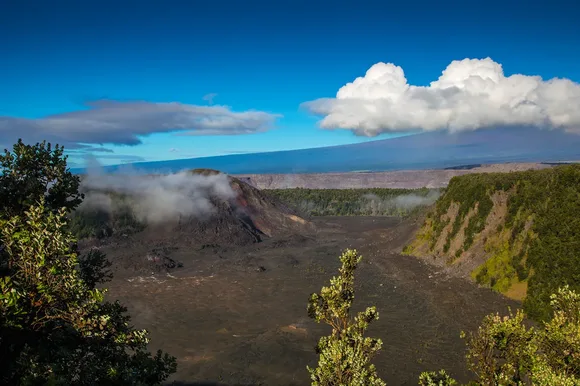
The park contains more trail miles than some entire states have in their park systems. The Crater Rim Trail loops eleven miles around Kīlauea Caldera, passing steam vents, sulfur deposits, and viewpoints into the crater itself. Chain of Craters Road descends from the summit to the coast, dropping through multiple climate zones and ending at a 2003 lava flow that buried the road. Rangers lead daily walks through the Thurston Lava Tube, a cave formed when the outer layer of a lava flow cooled while molten rock continued flowing inside. Kids treat it like a natural theme park, and for once, the hype matches reality.