3 Parks at Their Best Right Now
Three parks where March weather works and crowds don't: caves that never change temperature, California islands, and active volcanoes
March splits the difference between winter's rain and summer's peak season chaos. While most visitors chase wildflowers in April or book summer vacations months in advance, March offers something better: weather that actually works and parks where you won't spend half your day looking for parking.
These three parks hit their stride right now. The caves stay the same temperature year-round, the Channel Islands shake off winter storms without the July crowds, and Hawaii's volcanoes become more approachable as visitor numbers dip to their annual low.
Carlsbad Caverns National Park
Constant 56 degrees underground / Draws fewer people than a mid-sized college town
The Big Room sits deeper underground than the Washington Monument stands tall, stretching across an area large enough to fit six football fields. You'll descend through the Natural Entrance along switchbacks that drop the length of a 75-story building, watching daylight fade as the cave's constant temperature takes over. March brings perfect conditions on the surface too: highs in the mid-60s across the Chihuahuan Desert, low enough that the mile-long hike along Guadalupe Ridge Trail feels comfortable rather than punishing.
The cave's formations grew from sulfuric acid eating through limestone, not the slow drip of water that shapes most caverns.
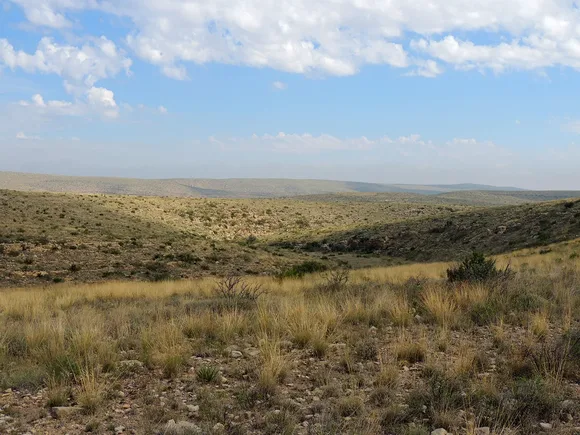
Most people ride the elevator down and walk the paved Big Room loop, which takes about an hour and requires no caving experience whatsoever. The ranger-guided King's Palace Tour takes you deeper into decorated chambers where calcite formations hang from ceilings 80 feet overhead. Book it online before you arrive, since slots fill up days in advance even in March. The bats won't return until mid-April, so you'll miss the evening flight program, but you'll also miss the crowds that show up for it.
Channel Islands National Park
Five islands an hour offshore from Los Angeles / More endemic species than any other national park
The boat ride from Ventura Harbor takes 90 minutes to Anacapa Island, less if you're heading to Santa Cruz. March weather sits right at the edge of unpredictable: calmer seas than winter but not yet the flat glassy conditions of May. You'll want to take Dramamine regardless. Once you land, though, you'll find trails and coastline with the kind of elbow room that disappeared from mainland California decades ago. The island fox population barely registers human presence, treating hikers like mildly interesting obstacles rather than threats.
California claims 840 miles of coastline, but these five islands hold more wilderness than everything between San Diego and San Francisco.
Santa Cruz Island offers the most variety: the Prisoner's Harbor to Chinese Harbor Trail covers nine miles through island chaparral and along sea cliffs where you'll spot brown pelicans and cormorants. Anacapa Island works better for day trips and families, with a short loop trail to sea arch overlooks where harbor seals haul out on rocks below. The Park Service limits daily visitor numbers through boat capacity, so crowding never becomes an issue. You won't find a parking problem because you won't find parking at all.
Hawaiʻi Volcanoes National Park
Two active volcanoes / More trail miles than Yellowstone has geysers
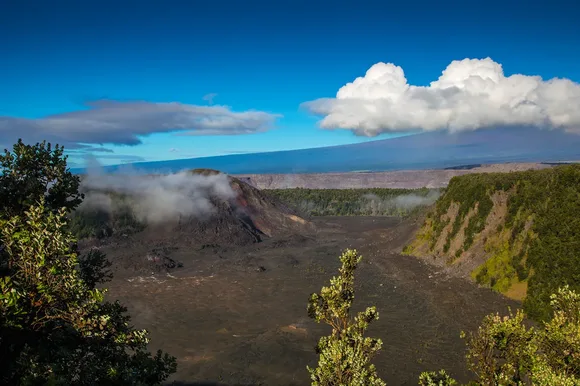
Kīlauea Caldera still steams from its 2018 collapse, when the summit dropped as much as a 50-story building and reshaped the entire crater. You can drive Crater Rim Trail's paved section to overlooks where sulfur dioxide vents rise from cracks in fresh rock, or hike into Kīlauea Iki crater across a lava lake that solidified in 1959. March sits right between peak holiday season in December and the quiet shoulder months of spring, so you'll deal with tour buses at major stops but find solitude on any trail longer than two miles.
The park stretches from sea level to alpine desert at 13,000 feet, crossing more climate zones than the drive from Georgia to Maine.
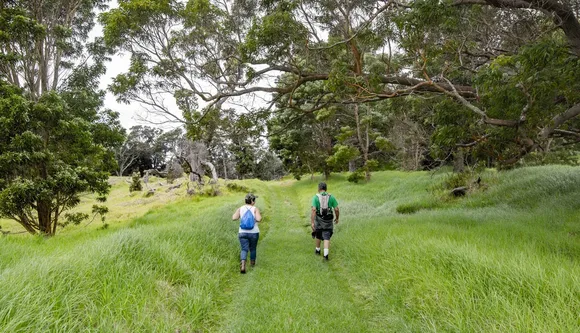
Thurston Lava Tube offers the easiest introduction to volcanic formations: a 500-foot walk through a cave created when the outside of a lava river cooled while the inside kept flowing. Kids can touch the walls without helmets or guides. For something more substantial, the four-mile Kīlauea Iki Trail descends through rainforest before crossing the crater floor where steam still rises from vents. Chain of Craters Road drops 3,700 feet to the coast, passing petroglyphs and lava flows from different centuries. The drive takes two hours round-trip if you don't stop, which you will.