5 parks that earn September to themselves
Five parks where September solves the summer problems: cooler temps, thinner crowds, and logistics that finally make sense
September is when the national parks exhale. Summer's crush thins, fall color starts creeping into higher elevations, and temperatures settle into the sweet spot where you can hike all day without plotting your route around shade. But not every park benefits equally from shoulder season. Some places just trade one problem for another: thinner crowds but rain-soaked trails, cooler mornings but closed roads.
These five parks hit their stride in September. The weather cooperates, the crowds disperse, and the logistics that make summer visits feel like military operations suddenly become manageable again.
Zion National Park
Third-busiest park in the system / September cuts the crowds in half
Zion in summer is a parking nightmare wrapped in a shuttle queue. Angels Landing permits disappear in seconds, The Narrows fills with shoulder-to-shoulder waders, and the Scenic Drive shuttle runs like a subway at rush hour. September changes the math. Temperatures drop from triple digits to the mid-80s, the Virgin River runs clear and cool instead of muddy and swollen, and you can actually find a campsite without booking six months ahead.
The slot canyons that feel claustrophobic in July open up in September when half the visitors vanish and the light softens.
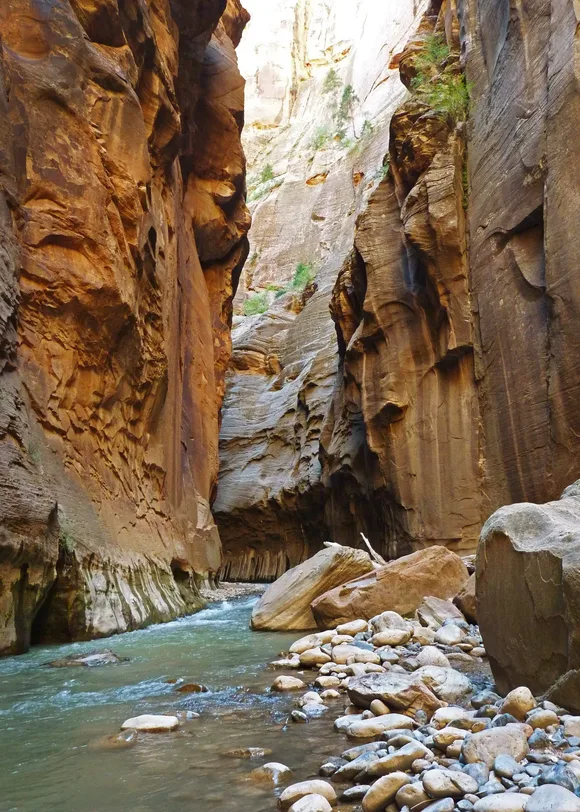
The Narrows becomes the hike it's supposed to be: a wade through chest-deep pools with canyon walls rising a thousand feet on either side, not a conga line of rental wetsuits. You'll still share the trail, but you won't spend the day waiting for groups to clear the frame. Pa'rus Trail offers an easier option for families, paved and stroller-friendly along the Virgin River with cottonwoods starting to turn gold by month's end.
Arches National Park
Over 2,000 natural stone arches / Summer heat gives way to perfect hiking weather
Arches bakes in summer. The red sandstone absorbs heat like a storage heater, and afternoon temperatures regularly hit the mid-90s with zero shade on most trails. September drops daytime highs into the 80s and pushes sunsets later, giving you more usable daylight for the longer hikes. The park still draws crowds to Delicate Arch, but the timed entry system that chokes summer access disappears after Labor Day.
Delicate Arch at sunset in September means sharing the bowl with dozens instead of hundreds, and you can actually hear the silence between camera clicks.
Devils Garden Trail stretches over seven miles to eight named arches, but most visitors turn around at Landscape Arch. Push past it in September and you'll have the trail nearly to yourself. The sandstone fins and narrow passages through the Fiery Furnace cool down enough for ranger-led tours without the risk of heat exhaustion. Kids love the short scramble to Sand Dune Arch, tucked between fins where wind-blown sand has collected into a pocket playground.
Rocky Mountain National Park
More trail miles than many states have highways / Elk rut peaks in mid-September
Trail Ridge Road stays open through September most years, giving you access to alpine tundra above treeline without the afternoon thunderstorms that make July hikes a gamble. The high country begins its color shift: tundra grasses turn rust and gold, aspen groves at lower elevations start their transformation, and morning frost dusts the peaks. But the real draw in September is the elk rut. Bull elk bugle across Moraine Park and Horseshoe Park at dawn and dusk, a sound that carries for miles and turns routine wildlife viewing into something primal.
You haven't experienced Rocky Mountain until you've heard a bull elk bugle echo off granite walls at sunrise in Horseshoe Park.
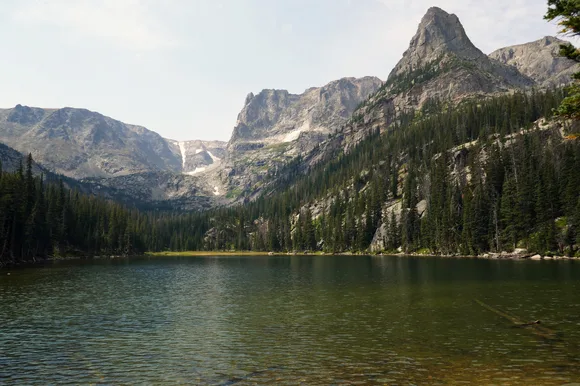
Bear Lake Trail offers an easy loop for families, paved and accessible with the Keyboard of the Winds and Hallett Peak reflected in the water. Push beyond it to Emerald Lake or Sky Pond and you'll find trails that were packed in July now pleasantly uncrowded. The timed entry system that controls summer access ends after Labor Day, so you can enter the park without reservations and actually find parking at popular trailheads by mid-morning.
Yosemite National Park
Granite walls 3,000 feet high / Waterfalls fade but crowds follow
Yosemite's waterfalls peak in May and June, then fade to trickles by September. Yosemite Falls often dries up completely, and Vernal Fall runs thin. But what you lose in whitewater you gain in elbow room and temperatures that make Valley hikes bearable. The granite walls still rise 3,000 feet above the Merced River, Half Dome still dominates the skyline, and September light hits El Capitan at angles that summer crowds never see.
The Mist Trail in September trades the drenching spray of Vernal Fall for dry stone staircases and views you can actually photograph without rain on your lens.
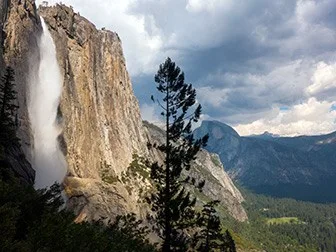
Half Dome permits become easier to secure through the preseason lottery, and the cables route sees fewer bottlenecks without July's shoulder-to-shoulder traffic. Mariposa Grove reopens to quiet wandering among giant sequoias, where the Grizzly Giant has stood for over 1,800 years. Valley Loop Trail gives families an easy bike ride along the Merced River with access to Mirror Lake and views of Sentinel Rock without the summer parade.
Glacier National Park
Twenty-six glaciers remain from 150 / Going-to-the-Sun Road stays open through late September
Glacier's high season compresses into July and August when Going-to-the-Sun Road fully opens and Logan Pass becomes accessible. September extends that window without the crowds. The road typically stays open through late September, weather permitting, and you can drive the full route without the bumper-to-bumper crawl that defines summer traffic. Alpine meadows shift from wildflowers to fall color, and larches turn gold across the high country.
Hidden Lake Overlook in September means watching mountain goats graze against a backdrop of golden larches instead of navigating through crowds at the Logan Pass trailhead.
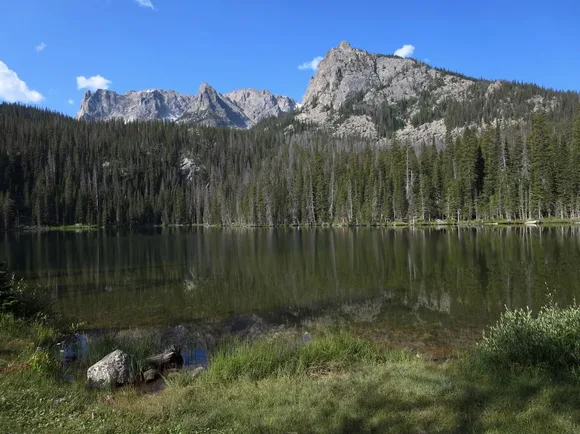
Grinnell Glacier Trail stretches over ten miles through Many Glacier Valley, past turquoise lakes fed by glacial melt. September crowds thin enough that you can hike without the constant leapfrogging of slower groups. Iceberg Lake holds floating ice chunks even in September, a surreal sight ringed by cliffs that rise 3,000 feet. Families can stick to the Trail of the Cedars boardwalk or Lake McDonald's shoreline, where access stays easy and views stretch across water to peaks still dusted with early snow.