5 Parks Where Spring Arrives First
Five national parks where warm weather, wildflowers, and empty trails arrive in February and March
Spring arrives unevenly across the national park system. While the Rockies stay locked in snowpack through May, a handful of parks hit their stride in February and March — warm enough to hike all day, cool enough to sleep through the night, and green enough to feel like the desert is showing off.
These five parks peak before the calendar says spring has even started. You'll find wildflowers in March, comfortable temperatures when the rest of the country is still thawing, and the kind of solitude that disappears once word gets out.
Big Bend National Park
Three times the size of San Antonio / So remote most Texans have never been
Big Bend sits in the least populated corner of Texas, five hours from anywhere that shows up on a weather map. That isolation keeps crowds thin even in March, when the Chihuahuan Desert explodes with ocotillo blooms and the Chisos Mountains turn a softer shade of green. You can hike the Window Trail on a perfect 70-degree morning and pass fewer than a dozen people, even though it's the park's most popular route. Santa Elena Canyon holds its drama year-round, but in early spring the Rio Grande runs high enough to make the approach feel earned — you'll wade through ankle-deep water before the canyon walls rise 1,500 feet on either side.
The desert doesn't do subtle in spring — it goes from brown to blazing with wildflowers in the span of two weeks.
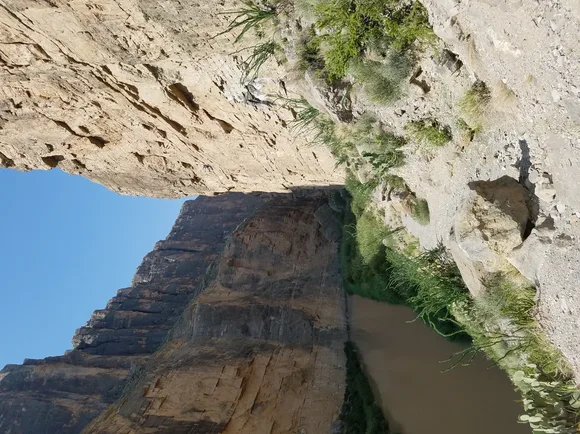
February and March bring daytime highs in the mid-70s and nighttime lows that dip into the 40s, which means you can backpack the Outer Mountain Loop without carrying gallons of water or collapsing from heat exhaustion. Bird watchers swarm the park during this window — Big Bend records more species than any other park, and spring migration turns the Rio Grande corridor into a layover hub for everything from vermilion flycatchers to Colima warblers. The park feels vast enough to absorb everyone who shows up, which isn't many to begin with.
Joshua Tree National Park
Two hours from Los Angeles / Wildflower bloom starts in February
Joshua Tree gets busy in March, but February offers a narrow window when the park still feels manageable. The desert begins blooming earlier than most visitors expect — brittlebush, desert dandelion, and cholla light up the bajadas by mid-February if winter rains cooperate. Temperatures hover in the 60s during the day, cool enough for the strenuous push up Ryan Mountain or the longer slog to Lost Palms Oasis. Hidden Valley Loop gives you the park's signature granite formations without the elevation gain, and Barker Dam holds water through spring, pulling in bighorn sheep and migratory birds.
The Joshua trees look almost prehistoric in early spring light — gnarled arms reaching up like they're testing the air for rain.
The park's two-desert ecosystem means you get different blooms depending on elevation. The higher Mojave Desert section stays cooler and greener longer, while the lower Colorado Desert heats up fast once April arrives. Skull Rock and Keys View draw steady traffic, but trails like Fortynine Palms Oasis stay quiet even during peak season. Rock climbers flood the campgrounds on weekends, but weekdays in February offer enough breathing room to snag a walk-up site at Jumbo Rocks or Hidden Valley if you arrive before noon.
Saguaro National Park
Tucson splits the park in half / Blooms peak in April
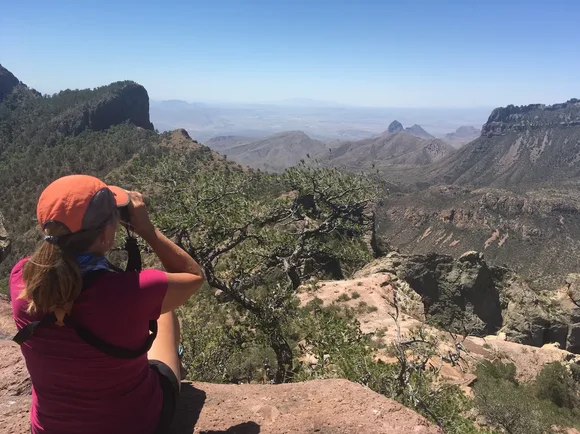
Saguaro's two districts sit on opposite sides of Tucson, which makes visiting feel more like running errands than entering wilderness. But the park redeems itself in spring, when the namesake cacti bloom with white flowers that open at night and close by noon. March brings ideal hiking weather — mornings in the 50s, afternoons in the 70s — before the Sonoran Desert turns punishing in May. The park gets packed on weekends, especially the more accessible Tucson Mountain District to the west, but early morning starts on trails like Hugh Norris or Sendero Esperanza put you ahead of the crowds.
A 200-year-old saguaro can weigh as much as a car, all of it water and survival instinct.
The Rincon Mountain District to the east offers more elevation and longer trails, including the chance to climb into ponderosa pine forests if you're willing to put in the miles. But most visitors stay low, cruising the paved Cactus Forest Loop and stopping at pullouts to photograph the densest stands of saguaros you'll find anywhere. Valley View Overlook Trail gives you the park's signature vista in a one-mile round trip, and the Desert Discovery Trail adds interpretive signs that explain why these cacti take 75 years to grow their first arm.
Guadalupe Mountains National Park
Texas's highest peak / Fewer visitors than most state parks
Most people drive past Guadalupe Mountains on their way to Carlsbad Caverns and never realize they're missing one of the least-visited parks in the system. The Guadalupe Peak Trail climbs 3,000 feet in just over four miles, topping out at the highest point in Texas with views that stretch into New Mexico. March offers cool mornings for the ascent, though wind at the summit can still knock you sideways. McKittrick Canyon holds the park's most reliable water and the best spring color — bigtooth maples and Texas madrones line the canyon floor, and the creek runs clear enough to see every stone on the bottom.
You're hiking through an ancient ocean reef that's been lifted, exposed, and carved into one of the least-known mountain ranges in America.
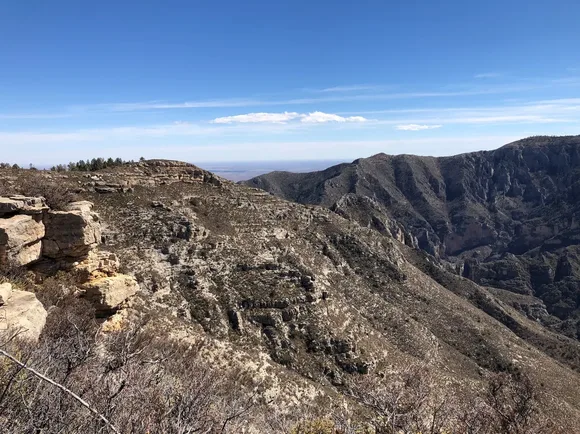
The park feels empty even during its busiest month, which tells you something about how far off the map it sits. Devil's Hall Trail takes you through a narrow slot canyon flanked by 265-million-year-old limestone, and you might not see another person the entire hike. The Permian fossil reef that forms these mountains holds more marine fossils than you can count, though most require a trained eye to spot. Spring temperatures make the exposed trails tolerable — summer heat turns the same routes into endurance tests with no shade and limited water sources.
Dry Tortugas National Park
70 miles west of Key West / Accessible only by boat or seaplane
Dry Tortugas rewards the effort it takes to reach it. The ferry from Key West takes two and a half hours each way, and the seaplane costs enough to make you consider whether you really need to see a fort surrounded by turquoise water. But once you step onto Garden Key, the 19th-century bulk of Fort Jefferson rising six stories from the sand, the trip justifies itself. March brings calm seas, temperatures in the high 70s, and bird migrations that turn the islands into a stopover for species heading north from the Caribbean. The snorkeling around the fort's moat walls shows off coral formations and tropical fish that look airbrushed.
Fort Jefferson is the largest masonry structure in the Western Hemisphere, and it was never finished, never attacked, and never mattered strategically.
The park holds just eight campsites, first-come basis, which means most visitors come for the day and leave on the afternoon ferry. If you camp, you get the fort to yourself after 5 PM — empty brick corridors, a beach that glows under starlight, and silence broken only by waves and seabirds. The park's coral reefs stay protected enough to offer some of the best snorkeling in the Florida Keys, though you'll need to bring your own gear. Spring offers the best visibility before summer storms churn up the water and hurricane season shuts down ferry service.