5 parks where summer solstice is worth the trip
Alaska's parks hit their stride at solstice, when daylight stretches past midnight and the crowds haven't arrived yet
Summer solstice in the Lower 48 means peak crowds, reservation lotteries, and sunrise alarm clocks you'll regret. Alaska offers a different equation: June is the sweet spot before the peak season rush, when daylight stretches past midnight and the tundra blooms in fast-forward. You'll trade accessibility for light, and the math works out in your favor.
These five parks hit their stride when the rest of the country is just warming up. June gives you calving glaciers, bear congregations at salmon runs, and hiking conditions that won't return until next year. The solstice isn't just a calendar curiosity here; it's the reason to go.
Denali National Park & Preserve
Larger than New Hampshire / Twenty-two hours of daylight at solstice
The Park Road opens in stages through late May, and by solstice you can reach the Eielson Visitor Center at mile 66, where Denali fills the entire northern horizon when the clouds cooperate. June brings wildflowers across the tundra and caribou calves that haven't yet learned to fear the bus windows. Grizzlies dig for ground squirrels in the open valleys, and you'll watch them from a safe distance while other passengers fumble with telephoto lenses. The mountain hides behind weather more often than it reveals itself, but the park never promised you a postcard.
Denali at solstice feels less like a park and more like a negotiation with geography — the mountain sets the terms, and you adjust.
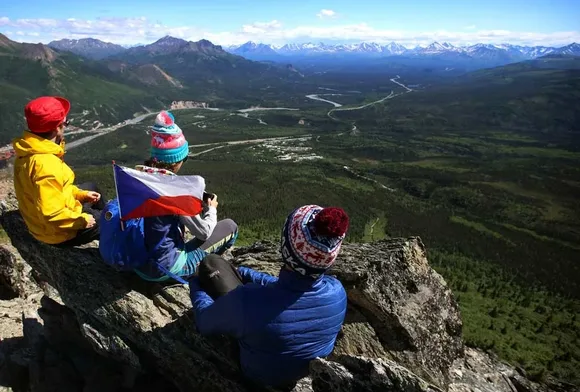
June temperatures hover in the 50s and 60s, warm enough for day hikes without the August mosquito swarms that can turn a tundra walk into an endurance test. The park absorbs its half-million annual visitors across millions of acres, so even on a busy shuttle bus, you'll find space to breathe. Most people never leave the road corridor, which means backcountry permits are easier to secure than in peak summer. Mount Healy Overlook Trail offers alpine views without the bus ticket, and the Savage River Loop puts you on tundra within two miles of pavement.
Katmai National Park & Preserve
North America's largest brown bear population / Salmon runs start in June
Brooks Falls gets the Instagram fame, but June is when you'll actually have room to watch bears without elbowing through a viewing platform crowd. The early salmon runs bring bears to the river before peak July chaos, and the light lasts long enough to make an afternoon floatplane departure feel premature. Brown bears fish with varying degrees of competence — some snatch salmon mid-leap, others wade around looking confused — and the platform gives you a front-row seat to both. Rangers enforce strict protocols, which means you'll feel safer here watching apex predators than you would crossing a busy street.
Brooks Falls in June is what wildlife television promises but rarely delivers: bears so focused on fishing they treat you like part of the landscape.
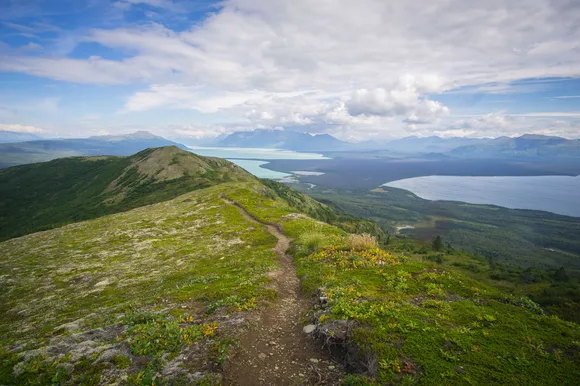
The Valley of Ten Thousand Smokes sits thirteen miles up a rugged road from Brooks Camp, accessible by park bus, and the volcanic ash landscape looks more like Mars than Alaska. The 1912 Novarupta eruption buried forty square miles in pyroclastic flow, and a century later the recovery is still unfolding in slow motion. You can hike down into the valley on routes that never see trail maintenance because there's no vegetation to overgrow them. June weather sits in the low 60s, cool enough for layered hiking without the raw wind that batters the coast in shoulder seasons.
Glacier Bay National Park & Preserve
Fifteen tidewater glaciers / Reachable only by boat or floatplane
Glacier Bay calves ice into the ocean with the irregular rhythm of a broken clock — sometimes every few minutes, sometimes every few hours, always without warning. June puts you on the water when humpback whales return to feed, and the tour boats from Bartlett Cove navigate close enough for whale breath to drift across the deck. The park stretches across a 65-mile fjord system, and the cruise ships that dock here in summer haven't yet reached peak season density. You'll share the bay with researchers, kayakers, and passengers who booked their cabins before realizing they'd need to tender ashore.
Tidewater glaciers don't photograph well — the scale breaks cameras, and the sound of calving ice rewires your understanding of geological time.
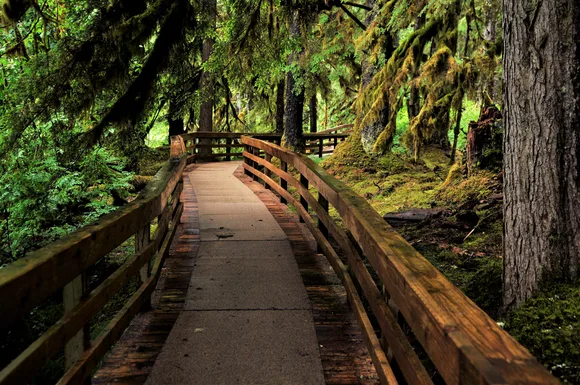
The temperate rainforest around Bartlett Cove feels improbable this far north, with Sitka spruce and hemlock dense enough to block the sky. The Forest Loop Trail winds through moss-draped woods where you'll trade glacier views for the kind of green that doesn't exist in the Lower 48. June temperatures top out around 60 degrees, and rain gear isn't optional — this is Southeast Alaska, where precipitation is measured in feet per year, not inches. Most visitors never set foot on land, which means the trail system stays quiet even when the bay fills with boats.
Kenai Fjords National Park
Alaska's only road-accessible glacier / Exit Glacier retreating 50 feet per year
Exit Glacier has retreat markers dating back to the 1800s, and the walk from the parking lot to the current terminus passes signposts that document ice loss in terms even climate skeptics can't dismiss. The Harding Icefield Trail climbs four miles and gains over 3,000 feet, topping out on a plateau of ice that feeds 38 glaciers. June snowpack lingers on the upper trail, so bring traction devices and don't attempt the full route unless you're comfortable with exposure and creek crossings swollen by melt. The view from the top justifies the effort: an ice field stretching to the horizon, broken only by nunataks that look like islands in a frozen ocean.
The Harding Icefield Trail teaches humility — you can train for elevation gain, but you can't prepare for the scale of ice that never seems to end.
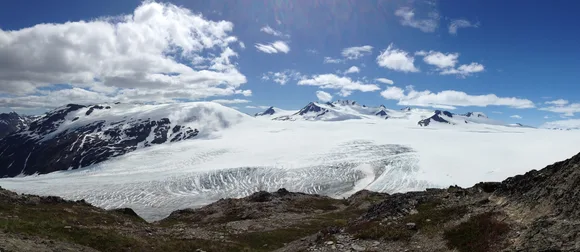
Boat tours from Seward navigate the fjords where glaciers calve into the ocean and sea otters float in kelp beds close enough to count whiskers. Puffins nest on rocky islands, and Steller sea lions haul out on wave-battered rocks in numbers that make the boat smell like low tide. June puts you on the water before peak season pricing kicks in, and the daylight means afternoon departures still return before sunset. The park's 300 square miles of icefield feed glaciers that are visibly shrinking, and the boat captains will point out fresh calving scars with the resignation of guides who've watched the same ice retreat year after year.
Gates Of The Arctic National Park & Preserve
Twice the size of Yellowstone / Fewer than 12,000 visitors per year
Gates of the Arctic has no trails, no campgrounds, and no cell service — just the Brooks Range rising through valleys where caribou migrations follow routes older than human memory. June solstice brings near-continuous daylight and the brief window when river crossings won't kill you, though the water stays cold enough to make hypothermia a constant calculation. You'll fly in on a bush plane from Bettles or Coldfoot, and the pilot will give you a satellite phone number to call when you're ready for pickup. This isn't a park for casual visitors; it's wilderness that requires navigation skills, bear awareness, and comfort with self-rescue.
Gates of the Arctic doesn't accommodate visitors — it tolerates them, and only if they come prepared to meet the land on its terms.
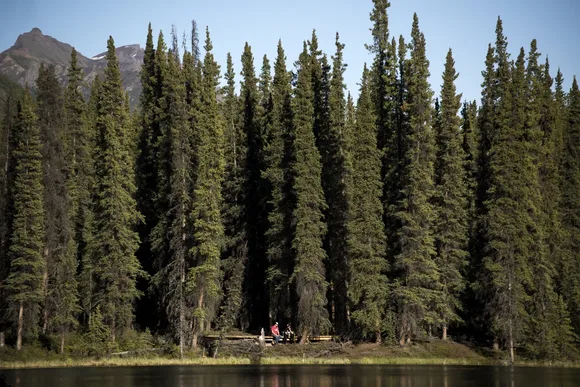
The Arrigetch Peaks rise like granite teeth from the tundra, and the valleys below hold lakes so clear you can see Arctic grayling from the shore. Dall sheep navigate ridgelines with the casual competence of animals born to vertical terrain, and grizzlies dig for roots in the open valleys where there's nowhere to hide. June temperatures reach the low 60s, warm enough for hiking but cold enough that snow lingers in the high passes. Most people who visit Gates of the Arctic never tell anyone about it — not because it's a secret, but because explaining it to someone who hasn't been feels impossible.