6 Family Parks This Summer That Won't Be Packed
Six national parks where summer crowds stay manageable and kids find caves, cliff dwellings, and petrified forests worth exploring
Most families booking summer vacations in March assume the popular parks will be manageable by June or July. They won't be. The Grand Canyon, Yellowstone, and Yosemite all see their biggest crowds between Memorial Day and Labor Day, when school schedules force families into the same narrow window. But six national parks offer better odds: manageable visitor numbers, kid-friendly features that don't require backcountry permits, and landscapes distinct enough that your children won't confuse them with every other canyon or mountain range.
These parks won't be empty. But they spread visitors across enough space or absorb crowds into underground chambers and sprawling deserts where you won't feel shoulder-to-shoulder at every viewpoint. If you're planning for summer and booking in March, these six give you better odds of actually enjoying the trip.
Carlsbad Caverns National Park
Underground chambers larger than football fields / Bat flights at dusk
The Big Room sits more than 700 feet below the Chihuahuan Desert, a limestone chamber so vast that the entire U.S. Capitol could fit inside it with room to spare. Most national park crowds disperse across miles of trails and viewpoints, but Carlsbad funnels everyone into a single underground route where the constant 56-degree temperature and paved walkways make it one of the most accessible experiences in the park system. Kids who complain about hiking will walk the 1.2-mile Big Room loop without realizing they've covered more ground than most family outings.
Sulfuric acid carved these chambers from the bottom up, not water from the top down, leaving formations that look like frozen waterfalls and alien landscapes.
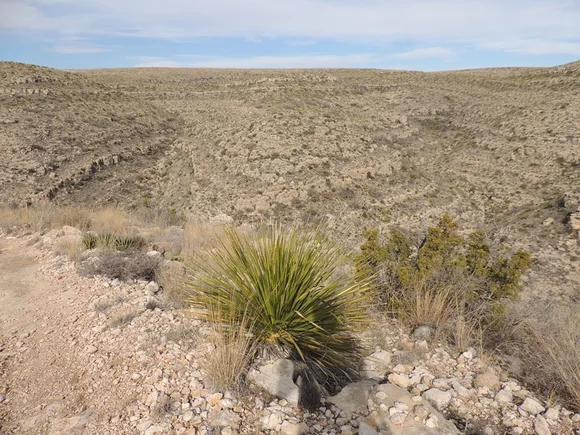
The Natural Entrance Trail drops 750 feet over a mile of switchbacks, descending through the cave's original mouth where 400,000 Mexican free-tailed bats pour out at sunset between May and October. The Bat Flight Amphitheater requires reservations during peak season, but summer evenings in July and August offer the most reliable shows. Above ground, the Guadalupe Ridge and Rattlesnake Canyon trails take you through desert terrain where most visitors never venture, but the cave remains the main event.
Death Valley National Park
Larger than Connecticut / March sees more visitors than any other month
Death Valley earns its name from June through September when ground temperatures hit 200 degrees and rescue helicopters pull out tourists who underestimated the heat. But March brings wildflower blooms across the basin floor and daytime temperatures in the 70s, making it the park's most popular month. The timing works for families because spring break aligns with the best weather, and the park's sheer size absorbs crowds better than narrow canyon parks. Badwater Basin, the lowest point in North America at 282 feet below sea level, sees steady traffic, but walk half a mile onto the salt flats and you'll have the cracked hexagons and mountain reflections to yourself.
The Mesquite Flat Sand Dunes offer the rare national park experience where kids can run wild without staying on a trail or risking a dangerous fall.
Zabriskie Point and Golden Canyon pull in photographers at sunrise, but the Racetrack Playa rewards families who make the rough dirt road drive with sailing stones that leave tracks across a dry lakebed. Rangers lead programs at Furnace Creek, and the Junior Ranger booklet keeps kids engaged during the long drives between features. Most families base themselves in Furnace Creek or Stovepipe Wells, where campgrounds fill up fast but offer proximity to the main attractions.
Everglades National Park
America's largest subtropical wilderness / Alligators guaranteed on the Anhinga Trail
The Everglades don't look like a national park at first glance. No mountains, no waterfalls, no overlooks where you can see fifty miles. Just a slow-moving river of sawgrass stretching to the horizon, punctuated by hardwood hammocks and mangrove coastlines. But the Anhinga Trail delivers what most families come for: alligators sunning on the banks within ten feet of the boardwalk, herons stalking fish in the shallows, and anhinga birds diving underwater then spreading their wings to dry. The 0.8-mile loop takes twenty minutes if you walk straight through, but you'll spend an hour watching wildlife that treats the boardwalk like furniture.
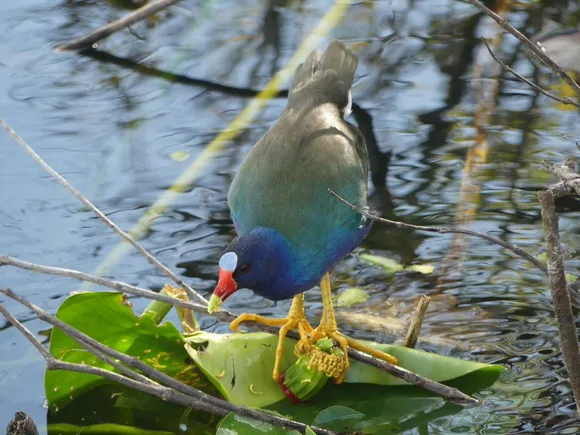
The River of Grass moves so slowly you can't see it flow, but it sustains more bird species than any other national park.
Shark Valley offers a 15-mile paved loop perfect for family bike rides, with tram tours available if your kids tire out. The observation tower at the halfway point gives you a view across the sawgrass where you'll understand why this place earns the nickname River of Grass. Ten Thousand Islands kayaking trips launch from Flamingo and Gulf Coast visitor centers, where manatees and dolphins appear between mangrove tunnels. March sits at the tail end of dry season, when receding water concentrates wildlife and mosquitoes haven't yet reached their summer swarm levels.
Grand Canyon National Park
277 miles of canyon carved by the Colorado River / The park's size keeps it from feeling packed
The Grand Canyon draws more visitors than any park on this list, but it doesn't feel as crowded as Yellowstone or Yosemite because the South Rim stretches for miles and most families cluster around a handful of viewpoints. March brings cooler temperatures and smaller crowds than summer, though snow can still close the North Rim entirely. The Rim Trail connects viewpoints along the South Rim for 12.8 miles, with paved sections accessible to strollers and wheelchairs. Your kids will handle short segments between Mather Point and Yavapai Point, where interpretive signs explain the rock layers and geologic time in terms they'll understand.
Standing at the rim doesn't prepare you for the scale—your brain keeps insisting the far wall is closer than ten miles away.
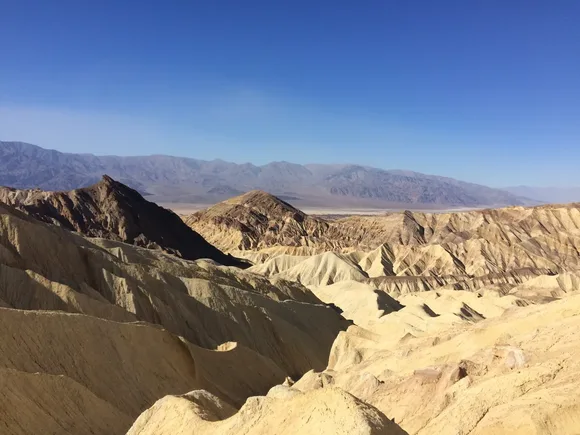
Don't attempt to hike to the river and back in a day, especially with kids. Rangers spend half their time rescuing visitors who underestimated the return climb. Instead, hike the first mile of Bright Angel Trail to the first rest house, where switchbacks and elevation change give families a taste of inner canyon hiking without the commitment. Desert View Drive takes you past overlooks and the historic watchtower, offering a less crowded alternative to the village area. Summer brings afternoon thunderstorms and heat that makes rim hiking more comfortable than inner canyon exploration.
Mesa Verde National Park
Seven hundred cliff dwellings carved into sandstone / Ladders and crawl spaces included
Mesa Verde gives kids what most national parks can't: the chance to climb ladders, duck through doorways, and explore structures that people actually lived in 800 years ago. Cliff Palace, the park's largest dwelling with 150 rooms, requires a ranger-guided tour where you'll climb 32-foot ladders and crawl through tight passages. Balcony House ups the adventure with a 60-foot open climb and a 12-foot tunnel exit. These aren't observation points behind railings—they're active exploration where kids feel like archaeologists.
The Ancestral Pueblo people built these dwellings in alcoves that face south, capturing winter sun while providing summer shade.
The Mesa Top Loop Road connects surface sites and pit houses where you can peer into kivas without joining a guided tour, making it ideal for families with younger children who can't handle the ladder climbs. Chapin Mesa Archaeological Museum offers context before you visit the cliff dwellings, with dioramas and artifacts that help kids understand how people farmed on the mesa tops while living in the cliffs. Summer temperatures in the high 70s make hiking comfortable, and June sees peak visitor numbers that remain manageable compared to canyon parks.
Petrified Forest National Park
225-million-year-old trees turned to stone / Painted Desert badlands in technicolor
The petrified logs scattered across this park aren't small pieces of fossilized wood—they're entire trunks wider than cars, turned to stone and split into segments that reveal crystalline interiors in red, purple, and yellow. Kids who find rocks fascinating will spend the entire visit asking how trees turned into rainbow-colored stone, and the answer involves volcanic ash, silica-rich groundwater, and millions of years of mineral replacement. The Blue Mesa Trail drops into badlands painted in layers of blue, purple, and gray, a one-mile loop where erosion carves new formations every year.
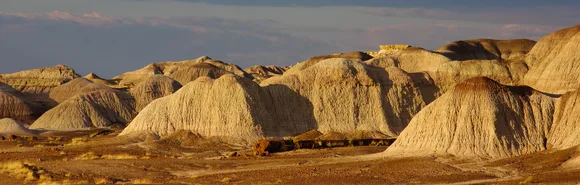
The Painted Desert looks like someone spilled a watercolor palette across the landscape and let it dry under the Arizona sun.
The 28-mile park road connects the Painted Desert in the north with the petrified wood concentrations in the south, with pullouts and short trails at each stop. Newspaper Rock offers petroglyphs visible from the overlook, while Long Logs Trail takes you through the park's densest concentration of petrified wood. March and summer months offer mild temperatures for hiking, though afternoon heat in July and August pushes most activity to morning hours. The park sees far fewer visitors than its Arizona neighbor to the west, and the lack of shade or water sources keeps casual tourists in their cars.