6 national parks where fall foliage arrives before September
Six national parks where aspens, tundra, and alpine meadows turn gold weeks before New England's maples wake up
Most people plan fall foliage trips for late October, when New England peaks and tour buses choke the Kancamagus Highway. But if you know where to look, September delivers color without the crowds: high-elevation parks where aspens turn gold weeks before the maples even notice.
These six parks hit their stride in early fall, when the weather cools just enough to make hiking comfortable and the first frosts trigger color at altitude. You won't find the fiery reds of Vermont here, but you will find trails to yourself and lodging you can actually book.
Shenandoah National Park
One hour from D.C. / 500 miles of trails / Color starts at the ridgeline
Skyline Drive runs the spine of the Blue Ridge for 105 miles, and in mid-September the first hints of yellow appear in the canopy along the highest elevations. It's not peak color yet, but that's the point: you can pull into an overlook at 10 AM on a Saturday and find parking. The park's proximity to Washington means October weekends turn into gridlock, but September still feels like a secret.
The hollows stay green while the ridgelines turn gold, creating a gradient that shifts with every thousand feet of elevation.
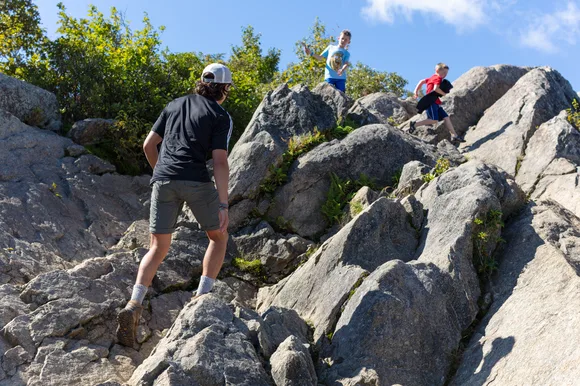
Old Rag's boulder scramble is the park's signature hike, but Dark Hollow Falls offers the same autumn forest with a fraction of the effort. The 1.4-mile trail drops through oak and hickory to a 70-foot cascade, and in September the creek still runs strong from summer rain. Kids handle the descent easily, though the climb back up makes them earn their Junior Ranger badges.
Rocky Mountain National Park
Tundra turns first / Aspens peak before the month ends / Trail Ridge Road closes in October
The alpine tundra above treeline doesn't wait for anyone. By early September, the dwarf willows and sedges shift to burgundy and rust, creating a carpet of color that most people miss entirely because they're staring at the aspens. Trail Ridge Road crosses the tundra for 11 miles above 11,000 feet, and a short walk from any pullout puts you in a landscape that looks more like Alaska than Colorado.
September is the only month when you can hike through gold aspens in the morning and crimson tundra by lunch.
The aspen groves along Bear Lake Road usually peak in the last week of September, turning the lower valleys into tunnels of gold. Dream Lake Trail threads through mixed forest where aspens punctuate the evergreens, and the contrast makes both more vivid. Arrive before 7 AM or take the park shuttle; the Bear Lake lot fills by 8 AM even in September.
Grand Teton National Park
Aspens at the base, snow on the peaks / Elk rut overlaps with color / Half the summer crowds
The Tetons don't do subtle. When the aspens turn in late September, they glow gold against granite that's already dusted with the season's first snow. The contrast is almost absurd, and every trail that climbs toward the high country delivers it. Cascade Canyon holds onto summer green longer than most, but the groves around Jenny Lake and Leigh Lake peak right on schedule.
You'll hear the elk bugling before you see them: bulls calling across meadows framed by aspens that look like they're on fire.
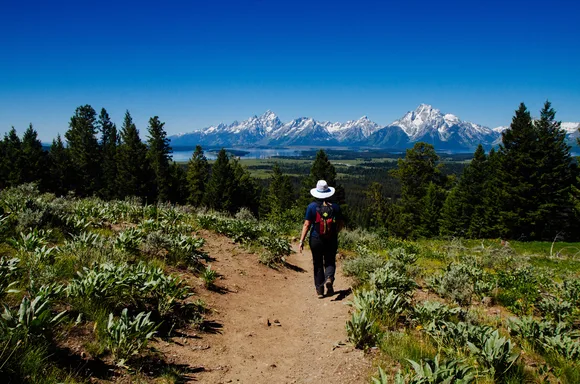
String Lake offers an easy loop through aspen groves with the Cathedral Group reflected in still water most mornings. It's flat enough for toddlers and short enough that you can do it twice if the light changes. The Laurance Rockefeller Preserve trails are slightly less trafficked and just as good for color, with interpretive signs that explain why aspens clone themselves and why all the trees in one grove turn at once.
North Cascades National Park
Larches turn gold above 6,000 feet / Fewer visitors than a state park / Most trails close by mid-October
Most people have never heard of North Cascades, which makes it the best deal in the national park system for fall hiking. The larches start turning in late September at the highest elevations, and unlike aspens, they're evergreens that drop their needles: entire ridgelines shift from green to gold to bare in the span of three weeks. Heather Pass Trail climbs into larch country, but it's a leg-burner that filters out the casual hikers.
Golden larches against jagged peaks and glaciers create a palette that doesn't exist anywhere else in September.
Cascade Pass is the park's most accessible high-elevation trail, a moderate 3.8-mile climb that delivers the full North Cascades experience: glaciers, wildflower meadows (still blooming in early September), and views that extend into Canada. Families with older kids handle it without issue, and the parking lot at the trailhead rarely fills even on weekends. Rainy Lake Loop offers a paved alternative for strollers and wheelchairs, circling a turquoise lake framed by old-growth forest.
Mount Rainier National Park
Huckleberries turn first / Paradise stays accessible / Wildflower meadows shift to rust and gold
The alpine meadows at Paradise don't just fade when summer ends; they transform. Huckleberry leaves turn crimson in early September, and the lupine stalks dry to gold and rust. It's not the classic fall foliage most people picture, but it's more dramatic: entire hillsides shift from green to a painterly mix of red and gold with the mountain looming white above.
September at Paradise means hiking through meadows that look like someone set them on fire.
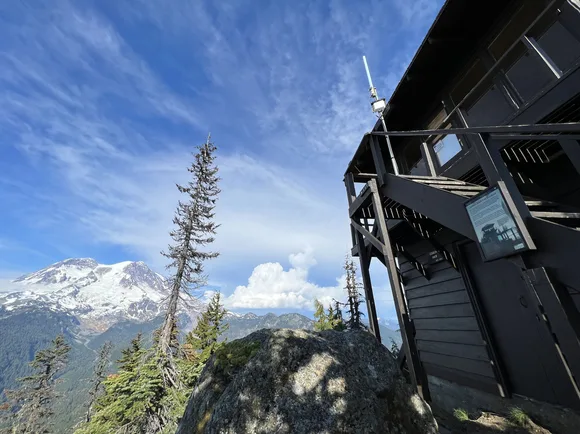
Skyline Trail loops through the heart of the color, climbing to Panorama Point where you're surrounded by meadows in every direction. The 5.5-mile loop is steep enough to thin the crowds but manageable for anyone with decent fitness. Lower down, the Trail of the Shadows circles a marsh where vine maples turn red in late September, and the flat terrain makes it perfect for kids who aren't ready for elevation gain.
Denali National Park & Preserve
Entire tundra turns by Labor Day / Last shuttle buses run September 15 / Most wildlife still active
Denali doesn't wait. The tundra shifts to red and gold in late August, and by the first week of September the entire landscape glows. It's not trees turning; it's the ground itself, a carpet of dwarf birch and blueberry plants that covers the lowlands in burgundy and rust. Most visitors time their trips for summer, which means September delivers the park's most dramatic colors to almost nobody.
The tundra in early September looks like someone spilled a box of crayons across six million acres.
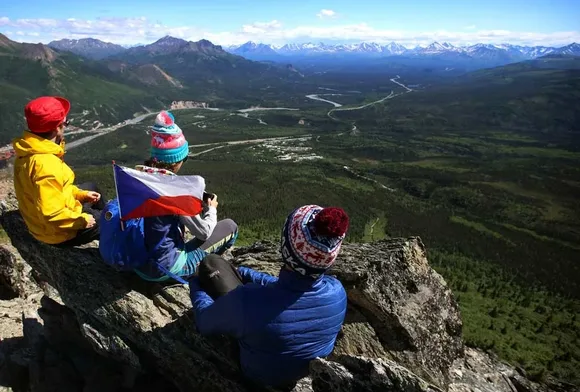
The park shuttle system runs through mid-September, providing access to the backcountry and wildlife viewing that peaks during fall migration. Grizzlies are still active, fattening up before denning, and caribou move through the valleys. Mount Healy Overlook Trail climbs above the entrance area for tundra views without needing a bus ticket, and the five-mile round trip is steep but accessible for families with older kids. Bring layers; temperatures can swing 40 degrees between morning and afternoon.