6 national parks where July is the one month to go
Six parks where July unlocks wildflowers, glaciers, and twenty-hour daylight instead of crowds and heat
July is a frustrating month for most national parks. Yellowstone drowns in traffic. Yosemite's waterfalls slow to trickles. Zion feels like standing in a convection oven with three million other people. But six parks flip the script entirely: July is when they finally open up, when the weather turns tolerable, when you can actually reach the places that define them.
Three of them sit in Alaska, where July means twenty hours of daylight and wildflowers carpeting tundra that stays frozen nine months a year. Two hide in the Upper Midwest, where July is the only month warm enough to make a water-based park feel inviting instead of punishing. And one anchors the Cascades, where July is the narrow window between snowmelt and the first autumn storms.
Denali National Park & Preserve
Larger than New Hampshire / One road, twenty hours of daylight
The Park Road opens in stages through June, and by July you can finally ride a bus all the way to Wonder Lake, where North America's tallest peak rises directly across thirty miles of tundra. Most people assume Denali is about summiting the mountain, but fewer than a thousand climbers attempt it each year. The real draw is the wildlife corridor along the road: grizzlies digging for ground squirrels, caribou crossing in herds that stop traffic, Dall sheep dotting ridges like scattered confetti.
July gives you tundra in full bloom and enough daylight to hike at midnight without a headlamp.
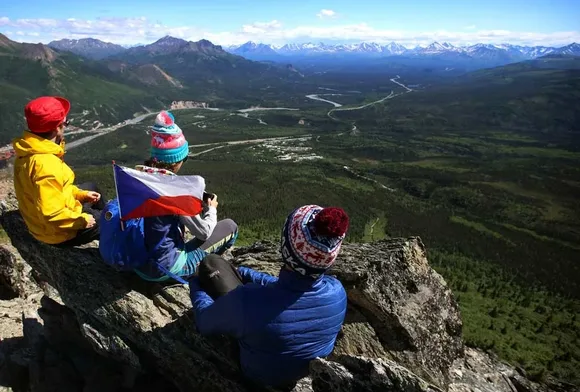
The park stays uncrowded by design. Private vehicles can't drive past Mile 15, so you're on a bus with thirty other people scanning the landscape together. The shared experience works better than it sounds: when someone spots a grizzly, the driver stops and everyone shifts to one side for photos. July weather hovers in the mid-60s during the day, cold enough for layers but warm enough that you won't spend the whole trip shivering in a parka. Savage River Loop and Mount Healy Overlook Trail both deliver tundra views without requiring a bus ticket deep into the park.
Glacier Bay National Park & Preserve
Fifteen tidewater glaciers / Reachable only by boat or floatplane
July is peak season here, and for once that's not a warning. The park is crowded in a relative sense: cruise ships enter the bay under strict permit limits, and the handful of tour boats leaving Bartlett Cove fill up weeks ahead. But once you're on the water, the bay itself stretches sixty-five miles into a fjord system that swallows the crowds. Humpback whales surface close enough to hear them exhale. Sea otters float on their backs cracking open shellfish. And every few miles, another glacier calves house-sized chunks of ice into water that's been ice-free for less than two centuries.
The glaciers here are retreating so fast that maps printed a decade ago show coastline that's now open water.
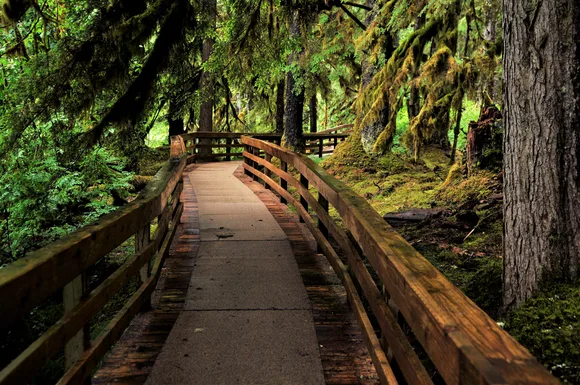
Bartlett Cove serves as base camp, with a small lodge, a campground tucked into the rainforest, and the Forest Loop Trail winding through Sitka spruce and hemlock that grew after the ice pulled back. July temperatures stay in the 50s and 60s, and rain is a given. The Park Service runs daily boat tours that narrate the bay's ecological comeback, but if you want solitude, rent a kayak and paddle the shoreline. You'll share the water with seals and the occasional bear fishing the intertidal zone.
Kenai Fjords National Park
The only glacier in Alaska you can drive to / Eight miles to an icefield
Exit Glacier is the accessible face of a park that's otherwise locked behind boat tours and serious backcountry commitment. You can walk to the glacier terminus in under a mile on a paved path, or you can climb the Harding Icefield Trail, which gains four thousand feet over eight miles to reach a plateau of ice stretching to the horizon. July is the only month when the trail is reliably snow-free at the top, and even then you're hiking through snowfields for the final mile. The icefield spawns nearly forty glaciers, most of them unnamed, all of them retreating.
Markers along the Exit Glacier trail show where the ice reached in past decades — the 1980 sign sits half a mile from today's terminus.

Boat tours from Seward take you into the fjords themselves, where glaciers calve directly into the ocean and puffins nest on rocky islands. The tours run from May through September, but July offers the best weather and the longest days. Northwestern Glacier and Holgate Glacier both qualify as tidewater glaciers, meaning they meet the sea, and watching a chunk of ice the size of a building collapse into the water is louder and more visceral than any photo suggests. The park sits just two hours from Anchorage, which means day trips are possible, but the Harding Icefield Trail demands a full day and legs that can handle steep, sustained climbing.
Voyageurs National Park
Four interconnected lakes / Boats replace roads
This is the only national park in the Lower 48 where water is the primary access method. Rainy Lake, Kabetogama Lake, Namakan Lake, and Sand Point Lake form a maze of channels, islands, and peninsulas along the Canadian border, and if you don't have a boat, you're limited to a few short trails near the visitor centers. July turns the park into a playground: water temperatures finally climb into the 70s, walleye fishing peaks, and the mosquitoes that made June unbearable start to ease off.
Most national parks crowd you onto trails and shuttles — Voyageurs gives you 340 square miles of water and tells you to figure it out.
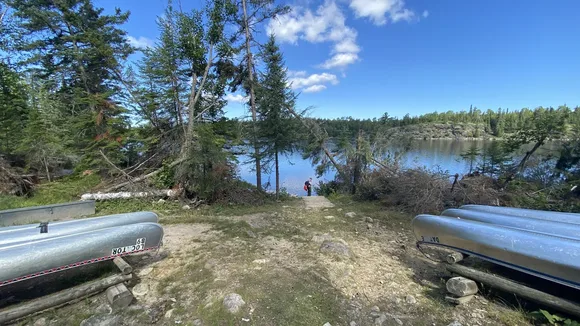
Rent a motorboat in Kabetogama or International Falls and spend the day island-hopping. The park maintains tent sites on remote peninsulas and islands, accessible only by water, where you'll camp to the sound of loons and wake up to mist rising off the lake. Kettle Falls is the park's most popular destination, reachable by a three-mile portage or a boat ride to the historic dam. July also opens up the park's best paddling routes: the Cruiser Lake Trail system links seven lakes through short portages, and you can spend days without seeing another paddler.
Isle Royale National Park
Fewer visitors than a single day at Yellowstone / No roads, no cell service
Getting here requires a ferry ride or a seaplane, and once you arrive, you're committed. Most people stay three to five days, backpacking the Greenstone Ridge Trail or paddling the coastline between Rock Harbor and Windigo. July is the only month when Lake Superior warms enough to make swimming feel less like punishment and more like relief after a day on the trail. The island sits far enough north that summer temperatures stay in the 70s, and the surrounding lake moderates the heat even further.
Isle Royale draws fewer visitors in an entire year than Yellowstone sees on a busy summer weekend.
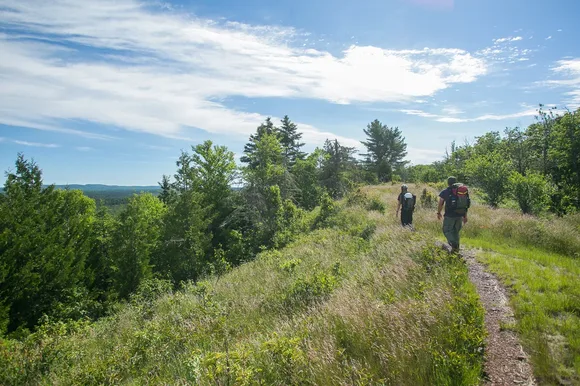
The island is famous for its wolf-moose study, the longest-running predator-prey research project in the world, but you're more likely to see moose than wolves. They wade into ponds to feed on aquatic vegetation, and if you're quiet on the trail, you'll hear them crashing through the underbrush before you see them. The Minong Ridge Trail and Greenstone Ridge Trail both stretch for nearly thirty miles, connecting the island's two harbors through boreal forest and rocky ridges. Campsites dot the backcountry every few miles, most of them three-sided shelters with views over the lake.
Mount Rainier National Park
More glaciers than any other Lower 48 peak / Paradise buried under snow until late June
July is the month when Mount Rainier finally emerges from winter. Paradise, the park's most famous destination, sits at 5,400 feet and stays buried under snow until late June. By July, the wildflower meadows erupt in lupine, paintbrush, and avalanche lilies, and the Skyline Trail Loop opens for the season. The trail climbs above the meadows to Panorama Point, where you're standing on the edge of a volcanic amphitheater with the Nisqually Glacier spilling down the slope in front of you.
Paradise earns its name in July, when the meadows bloom and the summit finally sheds its cloud cap often enough to see what you came for.
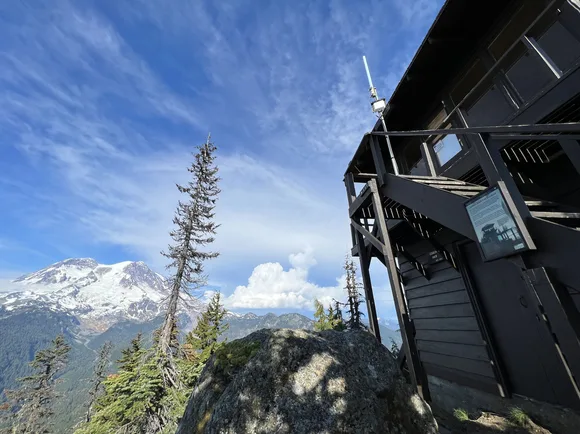
The park sits close enough to Seattle that day trips are common, but that proximity also means crowds. Parking at Paradise fills by 10 AM on summer weekends, and the lot stays full until evening. If you're willing to start early or hike midweek, the experience improves dramatically. Reflection Lakes offers postcard views of the mountain mirrored in still water, and the Comet Falls Trail climbs through old-growth forest to a 320-foot cascade that rivals anything in Yosemite. July also opens up the Wonderland Trail, a 93-mile loop around the mountain that's considered one of the best backpacking routes in the country.