6 National Parks You Can Visit Any Time of Year
Six national parks where April hits the sweet spot: spring wildlife active, winter crowds cleared, and summer heat still weeks away
Most national parks go dormant for part of the year. Glacier's high passes hide under snow until July. Yellowstone's roads close in October. Even the desert parks bake visitors into submission by June. But a handful of parks stay open and accessible through every season, and July brings some of them into their best months.
These six parks operate year-round without seasonal closures, but that doesn't mean they're all pleasant in every month. What makes them worth visiting in July is a combination of mild weather, smaller crowds than the marquee parks, and the kind of experiences you can't replicate anywhere else.
Channel Islands National Park
Five islands 12 miles offshore / Peak season starts now
You can see the Channel Islands from Ventura on a clear day, but most people never make the crossing. The boat ride takes an hour, and the park doesn't provide the infrastructure tourists expect. No lodges, no roads, no cell service. Just five islands that look more like New Zealand than Southern California, with sea lions barking at the landing coves and island foxes no bigger than house cats trotting across the trails.
The water stays cold enough year-round that kayakers wear drysuits in July, but the air temperatures finally make it worth the effort.
July brings the park's highest visitation, which still means you'll share Santa Cruz Island with fewer people than you'd find on a single Half Dome permit day. The marine layer burns off by midday, leaving temperatures in the mid-70s and visibility that stretches to the mainland. Anacapa Island's Landing Cove Trail takes 15 minutes to walk, but the tide pools and seabird colonies keep families occupied for hours. Santa Rosa Island's Lobo Canyon Trail pushes nine miles into backcountry that feels more remote than most wilderness areas on the mainland.
Dry Tortugas National Park
70 miles west of Key West / Summer heat is real
Fort Jefferson dominates Garden Key like a brick fortress dropped into the Caribbean by mistake. The structure is massive enough to hold four football fields, built from 16 million bricks that were shipped from Pensacola in the 1800s. The fort was never completed and never saw combat, which makes it one of history's more expensive miscalculations. Now it anchors a national park that most people reach by seaplane or a two-hour ferry ride from Key West.
The snorkeling here rivals anything in the Keys, but you're doing it in the moat of a Civil War fort.
July sits squarely in the park's off-season, when temperatures push into the upper 80s and afternoon thunderstorms roll through with regularity. The crowds thin compared to winter and spring, but the water stays warm and clear. You can walk the Fort Jefferson Trail in under an hour, then spend the rest of the day swimming off the beach or kayaking between the keys. Ranger programs run daily inside the fort, where kids can explore the gun rooms and casements while adults read the history placards in rooms that stay mercifully cool.
Guadalupe Mountains National Park
Texas's highest peaks / Nobody comes in summer
Guadalupe Peak rises to over 8,700 feet from the Chihuahuan Desert floor, part of an ancient fossil reef that's been exposed by erosion over millions of years. The park sits on the Texas-New Mexico border in a stretch of highway where you can drive for an hour without seeing another car. El Paso is two hours west, and there's not much between here and there except oil rigs and creosote.
August is the park's quietest month, but July comes close — most Texans know better than to hike when the thermometer hits the upper 80s.
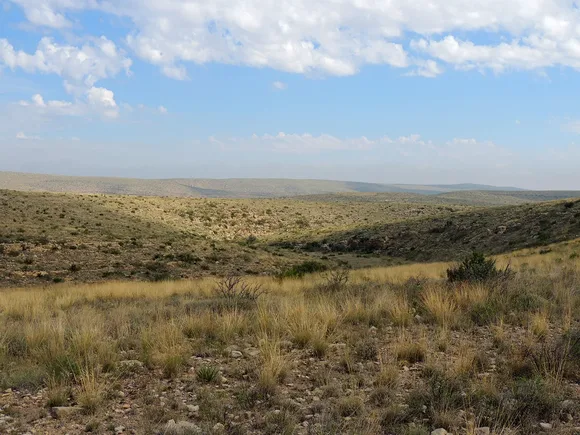
The elevation saves you from the worst of the desert heat. McKittrick Canyon Trail stays shaded through most of its length, following a stream that runs year-round through cottonwoods and madrones. The canyon is famous for fall color, but summer brings solitude that's hard to find in Texas. Devil's Hall Trail pushes into a narrow canyon where the rock walls close in tight enough to block the sun. If you're acclimated to heat, Guadalupe Peak Trail makes a brutal but rewarding climb with views into New Mexico and across the salt flats.
Haleakalā National Park
10,000 feet above the clouds / Best month of the year
Haleakalā means "house of the sun" in Hawaiian, and the summit lives up to the name. You drive from sea level to over 10,000 feet in under two hours, climbing through sugarcane fields and ranchland before breaking above the cloud layer. The crater stretches for miles in every direction, filled with cinder cones that look like they belong on Mars.
July is the park's recommended month because the summit stays clear while the coast bakes, and the crowds ease compared to spring.
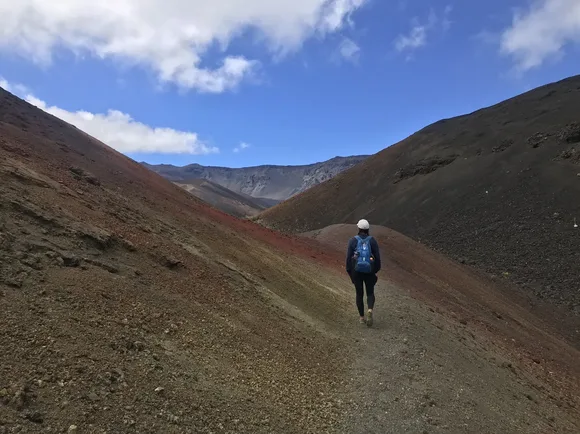
Temperatures at the summit hover in the 50s year-round, which means you'll need layers even though you're in Hawaii. The Sliding Sands Trail drops into the crater through landscape that doesn't look like it belongs on Earth. Silverswords grow nowhere else on the planet, and they bloom in July with stalks that reach six feet tall. The Hosmer Grove Trail stays easy and short, perfect for families who want to see native forest without committing to the crater descent. Down at Kīpahulu, you can swim in the pools at Ohe'o Gulch after hiking through bamboo forest.
Hawaiʻi Volcanoes National Park
Two active volcanoes / Year-round access to lava country
Kīlauea has been erupting on and off since 1983, reshaping the landscape faster than the maps can keep up. The park spans from sea level to over 13,000 feet on Mauna Loa, covering terrain that ranges from rainforest to alpine desert. You can walk through a lava tube in the morning, hike across a crater floor at midday, and watch steam vents glow at sunset.
The Thurston Lava Tube stays cool and dark no matter how hot it gets outside, which makes it the most popular short walk in the park.
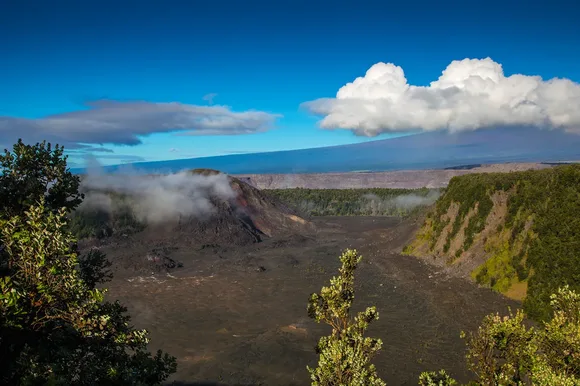
July brings mild temperatures by Hawaii standards, with highs in the low 70s at Kīlauea's summit. The Kīlauea Iki Trail drops into a crater that last erupted in 1959, crossing a lava lake that's still warm beneath the surface. Steam vents line the trail where rainwater hits hot rock, and the sulfur smell reminds you that this landscape is far from dormant. Chain of Craters Road descends to the coast through recent lava flows, passing petroglyphs and sea arches before ending at a wall of black rock where the 2018 eruption buried the old road.
Pinnacles National Park
Volcanic spires and talus caves / Too hot for most people
Pinnacles formed 23 million years ago from a volcano that's now 195 miles south, split apart by the San Andreas Fault and carried north at the speed your fingernails grow. The spires rise above chaparral and oak woodland, creating rock formations that draw climbers from the Bay Area. Talus caves run beneath the formations where boulders have wedged together, creating passages you can crawl through with a flashlight.
July sits squarely in the park's off-season, when temperatures push into the 90s and anyone with sense visits the coast instead.
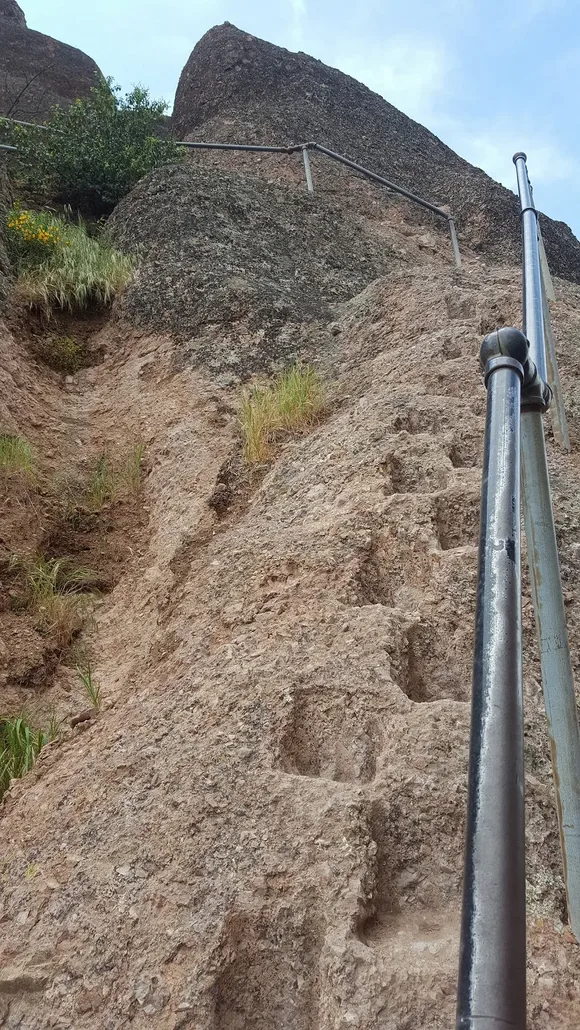
The heat keeps crowds manageable, but it also closes Bear Gulch Caves when temperatures inside exceed safe levels. High Peaks Trail stays open year-round, climbing through rock formations with handrails and carved steps that help you navigate the steepest sections. California condors nest in the park, and you'll often see them soaring above the peaks with wingspans that reach nearly ten feet. The Condor Gulch Trail offers your best chance at spotting them without committing to the High Peaks loop.