7 National Parks That Are Better in Winter
Seven overlooked parks where March weather, thin crowds, and spring conditions make winter the best time to visit
March turns the Southwest into the best version of itself. Winter's chill softens to something comfortable, summer's scorching heat hasn't yet arrived, and the parks that bake into ghost towns by June suddenly make sense. You'll find temperatures in the 70s, wildflowers carpeting valleys that will be dust by May, and the kind of elbow room that disappeared from Zion and Yellowstone a decade ago.
These seven parks hit their stride when March arrives. Most people have never heard of half of them, and the ones they have heard of sit far enough off the Grand Canyon circuit that crowds remain theoretical rather than actual.
Big Bend National Park
Bigger than Rhode Island / March brings peak visitation, which still means plenty of space
Big Bend sits five hours from El Paso in a corner of Texas so remote that the nearest grocery store is an hour away. The Chisos Mountains rise from desert like a geologic accident, creating a landscape that shifts from river canyons to high-country forest in the span of an afternoon hike. March temperatures hover in the mid-70s during the day and drop to the 50s at night, which makes the Window Trail and Lost Mine Trail comfortable in ways they'll never be come summer. The park records more bird species than any other in the system, and spring migration peaks just as March turns to April.
Santa Elena Canyon's 1,500-foot limestone walls swallow sound so completely that your own footsteps feel like an intrusion.
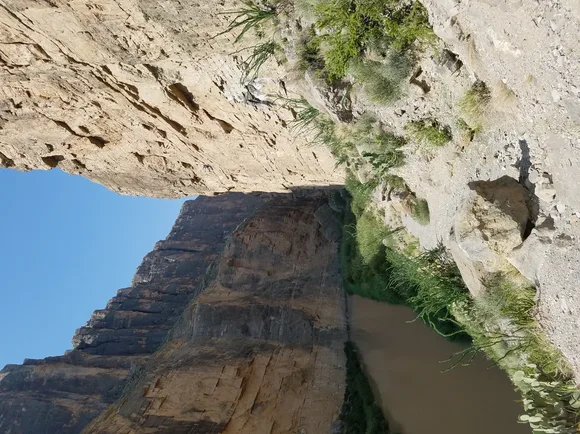
The Rio Grande cuts through three major canyons here, and you can paddle all of them without seeing another person if you time it right. Boquillas Canyon offers a full-day float that passes exactly zero development, while Santa Elena Canyon rewards hikers willing to wade the initial creek crossing with a trail that dead-ends at sheer walls and total silence. The park's sheer size absorbs visitors even during peak season, and March mornings in the Chisos Basin feel like you have the mountains to yourself.
Death Valley National Park
Larger than Connecticut / March crowds stay manageable despite peak season timing
Death Valley earned its name in summer, when ground temperatures reach 200 degrees and the park becomes genuinely dangerous. March flips that script entirely. Highs in the mid-70s make Badwater Basin walkable, the sand dunes at Mesquite Flat lose their menace, and Golden Canyon turns into one of the best short hikes in the Southwest. The park's enormous footprint means you can drive for an hour between major features, which naturally disperses visitors in ways that Zion's shuttle system can only dream about.
Zabriskie Point at sunrise looks like someone liquefied a mountain range and let it solidify mid-ripple.
Wildflowers bloom in wet years, turning the valley floor into fields of yellow desert gold and purple phacelia. Even in dry years, March weather makes the backcountry accessible. Telescope Peak Trail climbs from desert to alpine forest in seven miles, gaining 3,000 feet and offering views that stretch to Mount Whitney on clear days. Racetrack Playa's sailing stones sit at the end of a rough dirt road that becomes impassable in summer heat but handles fine in March.
Everglades National Park
America's largest subtropical wilderness / Dry season peaks in March, concentrating wildlife
The Everglades only make sense in winter and spring. Summer brings mosquitoes so thick they form clouds, humidity that turns air into soup, and afternoon thunderstorms that flood trails within minutes. March sits in the sweet spot of dry season, when receding water concentrates alligators and wading birds along shrinking pools and canals. The Anhinga Trail becomes an open-air zoo where herons, egrets, and alligators ignore you from three feet away. You'll see more wildlife in an hour here than most parks offer in a week.
The River of Grass moves so slowly that you can't see it flow, but it's carved the entire southern tip of Florida in the process.
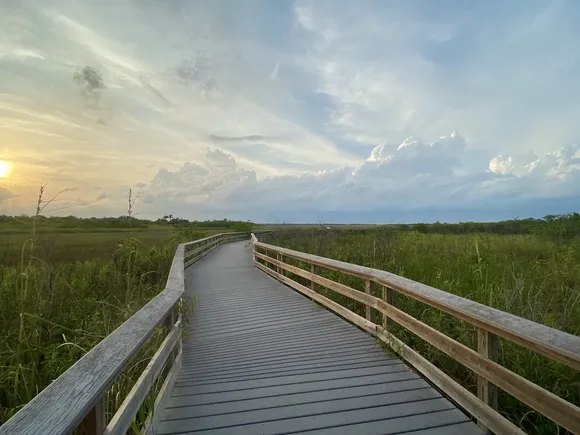
Kayaking the mangrove tunnels near Flamingo puts you in tight channels where manatees surface without warning and roseate spoonbills nest overhead. The 15-mile Shark Valley Loop runs through sawgrass prairie on a paved path that works for both bikes and walking, ending at an observation tower that offers the only elevated view for miles. March temperatures sit in the low 80s, which feels tropical without crossing into oppressive, and afternoon breezes off Florida Bay keep things comfortable.
Guadalupe Mountains National Park
Texas's highest peaks / So empty you'll question whether anyone knows this place exists
Guadalupe Peak Trail climbs 3,000 feet in just over four miles to the highest point in Texas, a summit that requires actual effort but rewards it with views into New Mexico and across the Chihuahuan Desert. March temperatures make the climb reasonable, with highs in the 60s at the trailhead and 50s at the summit. The park sees fewer visitors annually than Yellowstone gets in three summer days, which means you can hike to the top of Texas and have the summit to yourself more often than not.
McKittrick Canyon's fossilized reef tells a 265-million-year-old story in limestone layers that once sat at the bottom of an ancient sea.
McKittrick Canyon runs green with spring runoff in March, creating a riparian corridor that feels impossible in the surrounding desert. The trail follows the creek for miles through a canyon that deepens and narrows, passing massive reef formations that host more species than any other Texas park. Devil's Hall Trail climbs through a narrow canyon to a natural rock staircase that looks hand-carved but formed through nothing but water and time.
Carlsbad Caverns National Park
600 feet underground stays 56 degrees year-round / Surface trails stay comfortable in March
The Big Room sits 750 feet underground and stretches the length of six football fields, making it the largest single cave chamber in North America. You can walk the entire perimeter on a paved trail that drops past formations with names like Bottomless Pit and Rock of Ages, none of which require a guide or special permission. March timing means the surface stays pleasant for exploring the Guadalupe Ridge Trail and Rattlesnake Canyon, both of which offer views across the Chihuahuan Desert without the summer heat that makes them punishing.
Sulfuric acid carved these caverns, not water, which explains why they look nothing like the drip-fed limestone caves of Kentucky and Virginia.
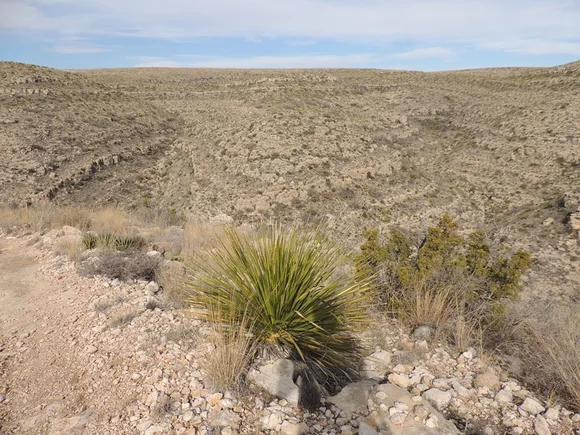
The Natural Entrance Trail descends through the cave's original opening, switching back and forth down a paved path that drops the equivalent of an 80-story building. Bat flights start in late May and run through October, so March visits miss the spectacle of 400,000 Mexican free-tailed bats spiraling out at dusk. The trade-off is smaller crowds in the Big Room and easier parking at the visitor center, which becomes a legitimate problem come summer.
Petrified Forest National Park
225-million-year-old trees turned to stone / Painted Desert colors shift by the hour
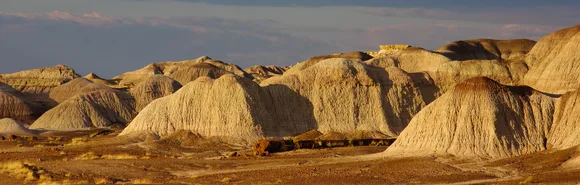
The park's main road runs 28 miles through technicolor badlands where fossilized logs lie scattered like a giant's game of pick-up sticks. Some measure wider than cars and retain enough detail that you can count growth rings in stone. Blue Mesa Trail drops through layers of purple, gray, and blue bentonite clay that erodes into formations called hoodoos, creating a landscape that looks more Mars than Arizona. March temperatures hover in the 60s, making the exposed trails comfortable before summer heat turns them into convection ovens.
The Painted Desert earns its name at sunrise and sunset when low light turns pastels into something that looks like someone spilled a paint box across the horizon.
Newspaper Rock preserves over 650 petroglyphs from multiple cultures spanning 2,000 years, though you'll need binoculars to see details from the overlook. Long Logs Trail wanders through the park's highest concentration of petrified wood, where entire fossilized trees lie stacked like cordwood. The park gets dismissed as a quick roadside stop, but walking the trails reveals details that car windows miss entirely.
Channel Islands National Park
Five islands 12 miles offshore from Los Angeles / March brings gray whale migration
Getting to Channel Islands requires a boat or plane, which immediately filters out the casual visitors who clog Yosemite and Joshua Tree. Anacapa Island sits closest to the mainland and offers the easiest access, with a half-mile trail to Inspiration Point that overlooks sea lion colonies and kelp forests. Santa Cruz Island runs larger and wilder, with backcountry trails that cross grasslands where island foxes appear without fear and rare birds nest in coastal scrub found nowhere else on earth.
The islands hold 145 species that exist nowhere else, making this California's answer to the Galápagos.
March weather stays mild, with highs in the mid-60s and ocean temperatures cold enough to require a wetsuit for kayaking. Gray whales pass through the Santa Barbara Channel on their migration north, often close enough to shore that you'll spot them from the boat ride over. Prisoner's Harbor to Chinese Harbor Trail on Santa Cruz crosses nine miles of coastal terrain that feels utterly removed from the mainland visible on the horizon. The park stays uncrowded even during peak season, partly because access requires planning and partly because most people simply don't know it exists.