7 national parks where September is better than July
Skip the July crowds. These seven parks are better in September: cooler temps, thinner crowds, same trails
July brings peak crowds to the most popular national parks. By September, the visitation numbers have dropped, but the weather hasn't gotten worse. In many parks, it's actually improved. The heat has broken in the desert Southwest, the mosquitoes have died off in the northern Rockies, and fall color is starting to show on the ridgelines. You get more space, better conditions, and the same trails that were shoulder-to-shoulder eight weeks earlier.
These seven parks hit their sweet spot in September. The summer crush is over, but roads and facilities are still open. Temperatures have moderated, and in some cases, the landscape looks better than it did at peak season.
Acadia National Park
August draws more visitors than the population of Portland / September cuts that in half
August is chaos in Acadia. The Park Loop Road crawls with traffic, the Cadillac Summit Road parking lot fills before sunrise, and Jordan Pond House has a two-hour wait for popovers. By mid-September, the parking lots have space, the trails have room to breathe, and the foliage on Dorr Mountain starts turning red and gold. The Atlantic water temperature peaks in September, making kayaking around the Porcupine Islands almost pleasant instead of hypothermic.
September in Acadia means you can actually stop on the Park Loop Road without blocking traffic.
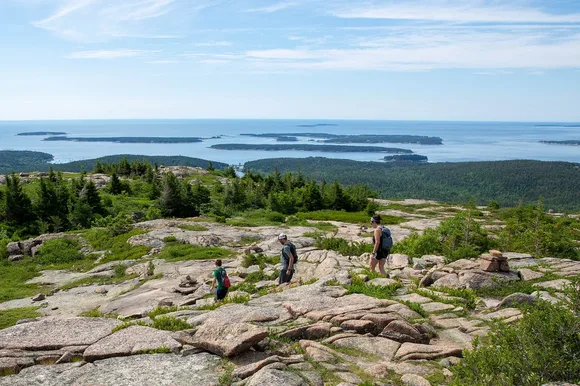
The Precipice Trail reopens after the peregrine falcon nesting closure lifts in mid-August, giving you one of the park's best scrambles without the July crowds. The carriage roads around Eagle Lake and Witch Hole Pond are ideal for biking when temperatures drop into the 60s. Bar Harbor's restaurants have tables available without a week's notice, and the ferries to the Cranberry Isles aren't packed with day-trippers. Peak foliage hits the last week of September into early October, but even before the maples fully turn, the reduced crowds make September the best month to visit.
Glacier National Park
Going-to-the-Sun Road closes in October / Huckleberries ripen in August
July brings bumper-to-bumper traffic on Going-to-the-Sun Road and parking lots that fill by 7 AM at Many Glacier. September still has the road open, but you can find parking at Logan Pass after 9 AM without circling for an hour. The larches start turning gold in the high country, adding a yellow glow to the trails around Siyeh Pass and Grinnell Glacier. Daytime temperatures drop into the 60s, which makes the climb to Iceberg Lake manageable instead of sweaty.
The huckleberries are gone by September, but so are the crowds fighting grizzlies for them.
Wildlife viewing improves as elk begin bugling in the valleys and bighorn sheep move down from the highest peaks. The Highline Trail from Logan Pass to Granite Park Chalet is one of the park's signature hikes, and in September you'll share it with a fraction of the summer traffic. Snow can hit the high passes after mid-September, so check conditions before committing to anything above 7,000 feet. The Going-to-the-Sun Road typically closes for the season in mid-October, making September your last chance for the full traverse without winter gear.
Rocky Mountain National Park
Trail Ridge Road crosses the Continental Divide above treeline / Elk rut peaks in late September
July in Rocky Mountain means timed entry permits, gridlocked parking at Bear Lake, and afternoon thunderstorms that turn the alpine tundra into a lightning field. September drops the permit requirement after Labor Day, and the crowds thin enough that you can find parking at the Glacier Gorge trailhead without arriving at dawn. Aspens turn gold in the valleys around Moraine Park and Horseshoe Park, and the elk rut brings hundreds of bulls bugling across the meadows at sunrise.
The elk rut in Moraine Park draws photographers at 6 AM, but by 8 AM they're gone and you have the valley to yourself.
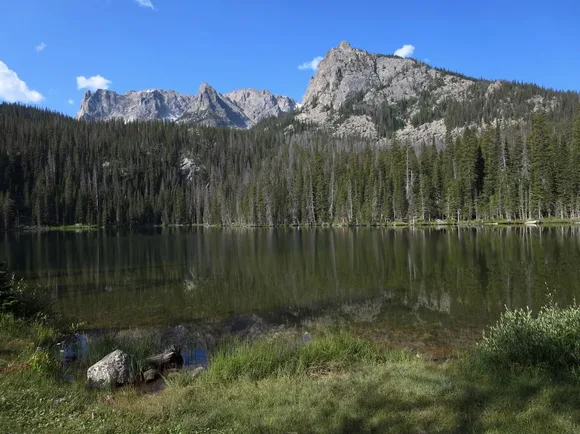
Trail Ridge Road stays open through September in most years, though snow can close it temporarily after mid-month. The alpine tundra above treeline turns rust-colored as the grasses die back, creating a contrast with the snowfields that linger through summer. The hike to Sky Pond or Emerald Lake is less crowded, and the afternoon thunderstorm window shrinks as fall approaches. Longs Peak attempts drop off after Labor Day, but the Keyhole Route remains viable through September for experienced climbers willing to start early and monitor weather.
Zion National Park
June hits 100F by noon / September drops 15 degrees and keeps the shuttle running
Zion in July is a test of heat tolerance. The Narrows is packed with people wading the Virgin River to escape triple-digit temperatures, and Angels Landing gets a line of hikers waiting for the chain section by 8 AM. September brings cooler mornings, with temperatures in the 70s that make the exposed climb to Observation Point less punishing. The Virgin River stays wadeable through September, and water levels drop enough that the wall-to-wall sections become easier to navigate.
The Narrows in September means you're wading for fun, not just to avoid heatstroke.
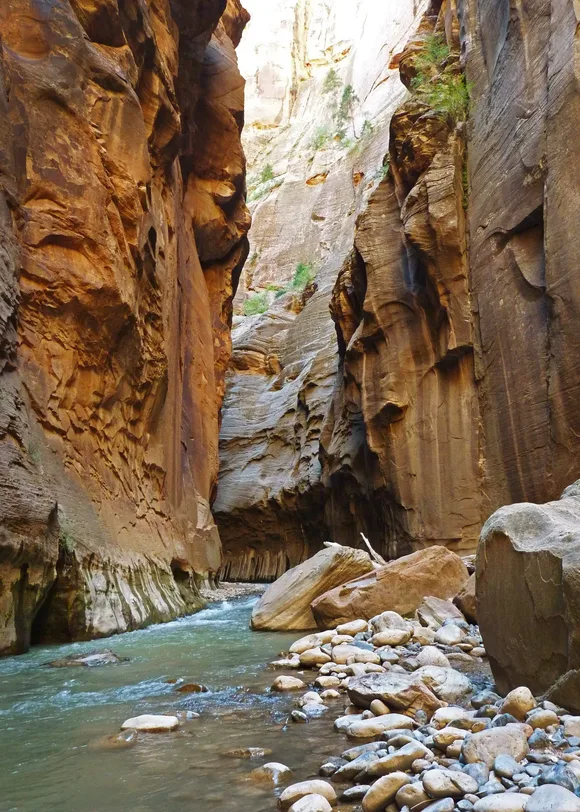
The cottonwoods along the Pa'rus Trail start turning yellow in late September, and the canyon walls glow orange in the lower afternoon light. The shuttle system still runs through September, so you don't need to deal with private vehicle restrictions or parking wars. Angels Landing permits are still required, but your odds in the lottery improve as summer tourists go home. The Watchman Trail and Canyon Overlook Trail are less exposed than the big-name hikes, and both offer better photography light in September than in the harsh midday sun of summer.
Arches National Park
Over 2,000 natural arches in red sandstone / Summer heat makes hiking a morning-only activity
June in Arches means timed entry permits, parking lots full by 7 AM, and surface temperatures on the slickrock that hit 120F by midday. September keeps the heat but drops it into the tolerable range: highs in the 80s instead of the upper 90s. The crowds thin after Labor Day, and you can find parking at Devils Garden or Delicate Arch trailheads without arriving before sunrise. The sandstone arches photograph better in September's angled light than in the overhead glare of summer.
September in Arches means you can hike past noon without risking heat exhaustion.
The Fiery Furnace ranger-led hikes continue through September, offering the only legal way to explore the maze of fins and slots without a permit. Delicate Arch at sunset becomes less of a mob scene, though you'll still share the viewpoint with a couple dozen photographers. The Windows Section and Balanced Rock are accessible year-round, but September makes the short walks pleasant instead of punishing. Devils Garden Trail stretches over seven miles to Double O Arch and the Dark Angel spire, and in September you can complete the full loop without carrying a gallon of water per person.
Yosemite National Park
Granite cliffs rise 3,000 feet above the valley floor / July waterfalls dry up
Yosemite's waterfalls peak in May and June, then fade to trickles by August. By September, Yosemite Falls is often dry, but the crowds have left and the Valley feels spacious again. Temperatures drop into the 70s, making the climb up the Mist Trail to Vernal Fall less brutal even though the fall itself is running at a fraction of spring flow. Half Dome permits are easier to secure in September, and the cables route is less congested than the July peak.
September in Yosemite trades waterfall volume for elbow room on the trails.
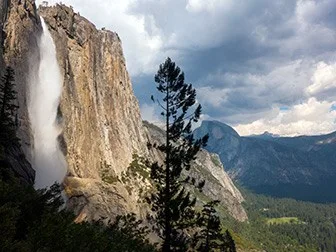
Tuolumne Meadows stays open through September in most years, offering high country hiking without the monsoon thunderstorms that roll through in July and August. The Mariposa Grove of giant sequoias is accessible without the shuttle bus waits, and the valley floor trails around Mirror Lake and Happy Isles are walkable in the afternoon heat. Glacier Point Road remains open, giving you the valley overview without fighting for a parking spot. Fall color starts in late September, with dogwoods and black oaks turning red and gold against the granite walls.
Grand Teton National Park
Thirteen peaks over 12,000 feet / Aspens turn gold in mid-September
July brings peak crowds to Jenny Lake and the parking lot wars that come with them. September drops the visitor count and adds fall color: aspens turn gold across the valley floor, creating a yellow band between the sagebrush flats and the granite peaks. Temperatures stay mild, with highs in the 60s and 70s, making the climb to Inspiration Point or the loop around String Lake comfortable instead of sweaty.
The Tetons in September look like a postcard: gold aspens, blue lakes, and granite peaks without the summer crowds blocking the view.
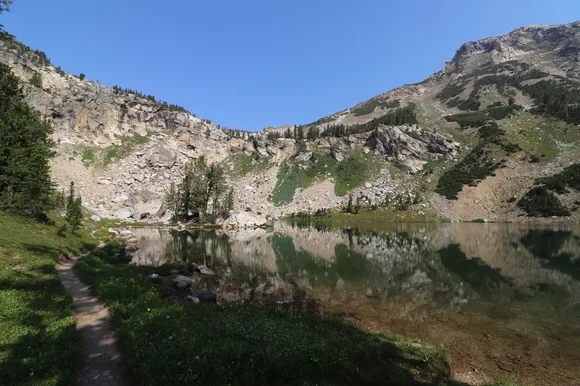
Moose sightings increase as bulls begin rutting in the willow flats along the Snake River. The Cascade Canyon Trail from Jenny Lake stays busy, but the boat shuttle across the lake runs through September, cutting four miles off the round trip. Oxbow Bend becomes a prime spot for sunrise photography as the aspens reflect in the calm water with the peaks behind. The Laurance Rockefeller Preserve on the south end of Phelps Lake offers quieter trails and interpretive exhibits that most visitors skip. Snow can hit the high peaks after mid-September, but valley trails remain clear through the month.