8 Best National Parks for Fishing
The best national park fishing happens in places that don't make the brochure—Alaska salmon runs, Florida flats, and Minnesota lake mazes
Most national park fishing stories focus on postcard lakes in the Rockies, but the best fishing often happens in parks that don't make the brochure cover. We ranked all 63 national parks by a combination of fish diversity, shoreline access, catch rates reported by anglers, and whether you can actually reach the water without a permit lottery. The results skew toward parks with massive lake systems, marine coastlines, and salmon runs that draw more bears than people.
April hits a sweet spot for several of these destinations. Spring arrives early in the subtropical parks, cooling off Florida's heat before summer humidity sets in. Northern parks are still locked in winter, but you can start planning June trips to Alaska before floatplane schedules fill up.
Lake Clark National Park & Preserve
Larger than Delaware / Fewer visitors than a single day at Yellowstone
You can't drive to Lake Clark. There are no roads in, which means the salmon streams stay wild and the rainbow trout population stays healthy. Most anglers fly into Port Alsworth on a floatplane, then use the 42-mile glacial lake as a highway to backcountry tributaries where sockeye, coho, and king salmon push upstream past brown bears that have learned to ignore humans entirely. The Tlikakila River is the park's most famous fishery, but it requires a multiday backpacking commitment and bear awareness that borders on hypervigilance.
Lake Clark offers the kind of fishing Alaska promised before the lodges moved in: roadless streams, no competition, and salmon so thick you can watch them from the floatplane window.
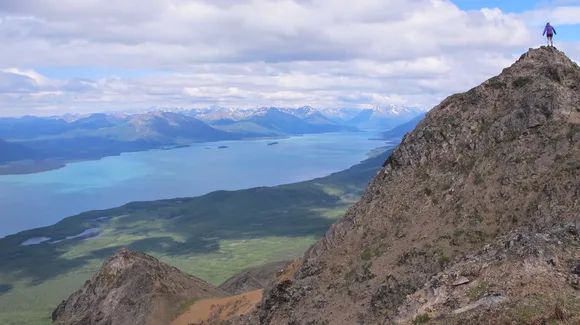
The lake itself holds lake trout, Dolly Varden, and arctic grayling. You can fish from the rocky beaches near Port Alsworth without a guide, though most visitors book at least one day with an outfitter who knows which creeks are running. June and July are peak season for salmon, but September brings fewer bugs and fall colors that turn the tundra into a patchwork of rust and gold. Plan for cold nights and rain regardless of when you visit. This is maritime Alaska, not the dry interior.
Biscayne National Park
Closer to Miami than the airport / 95% underwater
Biscayne is the only national park where you fish surrounded by the skyline of a major city. The park protects a chain of coral reef islands just offshore from Miami, and the water between them holds bonefish, tarpon, permit, snook, and grouper. Most anglers launch from Homestead Bayfront Park Marina and head for the flats around Elliott Key or Sands Key, where you can wade in knee-deep water and sight-cast to bonefish that spook at the slightest shadow. The park allows fishing from shore, from boats, and from kayaks, though a Florida fishing license is required.
You can catch bonefish in the morning and be back in Miami for lunch, which shouldn't be possible but somehow is.
April is ideal. Water temperatures hover in the mid-70s, the summer heat hasn't arrived yet, and tarpon begin their migration through the park's channels. The Boca Chita Key area gets crowded on weekends with recreational boaters, but early mornings stay quiet enough to hear the water ripple when fish move. If you don't have a boat, ranger-led paddling programs run from the Dante Fascell Visitor Center and include fishing stops along mangrove shorelines where snook hide in the roots.
Katmai National Park & Preserve
More brown bears than people / Brooks Falls runs from June through September
Katmai is famous for bears catching salmon at Brooks Falls, but the park's fishing extends far beyond that single photogenic spot. The Naknek Lake drainage holds rainbow trout that grow fat on salmon eggs, and the park's rivers see some of the largest sockeye runs in the world. You fish alongside brown bears here, which requires a level of situational awareness most anglers never develop in the lower 48. Bears have right of way. Always. If a bear is in your fishing hole, you find a different fishing hole.
Katmai teaches you to fish with one eye on the water and one eye on the willows, because bears move silently when they want to.
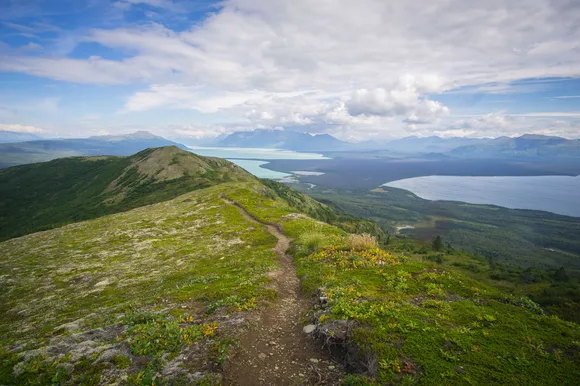
The park's lodge operators offer guided fishing trips that combine bear viewing with angling, and they know which tributaries are producing on any given day. June is the sweet spot before peak visitation hits in July. The sockeye run is strong, the weather is milder than later summer, and you'll have more room to spread out along the Brooks River. Rainbow trout fishing stays excellent through September, when the bears move to different streams and you can fish without an audience.
Voyageurs National Park
Four interconnected lakes / More shoreline than roads
Voyageurs is a water park in the truest sense. Boats replace cars, and the park's lakes hold walleye, northern pike, smallmouth bass, and muskellunge that draw serious anglers from across the Midwest. Rainy Lake and Kabetogama Lake are the most accessible, with boat launches near the visitor centers and fish cleaning stations that see steady use from May through September. The park doesn't require a Minnesota fishing license for certain waters, but the regulations are complex enough that you should check with rangers before casting.
Voyageurs rewards anglers who treat their boat like a backpack: the best fishing happens on islands and bays that most visitors never bother to reach.
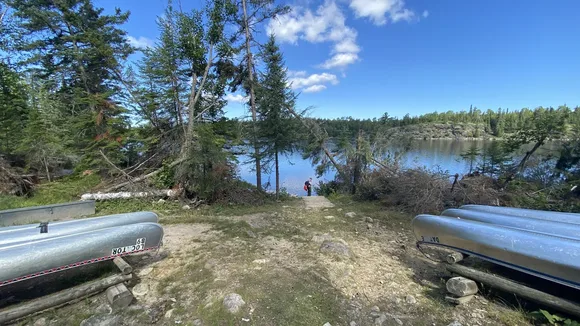
Walleye fishing peaks in May and early June, when fish move to shallow spawning areas and bite aggressively before the summer heat sets in. The park's northern pike population is robust enough that you can catch fish over 40 inches if you target the right weed beds and rocky points. Winter ice fishing is popular among locals, with anglers driving trucks onto the frozen lakes to fish for walleye and crappie. The park stays open year-round, though services are limited outside summer months.
Channel Islands National Park
Five islands 12 miles offshore / California's loneliest coastline
Channel Islands fishing happens in two worlds: the kelp forests close to shore and the open water channels between islands. Calico bass, sheepshead, rockfish, and halibut live in the kelp, while the deeper channels hold white seabass and yellowtail that migrate through in summer. Most anglers fish from private boats or book trips with charter services that run from Ventura Harbor. Shore fishing is possible from the rocky beaches on Santa Cruz Island and Anacapa Island, though you'll catch smaller fish and need to scramble over tide pools to reach the best spots.
The kelp forests around Channel Islands hold fish that have never seen a lure, which makes them either refreshingly naive or frustratingly picky depending on the day.
April is early in the season, but water temperatures start climbing and fish become more active after the winter lull. The island foxes on Santa Cruz Island will investigate your tackle box if you leave it unattended, so keep gear secured. Rangers lead kayak trips from Scorpion Anchorage that include stops at kelp beds where you can drop a line for calico bass. The park's remoteness keeps fishing pressure low compared to mainland California, and you'll often have entire coves to yourself.
Congaree National Park
Largest old-growth bottomland forest in the Southeast / 20 miles from Columbia
Congaree's fishing happens in the Congaree River and Cedar Creek, where catfish, bass, and bream navigate the tannin-stained water that flows through the floodplain forest. The river is best accessed by canoe or kayak, and the park rents canoes from the visitor center when water levels are safe. You'll paddle under champion trees that tower overhead while fishing for channel catfish that hide near submerged logs and fallen timber. The river floods regularly, which means fishing conditions change week to week depending on rainfall upstream.
Fishing Congaree means accepting that the river controls the schedule, not you.
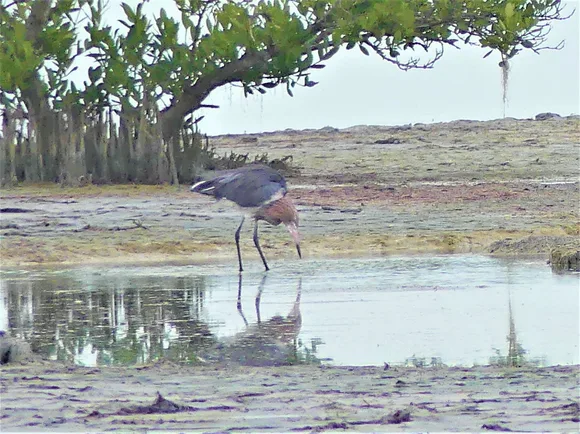
April is excellent. Water temperatures warm enough to activate fish, but the summer heat and humidity haven't arrived yet. Largemouth bass fishing is productive in the oxbow lakes and sloughs that branch off the main river. The Boardwalk Loop Trail crosses Cedar Creek in several spots where you can fish from the elevated walkway, though you'll have more success launching a kayak and exploring the backwater channels. The park stays uncrowded even during peak visitation months, so you'll rarely compete for fishing holes.
Dry Tortugas National Park
70 miles west of Key West / Only accessible by boat or seaplane
Dry Tortugas sits at the edge of the Gulf Stream, which means the water is clear, warm, and full of fish that normally live in the Caribbean. Yellowtail snapper, grouper, permit, and barracuda patrol the coral reefs around Garden Key, and the park allows fishing from shore, from boats, and while snorkeling. Fort Jefferson's moat wall is a popular fishing spot where you can catch snapper and small grouper without a boat. The park requires a Florida fishing license, and several areas are closed to protect nesting birds and coral.
Fishing at Dry Tortugas feels like cheating: the water is so clear you can watch fish decide whether to bite your bait.
April is prime season before summer heat intensifies and before the peak tourist months hit. The ferry from Key West runs daily and gives you about four hours on the island, which is enough time to fish, snorkel, and explore Fort Jefferson. Overnight camping is available with a permit, and anglers who stay overnight have the reefs to themselves at dawn when fish are most active. The park's remoteness keeps fishing pressure low, and you'll catch fish that have seen relatively few hooks.
Everglades National Park
Larger than Rhode Island / America's largest subtropical wilderness
Everglades fishing happens in three distinct zones: the freshwater marshes, the brackish estuaries, and the saltwater bays of Florida Bay. Largemouth bass live in the sawgrass prairies, snook and redfish patrol the mangrove channels, and tarpon migrate through the backcountry in spring and summer. The park's size means you can fish for a week and never cover the same water twice. Most anglers launch from Flamingo Marina or Gulf Coast Visitor Center and explore the maze of channels that wind through Ten Thousand Islands.
The Everglades teaches you to fish by feel and instinct because the water is too murky to see what's happening below the surface.
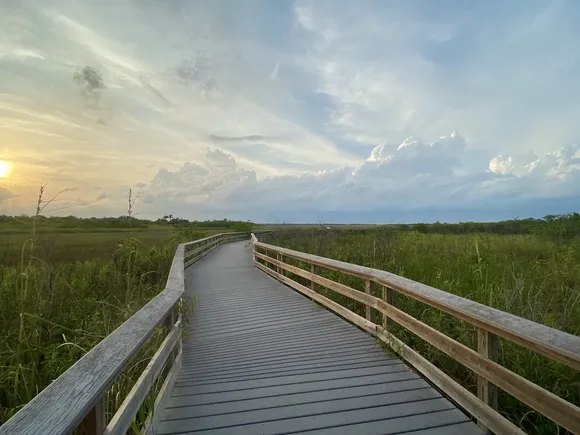
April is ideal. Temperatures stay comfortable in the low 80s, the winter crowds thin out, and fish become more active as water temperatures rise. Snook fishing peaks in the mangrove channels near Flamingo, while tarpon begin their spring migration through Whitewater Bay. The Anhinga Trail offers shore fishing for bass and bluegill in Taylor Slough, though you'll have better success if you bring a kayak or canoe to reach less accessible areas. The park allows fishing year-round, but summer heat and mosquitoes make it nearly unbearable without serious bug protection.