8 Best National Parks for RV Camping
Eight parks where RVs fit the roads, campgrounds, and April weather without the peak-season chaos
RV camping in a national park means choosing your battles. You need sites long enough for your rig, roads that won't scrape your undercarriage, and campgrounds that don't book out six months in advance. April threads a needle: mild weather before peak season, roads mostly clear of snow, and campgrounds just starting to open. These eight parks deliver on all three counts, with RV-friendly infrastructure and enough elbow room to make the drive worthwhile.
April also means you're gambling with weather. Some of these parks will be perfect. Others will still be half-closed. That's the point: you get options depending on how far south you want to chase spring.
Acadia National Park
Draws more people than any park except the big western names / Arrives fully awake in May
Acadia in April is a gamble. Blackwoods Campground opens in early April, but you're rolling the dice on weather: cold rain, occasional snow, and Park Loop Road might not fully open until mid-month. That said, if you catch a mild week, you'll have the place nearly to yourself. The Carriage Roads welcome bikes and wheelchairs across smooth, graded paths that were built for horse-drawn carriages a century ago. Jordan Pond Shore Trail loops through forest and granite with views that explain why this became the first eastern national park.
Acadia built its RV infrastructure before most western parks existed, which means you won't be squeezing a 30-footer through impossible turns.
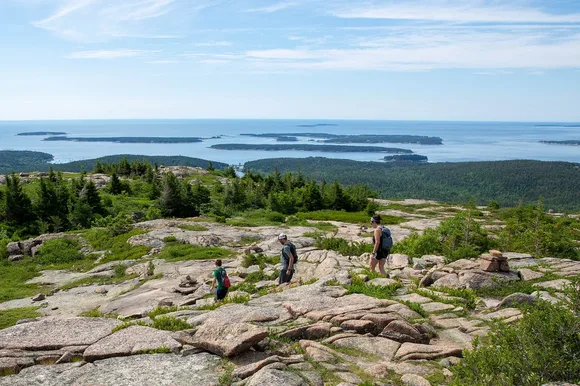
Blackwoods has pull-through sites up to 35 feet and generator hours that respect the fact that spring nights still dip below freezing. Seawall Campground opens in late May, but Blackwoods is the RV choice regardless. The real win is proximity: you're less than three hours from Portland and two hours from Bangor's airport, which makes Acadia the most accessible park on this list if you're flying in to pick up a rental RV.
Arches National Park
More than two thousand natural stone arches / So packed in summer you'll need a timed entry reservation
April is when Arches makes sense. Daytime temperatures hover in the 70s, the sandstone glows without the harsh midday glare of summer, and you can still grab a campsite at Devils Garden without winning a lottery. The campground sits at the end of the scenic drive, which means you're already past Balanced Rock and the Windows section before you even set up camp. Sites max out at 30 feet for trailers and 40 feet for motorhomes, and the turns on the access road demand attention if you're towing.
Delicate Arch at sunset draws a crowd even in April, but Sand Dune Arch stays quiet enough that kids can run through the slot canyon without dodging tour groups.
Devils Garden Campground has no hookups, no dump station, and fills by 9 AM even in shoulder season. You'll want to arrive early in the day or book ahead when reservations open. Moab sits five miles away with every RV service you might need, plus grocery stores that actually stock fresh produce. The trade-off for being this close to town: Arches gets crowded. April buys you a few weeks before the real chaos starts, but don't expect solitude on the Delicate Arch Trail.
Badlands National Park
Fossil beds older than the Rockies / Storms roll across the prairie with nowhere to hide
Badlands in April means wildflowers starting to push through the grasslands and bison calves stumbling after their mothers. Cedar Pass Campground sits inside the park with pull-through sites that fit 40-foot rigs, full hookups at some sites, and a location that puts you ten minutes from the Ben Reifel Visitor Center. The Fossil Exhibit Trail delivers on its name with actual fossils visible in the rock, protected behind plexiglass but close enough that kids don't need to squint.
The Door Trail drops you into a moonscape in less than a mile, where the trail ends and the wilderness begins with no ropes or signs telling you where to go.
April weather swings wildly. You might get 70-degree days perfect for the Castle Trail, or you might get snow. Sage Creek Campground offers free primitive camping with no size limits, which makes it popular with the RV crowd willing to dry camp. The trade-off: it's on the park's western edge, 30 miles of gravel road from the main visitor area. Cedar Pass keeps you central, and the park's compact size means you can see the highlights without logging serious windshield time.
Big Bend National Park
Larger than Rhode Island / Fewer visitors than parks a tenth its size
Big Bend in April catches the tail end of prime season before heat shuts down the desert. Cottonwood Campground along the Rio Grande offers 24 RV sites with no hookups but enough space to spread out, and the Santa Elena Canyon trailhead sits three miles down the road. Chisos Basin Campground climbs into the mountains where temperatures drop 20 degrees, but the access road includes switchbacks and grades that eliminate anything over 24 feet. Most RV campers stick to Cottonwood or Rio Grande Village, which handles rigs up to 40 feet.
You'll drive five hours from El Paso or six from San Antonio to reach the park boundary, then another hour to reach any campground, which keeps the crowds thin even in peak season.
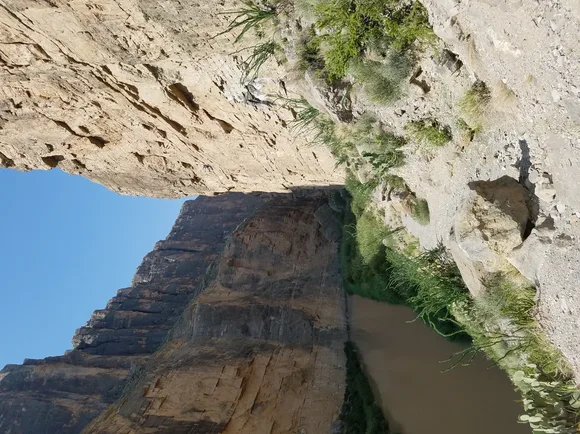
Rio Grande Village has full hookups at 25 sites, which makes it the RV favorite despite being the farthest from the Chisos. The trade-off: you're positioned for the Boquillas Canyon Trail and Hot Springs Historic District, both easier hikes than anything in the Chisos. April means the river runs high enough for kayaking Santa Elena Canyon, and outfitters in Terlingua rent boats and run shuttles. By May, temperatures push past 95F and most visitors clear out.
Black Canyon of the Gunnison National Park
Walls twice as tall as the Empire State Building / Most people have never heard of it
Black Canyon hides in plain sight between Grand Junction and Montrose, with campgrounds on both the South Rim and North Rim. South Rim Campground stays open year-round with sites that fit 35-foot RVs, electric hookups at some loops, and a location that puts you walking distance from Gunnison Point. The North Rim Campground opens in late May, which puts it out of reach for an April trip, but the South Rim delivers everything you need.
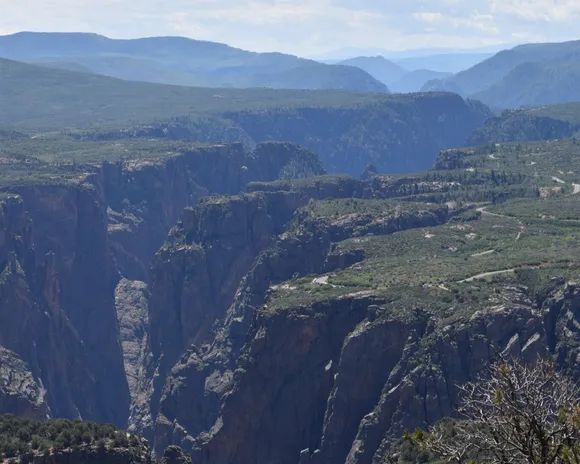
The canyon drops 2,000 feet to the Gunnison River in some sections, and the walls lean so close together that sunlight only reaches the bottom for 33 minutes a day in winter.
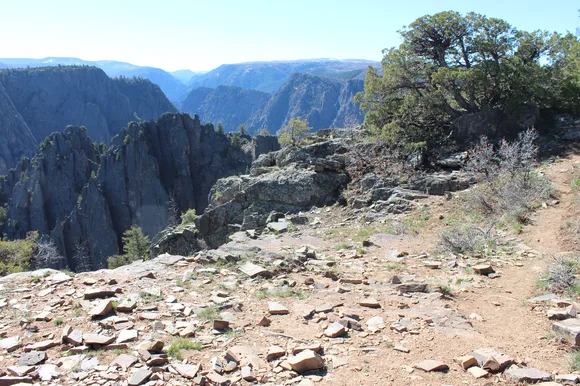
April weather on the South Rim ranges from 40s to 60s, with the Rim Rock Trail and Chasm View Trail both accessible without snow. The Painted Wall, tallest cliff in Colorado, dominates the view from several overlooks, and the South Rim Drive connects them all in a paved seven-mile route. Most visitors spend half a day here before moving on to Aspen or Telluride, which means the campground rarely fills even on weekends.
Bryce Canyon National Park
Earth's highest concentration of hoodoos / Sits at 8,000 feet where April still means snow
Bryce in April straddles the line between winter and spring. North Campground opens in mid-April with sites that accommodate 30-foot trailers and some pull-throughs, but you'll want to check road conditions before towing in. Snow lingers on the Rim Trail into May, and the Navajo Loop might close if ice makes the switchbacks dangerous. When the weather cooperates, you get the hoodoos dusted in white against a blue sky that makes every photo look oversaturated.
The Queens Garden Trail drops below the rim into a forest of orange spires where the scale doesn't register until you're standing next to a hoodoo twice your height.
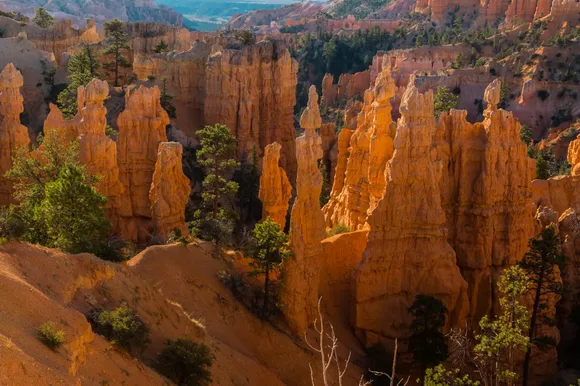
Sunset Campground opens in late April or early May depending on snowmelt, which makes North Campground the only reliable option for an April visit. Neither campground offers hookups, but the dump station and water fill sit near the visitor center. Bryce Canyon City, just outside the park boundary, has RV parks with full hookups if you'd rather not dry camp in freezing overnight temperatures. The park's compact size means you can see Sunrise Point, Sunset Point, and Inspiration Point in a single morning without moving your rig.
Capitol Reef National Park
A hundred-mile fold in the earth / Pioneer orchards still grow beneath the cliffs
Capitol Reef treats RVs better than most Utah parks. Fruita Campground sits in the middle of the historic district with 71 sites, some accommodating rigs up to 40 feet, and cottonwoods that provide actual shade by late April. The Grand Wash and Capitol Gorge scenic drives both allow RVs, and the Hickman Bridge Trail starts right off Highway 24 with parking that fits trucks and trailers.
You can pick apples, cherries, and apricots straight from the orchards in Fruita, a remnant of Mormon settlement that the park service still maintains.
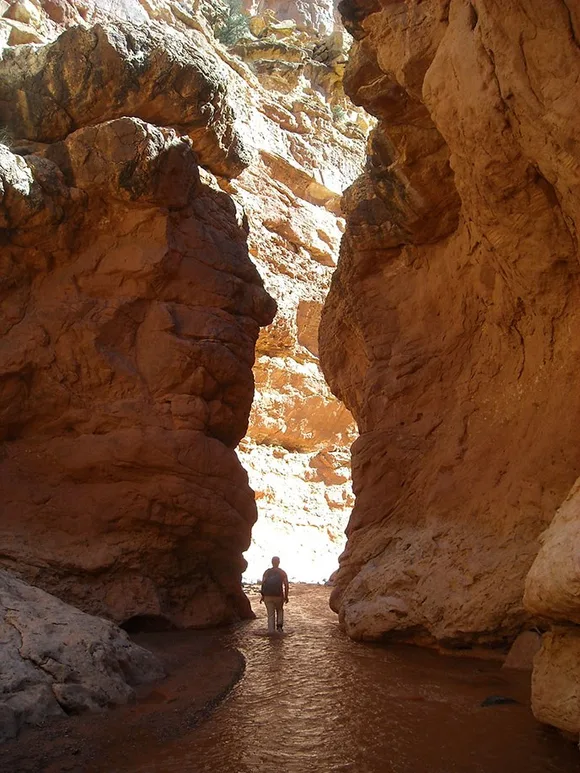
April is when the Fremont River runs high enough to make the orchards bloom, and temperatures stay comfortable for hiking before the desert heat arrives in June. The Scenic Drive pushes ten miles south into the park with pullouts at Gifford House and the old schoolhouse, and the road stays paved until Capitol Gorge. Most visitors drive through on their way between Bryce and Arches, which means Capitol Reef never feels as packed as its neighbors despite comparable visitor numbers.
Crater Lake National Park
America's deepest lake fills a volcanic caldera / Still buried under snow in April
Crater Lake doesn't open for RVs in April. The Rim Drive stays closed until July most years, and Mazama Campground doesn't open until late June. Lost Creek Campground, smaller and more remote, opens even later. This park makes the list because May or June trips get you that April booking window, and the RV sites at Mazama fill fast once reservations open.
The lake holds water so pure that scientists use it as a baseline for measuring water clarity, and the blue doesn't look real even when you're staring straight at it.
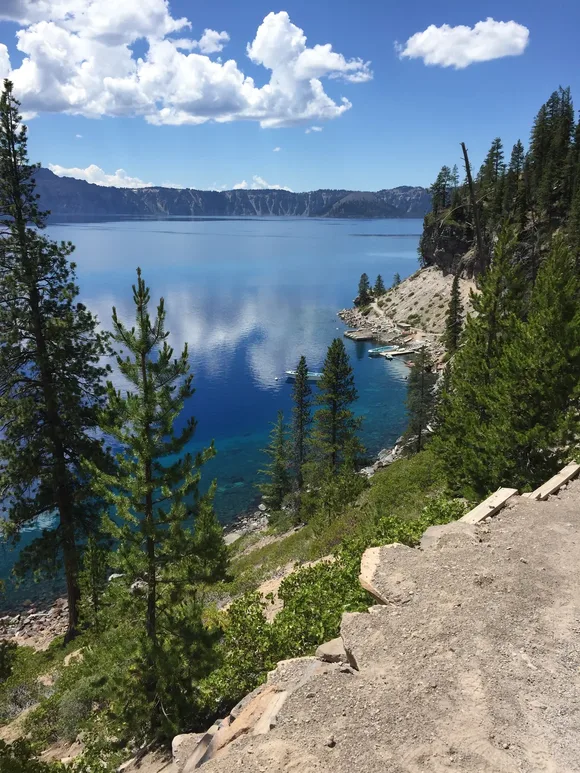
When Mazama opens in late June, it offers 200 sites with some accommodating 50-foot rigs. The campground sits seven miles from the rim, which means you'll drive or bike up to see the lake. The Cleetwood Cove Trail, the only path down to the water, drops 700 feet in just over a mile with switchbacks steep enough that the park warns against it if you have knee problems. But if you can make the descent, you can take a boat tour to Wizard Island and swim in water cold enough to make you gasp.