8 National Parks Every Climber Should Visit
Eight parks where the rock tells stories older than the sport, from desert towers to alpine walls that demand more than gym skills
Rock climbing in national parks isn't about world-record routes or gym-perfect grades. It's about rope work in places where the landscape itself demands a different relationship with stone: desert towers that crack under tension, alpine walls where weather turns in minutes, and sandstone so soft you question every cam placement. The best climbing parks reward adaptability as much as skill, and April—when temperatures favor desert friction and alpine routes shake off winter ice—offers the widest range of options.
These eight parks share two qualities: exceptional climbing across multiple disciplines, and landscapes where the rock itself tells a story older than the sport. Some you've heard of. Others barely register outside climbing circles. All of them will challenge how you think about vertical movement in wild places.
Arches National Park
More than 2,000 natural arches carved from sandstone / Packed shoulder to shoulder in summer
Arches built its reputation on photography, not climbing, but the same Entrada sandstone that formed Delicate Arch creates technical problems that desert climbers chase for decades. The routes here skew traditional, with gear placements in features so weathered you'll spend as much time reading the rock as moving on it. Owl Rock and Dark Angel offer multi-pitch objectives within sight of the scenic drive, while Three Penguins rewards the hike in with splitters that feel more like Indian Creek than a marquee park.
You climb Arches for the same reason you don't climb Delicate Arch: the sandstone here is both perfect and fragile, and knowing the difference matters.
The park's popularity works against climbers. Parking lots fill by 8 AM from March through October, and the permit system prioritizes day hikers over technical users. April mornings offer the best friction before afternoon heat softens holds, but you'll share trailheads with tour buses and families attempting Delicate Arch in sneakers. Plan to start before dawn or accept that solitude isn't part of the package.
Black Canyon of the Gunnison National Park
Walls drop 2,000 feet into shadow / Most climbers have never heard of it
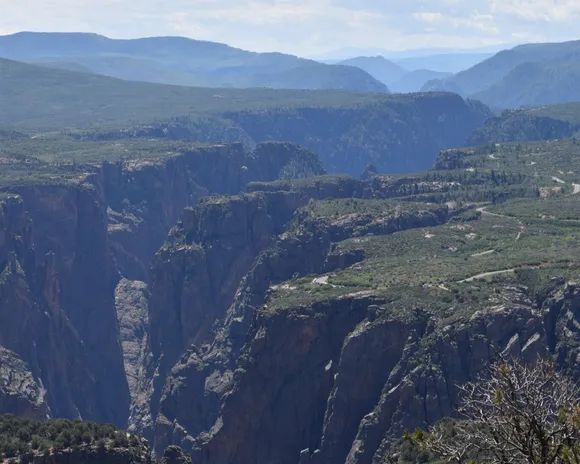
The Painted Wall—taller than Yosemite's El Capitan base to rim—dominates the South Rim viewpoints, but the real climbing happens on routes you can't see from the overlooks. The canyon's Precambrian gneiss and schist create vertical to overhanging walls where every pitch demands attention, and the Gunnison River 2,000 feet below generates its own weather patterns. The North Chasm View Wall and Cruise route on the South Rim draw the few climbers who make the trip, but you'll encounter more golden eagles than other parties.
Black Canyon earns its name twice: once for the shadows that trap the gorge floor, and again for the rock so dark it swallows light.
Access requires commitment. Most routes begin with a rappel approach that burns your retreat before you've started climbing, and the hike out—gaining 2,000 feet of elevation after a full day on stone—has turned back more teams than the climbing itself. The rock quality varies wildly: some pitches offer bomber gear in clean cracks, while others crumble under weight. April weather sits in the sweet spot between winter ice and summer heat, but afternoon thunderstorms build fast in the high country.
Canyonlands National Park
Bigger than Rhode Island / The Needles district sees a fraction of Arches' crowds
Canyonlands splits into four districts, and climbers migrate to The Needles for good reason. The Cedar Mesa sandstone forms towers and spires that rise from valley floors in configurations you won't find anywhere else: Washer Woman, Monster Tower, and Moses all offer multi-pitch routes where the crux is often the approach. Island in the Sky provides shorter objectives with panoramic exposure, but The Needles rewards the longer drive with climbs that feel more expedition than day trip.
The Needles doesn't just have towers—it has tower systems, where you summit one spire only to realize you're still surrounded by a dozen more.
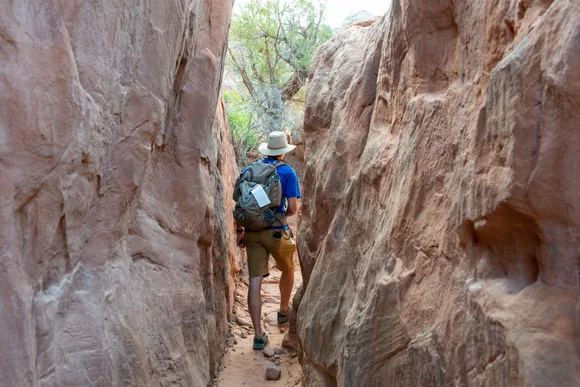
The park's size works in climbers' favor. While Island in the Sky draws families to Grand View Point, The Needles backcountry absorbs visitors so completely that you can spend full days on objectives without seeing another party. The sandstone quality surpasses Arches—less weathered, more reliable gear placements—but the remoteness demands self-sufficiency. Cell service doesn't exist, the nearest town sits an hour away, and if weather turns bad, you're committed to whatever decisions you made at the trailhead.
Gates of the Arctic National Park & Preserve
Larger than Switzerland / Fewer than 12,000 visitors all year
You don't casually visit Gates of the Arctic, and you certainly don't casually climb there. The Brooks Range granite creates alpine objectives that require expeditionary approaches: bush plane flights to gravel bars, river crossings with full packs, and weather windows measured in hours, not days. Frigid Crags and the Arrigetch Peaks offer untouched walls where you're more likely to establish a new route than repeat an existing one. The climbing season barely exists—July and August provide the only reliable weather, and even then, snow can fall any day.
Gates of the Arctic doesn't have trails, campgrounds, or rangers patrolling the backcountry—it has six million acres where you're responsible for everything.
The logistics alone filter out most climbers. You'll charter a flight from Fairbanks, coordinate a pickup date you may or may not make, and carry everything you need for both the approach and the climb. Grizzlies patrol the valleys, and the nearest rescue capability sits hours away by air. But if you're equipped for true wilderness climbing—where the objective matters less than the experience of moving through country this raw—the Brooks Range offers something that can't exist in parks with roads.
Grand Teton National Park
Thirteen peaks above 12,000 feet / More campgrounds than most states
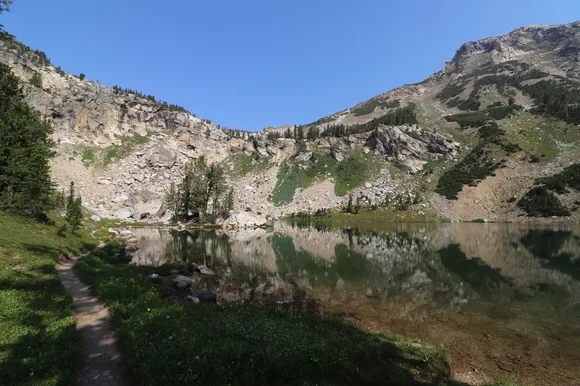
The Grand Teton rises more than 7,000 feet from the valley floor without the courtesy of foothills, and that verticality creates alpine climbing that feels bigger than the elevation suggests. The Exum Ridge route on the Grand remains a rite of passage—exposed, committing, and long enough that weather can shift from bluebird to whiteout between pitches. But the range extends beyond the marquee peak: Teewinot, Owen, and Moran all offer objectives where the approach and descent demand as much skill as the technical climbing.
You don't summit the Grand and walk down—you downclimb, rappel, and navigate your way back to the car, often in the dark.
The Tetons draw crowds that rival any park in the system, but climbers operate in a different ecosystem than the Jenny Lake boat riders and Cascade Canyon hikers. The alpine start culture here is real: trailhead parking by 3 AM, headlamps clicking on before the stars fade, and a race to reach the base before afternoon storms build. April sits too early for the Grand's high routes—snow and ice still dominate—but lower objectives like Symmetry Spire and Disappointment Peak transition from winter to spring conditions, offering mixed climbing for those equipped to handle variable terrain.
Joshua Tree National Park
More climbing routes than you could repeat in a lifetime / Two hours from Los Angeles
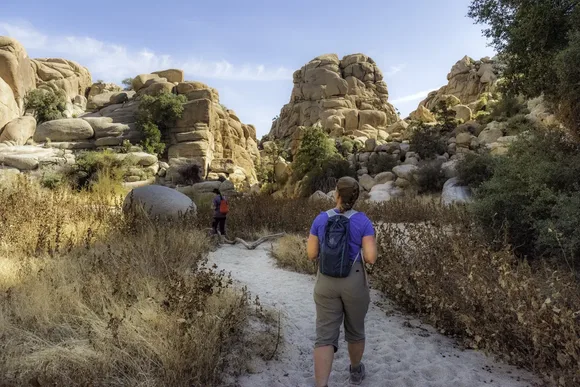
Joshua Tree built modern American climbing. The quartz monzonite—grippy, featured, and split by cracks ranging from fingertip seams to full chimneys—hosts more than 8,000 established routes in a landscape that feels more like a climber's theme park than wilderness. Hidden Valley and Intersection Rock sit minutes from parking, offering everything from 5.4 cracks to 5.13 faces. The Wonderland of Rocks sprawls across the park's northern section with formations so dense you can spend weeks exploring and still find boulders you've never touched.
Joshua Tree doesn't test you with exposure or commitment—it tests your technique on rock so textured that every move feels like a puzzle you're solving with your fingertips.
The proximity to Los Angeles means you'll share crags with dozens of other climbers on weekends, but the sheer number of formations absorbs crowds better than most parks. April sits at the tail end of prime season—temperatures creep toward the 90s by midday—but mornings still offer that perfect friction where the rock feels alive under your hands. The park's accessibility makes it ideal for climbers progressing through grades, but don't mistake easy access for easy climbing. The routes here punish lazy footwork and reward the kind of technical precision that only comes from time on stone.
Mount Rainier National Park
An active volcano wrapped in more glaciers than any Lower 48 peak / Weather turns faster than you can descend
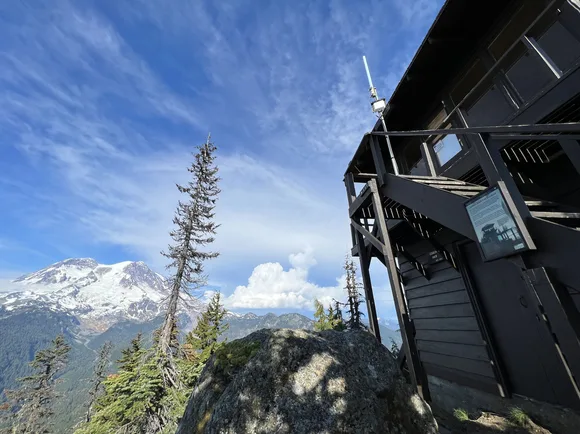
Liberty Ridge on Rainier's north face ranks among the most coveted alpine routes in the country: exposed, technical, and crowned by a summit that generates its own weather from 14,410 feet. But Rainier offers objectives beyond the marquee routes. Willis Wall demands ice climbing skills and glacier travel competence, while the Kautz Glacier provides a moderate line that still requires crevasse rescue knowledge and the ability to navigate in whiteout conditions. The mountain doesn't care about your resume—it tests your decision-making when visibility drops to arm's length and the temperature plummets 30 degrees in an hour.
Rainier is less a climb than a negotiation with a mountain that holds all the cards: weather, avalanche conditions, and crevasse placement that shifts every season.
April sits too early for most Rainier objectives. Snow still buries approaches, and avalanche danger runs high as spring temperatures destabilize slopes. The climbing season barely opens before June, and even then, weather windows stay narrow. But lower elevation crags around Paradise and Longmire offer rock routes that shake off winter earlier, providing technical climbing for those willing to trade the summit for reliable stone. The mountain's reputation for eating unprepared parties isn't hyperbole—plan conservatively or don't plan at all.
New River Gorge National Park & Preserve
The East Coast's deepest river gorge / More than 1,400 sport routes within an hour's drive of Charleston
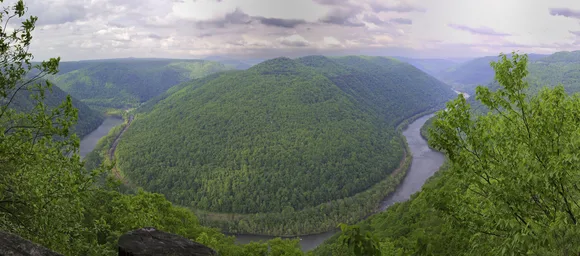
New River Gorge doesn't climb like western stone. The Nuttall sandstone overhangs hard, pockets deep, and demands technique more than power. Endless Wall alone hosts more than 400 routes across a clifftop that runs for miles, with classics like Diamond Point and Fern Buttress drawing climbers who return year after year. The rock quality surprises first-timers: more solid than Red River Gorge, more varied than the Gunks, and more accessible than almost anywhere else in the Eastern states.
You clip bolts at New River Gorge while watching Class V rapids pulse through the gorge below—the climbing feels vertical, but the context stays wild.
April hits the sweet spot before summer humidity turns the stone greasy and the gorge floor into a steam bath. The park's newest designation brought attention, but the climbing community has been here for decades, establishing routes that balance accessibility with genuine challenge. Bridge Buttress sits directly under the iconic steel arch span, offering moderate routes within sight of tourists walking the catwalk above. The juxtaposition—world-class climbing in America's newest national park, still largely ignored by the mainstream crowds—won't last forever. Visit before that changes.