8 National Parks for a Couples Getaway
Eight national parks where April delivers solitude, moderate weather, and landscapes that reward slow mornings and long conversations
April is the quiet middle ground between winter's last storms and summer's family crowds. It's also the month when couples who want more than a scenic overlook and a selfie station can actually find solitude at parks that feel like they were built for two. These eight parks deliver privacy, moderate weather, and landscapes that reward slow mornings and long conversations.
Whether you're chasing wildflower blooms in the desert or sunrise above the clouds in Hawaii, April gives you breathing room before the peak season rush.
Death Valley National Park
Larger than Connecticut / Peak season ends in April
Death Valley in April is what the desert promises but rarely delivers: wildflowers breaking through cracked mud, temperatures hovering in the low 80s, and enough space that you can drive an hour without seeing another car. The park's sheer size absorbs what few visitors come in spring. Start at Badwater Basin, where you can walk across North America's lowest point on a salt crust that crunches underfoot. Then head to Golden Canyon for a six-mile loop through ochre walls that glow orange at sunset.
Death Valley doesn't do romance the way Napa does — it does it by making you feel like the only two people on Earth.
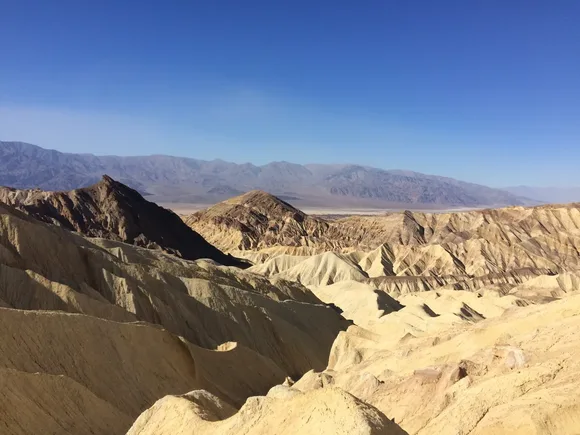
Zabriskie Point pulls in the sunrise crowd, but the real payoff comes at Dante's View, where you can see both Badwater Basin and Telescope Peak from 5,500 feet. The drive up takes 30 minutes on a winding road that feels more like Nevada backcountry than a national park scenic route. By late afternoon, most visitors head back to Las Vegas, leaving the Mesquite Flat Sand Dunes empty for couples willing to wait out the heat.
Grand Canyon National Park
More trail miles than most states have highways / Spring means fewer people on the Rim
April at the Grand Canyon splits the difference between winter snow and summer crowds. The South Rim stays open year-round, but you'll find parking spots at Mather Point without circling the lot. Temperatures sit in the mid-60s during the day, cool enough for the Bright Angel Trail without the July heat that turns the descent into an endurance test. Most couples stick to the Rim Trail, which runs 12 miles from South Kaibab Trailhead to Hermits Rest. You can walk the entire thing or hop the free shuttle and piece together shorter sections.
The Grand Canyon doesn't reward casual glances — you have to sit with it for an hour before your brain starts processing the scale.
Desert View Watchtower sits 25 miles east of Grand Canyon Village, far enough that most visitors never make it. Mary Colter designed the 70-foot stone tower in 1932 to mimic ancestral Puebloan architecture, and the top floor offers canyon views without the shoulder-to-shoulder crowd at Mather Point. If you want solitude, drive past Desert View to Lipan Point. The overlook sits right above the Colorado River, and on weekday mornings in April, you might have it to yourselves.
Bryce Canyon National Park
60 miles of trails through hoodoo forests / April mornings start cold
Bryce Canyon in April means fewer tour buses and snow-dusted hoodoos at sunrise. The park sits at 8,000 feet, so mornings start in the 30s and afternoons warm into the 50s. You'll want layers for the Navajo Loop Trail, which drops 500 feet into the amphitheater through Wall Street, a slot canyon so narrow you can touch both walls. The trail links up with Queen's Garden Trail for a 2.9-mile loop that most hikers finish in two hours. Expect crowds at the trailhead, but they thin out once you descend below the rim.
Hoodoos look like stone chess pieces left behind by giants who got bored and moved on.
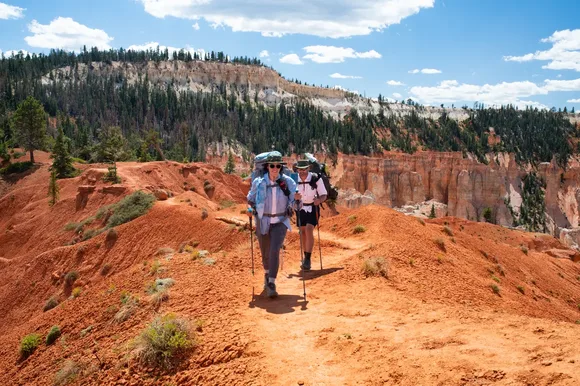
Sunrise Point lives up to its name, but Inspiration Point offers better views without the tripod crowd. The overlook sits 400 feet higher than the main amphitheater, giving you sight lines across Thor's Hammer and the Silent City. For a quieter hike, try Tower Bridge Trail, a two-mile out-and-back that sees a fraction of the traffic on Navajo Loop. The trail ends at a natural arch that looks like its San Francisco namesake, minus the fog and traffic.
Grand Teton National Park
Thirteen peaks top 12,000 feet / Spring means mud season and moose
April in the Tetons is technically spring, but snow lingers on trails above 7,000 feet and the high country stays closed until May. What you get instead is a quiet park with moose calving season in full swing and ice breaking up on Jenny Lake. The valley floor trails stay open, including the Laurance Rockefeller Preserve Loop, a 2.5-mile trail through aspen groves and along Phelps Lake. The preserve limits parking to 50 cars, which means you'll need to arrive early or wait for a spot.
The Tetons rise without foothills, so every view feels like someone hit the contrast button too hard.
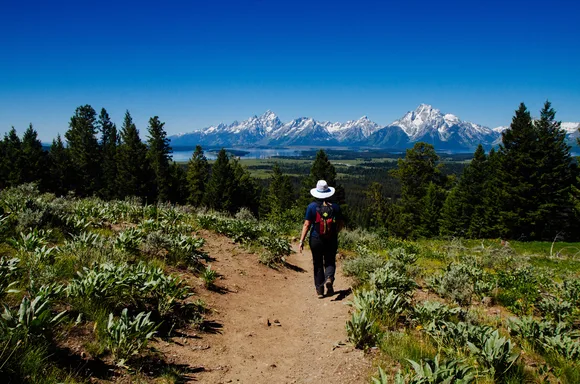
String Lake sits north of Jenny Lake and sees a fraction of the traffic. The 3.7-mile loop circles the shoreline through lodgepole pines, with views of Mount Moran across the water. April temperatures hover in the 50s during the day, cool enough for hiking but too cold for swimming. For a longer option, the Taggart Lake Trail runs three miles round trip through wildflower meadows that bloom late April into May. Bring bear spray — grizzlies wake up hungry in spring.
Haleakalā National Park
10,000 feet above the clouds / Sunrise requires reservations
Haleakalā in April means wildflowers blooming in the crater and sunrise temperatures around freezing. The summit sits high enough that you'll watch the sun break above the cloud line, turning the volcanic crater below into a sea of orange and pink light. Sunrise reservations sell out weeks in advance, but if you miss the window, sunset offers the same views with half the crowd. The Sliding Sands Trail descends into the crater through switchbacks that feel more like Mars than Hawaii.
Haleakalā is what happens when a volcano goes dormant and leaves behind a crater big enough to swallow Manhattan.
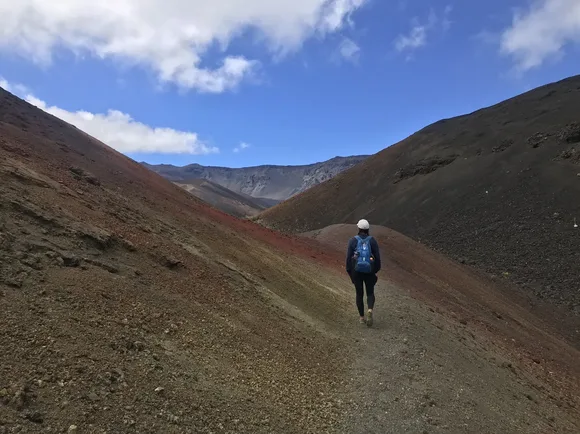
Most visitors turn around after sunrise and drive back down the mountain, but the Hosmer Grove Trail offers a quiet one-mile loop through a forest of eucalyptus and native shrubs. The trail sits at 7,000 feet, below the alpine desert but above the trade winds, creating a microclimate that feels more like the Pacific Northwest than the tropics. For a longer hike, the Halemau'u Trail drops 1,400 feet into the crater over four miles, passing silversword plants that bloom once in a lifetime before dying.
Crater Lake National Park
America's deepest lake fills a volcanic caldera / Most of the park stays closed until May
April at Crater Lake means snow, sometimes up to 15 feet at the rim. The park technically opens year-round, but the Rim Road stays closed until late May or early June, depending on snowpack. What you can access is the south entrance and the Rim Village area, where you'll find viewpoints looking out over the bluest water you've ever seen. The lake fills a caldera left behind when Mount Mazama collapsed 7,700 years ago, and no rivers feed it — only rain and snowmelt — leaving the water so pure scientists use it as a baseline for clarity studies.
Crater Lake's blue looks photoshopped until you see it in person, then you realize cameras can't capture it.
The Watchman Trail climbs 1.7 miles to a fire lookout perched 8,000 feet above sea level, but April snow makes the trail difficult without snowshoes. If the road is open, you can drive to the trailhead at Rim Village and hike as far as conditions allow. Most couples in April settle for viewpoints near the lodge and save the hiking for summer. The upside is you'll have the park mostly to yourself — April sees fewer visitors than most parks get on a slow Tuesday in July.
Denali National Park & Preserve
Larger than Vermont / Park Road opens incrementally through May
April in Denali is technically off-season, with the park road only open to mile 30 and most services still shuttered until Memorial Day. But if you're willing to trade convenience for solitude, April delivers a version of Denali that few visitors ever see. The Savage River Loop Trail runs 1.7 miles through tundra and willow thickets, and you'll likely spot caribou or dall sheep on the hillsides. Temperatures hover in the 40s during the day, cold enough that snow lingers in shaded areas but warm enough for hiking.
Denali doesn't reveal itself on a schedule — the mountain hides behind clouds 70 percent of the summer.
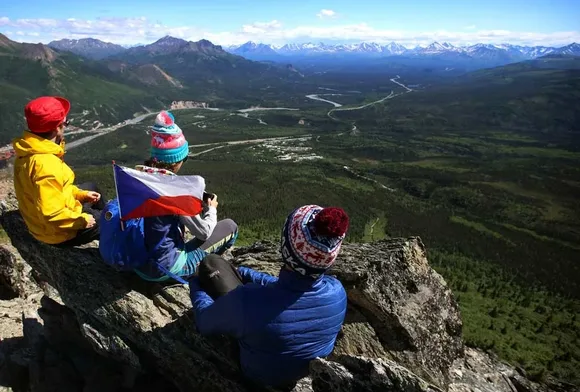
The Mountain House at Denali offers private cabins with views of the Alaska Range, and April rates run half what you'd pay in July. The park's sheer size means you can drive the accessible portion of the park road and see maybe three other cars. Mount McKinley sits 130 miles from Fairbanks, far enough that you'll want to budget two days just for the drive. Most couples fly into Anchorage and rent a car, but the Fairbanks route offers better mountain views and less traffic.
Glacier Bay National Park & Preserve
Reachable only by boat or plane / Fifteen tidewater glaciers calve into the bay
Glacier Bay in April is cold, wet, and almost deserted. The park sits in Southeast Alaska, accessible only by boat or floatplane from Juneau. Most visitors arrive on cruise ships in July, but April sees so few travelers that you can walk the Bartlett Cove shoreline and hear nothing but waves and calving ice. The park's temperate rainforest stays green year-round, with Sitka spruce and hemlock dripping moss like something out of a fantasy novel.
Glacier Bay feels like the earth is still under construction, with ice sheets retreating fast enough to measure year over year.
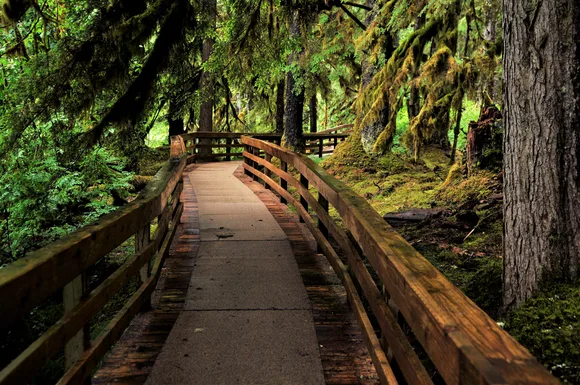
The only lodge in the park, Glacier Bay Lodge, opens in late May, so April visitors need to book a charter boat out of Gustavus or Juneau. Day trips run eight hours and include stops at South Marble Island, where Steller sea lions haul out on rocks, and Johns Hopkins Inlet, where glaciers calve house-sized chunks of ice into the bay. Humpback whales migrate through Glacier Bay in April and May, and you'll likely spot orcas hunting near the tidewater glaciers. The water is too cold for kayaking without a dry suit, but the boat tours get close enough that you'll feel the temperature drop as you approach the ice.