8 National Parks Where You Can Sleep Inside the Park
Eight national parks where staying inside the boundaries puts you on the trails before crowds arrive
Most national parks treat lodging as an afterthought, something you figure out in the nearest town after a long day on the trails. These eight parks do it differently. You can wake up inside the park boundaries, walk to a trailhead before breakfast, and return to a real bed without fighting gateway town traffic. That proximity changes the rhythm of your visit entirely.
April hits the sweet spot for several of these parks. Winter snow has cleared from high-elevation trails but summer crowds haven't arrived yet. You'll find moderate temperatures, accessible roads, and lodges that still have availability if you book a few weeks ahead.
Bryce Canyon National Park
Hoodoo forests at 8,000 feet / Packed in peak season, but trails thin out fast
Bryce Canyon Lodge sits 200 yards from the Rim Trail, close enough that you can watch sunrise paint the hoodoos orange before other visitors finish their drive from town. The lodge was built in 1925 and still operates with that same pragmatic efficiency: western cabins with gas fireplaces, a dining room that serves dinner until 9 PM, and a front porch where you can plan your next route while watching the light shift across the amphitheater. Most visitors drive the scenic road and stop at the overlooks, which means the Navajo Loop and Queen's Garden trails get shoulder-to-shoulder traffic by mid-morning. But if you're staying inside the park, you can hit Wall Street at 7 AM when the canyon walls are still in shadow and the only sound is your boots on red dirt.
The hoodoos pack so densely in some sections that you'll touch both walls as you descend, walking through a slot canyon made of spires instead of solid rock.
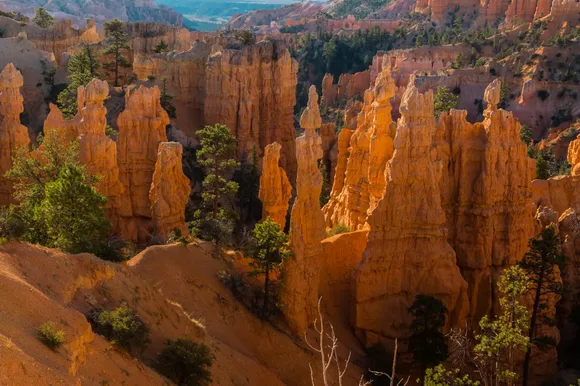
April brings unpredictable weather at this elevation. You might wake to snow flurries and eat lunch in a t-shirt three hours later. The lodge stays open year-round, but the campgrounds don't open until late April, which funnels more people toward hotel rooms in nearby towns. If you book one of the 114 lodge rooms or cabins, you're already inside the gate when most visitors are still negotiating the morning shuttle from Bryce Canyon City.
Crater Lake National Park
America's deepest lake in a volcanic caldera / Fewer people visit than should
Crater Lake Lodge perches on the caldera rim with the kind of view that makes you stop talking mid-sentence. The 1915 building went through a complete rebuild in the 1990s, which means you get historic charm without the sagging mattresses and questionable plumbing that usually come with it. The lodge operates from late May through mid-October, so April visitors need to plan around seasonal closures. But if you're visiting in summer, you can walk out the back door and access the Rim Trail within minutes, then follow it east toward Garfield Peak or west toward Discovery Point without ever getting in your car.
The water measures so pure that scientists use it as a baseline for clarity studies—you can see objects 100 feet below the surface on calm days.
The park sees fewer visitors than other western destinations despite having one of the most distinctive geological features in the national park system. Most people visit as a day trip while driving between Portland and the California border, which means they see the lake from Rim Village and keep moving. If you stay at the lodge, you have time to hike the Cleetwood Cove Trail, the only legal access to the shoreline. The two-mile round trip drops 700 feet to the water, and you'll earn every foot of elevation on the way back up. But reaching the shore of a 2,000-foot-deep volcanic lake feels worth the effort, especially when you can recover with dinner at the lodge dining room instead of facing a two-hour drive.
Denali National Park & Preserve
North America's tallest peak / More space per visitor than almost anywhere else
Denali has one road, and most of it closes to private vehicles beyond mile 15. That restriction turns the park's four lodging options into genuine base camps rather than convenient hotels. Camp Denali and North Face Lodge sit at mile 89, accessible only by bus, while Denali Backcountry Lodge operates at mile 92. These aren't drive-up accommodations with gift shops and WiFi. You're committing to a multi-day stay in the interior of a park larger than New Hampshire, where grizzlies and caribou outnumber people by significant margins.
Denali reveals itself at 20,310 feet, but only on clear days—clouds hide the summit roughly two-thirds of the time.
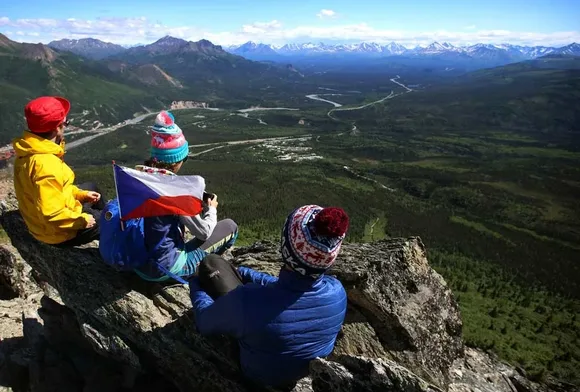
April falls outside the typical summer season, when most lodges operate from late May through mid-September. But the park itself stays open year-round, and the few winter visitors who make the trip find a level of solitude that's rare in the national park system. Summer guests use the lodges as staging points for day hikes and wildlife viewing along the Park Road, where buses provide the only access beyond the Savage River checkpoint. You'll spot Dall sheep on the slopes, watch for moose in the willow thickets, and scan the tundra for grizzlies digging for ground squirrels. The mountain might not show itself, but the wilderness experience doesn't depend on summit views.
Death Valley National Park
Larger than Connecticut / Best visited October through April when temps stay reasonable
The Inn at Death Valley sits at Furnace Creek, surrounded by date palms that were planted in the 1920s when this was a working ranch. The Spanish Colonial Revival building offers the kind of amenities you don't expect in the desert: a spring-fed pool, a restaurant that serves three meals daily, and rooms with air conditioning that actually matters when summer temperatures push past 120 degrees. April marks the tail end of the comfortable season, when daytime highs settle in the 90s instead of triple digits and you can still hike Golden Canyon without risking heat exhaustion.
Badwater Basin sits 282 feet below sea level, making it the lowest point in North America and roughly as inhospitable as the name suggests.
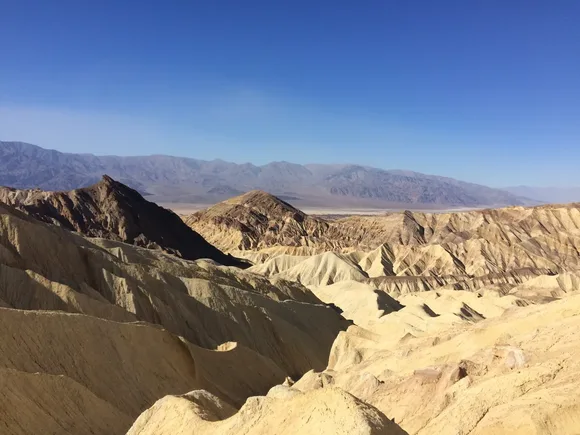
The inn gives you access to Furnace Creek's trail network and puts you within a 30-minute drive of Zabriskie Point, Dante's View, and the Mesquite Flat Sand Dunes. Most visitors treat Death Valley as a winter destination, which is smart given the temperature extremes. But the park covers more ground than any other in the lower 48 states outside Alaska, and having a base camp at Furnace Creek means you can tackle different sections each day without backtracking to Beatty or Pahrump. The salt flats, the singing dunes, and the moving rocks at Racetrack Playa all require significant driving, and returning to a real bed beats camping in 90-degree heat after sunset.
Everglades National Park
America's largest subtropical wilderness / Fewer visitors than it deserves
Flamingo Lodge sits at the southern tip of the park where the sawgrass prairie meets Florida Bay, 38 miles from the Ernest Coe Visitor Center. The lodge closed after Hurricane Wilma in 2005 and reopened in 2012 with eco-tents and cottages that prioritize function over luxury. You're here for the location, not the thread count. From Flamingo, you can paddle the backcountry waterways, fish the bay, or bike the Snake Bight Trail without seeing another person for hours. The Anhinga Trail gets crowded with day visitors photographing alligators and wading birds, but the longer routes into the Ten Thousand Islands mangrove maze reward guests who have time to explore.
The Everglades isn't a swamp—it's a river 60 miles wide and six inches deep, moving so slowly you can't see it flow.
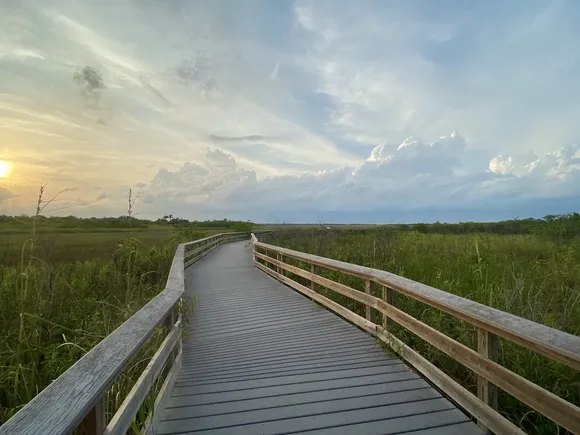
April falls at the end of the dry season, when receding water concentrates wildlife around remaining pools and ponds. You'll see more birds, more alligators, and more snakes than you would in the wet summer months when everything disperses across the flooded landscape. The heat and humidity start climbing toward summer levels, but temperatures still hover in the 80s rather than the 90s. Mosquitoes deserve their reputation here, so bring repellent and accept that you'll share the trails with insects. Most national parks ask you to look up at mountains. The Everglades asks you to look down at the water and pay attention to what's moving through it.
Glacier National Park
More trail miles than most states have highways / Size absorbs the summer crowds
Glacier has three lodges inside park boundaries: Lake McDonald Lodge on the west side, Many Glacier Hotel on the east, and Glacier Park Lodge just outside the southern entrance. Many Glacier sits in the park's most dramatic valley, where the Grinnell Glacier Trail and Iceberg Lake routes start within walking distance of the hotel. The 1915 building shows its age in places, but the location matters more than the amenities. You can watch bighorn sheep graze the slopes behind the hotel while planning your route over breakfast, then start hiking before the parking lot fills with day visitors driving in from St. Mary or West Glacier.
Twenty-six glaciers remain from the 150 that carved these valleys, and climate models suggest they'll be gone within decades.
Going-to-the-Sun Road typically opens in late June, which means April visitors find a different park than summer guests see. The high passes stay buried under snow, the lodges haven't opened yet, and most facilities remain shuttered until Memorial Day. But if you're willing to visit during the shoulder season, you'll have the open sections of the park nearly to yourself. Lake McDonald Lodge opens in late May, giving you a brief window before summer crowds arrive in July. The park's sheer size means you can find solitude even in peak season if you're willing to hike past the first lake or viewpoint, but staying inside the park boundaries gives you a head start that day visitors can't match.
Glacier Bay National Park & Preserve
Fifteen tidewater glaciers / Only accessible by boat or plane
Glacier Bay Lodge sits at Bartlett Cove, the park's only developed area, and represents your only lodging option without chartering a boat or plane. The 55-room lodge operates from late May through early September, offering rooms that overlook the cove and a dining room that serves locally caught seafood. You won't find luxury here, but you're trading amenities for access to a park most people only see from cruise ship decks. The Forest Loop Trail and Bartlett Cove Trail start behind the lodge, and boat tours into the bay depart from the dock a few hundred yards away.
Tidewater glaciers calve directly into the fjord with concussive booms you'll hear across miles of water.
Glacier Bay draws fewer independent travelers than it deserves, partly because reaching it requires planning. You'll fly into Juneau, take a puddle jumper to Gustavus, then transfer to the park. That complexity keeps visitor numbers manageable despite the park's dramatic scenery. Humpback whales feed in the bay during summer months, often surfacing close enough to boats that you'll feel the spray from their blowholes. Sea otters float on their backs cracking clams, harbor seals haul out on ice floes, and brown bears patrol the beaches. Staying at Bartlett Cove gives you time to explore beyond the standard day-cruise routes, either by kayak or through multi-day boat charters into the backcountry.
Grand Canyon National Park
One mile deep and 277 miles long / More people visit than live in Los Angeles
Grand Canyon has lodges on both rims, but Bright Angel Lodge and El Tovar at the South Rim put you closest to the main trails and viewpoints. El Tovar opened in 1905 as a luxury destination, and while it's been updated since then, the dining room still serves the park's best meals and the rooms still book months ahead. Bright Angel Lodge offers more modest accommodations right on the rim, with some rooms literally perched over the canyon edge. You can wake up, walk 50 yards, and watch sunrise paint the rock layers without fighting for parking at Mather Point.
The Colorado River carved through two billion years of geology, exposing rock formations older than most complex life on Earth.
April brings moderate temperatures to the South Rim before summer heat settles in. You'll find daytime highs in the 60s and 70s, cool enough for the Bright Angel Trail descent without starting at 4 AM to beat the heat. The trail drops 4,380 feet to the Colorado River over 9.6 miles, and most hikers turn around at Indian Garden or Plateau Point rather than committing to the full rim-to-river-to-rim journey. Staying at the rim lodges means you can tackle longer sections of the trail without worrying about driving back to Tusayan or Williams afterward. The park sees steady traffic year-round, but its size absorbs the crowds better than smaller parks. You'll share viewpoints with other visitors, but the trails thin out quickly once you drop below the rim.