8 National Parks With the Best Ranger Programs
Eight parks where rangers don't just talk—they unlock caves, cliff dwellings, and backcountry you can't access alone
Most visitors think of ranger programs as afterthoughts, something to check off between trail miles and scenic overlooks. That's a mistake. The best ranger programs don't just explain what you're looking at — they unlock layers of the park you'd never notice on your own. We analyzed program variety, accessibility, frequency, and thematic depth across all 63 national parks to identify the eight where rangers truly earn their titles. These parks don't just offer talks. They offer access to places you can't go alone, expertise you can't Google, and stories that change how you see everything else.
April is prime time for ranger programs. Spring weather makes cave tours comfortable, archaeological sites accessible, and wildlife active. Here's where to find the country's most essential ranger-led experiences.
Mammoth Cave National Park
Over 400 mapped miles beneath Kentucky / Tour-only access to the real caves
You cannot explore Mammoth Cave without a ranger. The world's longest cave system stays locked behind steel gates, accessible only through guided tours that range from easy strolls to belly-crawling expeditions through passages so tight you'll question your life choices. The Historic Entrance Tour drops you into the same routes that enslaved guide Stephen Bishop pioneered in the 1830s, navigating by oil lamp through chambers the size of cathedrals. The Frozen Niagara Tour takes you past flowstone formations that look like waterfalls caught mid-cascade. Rangers don't just point at rocks — they explain how cave crickets sustain an entire ecosystem and why writing your name on the ceiling in 1850 was considered normal tourism.
The rangers hold the only keys to 400 miles of darkness, and they know which passages will fit your comfort level.
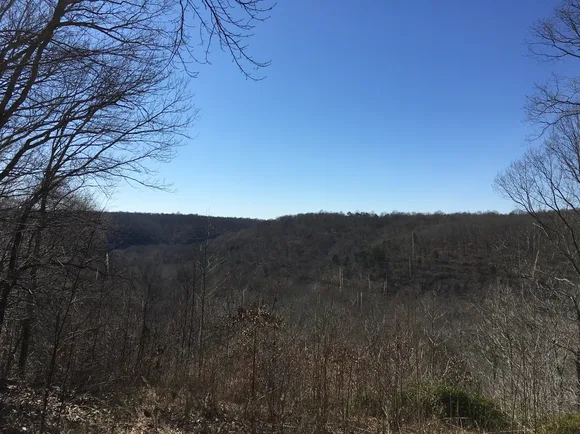
For families, the Frozen Niagara Tour offers the best balance of spectacle and accessibility — paved paths, dramatic formations, and a route that doesn't require crawling. The Wild Cave Tour goes the opposite direction: six hours of climbing, squeezing, and mud in sections of the cave that see fewer than a thousand people per year. Every tour sells out in April, when spring temperatures make the cave's constant 54 degrees feel perfect. Book your tour at least two weeks ahead, then plan your surface hiking around whatever time slot you secure.
Mesa Verde National Park
Seven hundred cliff dwellings across Colorado sandstone / Ladders required
Mesa Verde's cliff dwellings remain off-limits unless a ranger escorts you in. Cliff Palace — the 150-room complex tucked into an alcove the length of a football field — requires climbing four 10-foot ladders and crawling through a 12-by-18-inch tunnel. Rangers lead you through rooms where soot still stains the ceilings from 800-year-old cooking fires, explaining how the Ancestral Pueblo people hauled every stone up the cliff face and why they abandoned the site after just 75 years. Balcony House demands even more: a 32-foot ladder climb, a tunnel crawl on hands and knees, and a final scramble up 60 feet of open rock face with nothing but a modern handrail between you and empty air.
The ladders aren't for show — they're the same access routes the Ancestral Pueblo used, just with OSHA approval.
Most people assume Mesa Verde's tours cater to casual sightseers. They don't. These tours assume you can climb ladders, navigate uneven stone, and handle moderate exertion at 7,000 feet. Rangers tailor their talks to the group, answering questions about everything from water management to why certain rooms face south. For kids, the Junior Ranger program includes a special booklet focused on archaeology, and rangers run family-friendly evening programs at the campground amphitheater. April offers ideal conditions: mild days in the 70s, minimal crowds, and tours running on a schedule you can actually book without fighting half of Colorado for tickets.
Acadia National Park
Rocky Atlantic coast meets granite peaks / Packed in summer, manageable in spring
Acadia's ranger programs span tide pools, shipwrecks, and summit talks, but the programs worth rearranging your day for happen at low tide. Rangers lead two-hour walks across exposed reefs at Ship Harbor and Wonderland, flipping rocks to reveal green crabs, sea stars, and periwinkles while explaining why the Gulf of Maine is warming faster than 99% of the world's oceans. These aren't gentle nature talks — they're crash courses in intertidal ecology delivered by rangers who know which rocks hide octopuses. The summit programs on Cadillac Mountain offer something different: talks about Acadia's unusual geology, where ancient volcanic activity created the pink granite you'll see everywhere from Thunder Hole to Jordan Pond.
Low tide reveals a world most visitors miss entirely, and the rangers know exactly where to step.
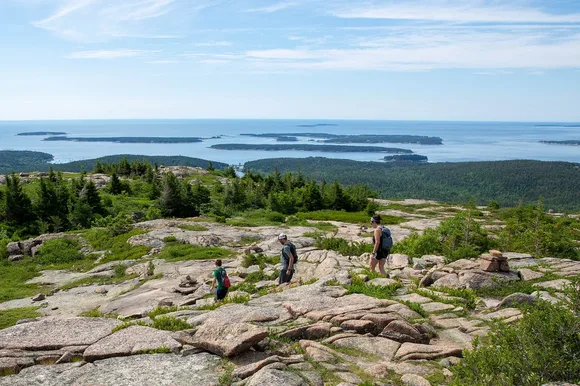
For families, the tide pool programs beat every other ranger activity in the park. Kids can touch hermit crabs, watch anemones retract, and learn why barnacles are crustaceans, not mollusks. Rangers adjust their talks based on the group, so a program with mostly adults digs deeper into climate impacts while a family group focuses on identification and touch tanks. Spring crowds stay manageable compared to the August chaos, and April tide schedules often align with midday programming — no need to wake at dawn or stay out past dark.
Bryce Canyon National Park
Earth's densest hoodoo forest at 8,000 feet / Summer crowds thin by sunset
Bryce Canyon's Full Moon Hike might be the most oversubscribed ranger program in the national park system. Rangers lead groups into the hoodoo amphitheater after dark during the three nights surrounding each full moon, when the orange spires glow white and shadows turn the forest floor into a maze. The program sells out months in advance, and for good reason: hiking among hoodoos by moonlight feels like walking through a stone city that shouldn't exist. The astronomy programs run year-round from the visitor center, where rangers set up telescopes and explain why Bryce's 8,000-foot elevation and distance from light pollution create some of the darkest skies in the Lower 48.
The hoodoos look alien in daylight, but under a full moon they look like they're glowing from within.
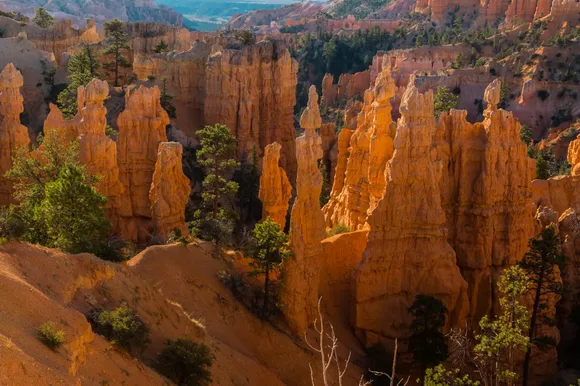
Daytime programs focus on geology — specifically, how frost wedging creates hoodoos by cracking limestone along vertical joints, then leaving behind the harder cap rock that protects the spire below. Rangers lead Rim Walk talks daily, stopping at viewpoints to explain why Bryce isn't technically a canyon and how the amphitheater grows by about a foot per century. For families, the Junior Ranger Night Explorer program combines astronomy with a short night hike, teaching kids how to spot constellations and why red flashlights preserve night vision. April offers mild weather and thinner crowds than summer, though snow can still close the Full Moon Hike if storms move through.
Carlsbad Caverns National Park
A 600-foot limestone chamber beneath the Chihuahuan Desert / 400,000 bats at dusk
Carlsbad's ranger programs split into two worlds: the cave below and the bat flight above. Underground, rangers lead specialized tours into sections of the cavern system closed to self-guided visitors. The King's Palace Tour descends deeper than the self-guided route, into chambers where rangers turn off all lights for 60 seconds of absolute darkness — the kind your eyes never adjust to, where you can't see your hand touching your nose. The Left Hand Tunnel Tour requires crawling and climbing through undeveloped passages lit only by headlamps, squeezing past formations that took 250 million years to grow. Above ground, rangers host nightly Bat Flight programs from May through October, when Mexican free-tailed bats spiral out of the cave mouth in a tornado of wings that takes 20 minutes to fully emerge.
The moment the lights go out in King's Palace, you understand what darkness actually means.
For families, the standard King's Palace Tour offers enough adventure without the crawling and climbing of the advanced tours. Kids find the total darkness demonstration both thrilling and slightly terrifying, and rangers explain how bats navigate the cave using echolocation that humans can't hear. The Bat Flight programs work for all ages — bring a jacket, since temperatures drop fast at dusk, and arrive early to claim a seat in the amphitheater. April sits just before bat season begins, making it ideal for cave tours without the bat flight crowds. The cavern stays a constant 56 degrees year-round, so the spring heat outside makes the underground temperature feel refreshing rather than cold.
Crater Lake National Park
America's deepest lake in a volcanic caldera / Snow closes roads until July
Crater Lake's ranger programs revolve around a single question: why is the water so impossibly blue. The answer involves volcanic eruptions, snowmelt purity, and light absorption at depths beyond 1,900 feet, but rangers explain it better while standing at the rim with the lake stretched out below like a bowl of liquid sapphire. Rim talks happen at multiple viewpoints throughout the day, with rangers discussing everything from the 7,700-year-old eruption that created the caldera to the ongoing research into the lake's unique ecosystem. The geology walks along the Watchman Trail take you to a fire lookout where rangers point out Wizard Island — a volcanic cinder cone that grew inside the caldera after the main eruption.
The lake's blue seems Photoshopped until you're standing at the rim, and even then your brain struggles to accept it as real.
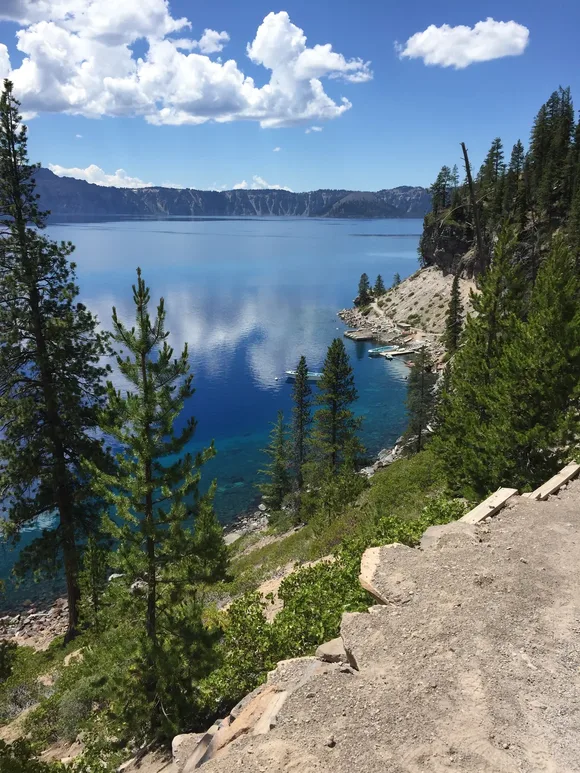
April is too early for most of Crater Lake's ranger programs. Snow typically keeps Rim Road closed until early July, and ranger talks don't ramp up until the roads open. By late July and August, rangers lead boat tours to Wizard Island, where you can hike to the summit of the cinder cone and peer into its crater. For families, the Junior Ranger program includes a snow-themed booklet in spring and early summer, when 15-foot drifts still line the parking areas. If you visit in April, expect limited access and minimal ranger programming, but also expect crowds thin enough that you might have entire viewpoints to yourself.
Denali National Park & Preserve
North America's tallest peak across six million acres / One road, mandatory buses
Denali's Discovery Hikes rewrite what ranger programs can be. Instead of talks at viewpoints, rangers lead groups off-trail into trackless tundra for three to five hours of actual hiking. You'll wade creeks, scramble over tussocks, and scan for grizzlies while rangers explain how permafrost shapes the landscape and why willows grow in spirals. These aren't gentle nature walks — they're legitimate backcountry excursions with rangers who know how to navigate without trails and what to do if a bear shows interest. The sled dog demonstrations at park headquarters run daily all summer, showcasing the only working dog teams still used in the park service and explaining why huskies remain essential for winter patrols.
The ranger doesn't follow a trail because there isn't one — you're hiking exactly where your legs and the terrain allow.
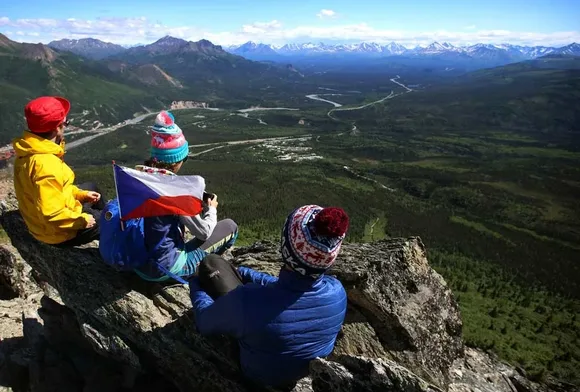
For families, the sled dog demos beat the Discovery Hikes for sheer entertainment value. Rangers let kids meet the dogs after the demonstration, and the puppies generally steal the show from whatever educational content the rangers planned. The evening programs at campground amphitheaters cover wildlife, glaciology, and mountaineering history, often featuring rangers who've summited Denali or spent seasons at remote research stations. April is too early for most of Denali's road-based programming, as the Park Road doesn't open to buses until late May. If you visit in early summer, expect Discovery Hikes to book solid within hours of release, and plan to wake early for the dog demos before the buses return from the backcountry.
Everglades National Park
America's largest subtropical wilderness / Alligators everywhere
Everglades rangers specialize in wading. The slough slogs take you knee-deep into sawgrass marshes where you'll walk slowly through water teeming with life you'd never spot from the boardwalks. Rangers point out apple snails, explain how alligators create the solution holes that sustain dry-season wildlife, and identify bird calls echoing across the River of Grass. These programs require water shoes, long pants, and acceptance that you'll get wet and muddy. The Anhinga Trail talks run several times daily, offering easier wildlife viewing where alligators sun on the banks so close you'll see every scale and tooth.
Wading into the sawgrass with a ranger reveals the Everglades as a river, not a swamp.
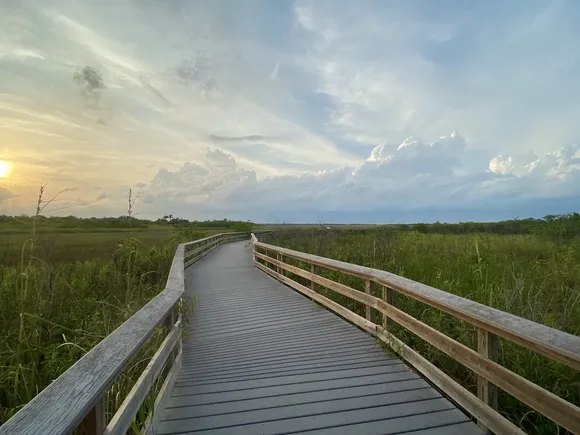
For families, the Anhinga Trail programs deliver guaranteed wildlife sightings without the wading commitment. Rangers explain how anhinga birds hunt underwater and why the Everglades is the only place on earth where alligators and crocodiles coexist. Kids love spotting alligators from the safety of the boardwalk, and rangers bring field guides to help identify the dozens of bird species that congregate at Royal Palm. April offers ideal conditions: temperatures in the 80s, minimal mosquitoes as the wet season hasn't started, and migratory birds still lingering before heading north. The slough slogs book quickly, especially in winter and spring when water levels stay manageable and temperatures don't climb into the 90s.