8 National Parks With the Most Campgrounds
These parks lead the country in campground volume, spreading hundreds of sites across varied terrain and seasons
The best campground isn't always the one with the best views. It's the one with an open site when you need it. Some national parks offer a single developed campground with a few dozen sites. Others spread hundreds of sites across a dozen campgrounds, giving you options when your first choice fills up at dawn.
These eight parks lead the country in sheer campground volume. They didn't earn their spots by accident. Large parks with varied terrain need multiple campgrounds to serve different ecosystems and trailheads. Parks with long seasons keep more campgrounds open. And a few simply recognized early that demand would outpace supply if they didn't build capacity. Here's where you'll find the most options.
Yellowstone National Park
Twelve campgrounds scattered across terrain larger than Rhode Island and Delaware combined / September brings elbow room
Yellowstone operates twelve campgrounds with enough combined capacity to host a small city. The park spreads them across different ecosystems: Canyon Campground puts you near the Grand Canyon of the Yellowstone, Madison sits along a blue-ribbon trout stream, and Slough Creek requires a dirt road to reach. Five campgrounds operate on a first-come, first-served basis, which sounds terrifying until you realize the park's size absorbs most of the crowds that concentrate around Old Faithful and the Upper Geyser Basin.
The campgrounds here aren't afterthoughts — they're base camps for exploring a park where geysers, canyons, and wildlife corridors sit miles apart.
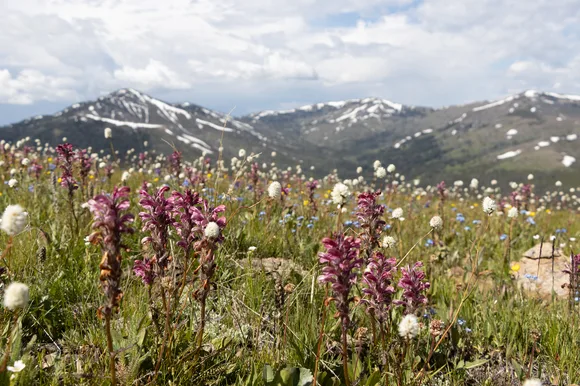
Bridge Bay and Fishing Bridge RV Park handle the lake crowd, while Mammoth stays open year-round for winter visitors chasing bison in the snow. The campgrounds near Lamar Valley fill with photographers waiting for wolves at dawn. Each campground serves a different corner of the park, so your choice matters more than usual. Book the southern sites for geyser access, the northern sites for wildlife, and the eastern sites for solitude.
Yosemite National Park
Fifteen campgrounds from the valley floor to high country / May beats the July crush
Yosemite's fifteen campgrounds range from the valley's pavement and crowds to Tuolumne Meadows' high-elevation granite. Half of them sit outside Yosemite Valley, which matters because most visitors never leave the seven square miles where Half Dome and El Capitan dominate. Camp 4 remains legendary among climbers as a walk-in campground where you share sites with strangers and swap beta on the Valley's big walls. Upper Pines and Lower Pines handle the families who want flush toilets and proximity to the shuttle.
The campgrounds outside the valley don't offer Yosemite's greatest hits, but they do offer something rarer: space to breathe.
Tuolumne Meadows Campground opens in late June when Tioga Road clears and delivers high-elevation camping at 8,600 feet. Wawona sits near Mariposa Grove and feels like a different park entirely. Hodgdon Meadow and Crane Flat give you early-season access before the high country opens. The campgrounds book out months in advance for summer weekends, but midweek spring and fall sites appear regularly if you check daily.
Sequoia & Kings Canyon National Parks
Fifteen campgrounds across two parks managed as one / Half as crowded as Yosemite next door
Sequoia and Kings Canyon technically count as separate parks, but they share an entrance fee and campground system that spreads fifteen campgrounds across elevation zones from foothills to alpine. Lodgepole Campground sits near Giant Forest and the General Sherman Tree, making it the obvious choice until you realize it also makes it the obvious choice for everyone else. Dorst Creek runs quieter while keeping you close to sequoia groves.
The parks split campgrounds between sequoia groves, river canyons, and high Sierra access points — your pick determines which ecosystem you wake up in.
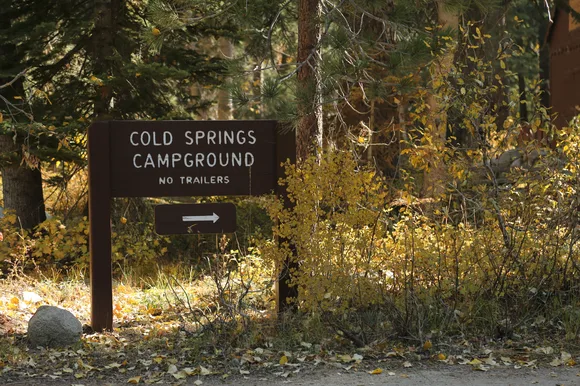
Kings Canyon's Cedar Grove area clusters four campgrounds along the river at the bottom of one of North America's deepest canyons. The road ends at Roads End, where backpackers start multi-day trips into the John Muir Wilderness. Cold Springs Campground sits near the Mineral King area, a glacial valley that requires a twisting hour-long drive on a road built for 1920s cars. These parks draw fewer visitors than Yosemite despite offering similar Sierra scenery, and the campground availability reflects it.
Grand Teton National Park
Eight campgrounds where mountain reflection photos are mandatory / Jackson Hole Airport sits twelve miles south
Grand Teton concentrates eight campgrounds along the base of the range, each offering slightly different views of the same improbable skyline. Jenny Lake Campground delivers the most dramatic setting — tent-only sites a ten-minute walk from the water — but it's also the hardest to snag. Gros Ventre runs largest and fills last, sitting far enough from the peaks that most people skip it until everything else books solid.
Waking up to the Tetons from a campsite costs $35 a night — the same view from Jackson Hole hotels runs ten times that.
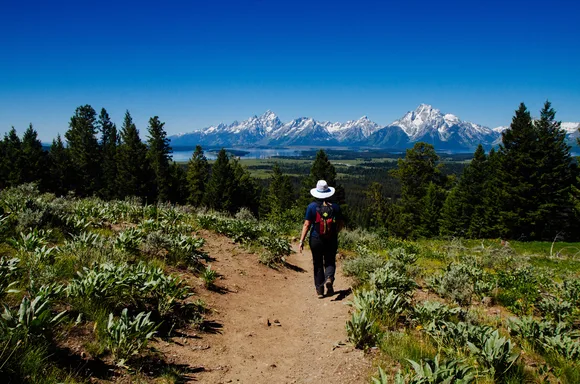
Signal Mountain sits on Jackson Lake's shore with boat launch access, while Colter Bay handles the RV crowd with full hookups. Lizard Creek occupies the north end of the park near the Yellowstone border, giving you a shot at sites when everything south fills up. The campgrounds book out fast for July and August, but shoulder season in June and September opens up availability and better weather for hiking anyway.
Glacier National Park
Thirteen campgrounds split between Going-to-the-Sun Road and the wilderness edges / June means wildflowers and open passes
Glacier's thirteen campgrounds serve a park where the main road closes seven months a year and the western valleys feel nothing like the eastern plains. Apgar and Fish Creek anchor the west side near Lake McDonald, while Many Glacier and Two Medicine put you closer to the trails that access the park's remaining glaciers. St. Mary Campground sits at the eastern portal of Going-to-the-Sun Road, making it the staging ground for sunrise drives over Logan Pass.
The campgrounds along Going-to-the-Sun Road book solid for summer, but the remote sites near Kintla Lake and Bowman Lake stay quiet even in peak season.
Half the campgrounds operate first-come, first-served, which sounds like a gamble until you realize those sites usually sit in the park's less-trafficked corners. Kintla Lake requires an hour on gravel roads but rewards you with one of the park's most pristine valleys. Rising Sun sits mid-way along Going-to-the-Sun Road with sunrise views over St. Mary Lake. The park pulls in serious crowds during July and August, but the sheer variety of campground locations means you can usually find something if you're flexible.
Great Smoky Mountains National Park
Thirteen campgrounds absorbing crowds that exceed the population of Los Angeles / April delivers spring wildflowers before the humidity arrives
The country's most-visited park needs thirteen campgrounds to handle the volume, and even that's barely enough. Cades Cove Campground sits near the historic valley loop that draws more cars than most highways see. Elkmont anchors the Tennessee side near Gatlinburg's chaos, while Smokemont serves the North Carolina entrance. Deep Creek and Balsam Mountain run quieter, requiring drives on winding mountain roads that deter casual visitors.
The campgrounds here fill fast not because they're exceptional, but because twelve million people visit annually and most of them need somewhere to sleep.
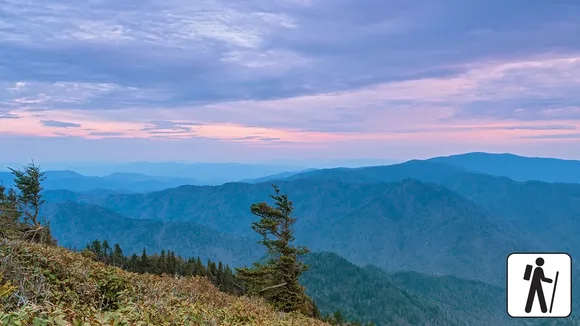
Cosby Campground sits in the northeast corner where most tourists never venture, offering access to Mount Cammerer and trails into the park's least-crowded quadrant. Cataloochee requires a thirty-minute drive on a one-lane dirt road but puts you in a historic valley where elk herds graze at dusk. The park's camping operates year-round at select campgrounds, giving you the rare option to pitch a tent in January when the crowds vanish and the mountains turn quiet.
Death Valley National Park
Twelve campgrounds scattered across an area larger than Connecticut / February means mild days before the desert turns lethal
Death Valley's twelve campgrounds span elevations from below sea level to 8,000 feet, which matters when summer temperatures at Furnace Creek hit triple digits while the mountains stay tolerable. Furnace Creek Campground handles the crowds near the visitor center and flush toilets. Texas Spring and Sunset sit nearby with similar amenities and similar crowds. Stovepipe Wells puts you near the sand dunes where footprints reset with every windstorm.
The high-elevation campgrounds at Mahogany Flat and Thorndike stay cool when the valley floor becomes uninhabitable — but they close when snow blocks the roads.
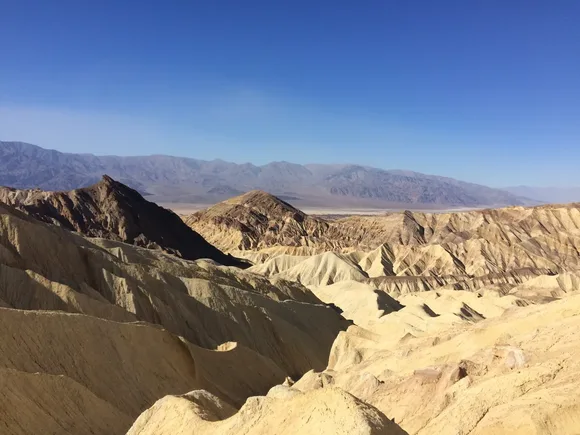
Wildrose sits at 4,100 feet with juniper and pinyon pine instead of creosote, offering a completely different Death Valley than the salt flats suggest. Mesquite Spring occupies the north end near Scotty's Castle and rarely fills even during wildflower season. The park's size and extreme conditions mean campground choice affects more than convenience — it determines whether you're camping in reasonable temperatures or testing your survival skills.
Olympic National Park
Twelve campgrounds across rainforest, alpine, and coastline / June opens Hurricane Ridge while the coast stays wild
Olympic's twelve campgrounds reflect the park's split personality: temperate rainforest in the Hoh and Quinault valleys, alpine sites near Hurricane Ridge, and coastal camping along the Pacific. Kalaloch sits right on the beach where driftwood piles create sculpture gardens and tide pools reset twice daily. Mora and Ozette serve the northern coast where sea stacks rise from the surf and hikers walk miles without seeing houses.
The rainforest campgrounds deliver the full Northwest experience — moss-draped hemlocks, Roosevelt elk, and rain that falls so gently you barely notice getting soaked.
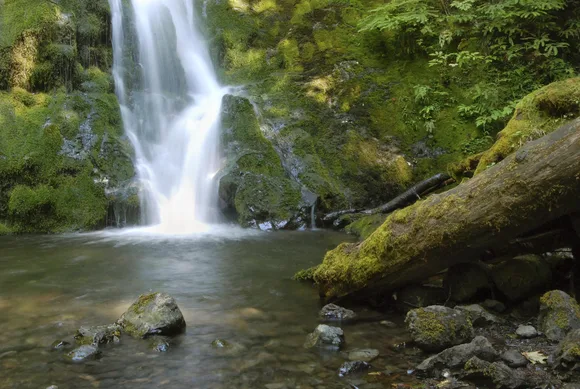
Sol Duc sits near hot springs and the trailhead for High Divide, while Heart O' the Hills anchors access to Hurricane Ridge's alpine zone. Hoh Rain Forest Campground fills with photographers chasing the perfect shot of Hall of Mosses under filtered light. Dosewallips requires a washboard gravel approach but rewards you with river access and mountains rising directly from camp. The park's geography spreads campgrounds far enough apart that you can't easily sample multiple ecosystems without relocating.