8 national parks with the most dramatic summer thunderstorms
Where August thunderstorms turn national parks into electric theaters, from alpine peaks to desert canyons
Summer thunderstorms in national parks aren't just weather — they're a geologic spectacle. Lightning illuminates canyon walls, rain transforms desert washes into rivers, and the smell of ozone mixes with wet pine. These eight parks turn afternoon storms into the main event, where you'll want to watch from shelter as cells build over peaks and plateaus.
The ranking comes from August lightning strike density, storm frequency data, and terrain that amplifies the drama. Mountains force moisture upward, desert heat triggers convection, and altitude puts you closer to the action. Here's where to experience it safely.
Denali National Park & Preserve
Taller than Everest base-to-summit / One road, six million acres
Denali's subarctic storms roll across tundra with nothing to stop them. You'll see cells building from 20 miles away, then watch as rain sweeps horizontally across the Park Road while the Alaska Range disappears behind curtains of precipitation. Lightning strikes the exposed ridges above Wonder Lake, and the thunder echoes off Denali itself — when the peak isn't buried in clouds. The park's sheer size means storms move through distinct weather zones: rain at Savage River, snow at Polychrome Pass, and clear skies at Teklanika, all within an hour's drive.
In Denali, storms don't pass overhead — they march across the horizon like a visible weather system, complete with defined edges and rotating cells.
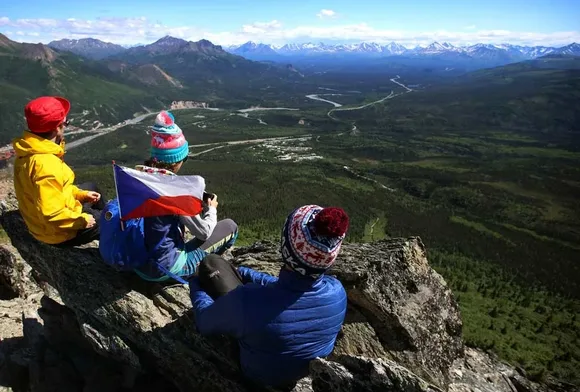
Most visitors experience this from the bus, which is actually the safest vantage point. Backpackers caught above treeline have fewer options; the sparse vegetation offers almost no shelter, and descending to stream valleys puts you at risk of flash flooding. August brings peak lightning activity alongside peak visitation, but the park's vastness absorbs the crowds. You'll have plenty of room to watch the sky darken without bumping elbows.
Rocky Mountain National Park
Alpine terrain above 12,000 feet / More trails than you can walk in a season
Trail Ridge Road puts you at cloud level when afternoon storms build, and the experience is visceral: one minute you're watching distant cells over the Never Summer Range, the next you're inside the storm with zero visibility and lightning striking exposed tundra. Rocky Mountain sees some of the most predictable thunderstorm patterns in the park system. Clear mornings give way to cumulus buildup by noon, then cells explode into full thunderstorms between 2 and 4 PM. The Continental Divide acts as a trigger, forcing moisture upward until it can't hold anymore.
When thunder rolls across Bear Lake, it doesn't fade — it multiplies, bouncing off Hallett Peak and Flattop Mountain until the entire basin reverberates.
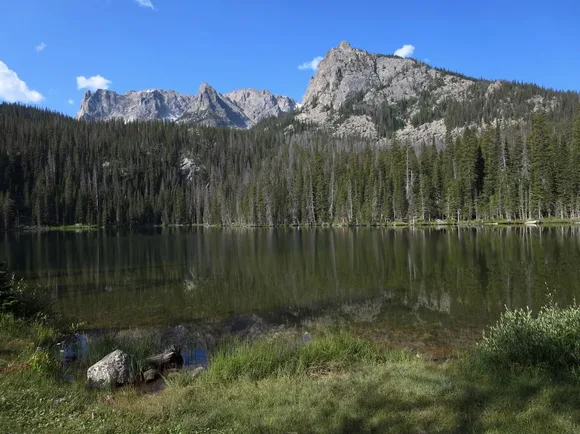
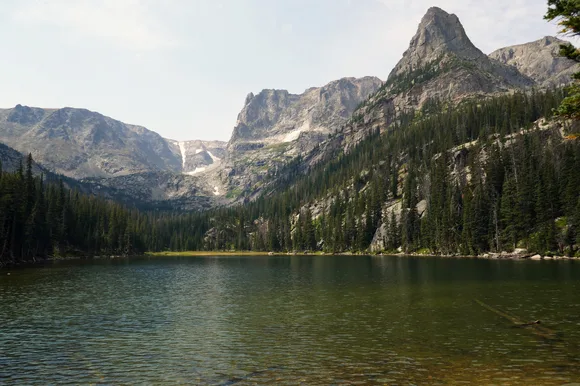
Hikers targeting Longs Peak start at 3 AM partly to avoid crowds, but mostly to descend below treeline before the lightning starts. The Keyhole Route sees multiple strikes every August afternoon, and there's nowhere to hide on the exposed ridge. Lower-elevation lakes like Emerald and Dream offer safer storm-watching; you can shelter in the pines while rain dimples the water and lightning illuminates the peaks above. The park's popularity means you'll share the experience, but the drama doesn't diminish with company.
Grand Canyon National Park
Mile-deep chasm carved over two billion years / Lightning illuminates every geologic layer
Monsoon season transforms the Grand Canyon from a static geologic exhibit into a kinetic weather theater. Storms build over the North Rim's higher elevation, then sweep across the canyon while lightning strikes both rims and the inner gorge simultaneously. The scale makes depth perception impossible: a cell that looks close might be 10 miles away across the void, but the thunder arrives seconds later, amplified by canyon acoustics. Rain rarely reaches the canyon floor in summer — it evaporates mid-descent — but the South Rim gets drenched while tourists crowd under viewpoint shelters.
Watching lightning fork into the canyon's layered walls is like seeing electricity choose its path through a geology textbook.
Thunderstorms also trigger the canyon's most dangerous flash flood conditions. Bright Angel and South Kaibab trails descend through narrow sections where water funnels from the rim, and hikers have been swept away by floods that started in clear skies at their location. August brings peak storm activity alongside oppressive heat — rim temperatures hit the upper 90s, and the inner canyon exceeds 110F before storms cool things down. Rangers close trails when radar shows cells building, so check conditions before descending.
Big Bend National Park
Where the Chisos Mountains rise from Chihuahuan Desert / More bird species than any other park
Big Bend's August storms are rare enough to feel like an event. The park sits in the rain shadow of multiple mountain ranges, so when moisture finally arrives from the Gulf, it dumps hard and fast. The Chisos Mountains trigger convection, pulling desert heat upward until clouds explode over Casa Grande and Emory Peak. Lightning illuminates Santa Elena Canyon's 1,500-foot limestone walls, and arroyos that sat dry for months turn into roaring torrents within minutes. Most visitors avoid Big Bend in August — it's the park's quietest month — but those who endure the heat get rewarded with storms that feel biblical in their intensity.
Desert lightning doesn't diffuse through humidity — it cracks the sky in sharp, white forks that seem close enough to touch.
The Window Trail offers front-row seats when storms build over the Chisos Basin. You'll watch cells form overhead, then funnel rain through the V-shaped pour-off that gives the trail its name. The temperature drops 20 degrees in minutes, and the smell of wet creosote fills the air — the desert's signature scent. Flash floods are the real danger here; crossing dry washes during monsoon season puts you at risk even when the sky above you stays clear. Storms dump upstream, and water arrives with almost no warning.
Glacier National Park
700 miles of trails connecting glacial lakes / Going-to-the-Sun Road climbs to Logan Pass
Glacier's storms move fast and hit hard, fueled by moisture from the Pacific and trapped by the Continental Divide. You'll see them building over peaks like Reynolds and Heavens, then watch as rain sweeps across Hidden Lake and down into the valleys. Lightning strikes the Garden Wall and illuminates the road carved into its face, and hikers caught on Highline Trail have nowhere to descend quickly. The park's glacial lakes act like storm magnets: Lake McDonald and St. Mary Lake sit directly in the path of prevailing weather, and afternoon cells stall over the water while rain hammers the shoreline.
When storms roll through Many Glacier, the sound builds in layers — rain on the lake, thunder off Grinnell Point, and rockfall triggered by lightning strikes on the peaks.
Going-to-the-Sun Road becomes especially dramatic during storms. You're exposed on cliff-face sections with no pullouts, and rain reduces visibility to feet. Rangers sometimes close the road when lightning frequency spikes, stranding visitors on opposite sides of the divide. August sees the most storm activity, but also the best hiking conditions — assuming you start early and finish before the afternoon cells build. The trade-off is timing: summit Grinnell Glacier by noon or accept the risk of descending in a thunderstorm.
Theodore Roosevelt National Park
Badlands that turned a politician into a conservationist / Wild bison roam between buttes
The North Dakota badlands don't look like storm country until the sky turns green and you realize how exposed you are. Thunderstorms build over the grasslands with nothing to slow them, then hammer the buttes with rain that carves new channels in the soft sediment. Lightning strikes isolated peaks and cottonwoods along the Little Missouri River, and the whole landscape seems to vibrate with thunder. Roosevelt's Scenic Loop Drive becomes a moving storm observatory: pull over at any overlook and watch cells march across the prairie while bison graze unconcerned in the foreground.
Badlands storms arrive with a color shift — blue sky turns yellow-green, then the first drops hit like they're being thrown.
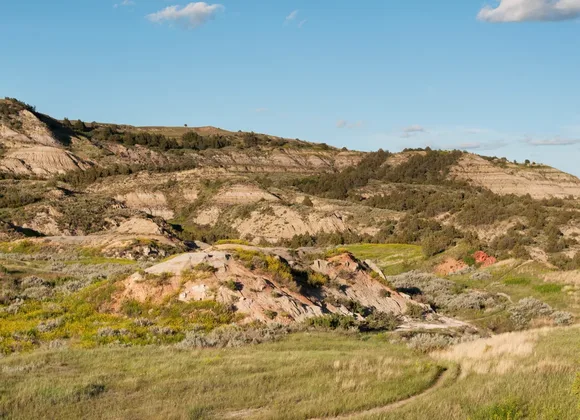
The park's compact size means you can outrun most storms by driving to the opposite end of the loop, but flash floods hit the backcountry hard. Petrified Forest Trail crosses multiple drainages that fill instantly during heavy rain, and hikers have been stranded waiting for water to recede. August brings peak heat alongside peak thunderstorms; temperatures hit the mid-80s before storms cool things into the comfortable range. Most visitors discover this park by accident while crossing North Dakota, but the few who time it for storm season leave with a different understanding of prairie weather.
Yellowstone National Park
Larger than Rhode Island and Delaware combined / Half of Earth's geysers erupt here
Yellowstone's thunderstorms add sound and fury to a landscape already defined by geothermal violence. Lightning illuminates steam plumes from geysers, and rain sizzles when it hits the ground near Grand Prismatic Spring. The park's high-altitude plateaus trigger afternoon convection; clear mornings at Lamar Valley give way to towering cumulus by early afternoon, then full storms by 3 PM. The Grand Canyon of the Yellowstone funnels thunder like an amplifier, and hikers on Mount Washburn get caught above treeline with alarming regularity. Rangers post lightning warnings at trailheads, but visitors ignore them and summit anyway.
Nothing prepares you for the surreal experience of watching lightning strike near Old Faithful while tourists in ponchos wait for the next eruption.
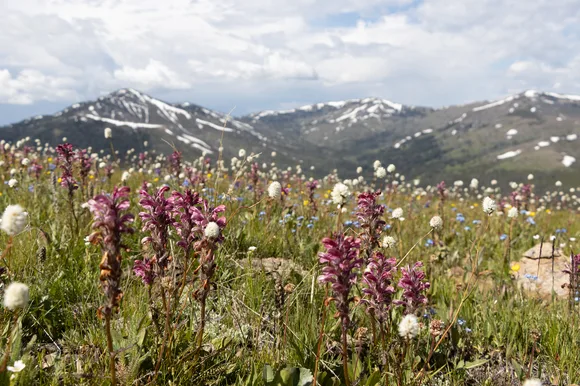
The park's size works in your favor here; even during peak season in August, you can find space to watch storms without crowding. Hayden Valley offers some of the best storm-watching: pull over anywhere along the road and scan the horizon as cells build over the Absaroka Range. Bison and elk continue grazing through lightning strikes, seemingly unbothered by the chaos overhead. Flash floods are less common here than in desert parks, but thermal features create their own hazards — wet boardwalks near hot springs become skating rinks, and visitors slip into scalding water every year.
Sequoia & Kings Canyon National Parks
Giant sequoias with trunks exceeding 30 feet wide / General Sherman is the largest tree on Earth by volume
Thunderstorms in the Sierra Nevada don't just create drama — they sustain the sequoia groves. Lightning-sparked fires clear undergrowth and release sequoia seeds from their cones, perpetuating forests that have stood for thousands of years. August storms build over the Kaweah Range and dump rain on Giant Forest while lightning strikes the tallest trees. The sequoias themselves act as natural lightning rods; you'll see charred scars on trunks that prove these trees have survived dozens of strikes. Kings Canyon funnels thunder into a deafening roar, and waterfalls triple in volume within an hour of heavy rain.
Sheltering under a giant sequoia during a thunderstorm feels simultaneously safe and reckless — the tree has survived millennia of lightning, but that doesn't mean it won't attract the next strike.
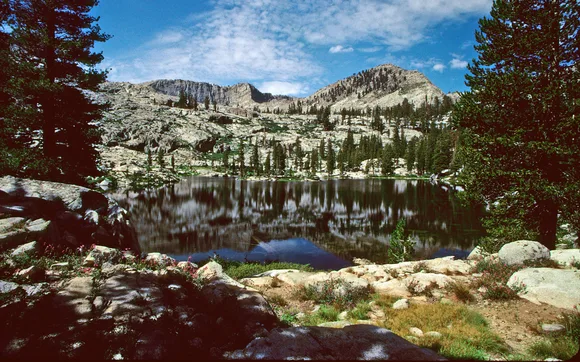
Moro Rock becomes especially dangerous during storms; the granite dome rises 300 feet above the forest and attracts lightning like a magnet. Rangers close the trail when cells approach, but the view from the base still delivers as rain sweeps across the sequoia canopy and lightning illuminates the western divide. The parks stay relatively uncrowded even in August, so you'll have room to find your own storm-watching spot among the giants. Just stay off exposed granite and avoid the tallest trees when lightning frequency picks up.