8 National Parks With the Most to Do
These eight parks pack more activities into one trip than most national parks offer in three seasons
Variety matters more than scale. You can drive a hundred miles through the same geologic story, or you can spend three days in a park that flips from granite cliffs to giant sequoias to alpine lakes without ever repeating itself. The best national parks for activity variety pack enough terrain types, trail systems, and seasonal experiences to justify a week-long trip without doubling back on the same view twice.
These eight parks earned their spots by offering the widest range of high-quality activities — from rock climbing to kayaking to ranger-led stargazing programs. In April, when spring arrives unevenly across the country, several of these destinations hit their sweet spot: waterfalls at peak flow, trails clear of snow but not yet crowded, and temperatures mild enough to spend the whole day outside.
Grand Teton National Park
Fifteen activities that all rate excellent / Granite walls meet glacial lakes
The Tetons rise without preamble from the valley floor, a 7,000-foot vertical gain that makes every trailhead feel like it starts halfway up a mountain. You'll find rock climbers on the Cathedral Group spires, kayakers crossing Jenny Lake to hidden beaches, and families walking the String Lake loop where the water stays shallow enough for wading through July. The park manages to compress alpine terrain, glacial lakes, and sagebrush flats into a space smaller than Rhode Island, which means you can summit a 12,000-foot peak in the morning and fish the Snake River by afternoon.
Most parks make you choose between mountains and water — the Tetons give you both in the same eyeline.
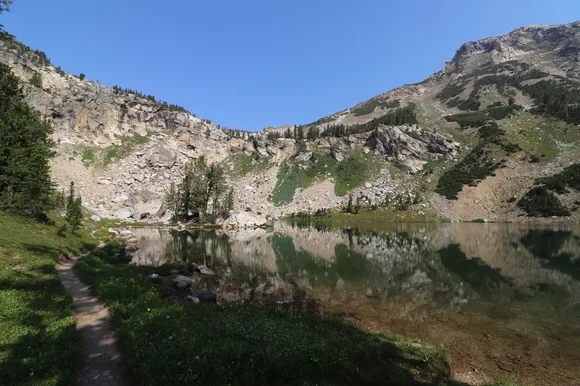
April sits on the early edge of the season here, with lower-elevation trails like Taggart Lake usually clear by mid-month while Cascade Canyon still holds snowpack. The shoulder season brings migrating elk through the valley, and you'll share the park with a fraction of the summer crowds. Kids gravitate to the Laurance Rockefeller Preserve, where the interactive exhibits explain ecology without feeling like a classroom, and the loop trail stays flat enough for short attention spans.
Yosemite National Park
More trail miles than Delaware has roads / Valley floor to alpine in one day
Yosemite compresses its most famous features into seven square miles of valley floor, but the park sprawls across terrain roughly the size of Rhode Island. Most visitors never leave the valley, which means the high country around Tuolumne Meadows and the Mariposa Grove trails stay relatively uncrowded even in July. You can boulder at the base of El Capitan, backpack the High Sierra Camps loop, mountain bike the valley floor, or wade into the Merced River where it pools below Vernal Fall.
Half Dome pulls focus, but the real variety lives in the 700-plus miles of trail that most people never touch.
April brings peak waterfall flow, when Yosemite Falls drops half a mile in three tiers and the mist from Bridalveil Fall soaks the parking area. The Mist Trail to Vernal Fall lives up to its name this time of year — bring rain gear or accept getting drenched. Kids cluster around the nature center at Happy Isles, where hands-on exhibits explain how glaciers carved the valley, and Junior Ranger programs run daily even in shoulder season. The giant sequoias in Mariposa Grove open by late April most years, and the six-mile loop through the grove stays moderate enough for families.
Glacier National Park
Trails that stretch farther than most state highways / Twenty-six glaciers still carving valleys
Going-to-the-Sun Road gets the attention, but Glacier's trail network offers more variety than the scenic drive suggests. The Many Glacier area alone delivers day hikes to active glaciers, alpine lakes that stay frozen into July, and grizzly habitat so rich that rangers close trails mid-season when bears congregate. You can paddle across Lake McDonald in a rented canoe, ride horseback to Granite Park Chalet, or cross-country ski the Apgar trails when the road closes from October through June.
The park's size absorbs the crowds — even in peak season, you'll find solitude three miles past any trailhead.
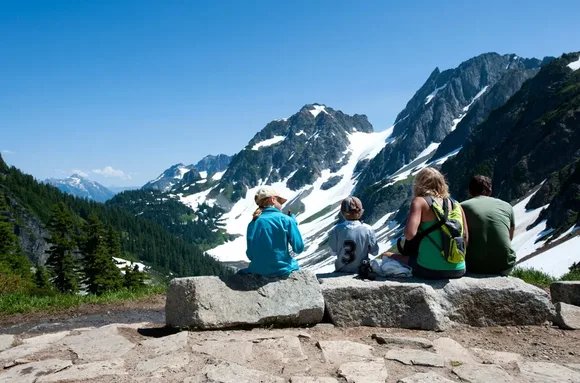
April sits firmly in the off-season, with Going-to-the-Sun Road still closed and snow lingering above 5,000 feet. The west side trails around Lake McDonald and Apgar open first, and you'll have them largely to yourself. Kids respond to the Junior Ranger booklet that focuses on animal tracking, and the Apgar Nature Center runs weekend programs even before Memorial Day. The park's sheer scale — larger than Rhode Island — means wildlife viewing stays consistent year-round, with bighorn sheep on the cliffs above Many Glacier and mountain goats visible from Logan Pass once the road opens in June.
New River Gorge National Park & Preserve
Fourteen activities packed into terrain smaller than most counties / Class V rapids through ancient rock
The East Coast's newest national park delivers variety through vertical relief rather than horizontal sprawl. The New River cuts 1,000 feet through Appalachian sandstone, creating walls that host some of the best rock climbing in the eastern United States while the river below runs Class III to Class V rapids depending on water levels. You can walk across the gorge on the 3,000-foot bridge catwalk, mountain bike the Arrowhead Trails system, or fish for smallmouth bass where the water slows between rapids.
Most national parks spread their activities across hundreds of square miles — New River Gorge stacks them vertically.
April hits the sweet spot for both rafting and hiking, with water levels high enough for reliable rapids but not so swollen that outfitters cancel trips. The park gets packed in summer, but spring weekdays stay manageable if you avoid the main overlooks during peak hours. Kids gravitate to the bridge walkway, where you can look straight down at the river through metal grating, and the Grandview visitor center offers programs on coal mining history that somehow manage to hold attention spans. The park's eastern section near Thurmond stays nearly empty even in peak season.
North Cascades National Park
More glaciers than any park outside Alaska / Almost nobody here
Three hundred glaciers carve through jagged peaks three hours from Seattle, yet North Cascades pulls fewer visitors in a year than Yellowstone sees in three summer days. The park's relative obscurity means the trail system stays uncrowded even on August weekends, and you'll have alpine lakes like Rainy Lake and Diablo Lake largely to yourself outside the short summer season. You can kayak the turquoise waters of Ross Lake, backpack the Cascade Pass route into terrain that looks like the Alps, or drive the North Cascades Highway past overlooks that rival anything in the Canadian Rockies.
The most glaciated terrain in the Lower 48 sits empty while everyone flocks to Mount Rainier.
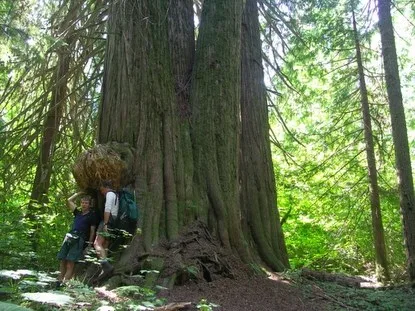
April keeps most of the park locked under snowpack, with the North Cascades Highway typically closed until sometime in May. The season here runs short — July through September for high country access — which concentrates the limited crowds into a narrow window. Kids respond to the turquoise color of Diablo Lake, where glacial flour suspended in the water creates an almost artificial-looking blue, and the easy trails around Ross Dam stay flat enough for young hikers. The park offers Junior Ranger programs, but the real draw for families is the sheer novelty of having a national park to yourselves.
Sequoia & Kings Canyon National Parks
Trail network longer than most state borders / Sequoia groves to alpine peaks in fifty miles
Two parks managed as one unit deliver variety that spans 7,000 vertical feet, from the giant sequoia groves at 6,000 feet to the Sierra crest above 13,000. You can walk among trees wider than school buses in the Giant Forest, drive into Kings Canyon where granite walls rival Yosemite's scale, or backpack the High Sierra Trail into backcountry that sees a fraction of the traffic that hits the John Muir Trail to the north. The terrain shifts fast enough that you'll move through three distinct ecosystems in a single day hike.
General Sherman pulls focus, but the 700 miles of trails beyond the sequoia groves stay remarkably uncrowded.
April sits early in the season, with the Generals Highway usually open but snow lingering on higher trails like Mist Falls. The sequoia groves hit peak accessibility this time of year — warm enough for comfortable hiking but before summer crowds arrive. Kids cluster around General Sherman, the largest tree on Earth by volume, where the scale doesn't compute until you're standing at the base looking up. The Big Trees Trail offers an accessible paved loop with interpretive signs that explain sequoia ecology without feeling like homework. The Crystal Cave opens by late May most years, and the guided tours fill fast once word gets out.
Acadia National Park
Where mountains meet the Atlantic / Packed in summer, manageable in spring
Acadia compresses ocean, mountains, and forest into an area smaller than many cities, which means you can watch sunrise from Cadillac Mountain, kayak among islands by midday, and mountain bike the carriage roads by afternoon without driving more than twenty minutes between activities. The park's compact size makes variety accessible even for families with young kids, and the mix of terrain types — granite peaks, rocky coastline, kettle ponds, and dense forest — delivers visual contrast that most eastern parks can't match.
You can taste salt spray and climb granite in the same morning here.
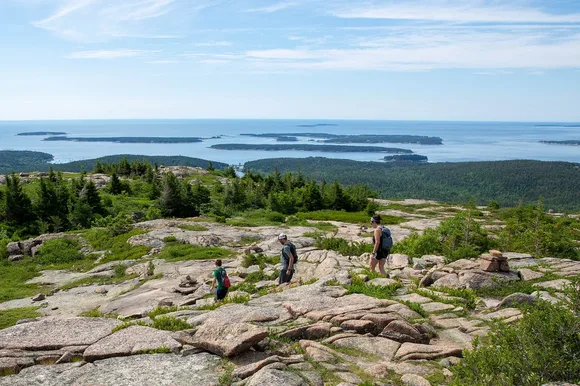
April brings unpredictable weather but also elbow room that vanishes by Memorial Day. The park gets packed in summer, with tour buses clogging Park Loop Road and parking lots full by 9 AM. Spring visits mean you'll share the trails with locals rather than tourists, and the Jordan Pond House opens for popovers even before peak season starts. Kids respond to Thunder Hole when waves crash into the chasm, and the Beehive Trail offers iron rung ladder climbing that feels adventurous without requiring technical skills. The carriage roads stay open year-round, and biking them in spring means watching for returning warblers without dodging crowds.
Yellowstone National Park
More trail miles than most states have highways / Geysers, canyons, and bison herds in one park
Yellowstone sprawls across terrain larger than Delaware and Rhode Island combined, which means the park's size alone guarantees variety. You can watch Old Faithful erupt on schedule, hike to the Grand Canyon of the Yellowstone's twin waterfalls, fish the Lamar Valley while bison graze fifty yards away, or backpack into the Bechler region where waterfalls outnumber visitors. The park sits on a supervolcano that powers half of Earth's geysers, but the thermal features share space with mountain ranges, river systems, and wildlife populations dense enough to justify the "American Serengeti" comparison.
The park's sheer scale absorbs crowds that would overwhelm anywhere else — you'll find solitude three miles past any parking area.
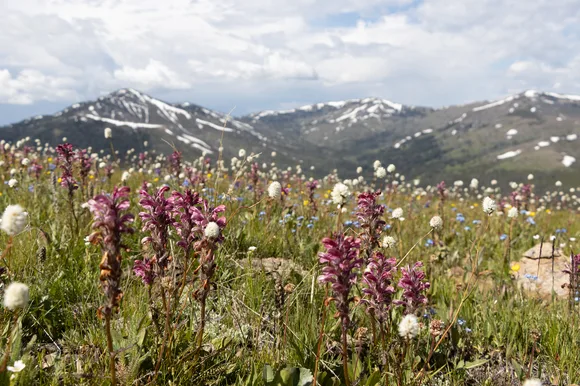
April sits in the shoulder season, with most roads open but snow still lingering above 7,000 feet. The thermal basins stay accessible year-round, and spring brings bison calves into the Lamar Valley where wolf packs hunt elk along the river. Kids respond to the boardwalks around Grand Prismatic Spring and the Fountain Paint Pots, where the trail stays short enough for short legs and the colors look photoshopped. The Junior Ranger program here runs daily even in off-season, and ranger talks at Old Faithful continue through winter. The park offers more campground sites than some entire states, and you'll find availability outside the July-August peak without advance booking.