8 parks for photographers this summer
Eight mountain parks where wildflowers peak, snowpack lingers, and summer crowds haven't arrived yet
June in the mountain West means two things for photographers: wildflowers at peak bloom and snow still clinging to the high peaks. The light stays soft until 9 PM, trails empty out after the Memorial Day crush, and you can still find solitude at parks that will be shoulder-to-shoulder by July Fourth. These eight parks hit their visual peak right now, when the alpine meadows explode with color and glacial lakes thaw into that impossible turquoise blue.
You won't need a permit lottery or a 4 AM alarm to capture these landscapes. What you will need is patience with lingering snowpack, a willingness to hike past the first overlook, and a sense of timing that puts you on location when everyone else is still at breakfast.
Glacier National Park
More trail miles than most Eastern states / Going-to-the-Sun Road opens in stages through June
Going-to-the-Sun Road doesn't fully open until late June most years, which means you'll photograph snowbanks taller than your car framing Logan Pass. The delay frustrates tourists who wanted a clear drive, but it's a gift for anyone with a wide-angle lens. Avalanche Lake Trail and Hidden Lake Overlook stay accessible all month, and the wildflowers at lower elevations start blooming while the peaks above still wear winter. Many Glacier opens early June and gives you Grinnell Glacier Trail without the August crowds, when you'll share the parking lot with a dozen cars instead of a hundred.
The park's twenty-six remaining glaciers photograph best when snow still separates ice from rock, before summer melt turns everything to gray rubble.
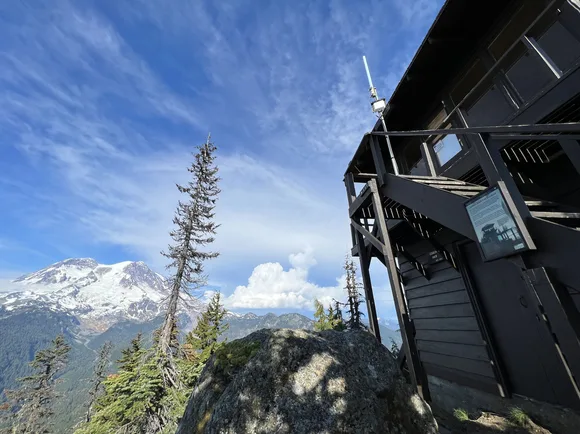
Lake McDonald's west shore catches sunrise on the Livingston Range without a single boat dock or building in the frame. Get there before 7 AM and you'll have the shoreline to yourself, watching light creep down peaks that still hold snow in every couloir. The park's shuttle system doesn't start until early July, so June means driving yourself and stopping wherever the light turns good, no schedule to keep.
Mount Rainier National Park
More glacial ice than any other Lower 48 peak / Paradise snowpack still measures in feet
Paradise doesn't earn its name until June, when the snowmelt starts and avalanche lilies punch through lingering drifts by the thousands. The subalpine meadows bloom in waves through early July, but June gives you the contrast: white snow, purple lupine, and that massive glaciated volcano filling your viewfinder. Skyline Trail stays buried until mid-month most years, but Nisqually Vista and Dead Horse Creek Trail open earlier and deliver the same views with a fraction of the effort. Reflection Lakes thaw by early June and give you mirror shots of the summit on calm mornings, before the afternoon wind kicks up.
Rainier creates its own weather, and June mornings offer your best odds of seeing the summit before clouds roll in by noon.
The Sunrise area opens late June and sits 2,000 feet higher than Paradise, which means different wildflowers and longer snow retention. Emmons Vista Trail is paved and leads to a viewpoint where you can shoot the Emmons Glacier, the largest in the Lower 48, without bushwhacking. Families cluster near the visitor center, but walk ten minutes in any direction and you'll find compositions framing the volcano through subalpine fir. The park sees its highest visitation in July, so June still feels spacious despite the crowds at the main overlooks.
Rocky Mountain National Park
Continental Divide crossings at over 12,000 feet / Trail Ridge Road opens Memorial Day weekend most years
Trail Ridge Road opens by late May in good snow years, giving you the highest continuous paved road in the country before summer traffic turns it into a parking lot. Pull off at Rainbow Curve or Forest Canyon Overlook and shoot tundra wildflowers with the Never Summer Mountains stacking up behind them. Bear Lake corridor stays busy all month, but Dream Lake and Emerald Lake photograph best in June when snow still caps Hallett Peak and the afternoon light hasn't turned harsh yet. You can shoot reflection shots at Bear Lake by 6 AM and have the place to yourself, then drive up to Alpine Visitor Center by 9 and catch the high country before clouds build.
The park crosses three climate zones in twenty miles, which means you can photograph alpine tundra at lunch and ponderosa forest by dinner.
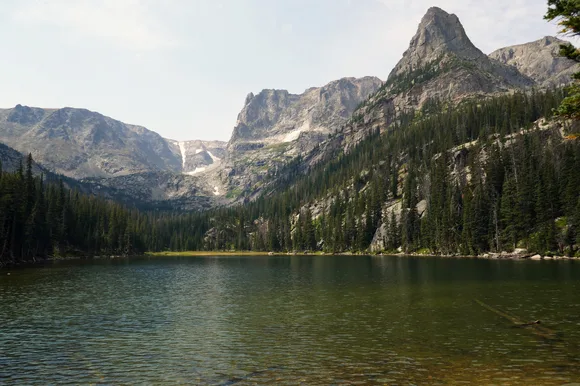
Sky Pond Trail opens early June once the ice clears from the boulder field, and the waterfalls run heavy with snowmelt all month. Longs Peak's east face still holds snow in the couloirs, giving you that classic alpine shot without needing crampons to reach it. The park requires timed entry permits from late May through October, but the early morning slots stay available longer than midday, and dawn light on the Front Range beats noon glare every time.
Grand Teton National Park
Seven thousand vertical feet with no foothills to block the shot / Snow lingers on the peaks until August
The Tetons rise straight out of Jackson Hole with nothing to soften the line between valley floor and summit, which makes every vista point feel like a postcard come to life. Schwabacher Landing gives you the classic reflection shot at sunrise, when the Snake River runs slow and the peaks catch alpenglow before the valley warms up. Mormon Row's barns photograph well any time of year, but June adds wildflowers to the foreground and keeps the summits white. String Lake and Leigh Lake thaw by early June and stay calm most mornings, offering mirror shots without the crowds that pack Jenny Lake by July.
Thirteen peaks top 12,000 feet, and every single one stays visible from the valley floor, which means you can shoot the range from a dozen angles without gaining an inch of elevation.
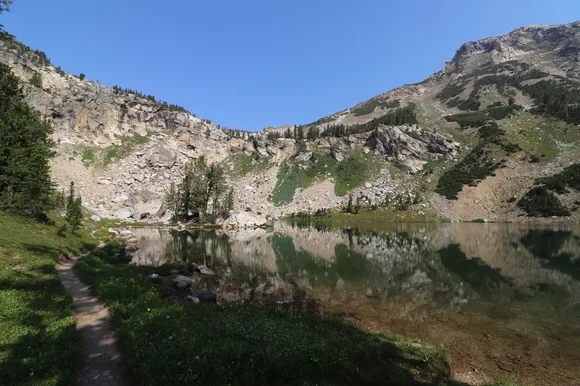
Cascade Canyon Trail opens once the snowmelt clears, usually by mid-June, and takes you into the heart of the range where waterfalls pour off every cliff band. The boat shuttle across Jenny Lake cuts two miles off the hike, but walking the shoreline gives you better foreground options for wide shots of Teewinot and Mount Owen. Oxbow Bend catches sunrise on Mount Moran with the Snake River curving through the frame, and you'll share the overlook with maybe three other photographers on a June morning instead of thirty by August.
Denali National Park & Preserve
Larger than New Hampshire / The mountain shows itself one day in three
Denali the mountain hides behind clouds two-thirds of the summer, but June offers better odds than any other month, when high pressure systems linger and the subarctic light stays soft for twenty hours a day. The park road opens in stages through June, with buses running as far as the plow crews clear, which means you can photograph the Alaska Range without the shuttle crowds that fill every seat by July. Wonder Lake sits at mile eighty-five and delivers the classic Denali reflection shot, but you'll need luck with both weather and road access. Eielson Visitor Center opens earlier and gives you the mountain filling the southern horizon, if it decides to show up.
North America's tallest peak dominates the landscape even when you can't see it, a white ghost lurking behind every cloud bank.
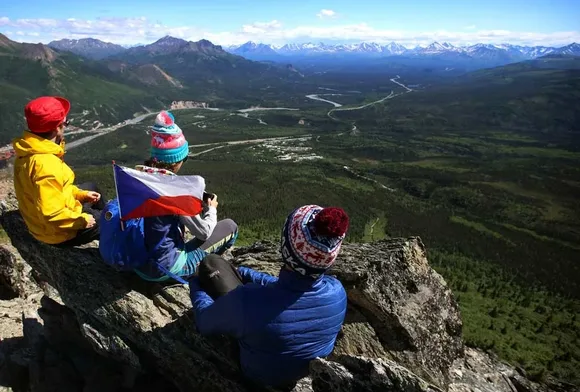
The park sees fewer visitors in a full year than Yellowstone gets in a busy week, which means you can shoot grizzlies, caribou, and Dall sheep without other tourists in the frame. Savage River Loop and Horseshoe Lake Trail stay accessible all month and offer tundra wildflowers with the Alaska Range stacking up behind them. The light never gets truly dark in June, just a long golden hour that starts around 8 PM and doesn't quit until after midnight, perfect for shooting alpenglow on Denali's south face if the clouds ever part.
North Cascades National Park
Three hundred glaciers in terrain most people have never heard of / Three hours from Seattle
The most glaciated landscape in the Lower 48 sits practically empty all summer, with annual visitation that wouldn't fill a college football stadium. Cascade Pass Trail opens by mid-June once the snow clears, giving you views of Johannesburg Mountain and Mixup Peak that rival anything in the Canadian Rockies. Diablo Lake stays that impossible turquoise color all summer, but June adds snowmelt waterfalls pouring into it from every drainage. The North Cascades Highway crosses the park east-west and offers pullouts every few miles, each one framing jagged peaks and hanging glaciers without another car in sight.
This is what the Alps looked like before anyone built a cable car, before anyone paved the approach roads, when the mountains still belonged to the weather.
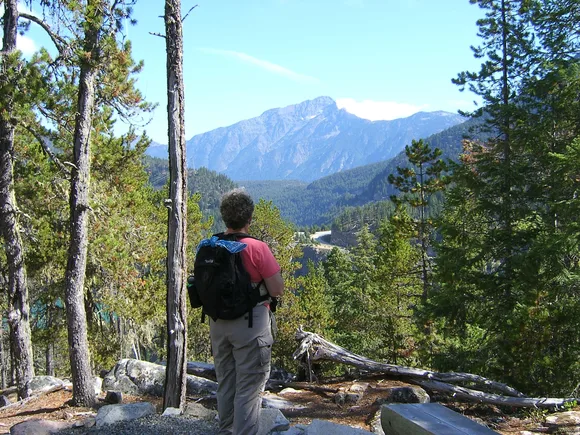
Ross Lake stretches twenty-three miles north into British Columbia, and you can kayak the length of it photographing peaks reflected in water so still it looks like glass. Thunder Creek Trail and Fourth of July Pass stay snow-free by late June and take you into alpine basins where wildflowers bloom against a backdrop of ice. The park doesn't require permits or reservations for day use, which means you can chase the light without watching the clock, stopping wherever the conditions turn magic.
Yellowstone National Park
Larger than Delaware and Rhode Island combined / Bison herds cross roads on their own schedule
The world's first national park spreads across terrain the size of Connecticut, which means even peak season crowds disappear once you leave the boardwalks. Grand Prismatic Spring photographs best on clear mornings when steam rises off the water and catches sunlight, turning the whole basin into a pastel fog. The overlook trail opens by early June and gives you the aerial perspective, shooting straight down into the spring's rainbow rings. Lamar Valley stays green through June with snowmelt feeding the Lamar River, and bison herds cluster near the water where you can shoot calves still orange-colored against the Absaroka Range.
Half the Earth's geysers erupt here on schedules posted to the hour, which makes Yellowstone the only place you can plan a landscape shot around a timetable.
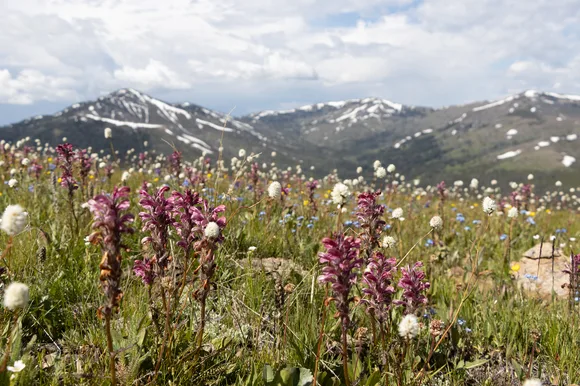
Hayden Valley offers wildlife photography from your car, with grizzlies digging for roots in meadows and elk calving in the sagebrush. The Grand Canyon of the Yellowstone runs yellow and pink and white, carved through volcanic rhyolite that changes color depending on the angle of light. Artist Point gives you the classic Lower Falls shot, but Uncle Tom's Trail takes you to the base where you can shoot the waterfall from below, feeling the spray on your lens. The park's road system forms a figure-eight covering 150 miles, and you can drive the whole thing in a day if you skip the crowds at Old Faithful.
Crater Lake National Park
America's deepest lake inside a volcanic caldera / Rim Road opens in sections through late June
Mount Mazama collapsed 7,700 years ago and filled with snowmelt so pure it glows blue even on cloudy days. The Rim Road doesn't open completely until early July most years, but the east and south sections clear by mid-June and give you access to Watchman Overlook and Cloudcap, where you can shoot Wizard Island rising from water deep enough to swallow a skyscraper. The caldera walls drop a thousand feet straight down, and the lake sits so far below the rim that every viewpoint feels vertiginous. No rivers feed Crater Lake, which means the water stays impossibly clear and that blue color never muddies.
Scientists use Crater Lake as a baseline for water purity measurements because nothing this clean exists anywhere else on the continent.
Cleetwood Cove Trail opens once the snow clears, usually late June, and it's the only legal access to the shoreline. You'll drop 700 feet in a mile, then climb it all back out, but standing at water's edge with the caldera walls rising around you beats any rim viewpoint. Wildflowers bloom along the south rim in late June, with lupine and paintbrush coloring the pumice slopes below the Watchman. Most visitors never make it past Rim Village, which means you can drive five minutes to Discovery Point and photograph the lake without anyone else in the frame.