8 Parks for Wildlife Without the Crowds
Eight parks where world-class wildlife encounters come without the crowds—and why April is the season to visit
Finding wildlife in national parks usually means elbowing through crowds at Yellowstone's bear jams or queueing for Yosemite's meadow elk. But some parks flip the script: world-class animal encounters without the tour buses. April sits in that sweet spot when migration routes activate, breeding seasons begin, and the masses haven't arrived yet. These eight parks deliver both.
The combination matters because wildlife viewing requires patience and space. You can't watch shorebirds hunt tidepool edges when fifty people are jostling for the same spot. You won't catch a caribou herd crossing tundra if shuttle bus schedules dictate your itinerary. The parks below reward the effort it takes to reach them with encounters you won't have to share.
Big Bend National Park
More bird species than any other park / Larger than Rhode Island with room to disappear
Big Bend sits so far from anywhere that most Texans have never visited. The nearest city of any size is five hours away, which keeps visitation lower than parks a fraction of its size. That remoteness creates habitat for over 450 recorded bird species, more than any park in the system. In April, migrating warblers funnel through the Chisos Basin while roadrunners hunt lizards along the desert floor. Mexican black bears wander down from the Sierra del Carmen, and javelinas root through sotol plants at dusk.
Big Bend rewards early risers: desert animals move at dawn and dusk, then vanish into the heat.
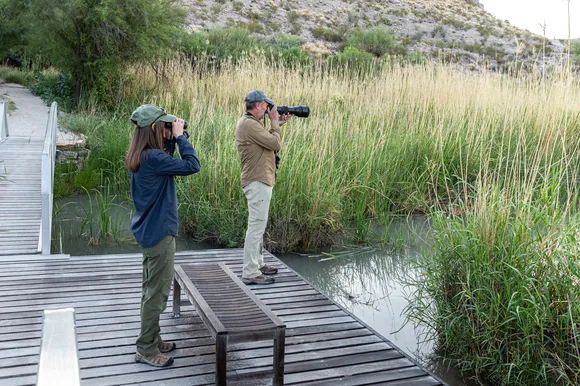
The Window Trail drops through oak woodland where you'll spot black-chinned hummingbirds and hepatic tanagers. Lost Mine Trail climbs into ponderosa habitat favored by Mexican jays. For birders, the real prize is the Colima warbler, which breeds only in the Chisos Mountains and nowhere else in the United States. April marks peak nesting season. Santa Elena Canyon offers a different ecosystem entirely: cooler microclimates along the Rio Grande attract great blue herons and black phoebes.
Guadalupe Mountains National Park
Ancient Permian reef holding more species than any Texas park / Quieter than Big Bend
Guadalupe draws even fewer visitors than Big Bend despite sitting just two hours from El Paso. The park protects a fossilized reef that creates elevation zones from Chihuahuan Desert scrub to relict conifer forest. That range supports mule deer, elk reintroduced from Yellowstone, and mountain lions that avoid humans with ease. April brings mild temperatures to McKittrick Canyon, where desert bighorn sheep graze the rimrock above bigtooth maples. Mountain bluebirds flash through juniper stands, and ladder-backed woodpeckers hammer dead agave stalks.
McKittrick Canyon's spring colors aren't fall foliage: they're wildflowers carpeting the canyon floor in waves of yellow and red.
The real wildlife spectacle happens at elevation. Guadalupe Peak Trail climbs through four life zones in four miles, each with distinct species. Black-chinned sparrows nest in scrub oak at mid-elevation while white-throated swifts dive the cliffs near the summit. Bowl Trail offers easier access to forested habitat where you might spot gray foxes hunting before noon. The park's low visitation means animals maintain natural behavior patterns. You won't find habituated deer begging for food or elk posing for telephoto lenses.
Channel Islands National Park
California's Galápagos with 145 endemic species / Boat ride keeps crowds minimal
Channel Islands sits an hour from Los Angeles but feels like a different continent. The boat crossing to Santa Cruz Island takes an hour, which filters out casual visitors. What you get in return: island foxes the size of house cats that evolved in isolation, sea lions that blanket landing coves in heaps of barking bodies, and seabirds nesting on cliffs by the thousands. April marks peak breeding season for brown pelicans and the beginning of sea lion pupping season. Island scrub jays, found nowhere else on Earth, patrol the chaparral for insects and acorns.
Island foxes show no fear of humans because they evolved without major predators, making for unnervingly close encounters.
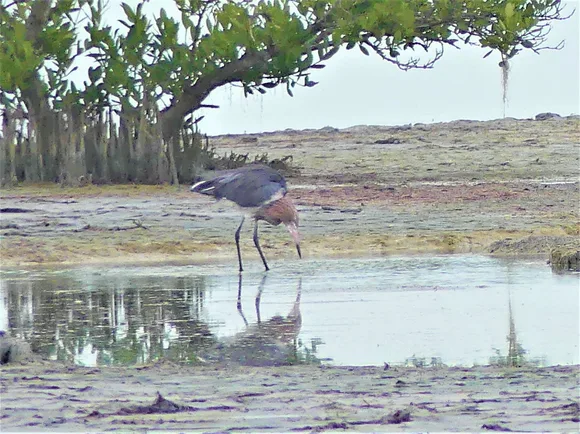
Kayaking around Santa Cruz Island puts you eye-level with sea caves where harbor seals haul out on submerged ledges. Elephant seals gather at offshore rocks, and if you're patient, you'll spot sea otters floating on their backs cracking urchins against chest stones. The Prisoner's Harbor to Chinese Harbor trail crosses the island through endemic plant communities where spotted skunks and deer mice forage at dusk. Anacapa Island offers easier wildlife viewing: western gulls nest so densely along the trail that rangers rope off sections to prevent trampling.
Isle Royale National Park
Wilderness island with the most-studied predator-prey relationship on Earth / Ferry keeps visitation microscopic
Isle Royale sees fewer annual visitors than Zion gets in a busy weekend. The island sits in Lake Superior, accessible only by seaplane or a ferry that takes up to six hours depending on which port you leave from. That barrier to entry creates a backcountry experience where moose outnumber people. The island hosts one of the longest-running wildlife studies in history: wolves and moose locked in ecological dance with no easy escape. April is too early for the island to open, but by late spring, moose calves wobble through boreal forest while gray wolves den near inland lakes.
You don't visit Isle Royale casually: the journey demands commitment, and the island rewards it with solitude most parks abandoned decades ago.
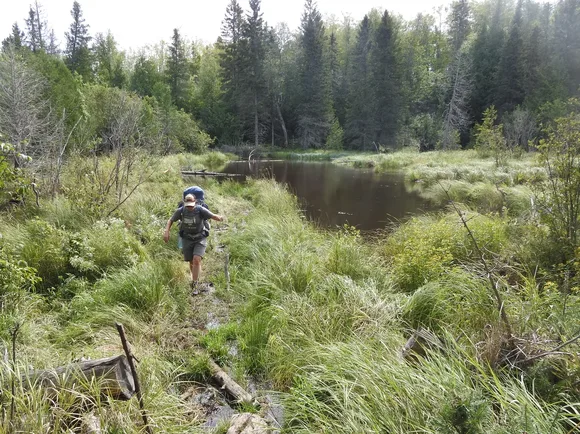
The Greenstone Ridge Trail runs the island's spine for 40 miles, passing through prime moose habitat. You'll spot them feeding in wetlands at dawn, stripping aquatic plants with muzzles that drip lake water. Red foxes hunt snowshoe hares along the shore, and beavers engineer entire valleys into pond complexes. Loons call across lakes at dusk. The island's wolf population fluctuates, and sightings are rare, but you'll find tracks and scat along trails. Ravens and eagles scavenge wolf kills, creating predictable wildlife viewing opportunities if you know where to look.
Everglades National Park
America's largest subtropical wilderness / Manageable crowds compared to most Florida attractions
Everglades gets written off as an alligator petting zoo, which undersells the most biodiverse park in the continental United States. April sits at the tail end of dry season when receding water concentrates wildlife into shrinking pools. Alligators stack like cordwood in roadside canals. Wading birds descend in massive numbers: roseate spoonbills, wood storks, great egrets, and tricolored herons hunt the shallows while anhingas dry their wings on dead cypress. The Anhinga Trail turns into a wildlife documentary you can walk through.
Everglades doesn't hide its animals behind forest or mountains: they're standing in open water ten feet from the boardwalk.
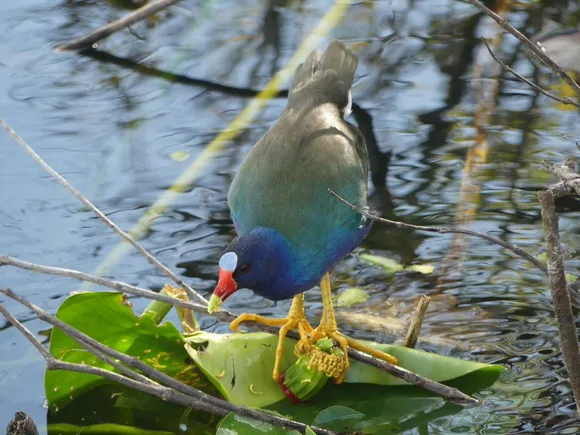
The Gulf Coast offers different encounters. Kayaking through the Ten Thousand Islands puts you in mangrove tunnels where manatees surface to breathe and bottlenose dolphins hunt mullet. River otters fish the channels at dawn. American crocodiles bask on mudflats, distinguishable from alligators by their narrower snouts and lighter coloring. Shark Valley's tram loop crosses sawgrass prairie where white-tailed deer browse and red-shouldered hawks perch on dwarf cypress. The park's size absorbs visitors: paddle any backcountry route and you'll have mangrove islands to yourself.
Denali National Park & Preserve
Six million acres where grizzlies outnumber summit-spotters / One road keeps you honest
Denali's single 92-mile road forces everyone onto the same route, which sounds like a recipe for crowding. Instead, it concentrates visitors in shuttles while leaving the backcountry wilderness virtually untouched. April is too early for most visitors, but by summer, the bus system creates predictable wildlife viewing. Grizzly bears dig roots on tundra hillsides. Caribou herds cross the road in migrations that halt traffic for an hour. Dall sheep cling to cliffs above Polychrome Pass, and wolves trot across open valleys where there's nowhere to hide.
Denali's wildlife doesn't fear the road because the road has rules: shuttles stop for animals, not the other way around.
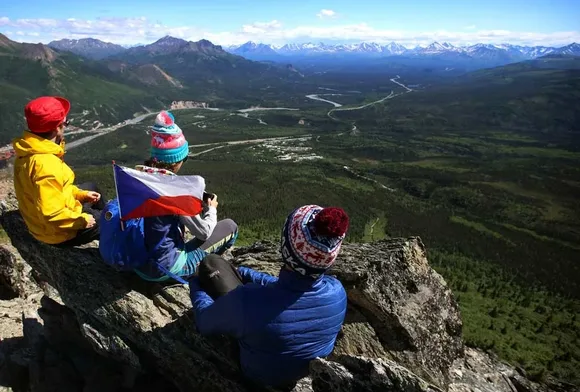
The park's sheer scale works in your favor. Most shuttle riders turn around at mile 43, but push to Wonder Lake and you'll find moose browsing willow thickets with the Alaska Range as backdrop. Golden eagles hunt ground squirrels along ridgelines. Ptarmigan explode from trailside scrub in white bursts. The lack of marked trails means you bushwhack for wildlife encounters: climb any ridgeline and glass the valley below for movement. Denali rewards patience and binoculars more than miles logged.
Glacier National Park
More trail miles than most states have highways / Crowds stay on Going-to-the-Sun Road
Glacier draws visitors in numbers that rival Yellowstone, but most never leave the pavement. Going-to-the-Sun Road funnels traffic through Logan Pass while hundreds of trail miles stay nearly empty. Mountain goats graze alpine meadows above Hidden Lake Overlook, often within yards of the boardwalk. Grizzly bears dig glacier lily bulbs on slopes visible from the trail. April is too early for road access, but by June, bighorn sheep lambs wobble along cliff edges and hoary marmots whistle from talus slopes.
Glacier's wildlife has adapted to humans on designated trails, creating close encounters that would be impossible in true backcountry.
Many Glacier Valley offers better odds for solitude. Grinnell Glacier Trail climbs past mountain goat nurseries and prime grizzly habitat. Black bears browse huckleberries in late summer. Moose wade through Fishercap Lake at dawn. The real secret: Belly River trails in the northeastern corner see almost no day hikers. You'll spot elk herds, watch for wolves, and have entire valleys to yourself. Glacier's terrain creates natural wildlife corridors: glass the avalanche chutes and creek drainages where animals travel between valleys.
Gates of the Arctic National Park & Preserve
Larger than Maryland and Connecticut combined / No trails, no roads, no compromise
Gates of the Arctic sees fewer visitors annually than most parks get in a single summer day. There are no trails, no campgrounds, and no visitor center inside park boundaries. You fly in on a bush plane, get dropped on a gravel bar, and figure it out. The reward: witnessing caribou migrations that have followed the same routes for millennia, completely uninterrupted by human infrastructure. April is too early for access, but summer brings endless daylight when Dall sheep lambs test their legs on mountain slopes and grizzlies dig ground squirrels across tundra that stretches to every horizon.
Gates of the Arctic doesn't accommodate visitors so much as tolerate the few who show up prepared for wilderness on its terms.
The Brooks Range creates natural wildlife highways through mountain passes. Wolf packs follow caribou migrations. Arctic grayling rise in clear rivers. Moose browse willow thickets in valley bottoms while golden eagles hunt from ridgelines. The park's remoteness means every animal you see exists in an ecosystem largely free of human influence. No habituated bears. No elk trained to ignore hikers. Just predators, prey, and the ancient patterns that connect them.