8 parks perfect for college grads this summer
Eight national parks that reward ambition, stay open past dark, and don't require a trust fund to enjoy
You just finished four years of coursework, survived finals week for the last time, and now you have a summer before the real world sets in. You need a national park that rewards ambition, stays open past dark, and doesn't require a trust fund to enjoy.
These eight parks deliver on all three counts. They're built for long days on the trail, late nights under stars you've never seen from campus, and budgets that accommodate ramen and gas station coffee. June puts you ahead of peak season crowds at most of them, and the weather cooperates before the desert parks turn into convection ovens. Pack light, drive far, and go.
North Cascades National Park
Three hundred glaciers closer than you think / Fewer people than a lecture hall
Most people have never heard of North Cascades, which remains the best thing about it. You can drive from Seattle in under three hours and find glaciated alpine terrain that rivals anything in the Lower 48. Cascade Pass Trail delivers wildflower meadows and glacier views without the permit lottery, and Diablo Lake's turquoise water looks Photoshopped until you're standing on its shore. The park sees fewer visitors in an entire year than Yellowstone gets in a weekend, which means you'll actually have space to think on the trail.
The jagged peaks and hanging glaciers here make the Rockies look polite by comparison.
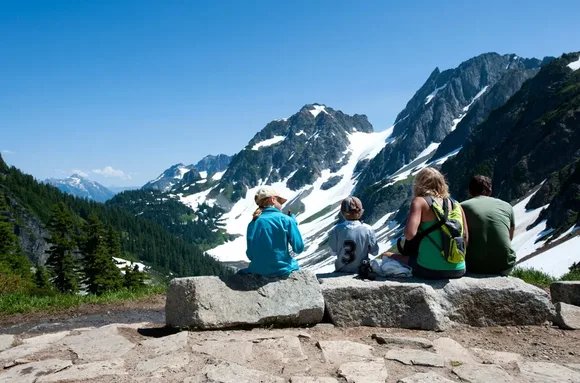
June catches the park between snowmelt and peak season, when trailheads stay quiet and high country opens up. The North Cascades Scenic Highway bisects the park and offers pullouts where you can camp cheap, cook on a camp stove, and wake up to views that cost four figures at resort towns down the road. Ross Dam Trail and Rainy Lake Loop stay snow-free early and require almost no elevation gain, which means you can save your energy for the longer routes deeper in.
Canyonlands National Park
Four districts, zero guardrails / The Colorado carved it all
Canyonlands rewards the kind of curiosity that makes you take the dirt road just to see where it goes. Island in the Sky offers overlooks where you can see for 50 miles across canyon country, but The Needles District holds the better backpacking. Chesler Park Trail winds through sandstone spires and shaded alcoves where the temperature drops 20 degrees, and The Joint Trail squeezes through slot canyons narrow enough to touch both walls. You won't find gift shops or shuttle buses here. You will find space to disappear.
The park sprawls across an area larger than Los Angeles, and most of it stays empty even in peak season.
June sits at the edge of summer heat, when morning temperatures stay tolerable and late afternoon light turns the canyon walls gold. Confluence Overlook Trail in The Needles takes you to the exact point where the Colorado and Green Rivers meet, a six-mile walk through desert that feels like another planet. Bring more water than you think you need. The park sits in high desert, which means shade stays scarce and dehydration sneaks up fast.
Olympic National Park
Rainforest to coast in 90 minutes / Three ecosystems, one park
Olympic lets you hike through moss-draped forest in the morning and watch the Pacific pound sea stacks by sunset. The Hoh Rain Forest holds some of the quietest trails in the park system, where centuries-old Sitka spruce block out the sky and the only sound comes from the river. Marymere Falls Trail stays easy enough for a rest day, and Rialto Beach offers tide pools and driftwood sculptures the size of school buses. You can camp at Mora for cheap and fall asleep to waves.
Most parks give you one landscape to master—Olympic hands you three and dares you to pick a favorite.
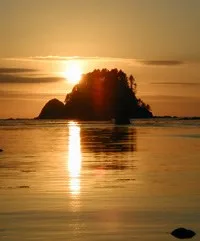
June delivers the park's best weather window before summer tourists arrive in force. Ruby Beach and the coastal strip stay cool even when the interior heats up, and you can hike to tide pools at low tide without fighting for parking. The High Divide Trail Loop climbs into alpine country where snowfields linger into summer and you can see both rainforest and ocean from the ridgeline. Mount Olympus looms in the distance, glacier-capped and persistent.
Sequoia & Kings Canyon National Parks
Trees wider than your dorm room / Fewer crowds than Yosemite next door
Sequoia and Kings Canyon sit in Yosemite's shadow geographically and culturally, which keeps them surprisingly empty. General Sherman Tree anchors the Giant Forest, where trunks exceed 30 feet wide and bark grows thick enough to survive wildfires that would flatten ordinary trees. Moro Rock climbs 400 stone steps to a granite dome with views across the Sierra, and the effort pays off in panorama. You can knock out both in a morning and still have daylight for Mist Falls Trail, which follows the Kings River through granite canyon to a waterfall that actually justifies the five-mile approach.
The giant sequoias here make you recalibrate what counts as large—suddenly everything else looks like a sapling.
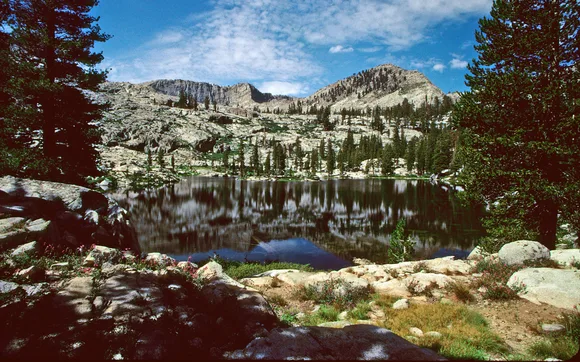
June catches the parks after snowmelt opens the high country but before July heat arrives. Crescent Lake Trail stays moderate and delivers alpine scenery without the elevation gain that flattens unprepared hikers. The campgrounds here cost less than a hostel bed, and most sites come with fire rings and bear boxes. You'll need the latter. Black bears in Sequoia have decades of practice opening car doors and coolers.
Glacier National Park
Going-to-the-Sun Road opens by June / Glaciers still hanging on
Glacier delivers drama at every turn, from the carved valleys around Lake McDonald to the alpine cirques at Many Glacier. Going-to-the-Sun Road crosses the Continental Divide at Logan Pass, where you can park and hike Hidden Lake Overlook to turquoise water ringed by snowfields. Grinnell Glacier Trail climbs past waterfalls and wildflower meadows to a glacier you can reach without technical gear, and Iceberg Lake lives up to its name well into summer. The park spans an area larger than Rhode Island, but most visitors stick to the road corridor, which leaves the backcountry surprisingly open.
Twenty-six glaciers remain from the 150 that carved these valleys—come see them before the math gets worse.
June puts you at the park just as the high country becomes accessible, when snow still dusts the peaks but trails stay clear enough to hike. The weather shifts fast here, so pack layers even if the forecast looks perfect. Afternoon thunderstorms roll through without warning, and temperatures can drop 30 degrees in an hour. The park's shuttle system runs free and keeps parking stress low, and the campgrounds at Many Glacier and Apgar offer sites that rarely fill up midweek.
Rocky Mountain National Park
Trail Ridge Road tops out above 12,000 feet / Denver an hour away
Rocky Mountain sits close enough to Denver that you can leave campus Friday afternoon and watch sunset from Bear Lake by dinner. Trail Ridge Road climbs higher than most peaks in the Appalachians, crossing alpine tundra where trees give up and only wildflowers survive. The trails around Bear Lake stay crowded, but push past Emerald Lake toward Sky Pond and you'll lose most of the traffic. Longs Peak looms over everything at just under 14,300 feet, a scramble that takes most hikers 12 hours round-trip and rewards the effort with views across the entire Front Range.
The park packs more trail miles than most states have highways into an area smaller than Houston.
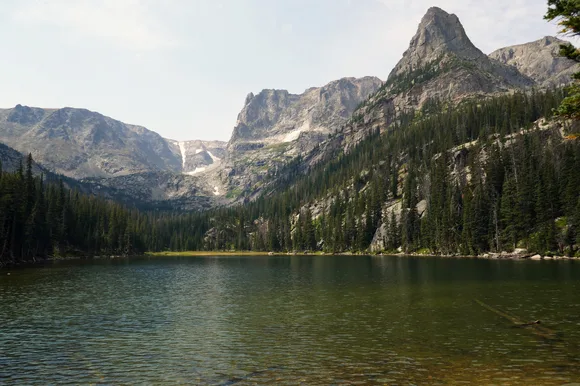
June delivers the park's best weather before July thunderstorms arrive daily. Morning hikes stay dry and cool, but plan to be off exposed ridges by noon when lightning risk spikes. The park requires timed entry permits for vehicles, which sounds annoying until you realize it keeps parking lots from turning into gridlock. Book your slot online when you reserve your campsite, or arrive before 5 AM to skip the system entirely. Glacier Gorge Trail connects several alpine lakes in a single loop, and the granite cirques here look carved by gods with too much time on their hands.
Yosemite National Park
El Cap rises 3,000 vertical feet / Valley floor stays a circus
Yosemite Valley concentrates iconic landmarks into seven square miles, which means you'll share Half Dome views with dozens of other photographers at Glacier Point and navigate sidewalk traffic at Yosemite Falls. But the park spans an area larger than Los Angeles, and most visitors never leave the valley. Push into the high country via Mist Trail to Vernal Fall, where rainbows form in the spray and granite walls hem you in on three sides. Four Mile Trail climbs from valley floor to Glacier Point and earns every foot of elevation with views that improve with each switchback.
The valley floor gets all the attention, but the real Yosemite lives above the tour buses.

June catches Yosemite's waterfalls near peak flow before summer heat dries them to trickles. Half Dome permits remain brutally competitive, but you can hike to the cables' base without a permit and still claim most of the views. Mariposa Grove holds giant sequoias at the park's south entrance, where trails stay shaded and crowds thin past the first quarter mile. The park's campgrounds book out months ahead, but sites at Tuolumne Meadows open late May and offer high country access without the valley chaos.
Zion National Park
Angels Landing chains and all / The Narrows runs cold in June
Zion packs more visitors into less space than almost any park in the system, which means you'll share the shuttle with standing-room-only crowds and queue for trailheads like you're waiting for concert tickets. Angels Landing justifies the hype if you can stomach exposure and chains bolted into sandstone, and the summit view across Zion Canyon reminds you why five million people come here annually. The Narrows turns hiking into wading, where you follow the Virgin River upstream through slot canyons barely wide enough for two people to pass.
Red sandstone walls rise 2,000 feet straight up, and the scale doesn't register until you're standing at the bottom looking for the top.
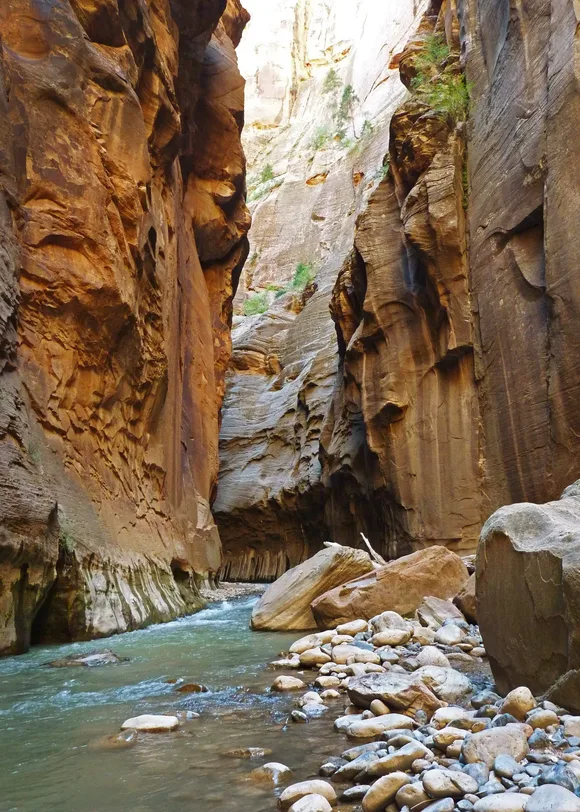
June hits Zion at peak season, when temperatures climb past 100F and afternoon heat turns the canyon into an oven. Start your hikes before sunrise or accept that you'll sweat through everything you're wearing. The Narrows stays cold enough in June to require a wetsuit for full-day hikes, and rental shops in Springdale will set you up for reasonable prices. Canyon Overlook Trail offers views without the crowds, and the Pa'rus Trail stays paved and shaded for recovery days when your legs need a break.