8 Parks Photographers Have All to Themselves
Eight parks where photographers get world-class shots without the crowds. April delivers wildflowers, snow, and elbow room
Most photographers obsess over light and composition, then spend half their shoot jockeying for position among a dozen other tripods. The parks on this list solve a problem the brochures won't acknowledge: sometimes the best shot is the one nobody else is taking. These eight parks combine world-class photography with the kind of elbow room that lets you wait for golden hour without an audience.
April hits the sweet spot for most of them. Wildflowers bloom in the deserts, snow still clings to alpine peaks, and the summer rush hasn't started. You'll trade some accessibility for solitude, but that's exactly the point.
Big Bend National Park
Larger than Rhode Island / More bird species than any other park
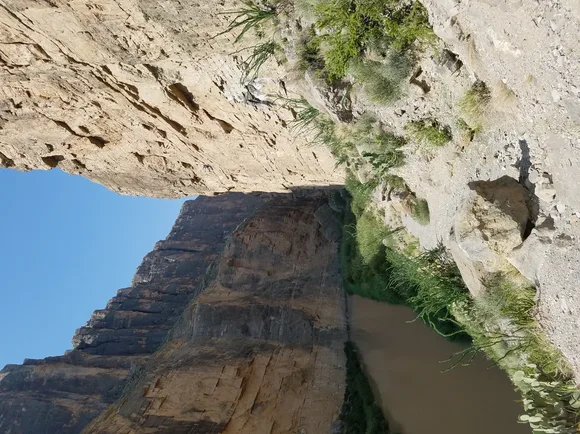
The Chisos Mountains rise from the Chihuahuan Desert like a mirage, creating a landscape so geologically varied you could spend a week shooting and never repeat an angle. Santa Elena Canyon's limestone walls glow amber in late afternoon light, while the Window frames sunset through a natural pour-off that drops into the desert below. Most visitors never make it past the main overlooks, which means the backcountry trails deliver canyon walls, hot springs, and river bends without another soul in the frame.
The Rio Grande curves through three major canyons here, each one deep enough to swallow the crowds that never arrive.
Bird photographers treat Big Bend like a pilgrimage site. Over 450 species have been recorded here, including species you won't find anywhere else in the United States. The Colima warbler breeds exclusively in these mountains, and spring migration brings waves of warblers, flycatchers, and tanagers through the riparian zones. Pack a long lens and work the trails near Rio Grande Village at dawn.
Channel Islands National Park
California's Galápagos / An hour from Los Angeles by boat
Five islands sit just offshore from Ventura, yet most Californians have never heard of them. The boat ride filters out casual visitors, leaving you with sea caves, kelp forests, and endemic island foxes the size of house cats. Anacapa's lighthouse perches on volcanic cliffs that drop straight into the Pacific, while Santa Cruz Island offers nearly 100 square miles of coastline, oak groves, and backcountry that feels more like New Zealand than Southern California.
The ferry requirement acts as crowd control better than any permit system could.
April brings wildflower blooms to the islands before the summer fog rolls in. Giant coreopsis turns the hillsides yellow, and the light stays clean through mid-afternoon. Underwater photographers have access to some of the healthiest kelp forests on the West Coast, with visibility often exceeding 60 feet. Harbor seals, sea lions, and California brown pelicans feed in the channels, and if you time it right, you'll catch gray whales migrating north past the islands.
Crater Lake National Park
America's deepest lake / Water so pure scientists use it as a baseline
The caldera fills with snowmelt so blue it looks Photoshopped, but the real challenge is shooting it in a way that conveys the scale. Wizard Island rises from the center like a miniature volcano within a volcano, and the 33-mile Rim Road circles the crater with pullouts that deliver different perspectives on the same impossible color. Most photographers chase sunrise at Watchman Overlook, which means you should aim for Discovery Point instead.
The lake holds so much water it would take 200 years to drain, yet most visitors spend 20 minutes at the rim and leave.
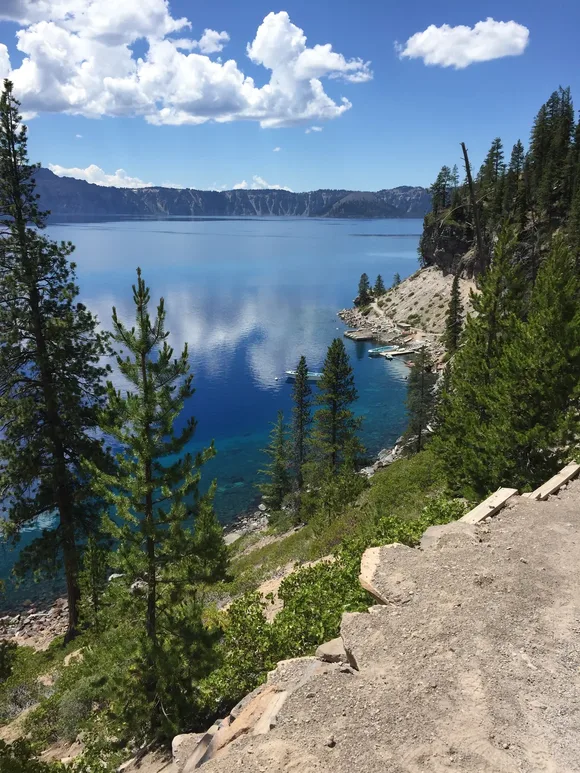
April means snow, often measured in feet rather than inches. The Rim Road won't fully open until July, but that's exactly what keeps the crowds away. You can snowshoe to the rim from park headquarters and have the caldera to yourself. The contrast between deep blue water and white snowfields creates compositions that summer visitors never see. Just plan for subzero wind chills and bring microspikes for the trail.
Denali National Park & Preserve
Larger than New Hampshire / One road separates you from six million acres
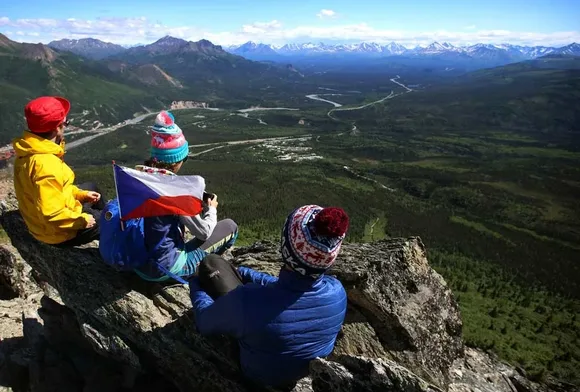
North America's tallest peak hides behind clouds roughly two-thirds of the time, which means a clear view of Denali feels like winning the weather lottery. But even without the summit, the park delivers tundra, wildlife, and backcountry that stretches beyond the horizon. The single Park Road runs 90 miles into the wilderness, accessible only by bus, which means you're shooting from a moving vehicle or hiking out into country where grizzlies outnumber people.
The mountain creates its own weather system, pulling clouds in like a magnet and hiding a 20,000-foot massif behind gray.
Wildlife photographers treat Denali like a safari. Grizzlies, wolves, caribou, and Dall sheep move across the tundra in plain view, and the bus drivers double as spotters. April is too early for the buses, but if you're willing to ski or snowshoe the Park Road, you'll have the landscape to yourself. The mountain shows itself more often in spring, and the low-angle light makes everything glow.
Everglades National Park
Largest subtropical wilderness in the country / A slow-moving river creating sawgrass marshes and mangrove islands
The Everglades doesn't photograph like other parks. There are no towering peaks or dramatic overlooks, just a vast wetland ecosystem that requires patience and a telephoto lens. Anhinga Trail puts you within feet of alligators, herons, and roseate spoonbills without needing a kayak, while the mangrove tunnels along the coast create compositions that feel more like the Amazon than Florida.
Most people drive through looking for drama and leave disappointed, missing the fact that the drama happens at water level.
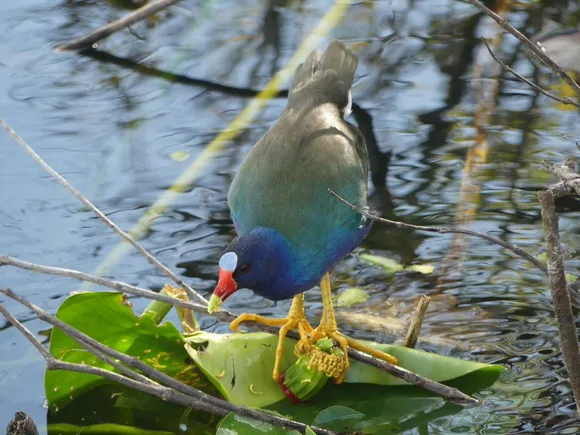
April falls at the tail end of the dry season, which concentrates wildlife around shrinking water sources. Birds pack into every pond and slough, and alligators bask on mudbanks waiting for fish to swim past. The light stays soft and humid, creating pastel sunrises over the River of Grass. Photographers who work the trails at dawn often have the boardwalks entirely to themselves, with only the sound of wading birds breaking the silence.
Gates of the Arctic National Park & Preserve
Bigger than Switzerland / No trails, no roads, no cell service
The Brooks Range rises through valleys that most people will never reach, creating a park that exists almost entirely in concept for anyone unwilling to charter a bush plane or paddle a wild river. There are no established trails and no campgrounds, just six million acres of Arctic wilderness where caribou migrations follow routes older than any map. Photographers who make it here tend to be the kind who measure trips in weeks, not days, and who understand that the remoteness is the point.
You don't visit Gates of the Arctic so much as earn it through planning, logistics, and a tolerance for uncertainty.
April means breakup season, when rivers shed their ice and the tundra transitions from white to brown to green in a matter of weeks. The light lasts nearly 24 hours by late spring, giving you extended golden hours that make the Arctic feel less hostile and more dreamlike. Wildlife photography requires patience and a willingness to sit still for hours, but the payoff is images of Dall sheep, wolves, and grizzlies in landscapes that look untouched because they are.
Glacier National Park
More trail miles than most state highway systems / Twenty-six glaciers remain from the 150 that once filled these valleys
Going-to-the-Sun Road delivers some of the most accessible alpine photography in the national park system, but the real work happens on the trails. Grinnell Glacier glows turquoise against gray rock, Iceberg Lake holds ice floes through July, and the Many Glacier area offers more photogenic peaks per square mile than anywhere outside the Tetons. The catch is that everyone else knows this too, which means you'll need to hike farther or start earlier than the tour buses allow.
The glaciers are melting faster than scientists predicted, which makes every shot feel like documentation as much as art.
April means the road is still closed and most trails sit under several feet of snow, but that's exactly when Glacier feels most like wilderness. You can snowshoe to Avalanche Lake or ski into the backcountry without seeing another person, and the peaks stay snow-covered all the way to the treeline. Wildlife emerges from winter dens, and the light stays low and warm through the long spring afternoons.
Great Basin National Park
Wheeler Peak towers over one of America's emptiest parks / Hours from the nearest traffic jam
Bristlecone pines older than the pyramids cling to rocky slopes at 10,000 feet, their twisted trunks looking more like driftwood than living trees. Wheeler Peak rises above alpine lakes and permanent snowfields, and Lehman Caves offers underground photography that requires a permit and a tripod. The park sits in the middle of Nevada's Great Basin, far enough from any major city that the night sky delivers stars so dense you can shoot the Milky Way with a kit lens.
The bristlecones have been photographed thousands of times, yet each one looks different depending on the light and the angle you choose.
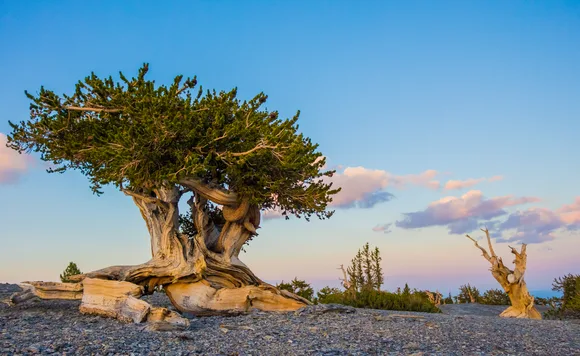
April brings wildflowers to the lower elevations while snow still blocks the Wheeler Peak Trail, creating a two-season park depending on where you point your camera. The lack of crowds means you can spend an hour composing a single bristlecone without someone walking into your frame, and the light stays clean and dry in the high desert air. Sunrise and sunset happen fast here, so scout your compositions the day before and be in position early.