8 parks where photographers go in September
September delivers cooler air, fewer crowds, and light worth waking up for — if you know where to point the lens
September hands photographers what August withholds: cooler air that sharpens distant ridges, fewer people blocking the frame, and light that softens from harsh midday white to something closer to amber. The parks below deliver that clarity without the shoulder-to-shoulder crowds of peak season, and most hit their visual stride just as the summer rush fades.
These eight parks reward the September shooter with conditions that matter more than gear: accessible subjects, manageable logistics, and light worth waking up for.
Mesa Verde National Park
Seven hundred cliff dwellings / Most people have never heard of it
The Ancestral Pueblo structures here photograph like nowhere else in the park system because the architecture isn't just old, it's contextual: stone rooms tucked into sandstone alcoves that shift from shadow to gold as the sun moves across the canyon. Cliff Palace, a 150-room complex accessible only by ladder and ranger escort, gives you thirty minutes inside before the next group cycles through. September thins the tour groups enough that you're not fighting tripods at every angle.
The dwellings don't just sit in the landscape — they're carved from it, which means every frame includes both human craft and geologic drama.
Balcony House requires crawling through a stone tunnel and climbing a 32-foot ladder, which keeps the casual crowds out and gives you compositions without people in every corner. The park sits at 7,000 feet, so September afternoons stay comfortable in the mid-70s, and the high desert light stays hard and directional through golden hour. Shoot early for east-facing alcoves, late for west-facing structures, and don't skip the mesa-top sites where you can frame dwellings against the canyon floor below.
Shenandoah National Park
105 miles of ridgeline road / Early fall color without the October traffic
Skyline Drive threads the spine of the Blue Ridge, and by mid-September the first maples and dogwoods start turning while most of the canopy stays green. That gives you layers of color instead of the uniform orange that dominates October. The overlooks along Skyline deliver wide valley views, but the real shots are on the trails where you can shoot into the forest instead of over it.
Dark Hollow Falls drops 70 feet through a narrow ravine where the light filters through hemlock and yellow birch — bring a polarizer and patience.
Old Rag Mountain pulls the serious crowd even in September, but the boulder scramble near the summit gives you granite foregrounds and ridge-after-ridge backgrounds that compress beautifully with a longer lens. Hawksbill Summit, the park's highest point, delivers 360-degree views without the technical climb. Plan your shoot around weather: morning fog fills the valleys most September days, and it burns off by 10 AM to reveal the ridges in full.
Great Smoky Mountains National Park
More visitors than any other park / But September drops the crowds before the leaves turn
The Smokies earn their name from the blue-gray haze that hangs in the valleys, a combination of humidity and volatile oils from the forest. September mornings deliver that haze without the July heat or October tour buses, and Clingmans Dome gives you an elevated platform to shoot it at dawn. The observation tower sits above 6,000 feet, and on clear mornings you can frame ridges layering into Tennessee while the valleys below stay socked in.
Cades Cove loops eleven miles through open meadows where white-tailed deer graze at dusk and historic cabins anchor your compositions with scale.
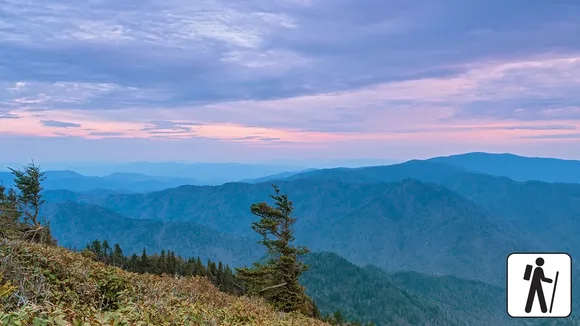
Laurel Falls pulls families year-round, but the paved trail means you can haul a tripod without suffering. The falls split into two tiers, and if you arrive before 9 AM you'll catch them without people draped over every rock. Alum Cave Trail climbs through old-growth forest to open bluffs where the light rakes across wet stone in the afternoon. The trail stays shaded through the hardwood section, so plan for long exposures and bring a sturdy head for your tripod.
Acadia National Park
Rocky Atlantic coast meets granite peaks / September skips the August crowds and October leaf-peepers
Cadillac Mountain's summit road makes it the most accessible sunrise shoot on the East Coast, but that also means you'll share the granite slabs with dozens of other photographers on clear mornings. The real opportunity here is the coastline: Bass Harbor Head Light perches on a cliff where waves break against dark rock, and the afternoon light hits the tower from the west. You'll need to scramble down a short trail to shoot from the rocks below, but that angle gives you both the lighthouse and the ocean in one frame.
Jordan Pond mirrors the rounded domes of the Bubbles on calm mornings, and the carriage road loop keeps the composition clean of power lines and development.
Thunder Hole delivers when the tide and swell align, sending spray 40 feet into the air through a narrow chasm. Check the tide tables and arrive two hours before high tide for the best action. The Beehive Trail's iron rungs and ladders scare off enough people that you can shoot the exposed granite faces without crowds, and the summit frames Frenchman Bay with the Porcupine Islands in the middle distance. September weather swings fast here: fog rolls in by midday most days, so shoot early or embrace the mood.
Glacier National Park
Twenty-six glaciers remain / September clears the Going-to-the-Sun Road before the snow returns
Going-to-the-Sun Road closes for the season by mid-September most years, which means you have a narrow window to shoot Logan Pass without July's bumper-to-bumper traffic. Hidden Lake Overlook Trail starts at the pass and climbs through alpine meadows where mountain goats graze within lens reach. The overlook gives you a glacial tarn framed by peaks, and if you push another mile to the lake itself, you'll find near-total solitude.
Grinnell Glacier reflects in the turquoise meltwater of its own lake, a color so saturated it looks fake until you see it in person.
Many Glacier Valley concentrates the park's best shots into a single drainage: Iceberg Lake sits in a cirque where chunks of ice float through July, and by September the water turns deep blue without the milky glacial silt. Swiftcurrent Lake layers three lakes and four peaks into a single morning composition, and the accessibility means you can shoot handheld without the predawn slog. Sunrise here peaks around 7 AM in September, late enough that you don't need a headlamp to reach your spot.
Rocky Mountain National Park
Trail Ridge Road crosses the Continental Divide / September delivers snow-dusted peaks before the road closes
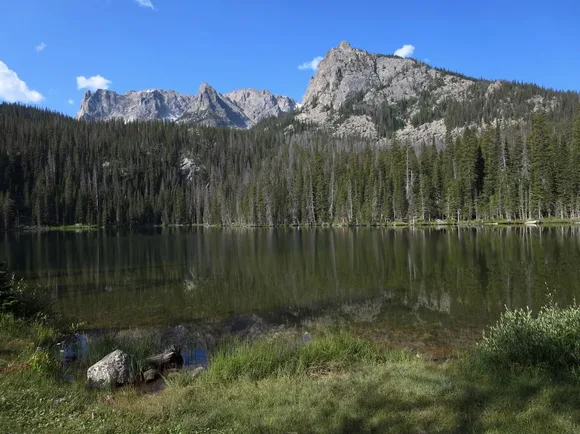
Bear Lake anchors the park's most-shot composition: a glacial tarn reflecting Hallett Peak and the Continental Divide. The half-mile loop trail circles the shore, and you can work the light from every angle without backtracking. September mornings often start with frost on the shoreline grass, and by 8 AM the sun clears the ridges to light the peaks while the lake stays shaded. That contrast gives you warm mountains over cool water.
Dream Lake and Emerald Lake stack upstream from Bear Lake, each one smaller and more dramatic than the last.
Trail Ridge Road peaks above 12,000 feet, and by late September the alpine tundra shifts from green to rust. Early snow often dusts the peaks above treeline, giving you winter drama without the access problems. Longs Peak, the park's only fourteener, dominates the skyline from most eastern vantage points, and the Glacier Gorge trailhead gives you access to Sky Pond, where a waterfall feeds a lake surrounded by vertical granite. Plan for afternoon storms through September: clouds build by 1 PM most days, and lightning above treeline isn't theoretical.
Cuyahoga Valley National Park
Twenty miles of canal towpath / Early fall color starts in the gorge before the maples turn
Brandywine Falls drops 65 feet over sandstone in a narrow gorge where the boardwalk gives you three different levels to shoot from. The falls run year-round, and September's lower water flow means cleaner lines without the spring flood's muddy churn. The Ledges Trail loops through Sharon conglomerate formations, massive blocks of stone that jut from the forest floor and frame well with wide-angle glass.
The Ohio & Erie Canal towpath runs flat and paved for twenty miles, which means you can haul a cart full of gear without suffering.
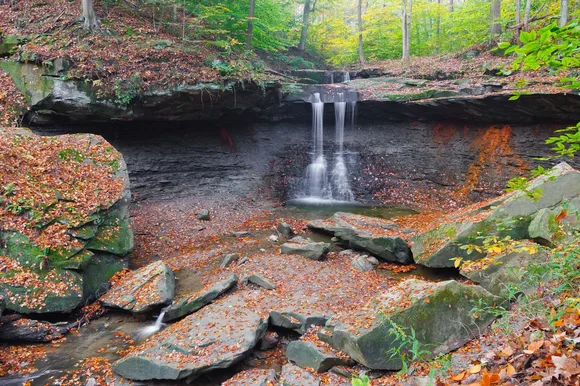
The Cuyahoga River bends through forested bottomland where sycamores and cottonwoods turn yellow by late September, and the towpath parallels the water close enough that you can shoot reflections without bushwhacking. Blue Hen Falls requires a short side trail from the towpath, and the smaller scale keeps crowds thin compared to Brandywine. The historic railroad still runs through the valley on weekends, and you can frame the vintage cars crossing stone bridges if that aesthetic appeals.
Theodore Roosevelt National Park
Badlands carved by the Little Missouri / Almost nobody visits, which is the entire point
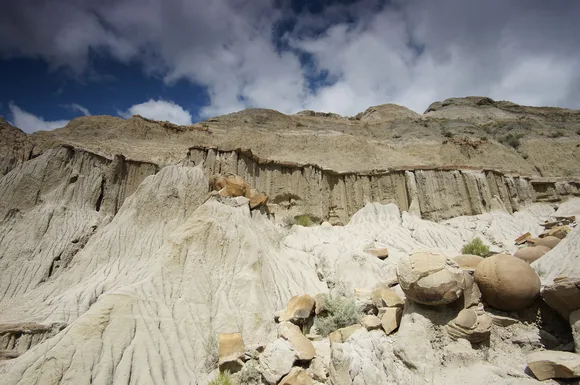
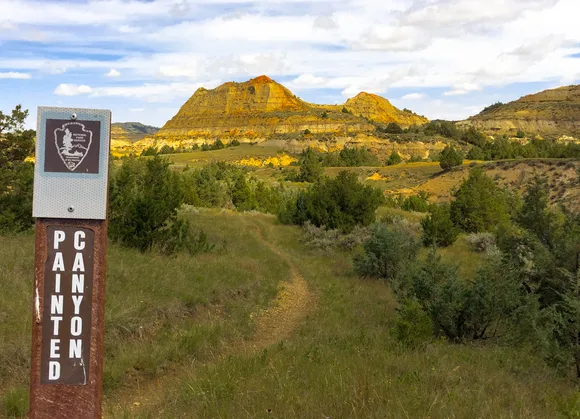
Roosevelt's North Dakota badlands photograph like the Southwest without the crowds or the heat. Painted Canyon delivers layered buttes in shades of rust, gray, and tan, and the overlook gives you a wide view at sunrise when the low light carves every ridge. The South Unit's Scenic Loop Drive threads through the formations, and you can pull off anywhere to shoot without blocking traffic.
Wild bison graze the prairie grasslands, and unlike Yellowstone, you won't find fifty cars blocking your shot.
The Wind Canyon Trail climbs a short ridge to overlook the Little Missouri River as it bends through the badlands. Sunset here lights the west-facing buttes orange while the shadows go deep blue, and you'll often shoot alone. Petrified Forest Loop Trail requires a full day and a high-clearance vehicle to reach the trailhead, but the remote access means you'll find petrified logs scattered across the grassland without another person in sight. September temperatures drop into the 60s, cool enough for long hikes without the summer's brutal heat.