8 Parks Where Spring Arrives First
Eight national parks where June brings perfect weather and actual elbow room while the famous names turn into parking nightmares
June is the month when most national parks start to feel like theme parks. Parking lots fill by dawn, trails resemble commuter lines, and the question shifts from "should we go" to "is it even worth it." But not everywhere. A handful of parks hit their stride in June, when temperatures climb into the comfortable range and the crowds haven't yet arrived — or never will.
These eight parks offer the rare combination of excellent weather and actual elbow room in a month when most of the marquee names turn into logistical nightmares. Some keep their secrets through remoteness, others through obscurity. All of them give you space to breathe.
Channel Islands National Park
Five islands 12 miles offshore / Fewer people than a Tuesday at Disneyland
You can see the Channel Islands from the Ventura coast on any clear day, yet most people have never heard of them. June brings the best weather of the year: highs in the low 70s, minimal fog, and seas calm enough for comfortable ferry crossings. Santa Cruz Island offers the easiest introduction, with wildflowers still blooming on the coastal grasslands and sea lions barking from the rocks below Cavern Point.
The isolation isn't metaphorical — once the ferry leaves, you're committed to your island until the next scheduled departure.
Anacapa Island demands less time commitment — you can hike the short loop trail and be back on the mainland by early afternoon — but Santa Cruz rewards overnight trips with backcountry camps overlooking the water. The island fox, found nowhere else on earth, will likely investigate your campsite. Kayakers paddle into sea caves along the northern shore, and the water temperature climbs into the high 50s, which counts as swimmable if you're optimistic or wearing a wetsuit.
Denali National Park & Preserve
One 92-mile road into six million acres / The mountain shows itself 30% of summer days
June in Denali means 20 hours of daylight and wildflowers erupting across the tundra. The park bus system starts full operations by early June, carrying you deeper into wilderness than you can drive in almost any other park. Grizzlies graze on hillsides visible from the bus, caribou herds cross the road at Sable Pass, and Denali itself — the mountain, not the park — emerges from clouds just often enough to feel like a personal gift when it happens.
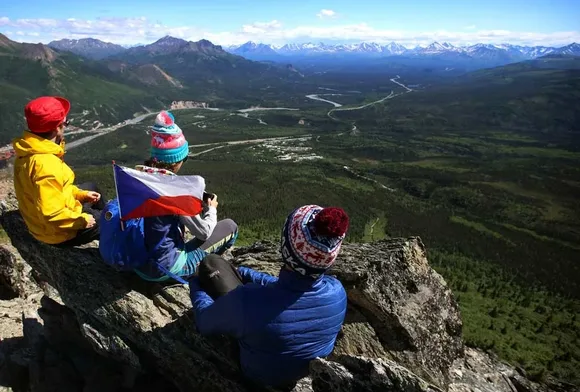
The scale defeats comprehension until you realize that distant "hill" is actually a 10,000-foot peak.
Most visitors ride the bus to Wonder Lake and back, a 12-hour round trip that covers the full breadth of the park's ecosystems. The more adventurous get off anywhere past mile 15 and walk straight into trailless backcountry — Denali has no formal trail system beyond the entrance area. Rangers hand out detailed topographic maps and bear safety briefings, then send you into tundra that stretches to every horizon. The Savage River loop offers an easier introduction, and Mount Healy Overlook Trail climbs steeply from the park entrance to views that extend 50 miles on clear days.
Glacier National Park
Going-to-the-Sun Road opens by mid-month / Still room to park at trailheads
June sits in the narrow window between road opening and peak-season chaos. Going-to-the-Sun Road typically clears of snow by mid-month, revealing alpine views without the July and August crowds that turn Logan Pass into a parking lot nightmare. Wildflowers start blooming at lower elevations, and waterfalls run at full force from snowmelt. You'll need to navigate the park's entry reservation system, but afternoon slots remain available even on weekends.
Glacier doesn't do subtle — the mountains rise straight from the valley floors like walls.
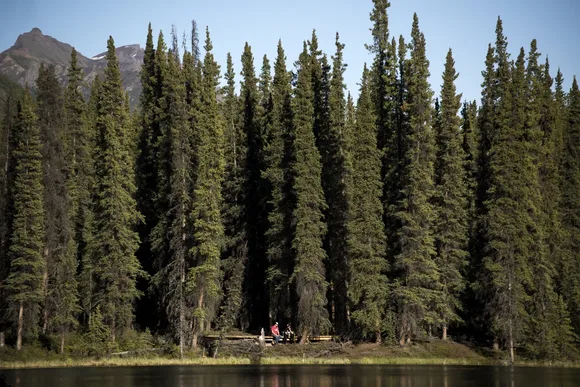
Hidden Lake Overlook Trail gets heavy traffic, but the boardwalk from Logan Pass stays manageable in June. Grinnell Glacier Trail takes you to one of the park's namesake ice fields, still substantial in early summer before the melt accelerates. Many Glacier Valley offers the densest concentration of wildlife and scenery, with Iceberg Lake Trail leading to a cirque where chunks of ice float in turquoise water even in June. The eastern side of the park opens earlier and stays quieter, though weather can be less predictable.
Great Basin National Park
Nearly as big as Zion / Draws fewer visitors than a mall on Sunday
Great Basin makes a virtue of isolation. The park sits five hours from Las Vegas and seven from Salt Lake City, which keeps visitation lower than parks a tenth its size. June brings ideal temperatures — warm valleys and cool alpine zones — and Wheeler Peak Scenic Drive opens by month's end, climbing from sagebrush desert to subalpine forest in 12 miles.
The bristlecone pines at 10,000 feet were already ancient when the pyramids were new.
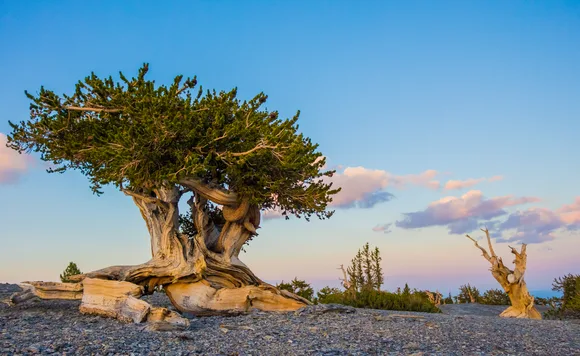
Lehman Caves provides a cool retreat when afternoon temperatures climb, with 90-minute ranger-guided tours through limestone chambers. The cave stays at 50F year-round, which feels refreshing after the desert heat outside. Wheeler Peak Trail leads to the park's 13,063-foot summit, but you'll need to wait until July for the upper section to clear. Bristlecone Pine Trail remains accessible in June and offers an easier introduction to trees that have stood for 5,000 years. Mather Overlook and the alpine lakes basin reveal a landscape that looks nothing like the Nevada most people imagine.
Great Sand Dunes National Park & Preserve
Tallest dunes in North America / Medano Creek runs through June
The dunes rise 750 feet against the Sangre de Cristo Mountains, creating a landscape that looks transplanted from the Sahara. June catches the tail end of Medano Creek's surge flow, when snowmelt creates a shallow, mile-wide stream at the base of the dune field. Kids splash in water that pulses in small waves while adults haul sleds up the first ridge for sand surfing runs back down.
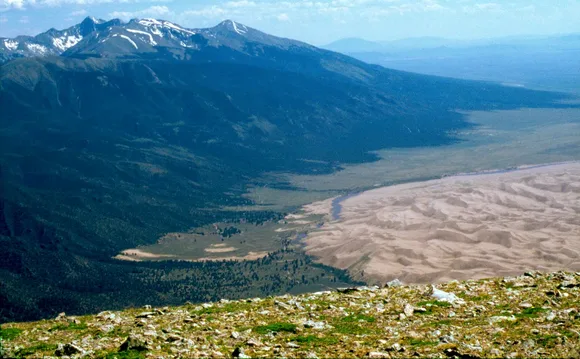
Every step up the dunes slides you half a step back, turning distance into a negotiation rather than a certainty.
High Dune sits about 90 minutes from the parking area, though the loose sand makes time estimates unreliable. Most visitors turn around there, but Star Dune — the tallest peak in the field — rewards the extra effort with 360-degree views and near-total solitude. The alpine lakes trail network starts at Medano Pass, climbing into the Sangres above 10,000 feet. Temperatures remain mild in June, with highs in the upper 70s and cool mountain air descending at night. By July, sand surface temperatures approach 150F at midday, making early June the better choice.
Redwood National and State Parks
Tallest trees on Earth / Six hours north of San Francisco with a third the crowds
June brings the summer fog that keeps the redwood coast cool and damp, exactly the conditions these trees prefer. Temperatures stay in the 60s most days, and the marine layer burns off by afternoon more often than not. Lady Bird Johnson Grove offers an easy introduction to old-growth forest, with a 1.4-mile loop through trees that dwarf everything around them.
Walking through a redwood grove feels less like hiking than entering a cathedral where the ceiling disappeared into mist.
Fern Canyon looks like a movie set — because it was, multiple times — with 50-foot walls draped in five-finger ferns. The canyon requires a creek walk, so waterproof boots help, though most people just accept wet feet. Tall Trees Trail leads to a grove containing some of the tallest specimens in the park, but you need a free permit limited to 50 cars per day. Newton B. Drury Scenic Parkway runs through Prairie Creek Redwoods State Park, where Roosevelt elk graze in meadows between the trees. The Coastal Trail connects multiple sections, offering ocean views and access to Gold Bluffs Beach.
Sequoia & Kings Canyon National Parks
General Sherman weighs as much as 15 blue whales / Uncrowded even in peak season
The giant sequoias start coming into view along the Generals Highway, but nothing prepares you for General Sherman. The largest tree on Earth by volume stands 275 feet tall with a base circumference of 102 feet — dimensions that read like typos until you're standing at its roots. June brings perfect weather to Giant Forest, with mild days and snowmelt feeding waterfalls throughout the park.
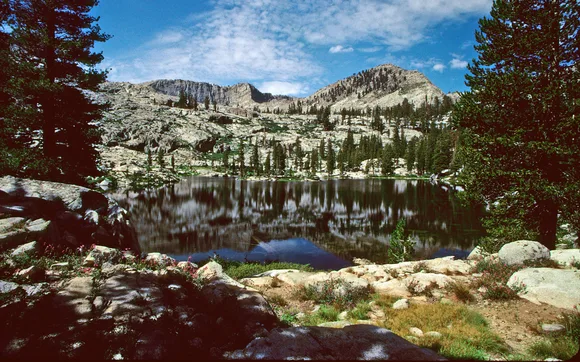
Sequoia trunks don't taper so much as thrust upward like columns holding up the sky.
Moro Rock climbs 400 steps to a granite dome with views across the Great Western Divide. The stairway clings to the rock face, built by the Civilian Conservation Corps in the 1930s, and delivers panoramas worth every step. Kings Canyon Scenic Byway descends into one of the deepest canyons in North America, dropping 8,000 feet from summit to river. Mist Falls Trail follows the Kings River to a cascade that runs heavy through June. The High Sierra camps and backcountry trails open by month's end, offering access to alpine lakes and passes that stay snowbound into July elsewhere.
Voyageurs National Park
More water than land / Boats replace roads entirely
Voyageurs makes no concessions to car-based tourism. The park consists of four interconnected lakes covering more area than the land between them, and you reach almost everything by boat. June brings comfortable temperatures in the mid-70s, long daylight hours this far north, and walleye fishing that draws anglers from across the Midwest.
The park doesn't have traditional campsites — just tent pads scattered across islands where the only sounds are loons and water lapping at rocks.
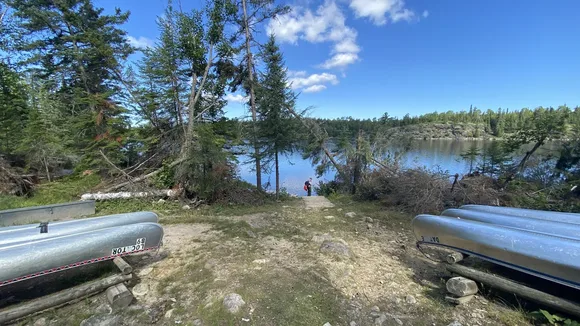
Rainy Lake Visitor Center rents canoes and kayaks, or you can bring your own motorboat to explore the 340 square miles of interconnected waterways. Kettle Falls Hotel sits at the park's center, accessible only by water and still operating after more than a century. The Kabetogama Peninsula contains most of the hiking trails, though you need a boat to reach the trailheads. Black bears, bald eagles, and occasional moose populate the boreal forest. Most visitors come for the fishing — Rainy Lake and Namakan Lake hold walleye, northern pike, and smallmouth bass — but the paddling and island camping draw a smaller crowd that understands what the park actually offers.