Acadia vs Yellowstone: Which Park Should You Visit?
Acadia packs ocean cliffs and granite peaks into a weekend trip. Yellowstone sprawls across geysers and bison country
Acadia and Yellowstone share a spot on everyone's bucket list, but they represent two entirely different visions of what a national park should be. One packs ocean views, granite peaks, and a network of carriage roads into an area smaller than Martha's Vineyard. The other sprawls across territory larger than Delaware and Rhode Island combined, with enough geysers, bison, and backcountry to absorb crowds that would gridlock most other parks.
Visiting in April complicates the choice. Acadia is emerging from winter with unpredictable weather and limited services. Yellowstone is still buried in snow, with most roads closed until late April or early May. Neither park shows its best face this early in the season, but each offers something the other can't touch.
Acadia National Park
Rocky Atlantic coast crowned by granite peaks / More visitors than the population of Los Angeles
You can drive across Acadia in twenty minutes, which sounds absurd until you realize the park crams an improbable amount of terrain into that compact footprint. Cadillac Mountain rises directly from the ocean, its granite summit accessible by car, foot, or bike. The Park Loop Road threads past Thunder Hole, where waves detonate against rock shelves, and Jordan Pond, where the shore trail delivers postcard views of The Bubbles reflected in still water. The 45 miles of carriage roads, built by John D. Rockefeller Jr. and closed to cars, let you bike or walk through quiet forest while cars queue on the main road above.
Acadia proves that a national park doesn't need sprawling wilderness to feel wild, just granite cliffs that plunge straight into the Atlantic.
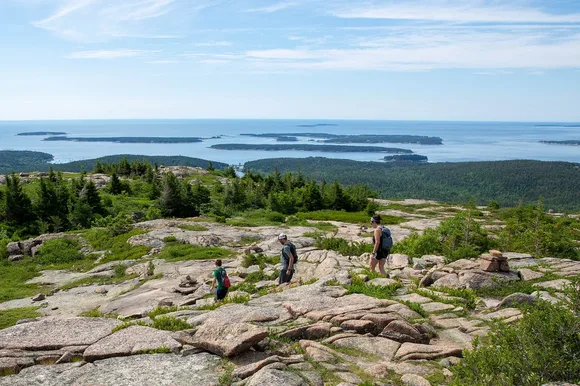
April in Acadia means mud season. The Park Loop Road usually opens by mid-month, but trails stay sloppy and some facilities remain closed until Memorial Day. Daytime temperatures hover in the 40s and 50s, and you'll share the park with far fewer people than the summer crush that packs parking lots and creates hour-long waits for the Cadillac summit. The Jordan Pond Shore Trail and Carriage Roads drain faster than backcountry routes, making them your best bet for early-season exploration. Don't expect the sunrise from Cadillac to feel triumphant in April, expect it to feel cold and lonely, which has its own appeal if you're trying to avoid the shoulder-to-shoulder experience of July and August.
Yellowstone National Park
Half of Earth's geysers erupt on a supervolcano / More trail miles than most states have highways
Yellowstone operates on a scale that makes Acadia look like a city park. The distance from the north entrance at Mammoth to the south entrance at Jackson Lake covers more ground than driving from Boston to Portland. Old Faithful erupts every 90 minutes like clockwork, but the real spectacle is Grand Prismatic Spring, a 370-foot pool that cycles through blues, greens, and oranges depending on the bacteria thriving in water hot enough to scald. The Grand Canyon of the Yellowstone carves a 20-mile gash through volcanic rock, with the Lower Falls dropping twice the height of Niagara. Lamar Valley at dawn looks like the Serengeti transplanted to Wyoming, with bison herds, wolf packs, and grizzlies moving across sagebrush flats.
Yellowstone doesn't just tolerate wildlife, it centers them, and you'll plan your day around bison blocking the road as casually as if they owned the place.
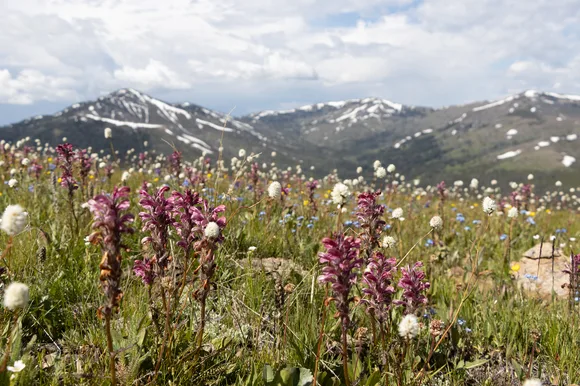
April is a gamble at Yellowstone. The north entrance and the road to Mammoth stay open year-round, but the rest of the park remains locked under snow until the third Friday in April, when the park begins its phased opening. Even then, services are limited, and you're visiting during shoulder season when weather swings from sunny 50s to sudden snowstorms. The advantage is solitude that feels impossible during the summer peak, and wildlife viewing that improves as animals move to lower elevations. Bison calves arrive in late April, and the park's sheer size absorbs the handful of visitors willing to deal with unpredictable conditions. If you're comfortable with winter driving and don't mind closed facilities, April Yellowstone offers an experience closer to what the park felt like before it became one of the most famous protected landscapes on Earth.
Getting There
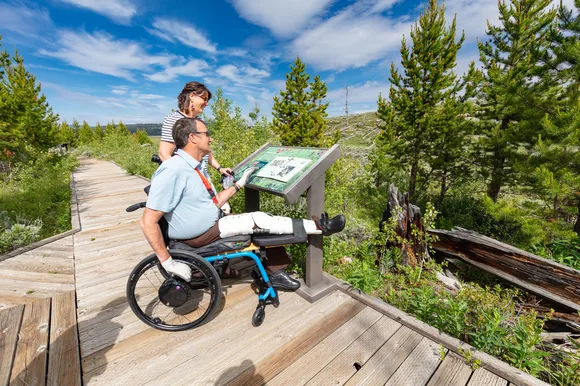
Acadia wins on accessibility. Bangor International Airport sits 50 miles from the park, and the drive from Portland takes less than three hours on straightforward highways. You can feasibly visit Acadia as a long weekend from anywhere on the East Coast. Yellowstone requires more commitment. Bozeman is the nearest major airport at 90 miles, and you'll need to rent a car and drive through Montana ranch country to reach the north entrance. The park's interior distances mean you're not just driving to Yellowstone, you're driving through it for hours to reach different sections.
Hiking and Terrain
Acadia's trails are short, steep, and sometimes vertical. The Beehive and Precipice trails use iron rungs bolted into cliff faces, turning hikes into scrambles that feel more like rock climbing without the rope. Most trails clock in under five miles, which matches the park's compact geography. You're hiking for views, not distance, and the terrain mixes granite summits, coastal paths, and forested carriage roads.
Yellowstone offers everything from boardwalk strolls around geysers to multi-day backcountry routes that see a dozen hikers per season. The Mount Washburn trail climbs six miles to a fire lookout with views across the Absaroka Range. Lamar Valley trails let you track wolf packs and bison herds without the elevation gain. The scale means you can spend a week hiking different sections and barely overlap. In April, though, most backcountry remains snowbound, and you'll stick to lower-elevation trails near Mammoth and the northern reaches.
Crowds and Solitude
Acadia gets packed during peak season, with parking lots full by 8 AM and traffic jams on the Park Loop Road. The park's small size concentrates visitors in a handful of spots, and popular trails like Jordan Pond and Cadillac summit feel more like theme parks than wilderness. April offers relief, but you're trading crowds for mud and cold.
Yellowstone's vast acreage absorbs visitors in ways Acadia can't. Even during the July peak, you can find empty trails 15 minutes from the main road. The northern sections, especially Lamar Valley and the roads toward Cooke City, stay relatively quiet even in summer. April pushes solitude to an extreme, but with the caveat that much of the park remains inaccessible.
The Verdict
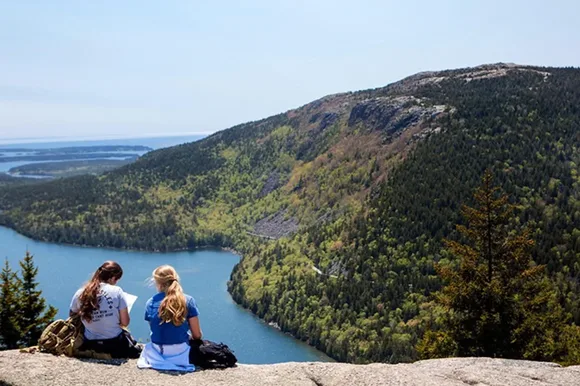
Choose Acadia if you want a park that fits into a long weekend, if you prefer ocean views to geothermal features, and if you're willing to trade elbow room for accessibility. The compact geography means you can bike carriage roads in the morning, hike a granite summit at midday, and watch waves crash at Thunder Hole by sunset without spending hours in the car. April isn't prime season, but it beats the summer crowds if you pack layers and don't mind limited services.
Choose Yellowstone if you want scale, wildlife, and backcountry that stretches beyond the horizon. The park demands more time and planning, especially in April when road closures limit access, but it rewards that effort with geysers, bison herds, and landscapes that feel untouched despite millions of annual visitors. If you can only visit in April, Yellowstone's northern section around Mammoth and Lamar Valley offers enough to justify the trip. If you can wait until June, the full park opens and the choice becomes obvious.