Arches vs Capitol Reef: Which Park Should You Visit?
Arches packs 2,000 arches into a compact showcase. Capitol Reef sprawls across a geologic wrinkle three times the size
Both parks sit in southern Utah's red rock country, both opened the same year, and both draw crowds that would have seemed unthinkable a decade ago. But Arches built its reputation on a single postcard icon, while Capitol Reef remains the park most people drive past without stopping. The difference matters more than you'd think.
If you're choosing between them for an April visit, you're timing it perfectly. Both parks hit their sweet spot before summer heat turns the desert into a convection oven. But they offer fundamentally different experiences, and knowing which one matches your trip can save you from spending half your visit wishing you were somewhere else.
Arches National Park
Over 2,000 stone arches in an area smaller than Denver / Expect company at every trailhead
Arches delivers exactly what its name promises: more natural stone arches than anywhere else on the planet, carved from Entrada sandstone that glows orange at sunrise and crimson at sunset. The park feels like a greatest hits album, with Delicate Arch anchoring the lineup and Landscape Arch stretching nearly the length of a football field. You'll drive the scenic road with everyone else, park in lots that fill by 8 AM, and hike trails where you can see dozens of other groups ahead and behind you. This isn't a criticism. It's the trade you make for concentrated, accessible geology that would take weeks to find scattered across the Colorado Plateau.
Delicate Arch sits alone on a slickrock amphitheater like it's waiting for an audience, and every day it gets one.
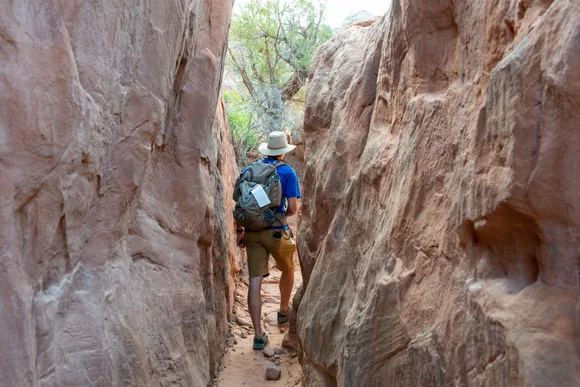
The park's compact size works in your favor once you accept the crowds. You can drive the full scenic road in two hours, hit Devils Garden in the morning, catch Delicate Arch at sunset, and still have time for the Windows Section before lunch. The trails stay short because the features sit close together. Balanced Rock requires a five-minute stroll. Sand Dune Arch tucks into a shaded alcove perfect for kids who need a break from the sun. Even Delicate Arch, the park's marquee hike, clocks in at three miles round trip with 480 feet of elevation gain. It's steep enough to earn the view but manageable for anyone in decent shape.
Capitol Reef National Park
Three times the size of Arches with more trails and fewer tour buses / Orchards you can pick from
Capitol Reef sprawls across the Waterpocket Fold, a hundred-mile buckle in the earth's crust that looks like someone grabbed the landscape and wrinkled it lengthwise. The geology demands more from you here. Instead of arches positioned like museum pieces, you get slot canyons that require scrambling, backcountry routes that disappear into the fold's complexity, and viewpoints that make you work for context. The park's Fruita Historic District offers something Arches can't touch: pioneer orchards planted in the 1880s where you can still pick apples, cherries, and apricots depending on the season. It's the kind of detail that transforms a park from scenery into a place with history.
Capitol Reef doesn't hand you the view from a parking lot—it makes you walk into the landscape until you're part of it.
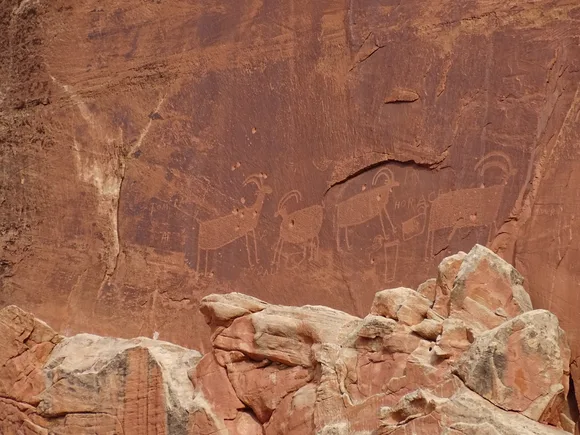
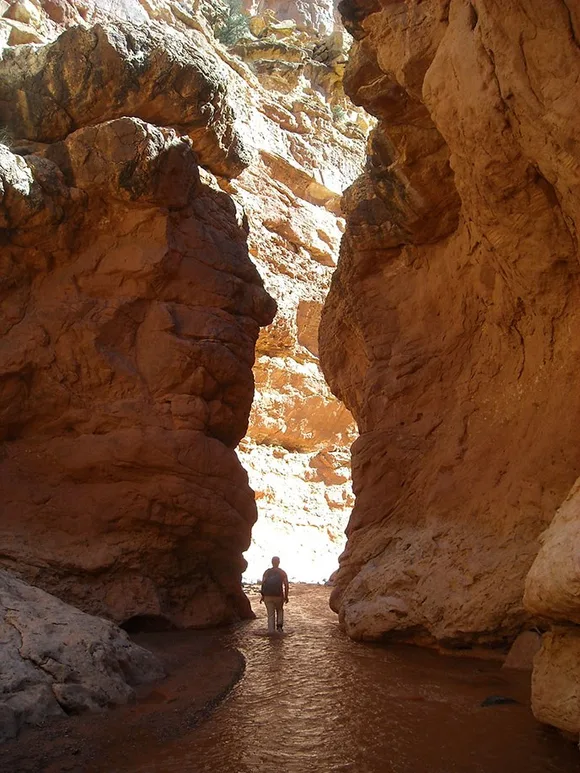
The trails here favor distance over spectacle. Hickman Bridge delivers an impressive stone span after a moderate two-mile round trip, but Grand Wash pulls you into a canyon floor where walls rise 500 feet on either side and narrow to corridors that block the sky. Cassidy Arch requires more commitment: a strenuous climb that tops out at a freestanding arch you can walk on if your nerves allow it. The park's size absorbs visitors in ways Arches never can. You'll still see crowded trailheads near the scenic drive, but push into Cathedral Valley or the Waterpocket District and you'll find dirt roads where you might not pass another car all day.
Getting There and Getting Around
Arches sits just outside Moab, which means you'll have restaurants, gear shops, and hotel options within a ten-minute drive. The nearest airport lands in Canyonlands Field, half an hour away, though most people fly into Salt Lake City and make the four-hour drive south. Capitol Reef requires more commitment. The park headquarters sits in Torrey, a town with three motels and a handful of restaurants. The nearest commercial airport remains Salt Lake City, roughly the same distance but with fewer services once you arrive.
Both parks run a single scenic drive as their main artery. Arches packs its features along 18 miles of paved road with pullouts and short spur trails. Capitol Reef's scenic drive stretches eight miles before transitioning to dirt roads that require high clearance or four-wheel drive depending on conditions. If you're planning to explore beyond the pavement at Capitol Reef, check road status at the visitor center before committing to routes like Cathedral Valley.
The Verdict
Choose Arches if you want iconic photography, shorter trails, and the ability to see the park's greatest hits in a day or two. It works perfectly as part of a Moab basecamp strategy where you split time between Arches and Canyonlands. The crowds feel manageable if you adjust your timing, and the park's compact layout means you won't spend hours driving between trailheads.
Choose Capitol Reef if you prefer exploration over icons, don't mind longer drives on dirt roads, and want a park that still feels like it has secrets. The extra space and trail mileage reward visitors who plan to stay three or four days instead of rushing through. You'll work harder for the views, but you won't spend half your hike waiting for other groups to clear the frame.