Dark Sky Parks You Can Enjoy Without a Single Hike
Six certified dark sky parks where the Milky Way sits right next to the parking lot, no hiking required
Most national park stargazing advice sounds like this: hike three miles up a mountain, wait until 2 AM, bring layers. But some of the darkest skies in the country sit right next to parking lots, accessible to anyone who can stay awake past twilight. These six parks offer certified dark sky viewing without requiring a single step on a trail.
You'll find a range of experiences here. Death Valley and Big Bend offer vast emptiness where light pollution doesn't exist for hundreds of miles. Bryce Canyon and Capitol Reef pack their stargazing into compact viewpoints where you can walk from your car to the Milky Way in under a minute. Great Sand Dunes and Badlands add weird terrain that looks even stranger under starlight. What they share: you can drive to the views, park, and let your eyes adjust without consulting a topographic map.
Death Valley National Park
Larger than Delaware / Summer temps hit 125F, winter drops to livable
Badwater Basin sits at 282 feet below sea level, which puts you in a bowl surrounded by mountains that block any stray light from Las Vegas, 140 miles northwest. The basin's white salt flats reflect starlight like a natural mirror, creating a glow bright enough to read by on moonless nights. Drive out to Dante's View or Zabriskie Point after sunset and you'll watch the Milky Way arc from horizon to horizon while standing on pavement.
The salt flats at Badwater glow under starlight like someone left the landing lights on for the cosmos.
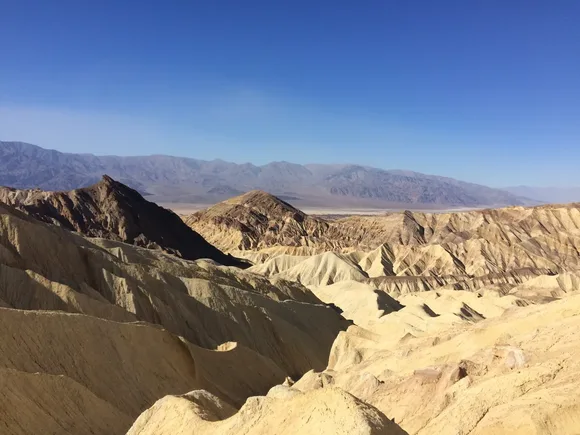
The Harmony Borax Works parking area offers another no-walk option with interpretive signs you can read by headlamp between meteor showers. Racetrack Playa requires a rough dirt road, but once you arrive, the moving rocks and their mysterious trails look appropriately alien under the stars. Winter months from November through March bring comfortable overnight temperatures in the 40s and 50s, compared to summer nights that rarely drop below 90F.
Bryce Canyon National Park
Earth's densest hoodoo forest / Shoulder to shoulder from June through September
Bryce hosts astronomy festivals twice a year because the rim viewpoints deliver dark skies without requiring visitors to descend into the amphitheater. Sunrise Point, Sunset Point, and Inspiration Point all sit along the rim trail, paved and accessible by wheelchair, with parking lots that fill early during peak season but empty out after sunset. At 8,000 feet elevation, you're above much of the atmospheric haze that dims stars at lower elevations.
The hoodoos vanish into shadow after sunset, leaving only their silhouettes against a sky so dense with stars it looks like someone spilled salt.
Rangers lead astronomy programs from May through September at the visitor center amphitheater, bringing telescopes focused on planets and deep sky objects. You can attend these programs and return to your car without navigating any trails. The park's compact size means you're never more than a short drive from another viewpoint if clouds roll in. September and October bring smaller crowds and stable weather, though temperatures at night can drop into the 20s.
Capitol Reef National Park
A hundred-mile wrinkle in the earth / Packed in May, manageable by November
The Fruita Historic District campground sits in a natural dark zone, surrounded by canyon walls that block ambient light while leaving the sky overhead completely exposed. You can pull your camp chair next to your site and watch the stars without leaving the developed area. The Scenic Drive parallels the Waterpocket Fold, offering pullouts every half mile where you can stop and let your eyes adjust between the canyon walls.
Capitol Dome looks like a sandstone spaceship under starlight, its white crown glowing while the rest of the formation disappears into shadow.
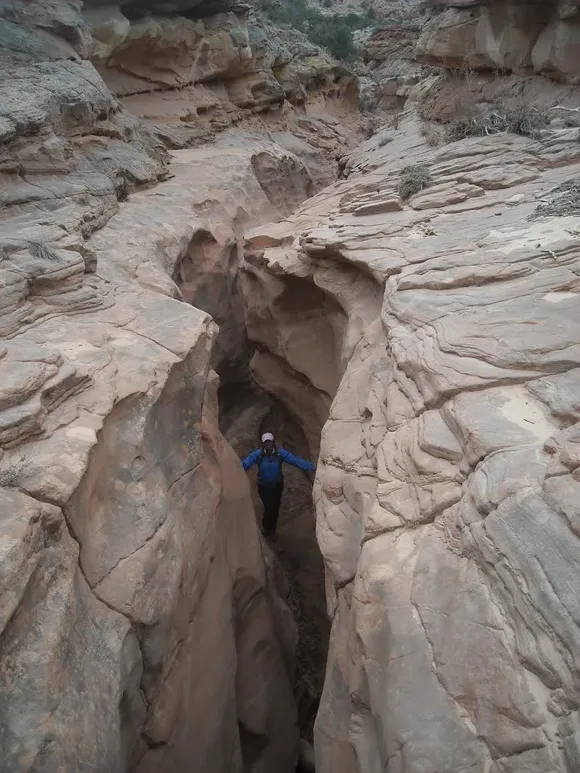
Panorama Point and Sunset Point both deliver views without requiring trail access, though the dirt roads to reach them need high clearance vehicles after storms. The park's orientation along Highway 24 means you can drive the entire main corridor after dark, stopping wherever the view looks clear. April and May bring crowds to the day-use areas, but after sunset the parking lots clear out fast.
Big Bend National Park
As remote as U.S. parks get / Five hours from El Paso, nobody in between
Big Bend earned its dark sky certification because there's nothing around it. El Paso sits over 300 miles northwest. The nearest town with a stoplight is Alpine, 100 miles north. This creates a light pollution situation so minimal that the park measures darkness in magnitudes most urban stargazers have never experienced. The Chisos Basin parking area offers paved access and restrooms, with mountain ridges blocking any residual glow from the tiny communities outside the park.
At Big Bend, the Milky Way doesn't arch overhead so much as dominate the entire sky, making you feel like you're looking down into space rather than up at it.
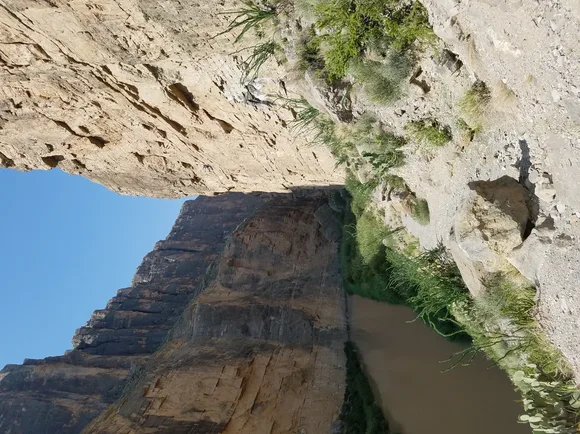
Rio Grande Village campground sits at lower elevation near the river, offering warmer winter nights when the Chisos Basin can drop below freezing. The Santa Elena Canyon overlook provides a paved path to a viewing area where canyon walls frame a narrow slice of sky dense with stars. Rangers lead stargazing programs from November through April at various roadside pullouts, bringing telescopes and laser pointers to trace constellations. February brings the most stable weather, with overnight temperatures in the 40s and almost no chance of clouds.
Great Sand Dunes National Park & Preserve
North America's tallest dunes / Most visitors have never heard of it
The dune field parking area sits a quarter mile from the sand, connected by a flat, accessible path that ends at Medano Creek. You can set up a chair on the creek bed and watch stars appear over dune ridges that block any light from Alamosa, 35 miles south. The dunes themselves look like another planet after dark, their curves and shadows creating an alien landscape that shifts with every passing cloud.
The dunes glow faintly under starlight, their ridges sharp enough to cut the Milky Way into sections like someone drew lines in the sky.
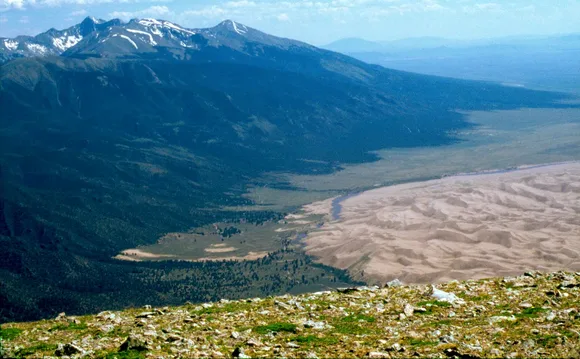
The amphitheater near the visitor center hosts ranger programs from May through September, with telescopes focused on planets and galaxies. The park's high altitude location at 8,200 feet puts you above much of the atmospheric interference that dims stars at lower elevations. September brings the clearest skies and the smallest crowds, with daytime temperatures in the 70s and nights that drop into the 30s.
Badlands National Park
A 65-million-year slice through time / July brings crowds, May brings space
The Badlands Loop Road runs 30 miles through the park with a dozen overlooks, each offering parking and views that require no walking beyond the car door to the railing. Big Badlands Overlook and Panorama Point both face north, away from any communities large enough to generate light pollution. The lunar landscape of eroded spires looks even stranger after dark, when shadows erase all depth perception and leave only silhouettes against the stars.
The white and tan spires of the Badlands glow under starlight like a city built by ghosts, complete and abandoned.
Door Trail and Fossil Exhibit Trail both offer short, paved paths to viewing areas where you can set up for extended observation without hiking into the backcountry. The park's position in the northern Great Plains means summer nights stay bright until after 10 PM, but by September sunset arrives before 8 PM and darkness follows quickly. May and September bring comfortable temperatures and thinner crowds compared to the July peak when the parking lots fill by mid-morning.