Kenai Fjords vs Glacier Bay: which Alaska park should you visit?
One you can hike to, the other you watch from a boat. Kenai Fjords wins on access, Glacier Bay on scale
Both parks deliver glaciers, fjords, and ice in quantities most people associate with Antarctica. But Kenai Fjords gives you a road and a trailhead, while Glacier Bay gives you a boat ticket and a captain's narration. The difference is access: one you can touch, the other you witness from a deck.
Kenai Fjords gets half the visitors Glacier Bay does, despite being far easier to reach from Anchorage. That tells you something about Alaska's geography and most people's itineraries. If you're based in Southcentral Alaska, Kenai Fjords is a two-hour drive. If you're cruising Southeast, Glacier Bay is a scheduled stop. Your lodging often decides for you.
Kenai Fjords National Park
The only Alaskan glacier you can drive to / Smaller than Rhode Island
Exit Glacier sits at the end of a paved road eight miles from Seward, with viewing platforms, interpretive signs, and retreat markers dating back to the 1800s. You can walk to the glacier face in under an hour on a wide gravel trail, or commit to the Harding Icefield Trail, an 8.2-mile climb that gains over 3,000 feet and delivers you to a 700-square-mile expanse of ice. The icefield trail is one of the best day hikes in Alaska, but also one of the hardest: expect snow and ice even in August, and plan for eight hours round-trip.
The retreat markers along Exit Glacier's access trail read like a timeline of climate change, each post marking a year the ice won't return to.

The park's other glaciers require a boat. Day cruises out of Seward run six to nine hours, threading through Resurrection Bay and into the fjords where tidewater glaciers calve house-sized chunks into the sea. Northwestern Glacier is the main attraction, but you'll also pass Holgate, Aialik, and others depending on your tour. Sea otters, Steller sea lions, and humpback whales appear often enough that guides stop narrating and just point. The boat tours aren't cheap, but they're the only way to see the park's namesake fjords unless you're an experienced sea kayaker with a week to spare.
Glacier Bay National Park & Preserve
Fifteen tidewater glaciers in a 65-mile fjord / No roads, no exceptions
Glacier Bay has no road access, no drive-up viewpoints, and no Exit Glacier equivalent. You fly into Gustavus or arrive by cruise ship, then board a tour boat for an all-day voyage up the bay. The Park Service limits the number of vessels allowed per day, which keeps the experience relatively uncrowded despite the park's popularity. Tour boats spend eight to ten hours working their way to the upper inlets, pausing at Margerie Glacier and Grand Pacific Glacier where calving events sound like artillery fire.
Glacier Bay is a spectator sport: you watch ice fall, whales surface, and mountains rise from the deck of a boat you didn't steer.
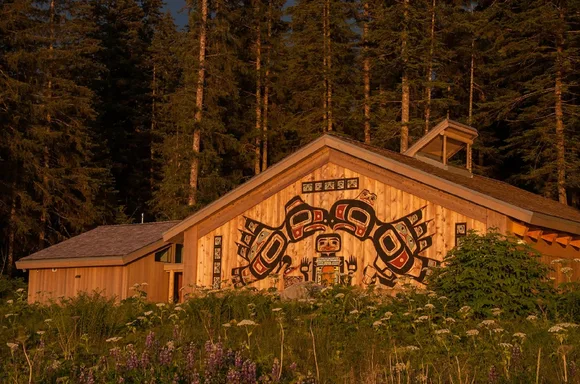
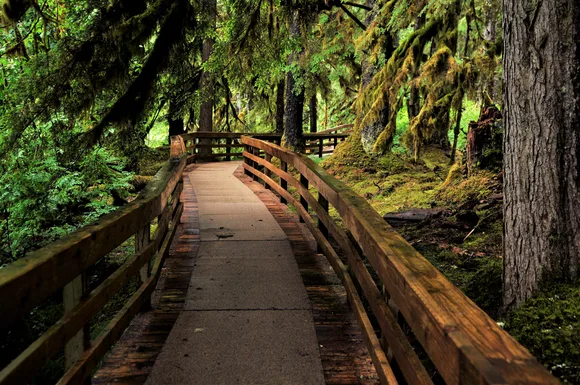
Bartlett Cove, the park's tiny hub, has a lodge, a campground, and a handful of trails through temperate rainforest. The Forest Loop and Bartlett Cove trails are pleasant enough, but they're not why anyone flies to Gustavus. Sea kayaking is the other main activity, and it's world-class if you have the skills and gear. Multi-day paddles into the bay's upper arms put you within a few hundred yards of tidewater glaciers, but you need backcountry permits, bear canisters, and the ability to read tide charts. Most visitors stick to guided day paddles near Bartlett Cove.
Getting There
Kenai Fjords wins on logistics. You fly into Anchorage, rent a car, and drive south through some of the most scenic highway miles in the state. Seward is a real town with grocery stores, gear shops, and lodging options that don't require a second mortgage. The park entrance is eight miles north of town on a road you can drive in a sedan.
Glacier Bay requires a puddle jumper from Juneau to Gustavus, or a spot on a cruise ship itinerary. Gustavus has a few inns and a general store, but it's not a hub. Most visitors stay one night, take the tour boat the next day, and fly out. If you're already cruising Southeast Alaska, the logistics are handled for you. If you're planning an independent trip, Glacier Bay adds complexity and cost.
Hiking and Activities
Kenai Fjords has fewer trail miles than Glacier Bay on paper, but the Harding Icefield Trail alone justifies the park's existence. It's a legitimate challenge with a payoff that rivals anything in the state. Exit Glacier's shorter walks are family-friendly and accessible, with interpretive signs that explain what you're seeing. Boat tours are the park's other headline activity, and they're easier to book and board than Glacier Bay's equivalent.
Glacier Bay's trails are shorter and less dramatic, mostly confined to the rainforest around Bartlett Cove. The Lagoon Trail is the longest at eight miles, but it doesn't compare to the Harding Icefield. Sea kayaking is where Glacier Bay shines, especially for experienced paddlers willing to commit to multi-day trips. The boat tours are excellent, but they're also mandatory if you want to see the glaciers, which makes the experience feel more prescribed.
Crowds and Timing
Both parks peak in July, but Kenai Fjords absorbs its visitors more gracefully. The Harding Icefield Trail sees steady traffic in summer, but the icefield itself is vast enough that groups spread out. Boat tours fill up, but Seward has multiple operators running daily departures. You'll have company, but you won't feel trapped.
Glacier Bay's boat tours are limited by permit, which keeps numbers manageable but also means advance reservations are critical. The tours themselves are crowded in the sense that you're sharing a boat with 150 other people, but the bay is so large that other vessels disappear into the distance. June and late August see fewer visitors than July, and the weather is nearly as good.
August Specifically
August is solid for both parks, though it's past peak season and into the shoulder. Kenai Fjords sees afternoon rain more often in August than June or July, but temperatures stay mild and the Harding Icefield Trail is usually snow-free by mid-month. Exit Glacier's meltwater streams run high, and the wildflowers are past their peak but still present.
Glacier Bay's weather in August is similar: cool, damp, and unpredictable. Humpback whales are still feeding in the bay, and calving events continue through the season. The trade-off is shorter days. By late August, you're losing several minutes of daylight daily, and the long twilight of June is gone. Both parks are quieter in August than July, which matters more at Kenai Fjords where trails and parking lots see real congestion in peak season.
The Verdict
Choose Kenai Fjords if you want to hike to a glacier, not just photograph one from a boat. The Harding Icefield Trail is worth the trip alone, and Exit Glacier gives you a tangible connection to ice that Glacier Bay's boat-based experience can't match. The logistics are simpler, the costs are lower, and Seward is a better base than Gustavus.
Choose Glacier Bay if you're already in Southeast Alaska or on a cruise itinerary, or if sea kayaking in fjords is your primary goal. The boat tours are spectacular, and the sheer number of tidewater glaciers in a single bay is unmatched. But if you're flying into Alaska specifically to see glaciers and you have a choice, Kenai Fjords delivers more for less effort.