Kīlauea's Episode 51 sends 950-foot lava fountains skyward — what to know for your Hawaii Volcanoes visit
Kīlauea's Episode 51 sends lava fountains skyward. What to know for your Hawaii Volcanoes visit this summer
Kīlauea's latest eruption entered a new phase on December 23, 2024, when lava fountains reached heights taller than most of San Francisco's tallest buildings. Episode 51 marks the volcano's most vigorous activity since the eruption resumed in late 2023, and if you're planning a Hawaii Volcanoes visit this summer, you'll witness one of Earth's most accessible displays of volcanic power.
The park remains open despite the eruption, with most trails and viewpoints operating as usual. Chain of Craters Road still takes you from rainforest to recent lava fields, the Thurston Lava Tube still glows with moss and ferns, and you can still hike across the Kīlauea Iki crater floor. The difference now is that the caldera itself puts on a nightly show, with lava glowing against the sky and sulfur dioxide plumes visible from miles away.
Hawaiʻi Volcanoes National Park
Two active volcanoes in one park / Draws more visitors than Denali
The park spans terrain from sea level tide pools to alpine desert at 13,000 feet, but right now the main attraction sits in Halemaʻumaʻu Crater within Kīlauea Caldera. Episode 51 began when a new vent opened on the crater's western wall, sending lava fountains skyward and flooding the crater floor with molten rock. The fountains have varied in intensity since December, sometimes reaching heights that rival the Washington Monument, sometimes settling into a steady boil. Park rangers post daily updates on activity levels, and the best viewing comes after dark when the glow illuminates the steam plumes.
You can stand at the caldera rim and watch Earth's interior spill across the crater floor in real time, a process that elsewhere takes millions of years to reveal.
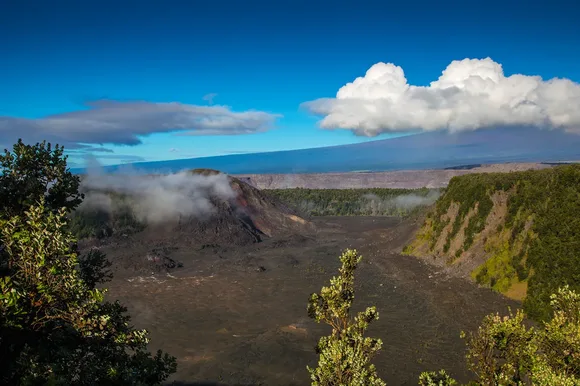
The viewing strategy depends on wind direction and your tolerance for sulfur dioxide. On trade wind days, the plume blows southwest and you'll get clear views from multiple overlooks along Crater Rim Drive. When winds shift, the park closes certain areas to protect visitors from volcanic gases. Steam Bluff and Keanakākoʻi Crater offer the most dramatic perspectives, but you'll share the railings with dozens of other visitors after sunset. For a quieter vantage point, walk the section of Crater Rim Trail between the Visitor Center and Steam Bluffs; most people drive between overlooks rather than hike, and the trail puts you at eye level with the caldera's scale.
The eruption doesn't stop the rest of the park from functioning. Kīlauea Iki Trail remains one of the finest half-day hikes in any national park, dropping you through rainforest before crossing a crater floor that last erupted in 1959. The four-mile loop takes you past steam vents where the ground still radiates heat six decades later, and you can see the vent cone that once fountained higher than the current Episode 51 activity. Thurston Lava Tube draws families for its easy walk through a tunnel carved by flowing lava, and Chain of Craters Road delivers 19 miles of volcanic landscapes ending at a black sand coast where recent flows met the ocean.
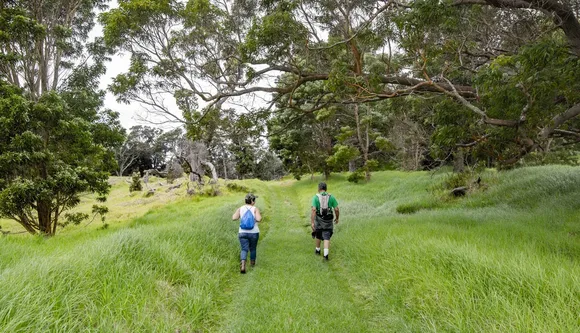
July weather at the park splits between the summit and the coast. At 4,000 feet elevation near the caldera, daytime temperatures hover in the low 70s with frequent afternoon drizzle. The coast runs warmer and drier, but the real variable is volcanic smog (vog), which thickens when the eruption intensifies. Vog can irritate lungs and eyes, particularly for visitors with asthma or respiratory conditions. Check the park's air quality updates before you visit, and plan indoor activities (like the Visitor Center's volcano exhibits) for high-vog days.
Kids respond well to the park's tangible geology. You can point to a lava flow and explain when it happened, then hike across it to feel the rope-like texture of pahoehoe or the sharp clinker of ʻaʻā. The Junior Ranger program hands out activity books that turn the park's features into a scavenger hunt, and ranger-led programs run throughout the week. The After Dark in the Park series schedules talks on Tuesday evenings, often featuring volcanologists who study Kīlauea's current eruption. These talks fill quickly during peak season, so arrive early or check the park website for schedules.

Accommodations near the park fill fast when eruption activity spikes. Volcano House, perched on the caldera rim, books months ahead for rooms with volcano views. Hilo offers more options 30 miles north, with everything from hostels to chain hotels. If you're camping, the park's Nāmakanipaio Campground operates first-come, first-served with sites nestled in eucalyptus forest. Nights here drop into the 50s even in July, so pack warmer layers than you'd bring for the coast.
The eruption's duration remains unpredictable. Kīlauea's 2018 summit collapse ended 35 years of near-continuous activity, and the current eruption that began in late 2020 has paused and resumed multiple times. Episode 51 could continue for months or pause tomorrow; volcanoes set their own schedules. That uncertainty makes planning tricky, but it also means you might witness behavior that geologists will study for decades. Check the USGS Hawaiian Volcano Observatory website for real-time updates, and follow the park's official channels for closure information before you drive out.