Kīlauea's Episode 54 fires 500-foot lava fountains for 9 hours — what to know before your Hawaii Volcanoes visit
Episode 54 sent 500-foot lava fountains into the sky. Here's what's changed at Hawaiʻi Volcanoes and how to see it
Kīlauea's latest eruption lit up the night sky above Halema'uma'u Crater on September 15, sending lava fountains as high as a 50-story building for nine straight hours. Episode 54 marks the volcano's most vigorous display since the caldera collapse of 2018, and it's reshaping what you'll see on your visit to Hawaiʻi Volcanoes National Park.
The park remains open during eruptions. In fact, watching molten rock shoot into the air from a safe viewing area is exactly what this place was designed for. But the logistics shift with every episode, and knowing what to expect before you arrive makes the difference between a front-row seat and a crowded parking lot at midnight.
Hawaiʻi Volcanoes National Park
Two active volcanoes shaping the landscape in real time / 30 miles from Hilo
Episode 54 erupted from the western edge of Halema'uma'u Crater, building a new lava lake and adding fresh rock to the caldera floor that's been filling in since 2020. The fountains peaked at 500 feet during the first few hours, visible from the Kīlauea Overlook and Volcano House. By the time the eruption paused, it had poured enough lava to cover Central Park in Manhattan under 60 feet of molten rock. Whether this episode continues, pauses, or restarts is up to the volcano, but the park adapts quickly. Check the USGS Hawaiian Volcano Observatory website the morning of your visit for current viewing conditions and road closures.
Watching lava fountains from a crater rim at night feels less like sightseeing and more like standing at the edge of creation itself.
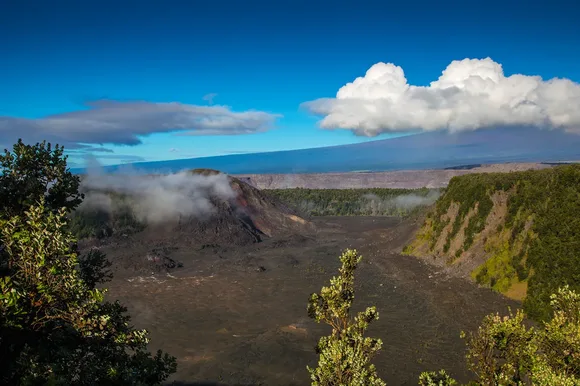
The best views during active eruptions come from Kīlauea Overlook, a short walk from the Volcano House parking area. You'll share the space with dozens of other visitors after dark, but the glow is worth the company. Uēkahuna, the former Jaggar Museum overlook, offers a wider perspective of the caldera but sits farther back. Both spots fill up fast when the volcano is active; arrive before sunset or after 9 PM to avoid the peak crush. During the day, the Steam Bluff Trail and Crater Rim Trail segments that remain open give you closer access to the caldera edge, though daytime views of lava are harder to spot unless the eruption is particularly vigorous.
Between eruptions, or when Kīlauea quiets down, the park still offers more volcanic terrain than you can cover in a weekend. The Kīlauea Iki Trail drops 400 feet into a crater that erupted in 1959, letting you walk across a solidified lava lake that still steams in places. Thurston Lava Tube (Nāhuku) takes you through a tunnel carved by flowing lava 500 years ago, and it's one of the few spots in the park where kids can touch ancient rock without scrambling over rough terrain. Chain of Craters Road descends 3,700 feet over 19 miles, ending where lava flows buried the highway in 2003. Stop at Holei Sea Arch and the petroglyphs at Puʻu Loa along the way.
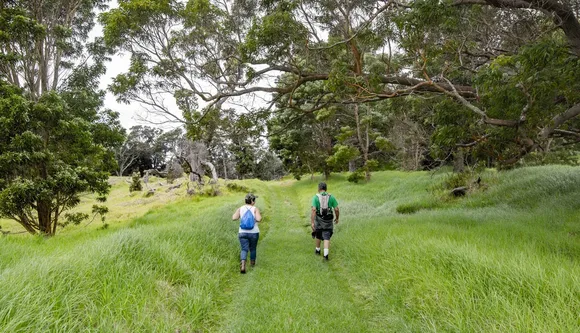
September through November offers the most comfortable hiking weather, with daytime temperatures in the low 70s and fewer afternoon showers than summer. The park sits at 4,000 feet elevation at the summit, which means cooler temperatures than the coast and frequent mist. Bring layers even if it's sunny when you leave Hilo. December sees the highest visitor numbers, mostly families on winter break, but the volcano doesn't care about school schedules. If Kīlauea erupts in April or May, you'll find lighter crowds and the same views.
Mauna Loa, the park's second volcano, last erupted in November 2022. Its summit sits at 13,681 feet, accessible only by a strenuous 15-mile trail that climbs from desert scrub into alpine conditions. Most visitors never make it past the Mauna Loa Lookout on the access road, but the view from 6,662 feet gives you a sense of scale that the coastal lowlands don't convey. This is the largest volcano on Earth by volume, and standing on its flank makes Kīlauea look almost modest.

The park has two campgrounds: Nāmakanipaio, a drive-in site near the summit, and Kulanaokuaiki, a more remote spot along Hilina Pali Road. Both stay open year-round unless volcanic activity closes access roads. Backcountry camping is allowed along several coastal and desert trails, including the Maunaiki Trail and Ka'aha section, but you'll need a free permit from the visitor center. The coastal campsites put you close to tide pools and lava shelves where green sea turtles haul out in the afternoon.
For kids, the Junior Ranger program leans heavily into volcanology, with activity books that explain eruption types and lava chemistry in terms that make sense to an eight-year-old. Rangers lead daily walks through Thurston Lava Tube and weekend talks at the Kīlauea Visitor Center, where a seismograph displays real-time ground movement. On clear nights, the park hosts stargazing programs at the summit, though cloud cover can roll in without warning.
If Episode 54 continues, expect increased volcanic smog (vog) downwind of the eruption, particularly on the island's west side. The summit area usually has better air quality than Kona during active eruptions, but sensitive visitors should monitor the air quality index before heading out for long hikes. Sulfur dioxide levels spike near active vents; if you smell rotten eggs, move upwind.