Rocky Mountain's fall colors are peaking a week early — here's why the drought is to blame
Drought pushed Rocky Mountain's aspens to peak a week early, and the window for fall color is closing faster than usual
The aspens along Bear Lake Road are already bare, and Trail Ridge Road looks like mid-October even though the calendar says late September. Rocky Mountain's fall color season peaked a full week earlier than usual this year, and the culprit isn't an early freeze or a freak storm. It's the drought that's been tightening its grip on Colorado since spring.
Aspens change color when daylight hours shrink and temperatures drop, but water stress accelerates the process. Trees under drought conditions shut down chlorophyll production early to conserve resources, which means the yellows and golds arrive before the calendar says they should. This year, soil moisture levels across the park have been tracking below average since June, and the aspens responded by turning a week ahead of the typical late September peak.
Rocky Mountain National Park
Higher than most commercial jets cruise / Sixth busiest park in the country
Trail Ridge Road climbs above 12,000 feet and stays there for eleven miles, crossing tundra that looks more like Alaska than Colorado. The road usually closes for winter in mid-October, but this year the Park Service is watching the forecast closely. Early snowfall could shut it down before the end of September, cutting short the narrow window when you can drive across the Continental Divide and still catch aspen groves on the lower elevations.
Aspens don't wait for permission to turn, and this year they didn't wait for the calendar either.
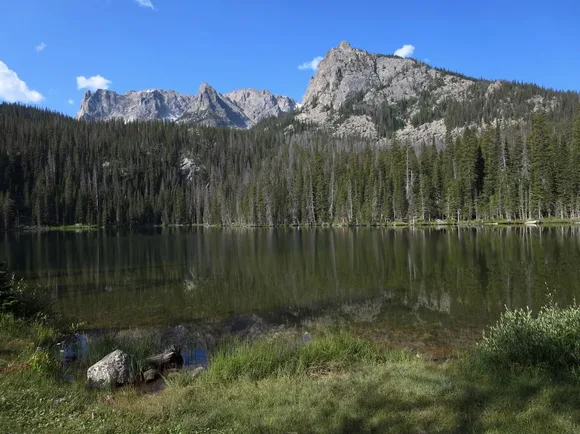
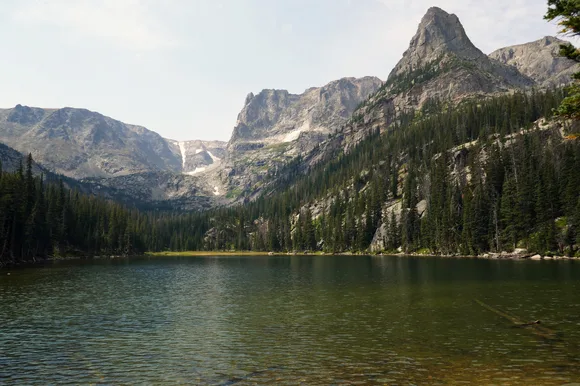
The best color now sits between 8,000 and 9,500 feet, which puts Bear Lake, Sprague Lake, and the lower stretches of Glacier Gorge Trail in the sweet spot. You'll find thick stands of aspen along the trail to Emerald Lake, and the contrast between golden leaves and the dark evergreens ringing the water makes for the kind of scene that stops traffic at every pullout. Bear Lake Loop, a half-mile paved trail that circles the lake, gets crowded enough on fall weekends that you're walking elbow-to-elbow by mid-morning, but the crowds thin dramatically if you push past to Dream Lake or Nymph Lake.
The drought has also changed the wildlife patterns. Elk are staying lower in the valleys longer than usual, concentrating around Moraine Park and Horseshoe Park where water sources are more reliable. The rut is in full swing, and you can hear bulls bugling from the parking areas at dawn. Rangers are already warning visitors to keep distance; elk during the rut are unpredictable and aggressive, especially when crowds press in for photos.
Trail Ridge Road remains the main draw through early October, assuming it stays open. The tundra plants have already gone dormant, turning the high country shades of rust and burgundy that most people associate with New England rather than the Rockies. Marmots are fattening up for hibernation, and pikas are still stashing grasses in rock crevices for their winter food supply. The air temperature at 12,000 feet can swing forty degrees between sunrise and midday, so layer aggressively even if the forecast in Estes Park calls for mild weather.

Lower elevation trails like Cub Lake and Gem Lake are past peak color now, but they're worth hiking if you want solitude. Most visitors concentrate on the Bear Lake corridor and Trail Ridge Road, which means trails on the park's periphery see a fraction of the traffic. Gem Lake Trail climbs through ponderosa forest and granite outcrops, topping out at a small alpine lake tucked into a rock bowl. The aspens here turned early and are already dropping leaves, but the light on the granite formations in late afternoon is worth the hike.
The drought has also lowered water levels across the park's lakes and streams. Alberta Falls, normally one of the most photogenic cascades in the park, is running thin enough that photographers are grumbling about the lack of drama. Streams that usually run clear into October are already showing rocks that don't typically emerge until late fall. It's a visible reminder that the Rockies are dealing with water stress that goes beyond just early fall colors.
If you're planning a trip in the next two weeks, expect cooler temperatures and the possibility of snow above 10,000 feet. The Park Service has already issued advisories for icy conditions on Trail Ridge Road in the early morning, and the forecast shows a storm system moving in by the first week of October. Once snow sticks at high elevations, Trail Ridge Road closes for the season, and access to the park's western side via Grand Lake becomes the only option for through-traffic.