The California National Parks Road Trip
Eight California parks share April's mild weather and accessible trails—here's how to pick between deserts, mountains, and coasts
California holds more national parks than any other state, and they split into two categories: the ones everyone's heard of and the ones almost nobody visits. But April is the month when both groups share something unusual: they're all accessible, mild, and worth visiting at exactly the same time. Desert parks cool down from their winter sweet spot, mountain parks shake off the snow, and coastal parks settle into their driest, clearest months.
You could string together a road trip hitting all eight, but you'd burn more time driving than exploring. Better to pick your terrain and commit. Here's what each park offers when California's weather window opens widest.
Channel Islands National Park
Five islands 12 miles offshore / Fewer visitors than most city zoos
Channel Islands sits so close to Los Angeles that you can see the skyline from the mainland ferry terminal, yet most people have never heard of it. The boat ride to Anacapa takes an hour, and once you step off the dock onto the island's rocky spine, you're in a landscape that feels closer to the Galápagos than Southern California. Sea lions bark from the kelp beds below, island foxes the size of housecats trot past hikers, and the air smells like salt and sage instead of exhaust.
You'll find more solitude on an island 12 miles from Los Angeles than in most wilderness areas a hundred miles from the nearest town.
April brings wildflowers to Santa Cruz Island and calm enough seas for kayaking into sea caves along the coast. The Prisoner's Harbor to Chinese Harbor Trail crosses the island's interior, where you'll walk through grasslands and canyon bottoms without seeing another person for hours. Anacapa's half-mile loop trail takes 20 minutes and delivers views across the channel that make the ferry ride worth it even if you never hike farther.
Death Valley National Park
Larger than Connecticut / April is your last comfortable month
By May, Death Valley earns its name. But April still offers mornings cool enough for long hikes and afternoons that stay below punishing. The park sprawls across terrain that shifts from salt flats to sand dunes to mountains topping 11,000 feet, and you can drive between them in under an hour. Badwater Basin sits at the lowest point in North America, and the half-mile boardwalk across the salt polygons feels like walking on another planet.
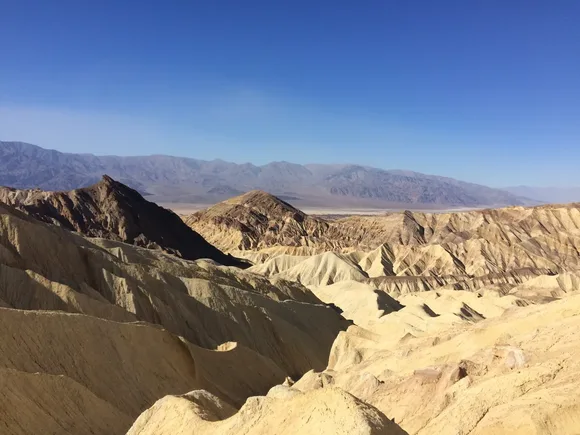
Death Valley doesn't overwhelm with scale so much as erase your sense of it — distances that look like 20 minutes turn into an hour, and mountains that seem close stay on the horizon for days.
Golden Canyon leads into a labyrinth of badlands where the walls glow orange in late afternoon light, and the six-mile loop connects to Zabriskie Point for views across the valley's wrinkled topography. Kids gravitate to the Mesquite Flat Sand Dunes, where you can sled down soft sand without trails or railings. Rangers lead geology walks at Badwater and astronomy programs at Furnace Creek, both tailored to families who want structure in a park that otherwise offers very little.
Joshua Tree National Park
Two deserts in one park / More visitors than Glacier and Olympic combined
Joshua Tree draws crowds that rival Yosemite's, but the park's size and layout spread people out enough that you can still find quiet if you know where to look. The Joshua trees themselves cluster in the higher Mojave Desert zone, where their twisted limbs frame granite boulders split by ancient faults. The Colorado Desert zone to the south gets hotter and emptier, with ocotillo and cholla replacing the yuccas.
The granite formations at Joshua Tree look like giant children stacked boulders into towers and walked away before gravity noticed.
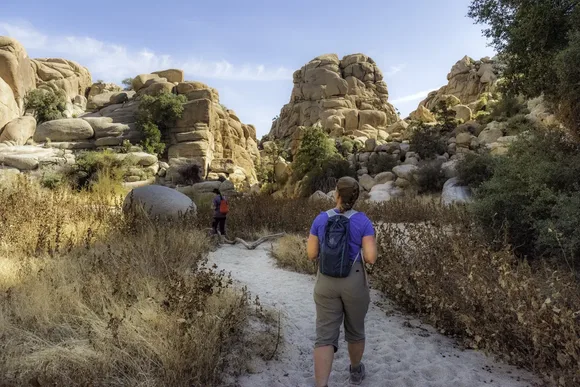
Hidden Valley Loop takes you through a natural rock amphitheater in just over a mile, and the trail stays flat enough for kids who balk at elevation gain. Barker Dam adds another easy mile through boulder fields to a small reservoir where bighorn sheep drink at dawn. Ryan Mountain requires more effort — three miles round trip with 500 feet of climbing — but the summit views stretch across the entire park and out to the San Jacinto Mountains. April brings temperatures in the 70s and 80s, warm enough to feel like desert but cool enough to hike midday without suffering.
Lassen Volcanic National Park
Boiling mudpots and sulfur vents / Crowds thin to almost nothing
Lassen erupted as recently as 1917, and the landscape still looks angry about it. Bumpass Hell Trail leads through a geothermal basin where mudpots bubble and steam vents hiss, all contained behind boardwalks that keep you from breaking through the thin crust into boiling water below. The three-mile round trip gains 300 feet and delivers a geology lesson you can smell from a quarter mile away.
Walking through Bumpass Hell feels like eavesdropping on the planet's plumbing — everything rumbles and hisses and reminds you the mountain isn't done yet.
April sits at the edge of Lassen's season. The park road often doesn't fully open until late May or June, depending on snowpack. But if you catch an early opening, you'll find Manzanita Lake still ringed with snow and the forest trails empty of the summer crowds. Lassen Peak Trail climbs five miles to the summit with 2,000 feet of elevation gain, but it typically stays snowbound through April. Instead, focus on the lower-elevation loops around the lakes and the Devastated Area, where the 1915 eruption scoured the forest down to bare rock.
Pinnacles National Park
Volcanic spires and talus caves / San Jose's backyard secret
Pinnacles became a national park in 2013, and most people still don't know it exists. The volcanic spires rose from an ancient eruption 200 miles south, then rode the San Andreas Fault north to their current spot in the Gabilan Range. You can scramble through talus caves formed when boulders wedged between canyon walls, or climb the High Peaks Trail for views across the spires that look like Gothic architecture designed by geology.
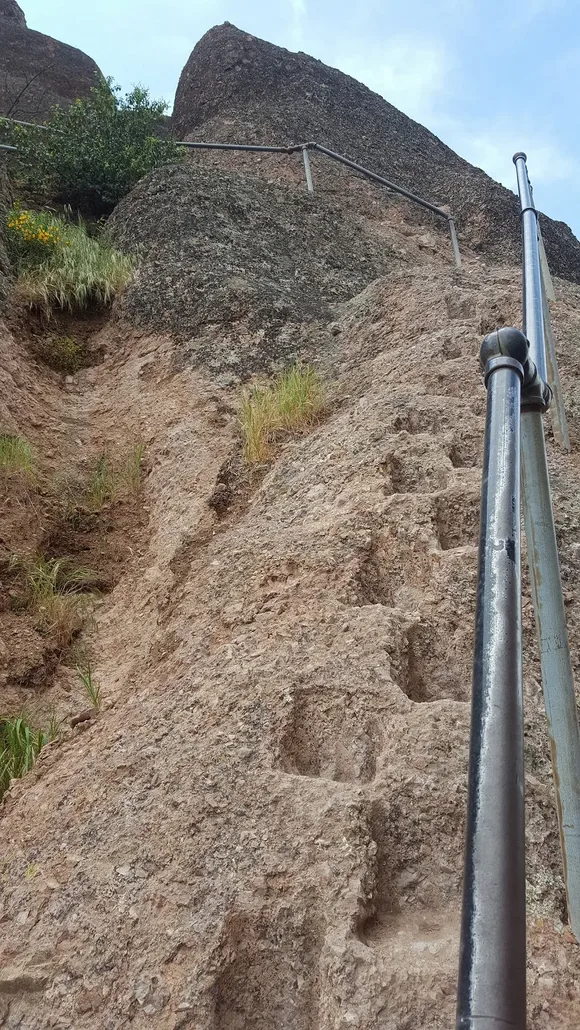
Bear Gulch Cave requires you to crawl through darkness with only a headlamp and the sound of dripping water — it's the kind of trail that makes kids feel like explorers and adults question their life choices.
April sits at the tail end of Pinnacles' best weather. By May, temperatures push into the 90s and the trails bake under full sun with almost no shade. The park splits into east and west sides with no through road, so you'll pick an entrance and commit. The east side via Highway 146 gets you closest to Bear Gulch Caves and the High Peaks trailhead. The caves close seasonally when Townsend's big-eared bats roost inside, so check the park's website before planning a trip around them.
Redwood National and State Parks
World's tallest trees / Three hours north of San Francisco with a fraction of Yosemite's crowds
The coast redwoods here include the tallest measured trees on Earth, though the park doesn't advertise their exact locations to protect them from overcrowding. You don't need GPS coordinates to feel small. Walk the Lady Bird Johnson Grove Trail and you'll spend a mile and a half craning your neck at trunks that disappear into fog. Fern Canyon cuts a narrow gorge where 50-foot walls drip with five-finger ferns, and the creek at the bottom soaks your boots within the first hundred yards.
Redwood groves muffle sound so completely that your footsteps disappear and the forest feels like it's holding its breath.
April brings drier weather than the winter months but still enough coastal fog to keep the light soft and the trails muddy. The Tall Trees Trail drops 800 feet into a grove that requires a free permit to protect the sensitive area from overuse. Only 50 permits issue per day, and you'll likely have the grove to yourself by mid-afternoon. Kids who tire of looking up can search for banana slugs on the forest floor or spot Roosevelt elk grazing in the coastal prairies along the Elk Prairie Trail.
Sequoia & Kings Canyon National Parks
General Sherman weighs more than 10 blue whales / Room to breathe even in summer
General Sherman stands as the largest tree on Earth by volume, and the numbers don't prepare you for standing next to a trunk wider than a two-lane road. The Big Trees Trail loops through the Giant Forest on a paved, accessible path where sequoias cluster thick enough that you'll stop counting after the first dozen. Moro Rock adds a half-mile climb up 400 granite steps to a summit with views across the Great Western Divide.
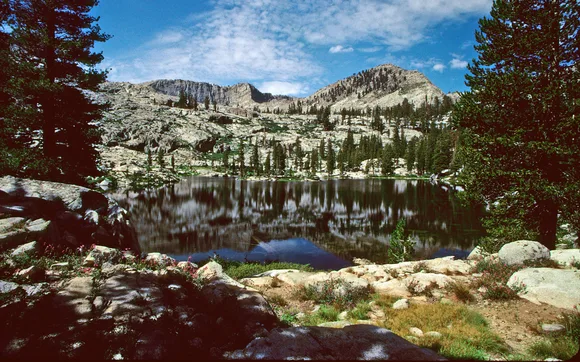
Kings Canyon drops deeper than the Grand Canyon, but you can drive to the bottom and wade in the river instead of staring at it from a mile above.
April sits at the edge of the parks' accessibility. The Generals Highway connecting Sequoia to Kings Canyon typically opens fully by late April or May, depending on snow. Kings Canyon Scenic Byway often stays closed into May, which means Cedar Grove and the deeper canyon sections stay out of reach. But the Giant Forest and Grant Grove stay accessible year-round, and you can hike among sequoias without worrying about altitude sickness or snowpack. Mist Falls Trail in Cedar Grove adds five miles round trip along the Kings River when the road opens, and the waterfall peaks in late spring when snowmelt pumps through.
Yosemite National Park
Half Dome, El Capitan, and waterfalls that drop half a mile / Draws more people than the population of Connecticut
Yosemite Valley concentrates enough iconic landmarks into seven square miles that you'll recognize views you've never seen in person. Yosemite Falls drops 2,425 feet in three sections, and April catches the falls near peak flow when snowmelt floods the Merced River and turns the valley into a thundering showcase. The Mist Trail to Vernal Fall climbs 1,000 feet over three miles, and the spray from the waterfall soaks you thoroughly enough that rangers recommend rain gear even on sunny days.
Yosemite's waterfalls peak in April and May, then fade to trickles by August — timing matters more here than at almost any other park.
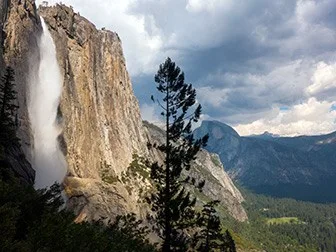
Half Dome requires a permit lottery that opens months in advance, and the cables don't go up until late May. But you can hike to the base or tackle Four Mile Trail to Glacier Point for views that include Half Dome, Vernal Fall, and Nevada Fall in a single frame. Mariposa Grove holds over 500 giant sequoias at the park's south entrance, and the grove reopened in 2018 with improved trails and fewer cars. Kids gravitate to the Grizzly Giant, a sequoia with a branch thicker than most trees, and the California Tunnel Tree, which you can walk through if you don't mind the tourist cliché.