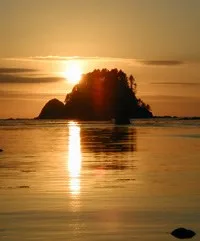
The Pacific Northwest National Parks Road Trip
Four volcanic parks near Seattle where terrain and timing conspire to shake crowds, even the ones that draw millions
The Pacific Northwest keeps most of its national parks within a tight orbit of Seattle, but two of them rarely see a fraction of the attention. This April itinerary strings together four parks that share volcanic origins and an unusual ability to shake crowds, even the ones that technically draw millions. The trick is understanding how volcanic terrain creates pockets of solitude: the caldera rim that requires commitment, the alpine meadows buried under snow until July, the glaciated wilderness three hours north that most people have never heard of, and the temperate rainforest massive enough to absorb its own popularity.
April is the liminal month here. Roads stay closed at elevation, snowshoes replace hiking boots, and the waterfalls run heavy with melt. You'll trade peak wildflowers for near-empty parking lots and a Northwest that still belongs to locals.
Crater Lake National Park
America's deepest lake fills a collapsed volcano / Most people have never heard of it
Crater Lake holds water so blue it doesn't photograph accurately. Scientists use it as a baseline for purity because the caldera collects only rain and snowmelt, no inflows to cloud the clarity. In April the Rim Road stays buried under snow, which means you'll access viewpoints on cross-country skis or snowshoes instead of sitting in bumper-to-bumper traffic like the July crowds. The park opens a single plowed road to Rim Village, and if you make the trip to the overlook at first light, you'll have the caldera to yourself.
The blue is so saturated it looks Photoshopped, even when you're standing at the rim staring straight down at it.
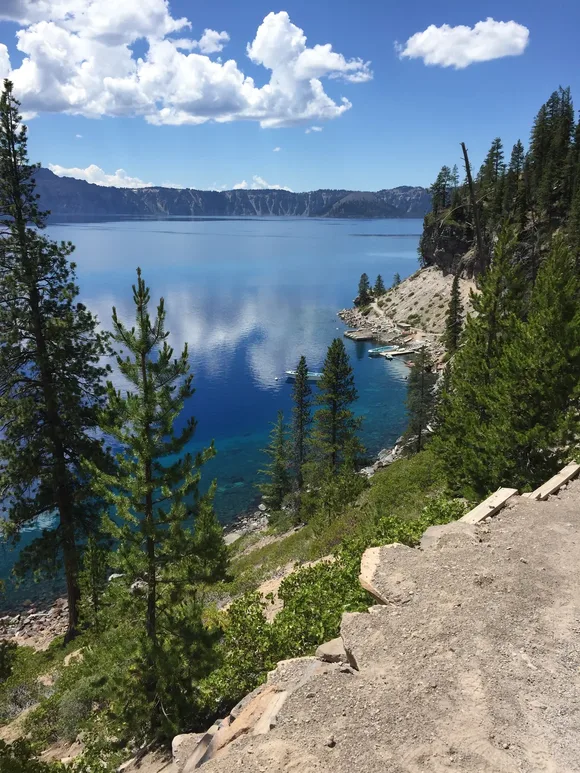
Wizard Island rises from the lake's surface like a miniature volcano within the larger caldera, which is exactly what it is. The two-mile Cleetwood Cove Trail descends to the water's edge, but in April it's buried under a dozen feet of snow. Instead, snowshoe the Watchman Trail for views across the caldera, or ski the unplowed sections of Rim Road if you're comfortable navigating avalanche terrain. The park's remoteness works in your favor: Crater Lake sits two hours from any interstate, which filters out the casual weekend traffic that floods Mount Rainier.
Mount Rainier National Park
More glaciers than any Lower 48 peak / Paradise buried under 600 inches of annual snow
Mount Rainier looms over Seattle like a threat or a promise, depending on the forecast. The volcano holds more glacial ice than every other Cascade peak combined, and five major rivers begin as meltwater at elevation. In April the Skyline Trail at Paradise disappears under snowpack deep enough to swallow two-story buildings, but the parking lot stays full because this is where Northwest families come to teach their kids to snowshoe. You'll find groomed trails, ranger-led programs, and the Paradise Jackson Visitor Center open year-round.
Paradise earns its name in July when the wildflower meadows bloom, but in April it belongs to skiers carving turns down slopes that will be hiking trails in three months.
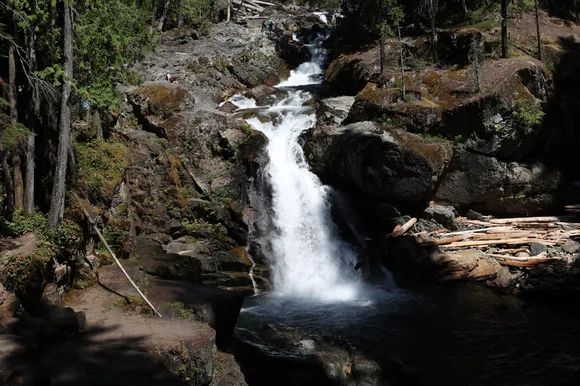
The park draws more people than most Northwest cities, but April cuts that traffic significantly. The road to Sunrise stays closed until late June, which funnels everyone to Paradise and leaves the rest of the park quiet. Drive the road toward Box Canyon and Reflection Lakes for views without the crowds, or hike the Trail of the Shadows near Longmire for an easy loop through old-growth forest. Comet Falls Trail opens by late April if the snowpack melts early, and the 320-foot cascade runs heavy with melt all spring.
North Cascades National Park
More glaciers than any Lower 48 range outside Alaska / Draws fewer people than a small-town county fair
North Cascades holds more glaciers than the rest of the Lower 48 combined, three hundred of them carving through jagged peaks that look like the Alps dropped into Washington. The park sits three hours north of Seattle, close enough for a day trip but remote enough that almost nobody makes the drive. It draws fewer annual visitors than Yellowstone sees in a single weekend, which means you'll have trails like Cascade Pass and Diablo Lake almost entirely to yourself.
The North Cascades Scenic Highway doesn't fully open until late April, turning the drive itself into a waterfall tour as melt pours off every cliff face.
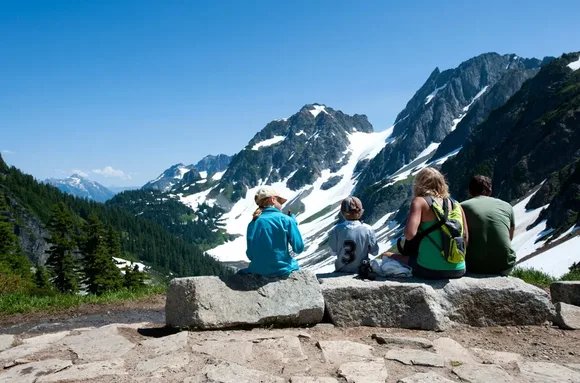
Mount Shuksan rises from the valley like a textbook volcano, all symmetry and ice, and the turquoise glow of Diablo Lake comes from glacial flour suspended in the water. In April most high-elevation trails stay buried, but the Rainy Lake Loop opens early and offers an easy two-mile walk to a cirque lake surrounded by cliffs. Ross Dam Trail and the lower sections of the Cascade Pass Trail become accessible as snowpack recedes, and you'll encounter more wildlife than people. Black bears emerge from hibernation, and mountain goats traverse the ridgelines above treeline.
Olympic National Park
Temperate rainforest, alpine peaks, and wild coast in one park / Big enough to swallow its own crowds
Olympic combines ecosystems most parks never see in isolation, let alone together. The Hoh Rain Forest averages twelve feet of rain annually, moss drapes every branch, and the understory glows green even on overcast days. Mount Olympus holds seven glaciers despite sitting less than 50 miles from the Pacific, and 73 miles of coastline stretch from Shi Shi Beach to the Quinault River. The park sprawls across an area larger than Rhode Island, which means even though it draws more visitors than the population of Los Angeles annually, the terrain absorbs them.
You can hike through rainforest in the morning, climb to alpine lakes by afternoon, and watch sunset over sea stacks by evening without ever leaving park boundaries.
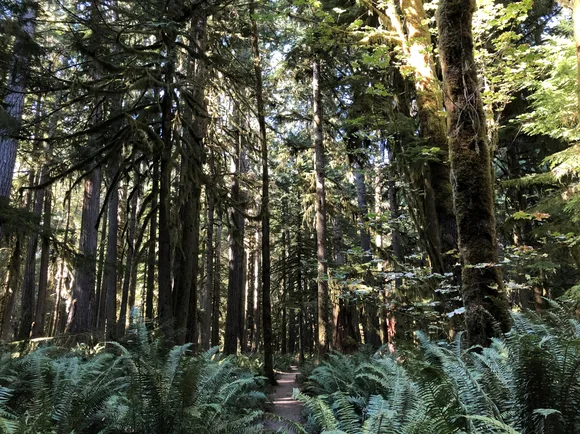
April brings rain to the lowlands but clears the coastal trails of summer crowds. Rialto Beach and Ruby Beach offer tide pool exploration without the shoulder-to-shoulder traffic of August, and the Hoh River Trail stays accessible year-round. Marymere Falls runs heavy with snowmelt, and the short trail through old-growth forest makes it manageable for families. Higher elevation routes like the High Divide Loop stay snowed in, but Sol Duc Falls and the Ozette Triangle open by late April if you're prepared for mud and variable weather.