Yosemite vs Sequoia & Kings Canyon: which park should you visit?
Two Sierra Nevada parks, one valley packed with granite icons, one forest full of the world's largest trees
Both parks sit in the Sierra Nevada, both opened in 1890, and both draw visitors to California's high country for granite peaks and towering trees. The difference is what happens when you arrive. Yosemite packs its drama into a single valley where waterfalls drop thousands of feet and granite monoliths command every sight line. Sequoia and Kings Canyon spread their attractions across groves and canyons where the largest living trees on Earth anchor forests you can walk through without waiting in line.
May gives you the best of both: waterfalls at full roar in Yosemite, accessible roads and trails in Sequoia and Kings Canyon before summer crowds arrive. The choice comes down to whether you want iconic views that draw millions or quieter forests where the trees do the talking.
Yosemite National Park
More trail miles than most national forests / Waterfalls peak in May
Yosemite Valley concentrates more postcard views per square mile than anywhere else in the national park system. Half Dome rises nearly 5,000 feet above the valley floor, El Capitan presents a sheer granite face that climbers spend days ascending, and Yosemite Falls drops 2,425 feet in three distinct cascades. You'll share these views with crowds, especially in the valley where shuttle buses run loops past meadows and pullouts packed with photographers. The park's size helps: once you leave the valley and head toward Tuolumne Meadows or Hetch Hetchy, the shoulders-to-elbow density drops to something manageable.
In May, Yosemite's waterfalls roar with snowmelt so loud you can hear them from a mile away.

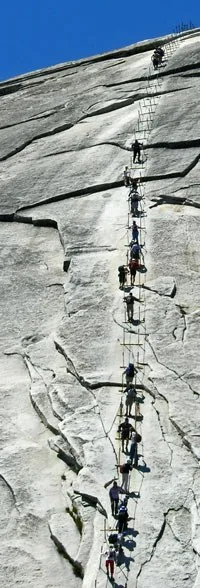
The Mist Trail to Vernal Fall puts you close enough to the waterfall that you'll finish the climb soaked, and the spray feels earned after the granite staircase ascent. Half Dome via the cables remains the park's signature endurance test: 16.5 miles round trip with 4,800 feet of elevation gain and a final scramble up steel cables bolted into bare rock. You need a permit, decent weather, and no fear of exposure. For families, Mirror Lake Loop offers five flat miles around a seasonal lake that reflects the surrounding cliffs when water levels cooperate. Kids can wade, skip rocks, and burn energy without the risk of serious elevation.
Sequoia & Kings Canyon National Parks
Home to the largest tree on Earth / Room to breathe even in summer
General Sherman stands 275 feet tall and measures more than 36 feet in diameter at its base, a tree so massive it defies the scale your brain expects from wood. The two-mile trail to reach it winds through Giant Forest, where sequoias crowd together in a grove that feels both ancient and oddly welcoming. You won't fight for elbow room at the overlook, and the trail stays accessible for strollers and wheelchairs on the paved section. Kings Canyon cuts deeper than the Grand Canyon in places, and the drive down into Cedar Grove follows the Kings River past granite walls that narrow as you descend. The canyon stays cool even when the foothills bake, and the campgrounds along the river offer shade under pines and cedars.
Sequoias make you recalibrate what qualifies as large—every other tree looks like kindling by comparison.
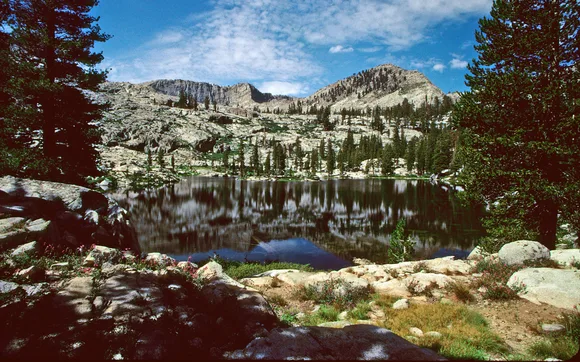
Moro Rock rewards a short, steep climb up 400 granite steps with views across the Central Valley to the Coast Range on clear days. The staircase switchbacks up the dome's spine, and the exposure keeps casual visitors from lingering at the top, which means you can sit and watch the light shift across the High Sierra without a crowd pressing behind you. For backpackers, the High Sierra Trail starts at Crescent Meadow and runs 72 miles to Mount Whitney, though day hikers can sample the first few miles to Panther Creek without committing to the full route. Kids gravitate to the Big Trees Trail, a flat 1.4-mile loop through a sequoia grove with interpretive signs and plenty of space to run between the massive trunks.
Getting There
Both parks sit about 200 miles from San Francisco and use Fresno as the nearest major airport. Yosemite's western entrances near Mariposa and Groveland connect to the Bay Area via Highway 120 and 140, routes that wind through foothills and take four to five hours depending on traffic. Sequoia and Kings Canyon require a longer approach from Visalia through the foothills on Highway 198, adding an extra hour of driving but keeping you off the busier Yosemite corridors. Neither park offers direct public transit from Fresno, so plan on renting a car or arranging a shuttle.
Crowds and Timing
Yosemite pulls twice as many visitors as Sequoia and Kings Canyon combined, and the difference shows in the valley where parking lots fill and shuttle buses run at capacity. May sits in a sweet spot before summer vacation crowds arrive, but you'll still share the valley floor with day trippers from the Bay Area and international tourists hitting the California circuit. Sequoia and Kings Canyon spread their visitors across more terrain, and even on busy weekends you can find solitude past the first mile of any trail. The parks' uncrowded reputation holds up: you won't circle for parking at Moro Rock or wait in line for a photo with General Sherman.
The Verdict
Choose Yosemite if you want the greatest hits of American landscape photography crammed into a single valley. The waterfalls, granite walls, and classic vistas justify the crowds, and the park's trail network gives you options to escape the shuttle bus circuit once you're ready to climb. May timing matters here more than in most parks because the waterfalls start losing volume by July.
Choose Sequoia and Kings Canyon if you'd rather walk among giant trees than crane your neck at distant cliffs. The sequoia groves deliver their impact at ground level, and the uncrowded trails let you set your own pace without jockeying for trailhead parking. Kings Canyon adds depth and river access that Yosemite Valley can't match, and the whole experience feels less orchestrated.