Category Ranking
Best National Parks for Adventure Seekers
Adventure seekers need vertical walls, remote backcountry, and technical routes that demand more than trail legs. These parks rank highest for climbing faces, canyoneering slots, whitewater challenges, and expeditions that require maps and nerve.
Updated
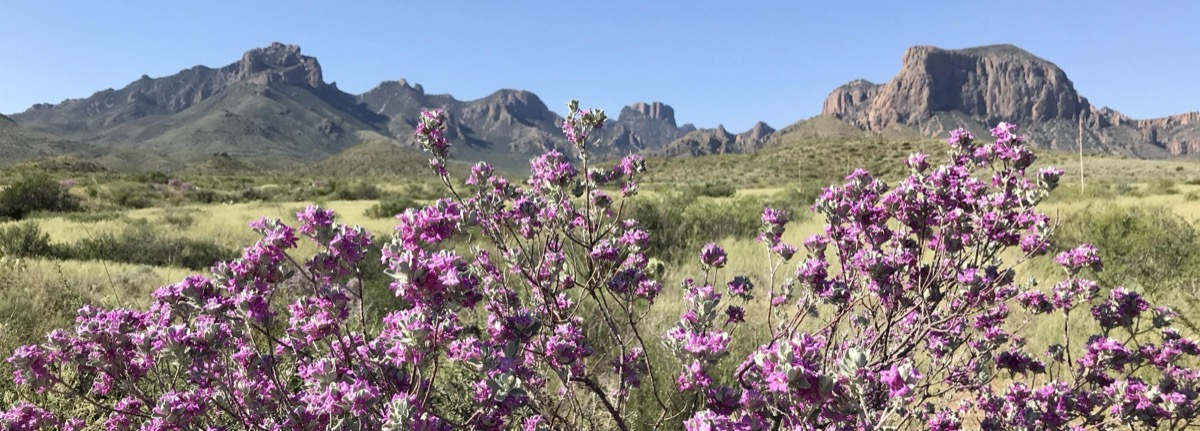
Big Bend National Park
Chihuahuan Desert routes meet limestone climbing walls in Santa Elena Canyon, plus Rio Grande paddling through canyons deeper than most buildings are tall. The Chisos Mountains offer backcountry where cell service ends and self-reliance begins.
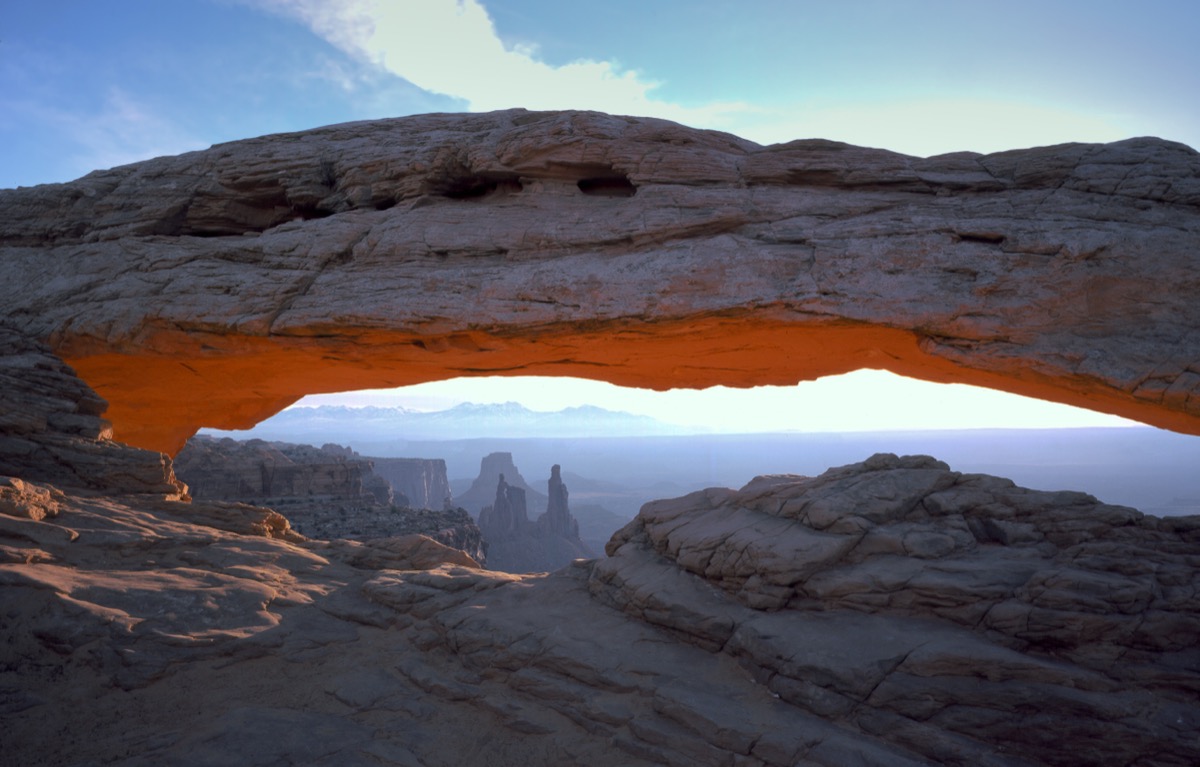
Canyonlands National Park
The Needles District holds slot canyons and technical routes through sandstone towers. The Maze demands multiday navigation through terrain that swallows landmarks, while the White Rim trail circles the island mesa for those who prefer wheels to ropes.
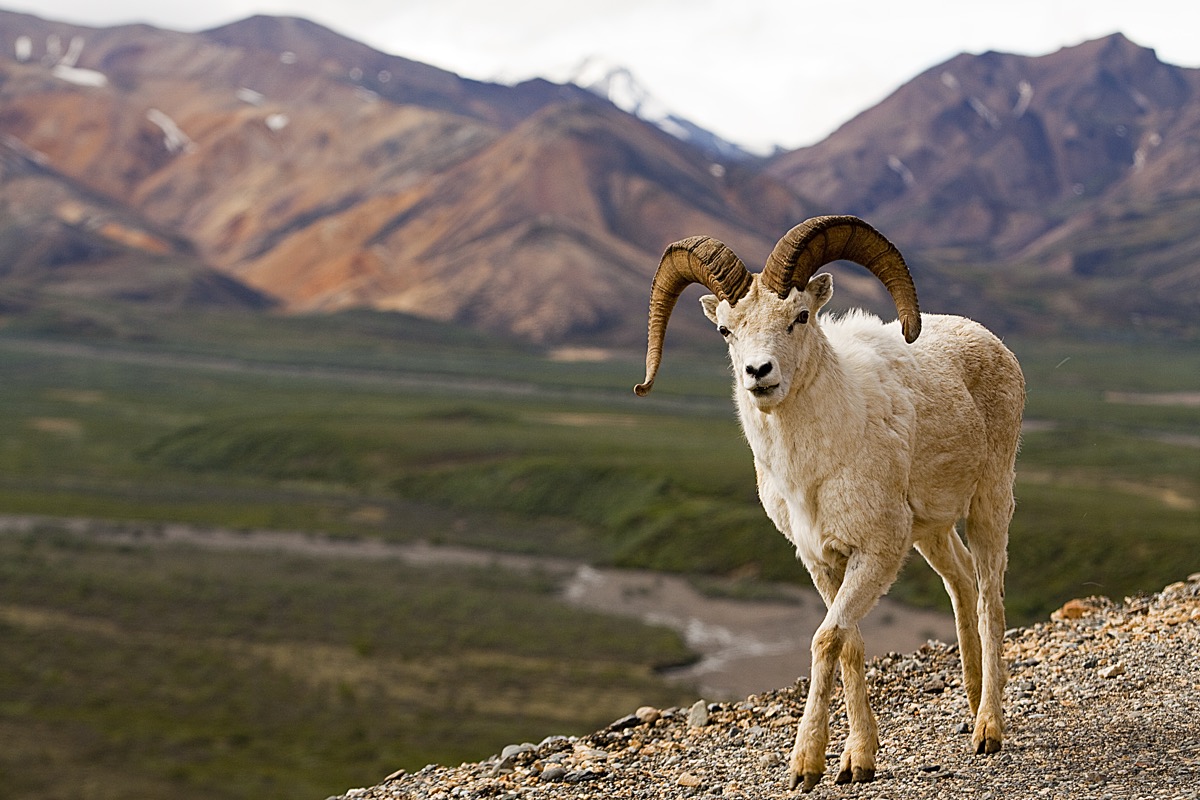
Denali National Park & Preserve
Mount McKinley anchors climbing routes that require mountaineering permits and glacier travel, but the real adventure sprawls across backcountry zones where grizzlies own the trails and you're navigating by compass, not cairns.
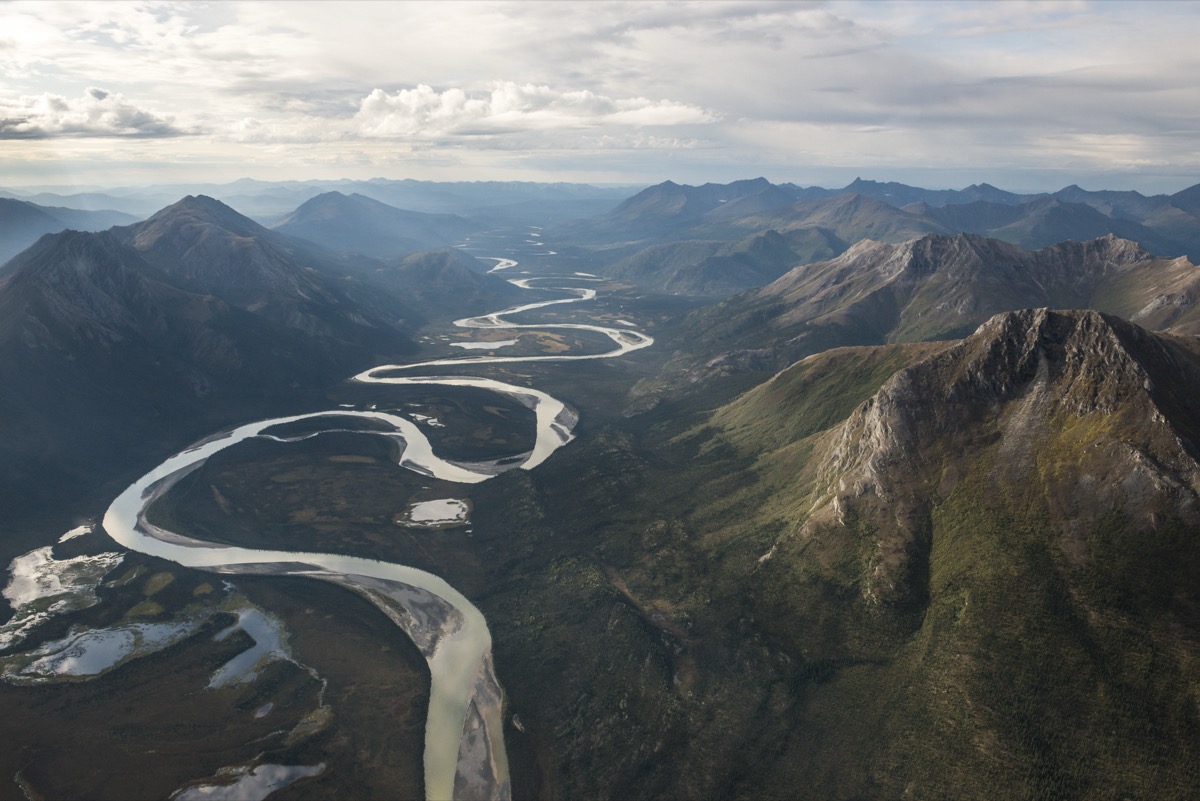
Gates Of The Arctic National Park & Preserve
No trails, no campgrounds, no roads. The Brooks Range demands bushwhacking, river crossings, and expedition planning that starts with a bush plane drop. This is adventure by definition—wilderness where every mile is earned.
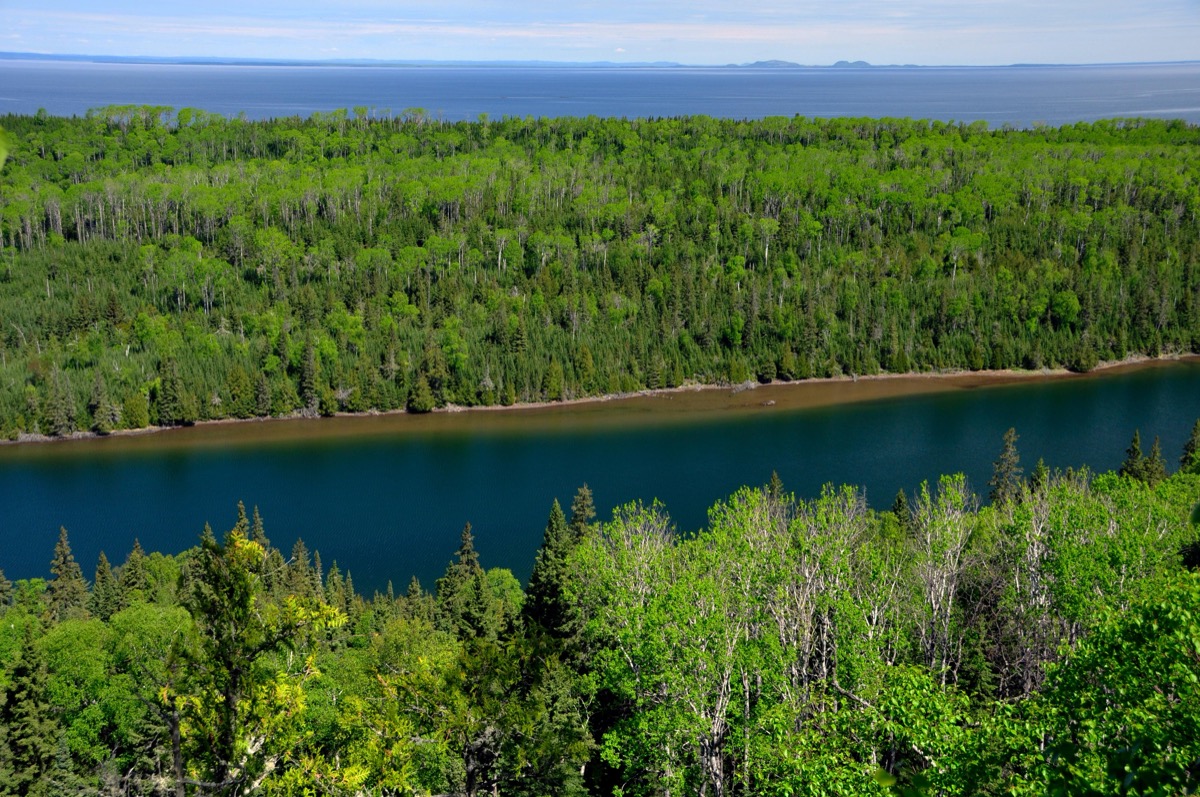
Isle Royale National Park
Lake Superior's archipelago island requires ferry passage to reach trail networks that connect backcountry campsites across ridges and shoreline. Kayakers paddle between islands, backpackers navigate rocky terrain, and everyone plans for weather that changes by the hour.
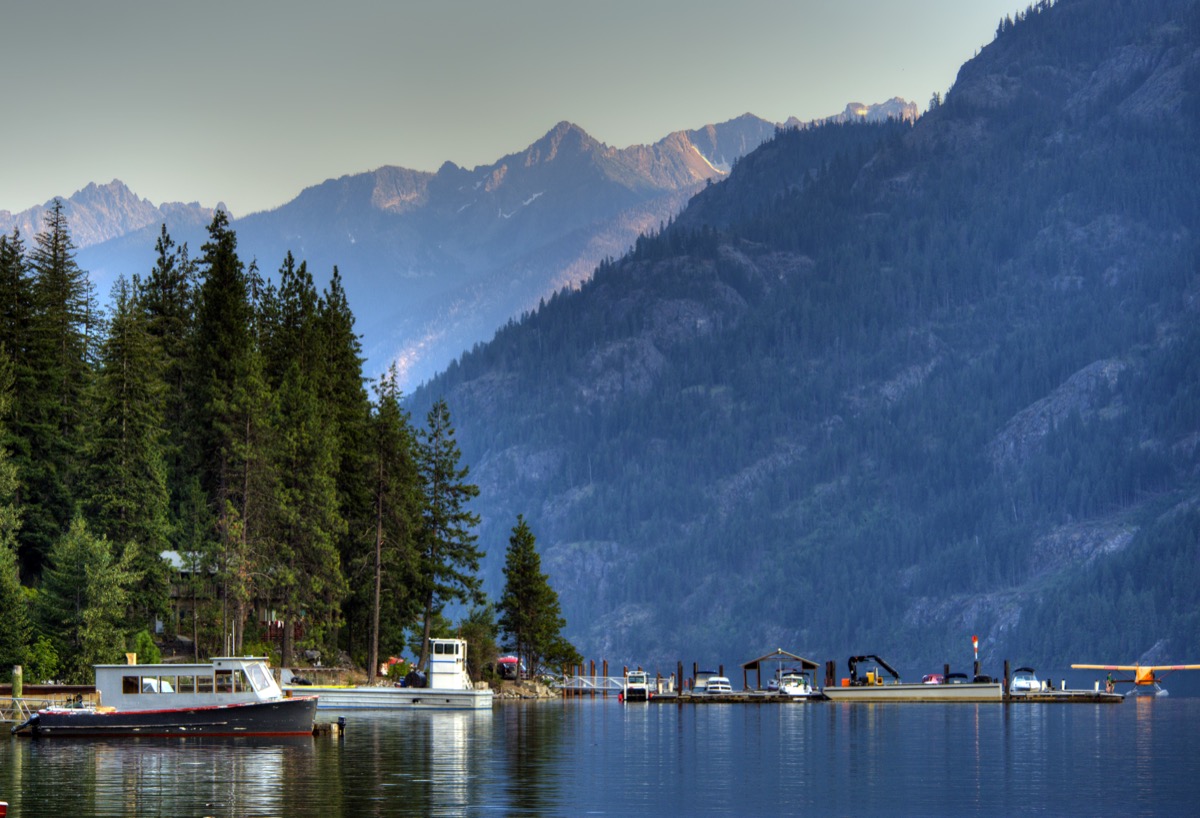
North Cascades National Park
Over three hundred glaciers feed alpine routes where ice axes aren't optional. Cascade Pass opens to scrambles up Sahale Peak, while Diablo Lake offers paddling below peaks that require technical climbing skills to summit.
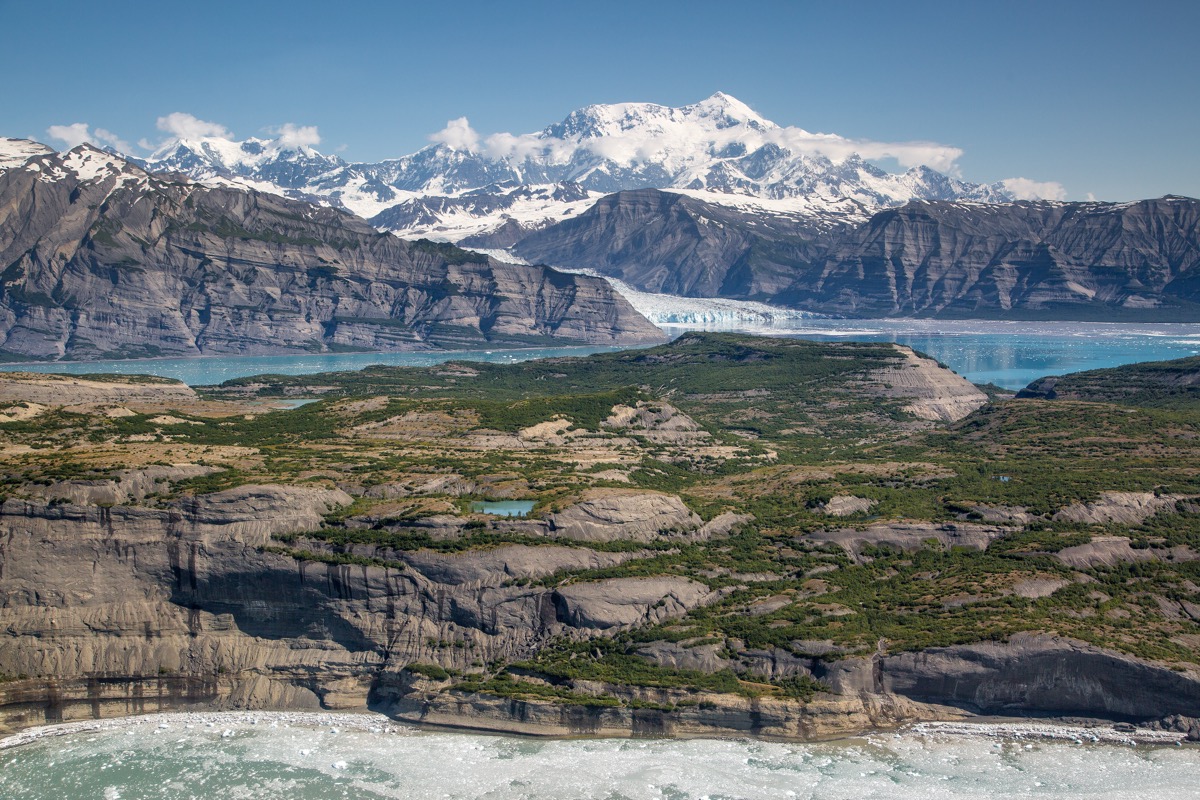
Wrangell - St Elias National Park & Preserve
Mount St. Elias rises from sea level to summit in the continent's steepest vertical relief. Root Glacier allows walk-on access, but the backcountry demands glacier travel skills and routes that disappear into icefalls larger than most parks.
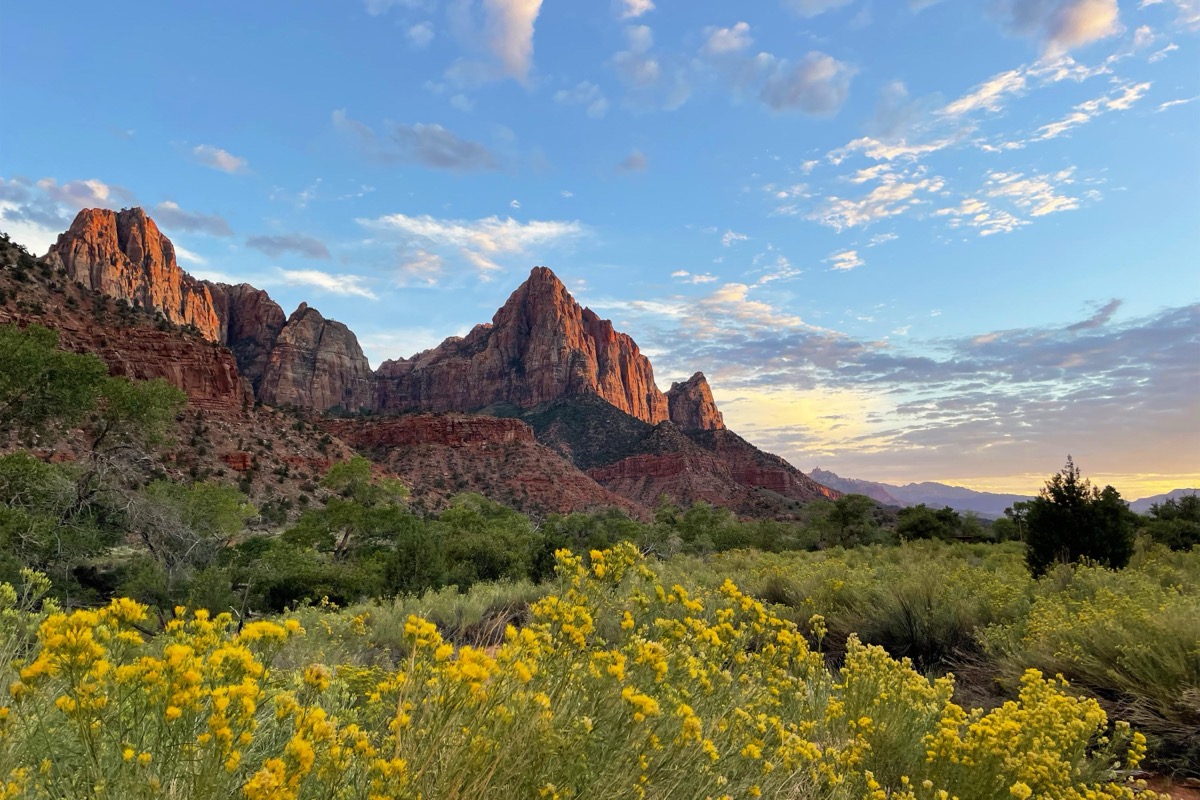
Zion National Park
Angels Landing chains hang above thousand-foot drops, while The Narrows demands wading chest-deep through slot canyons where flash floods write the rules. The Subway requires rappelling and swimming through sculpted chambers that block casual hikers.
Arches National Park
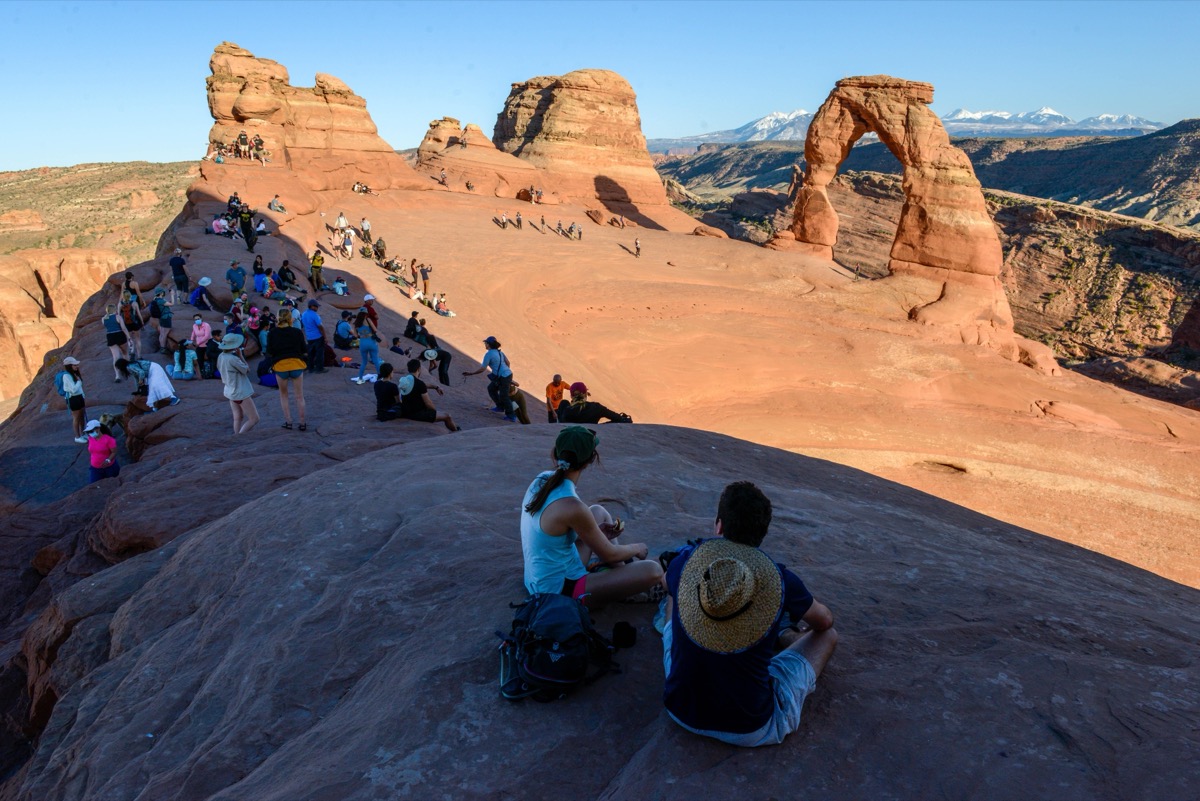
Delicate Arch sits atop slickrock that tests balance, while Fiery Furnace requires guided navigation through sandstone fins where wrong turns dead-end. Devils Garden stretches into backcountry where primitive trails fade and scrambling replaces switchbacks.
Black Canyon Of The Gunnison National Park
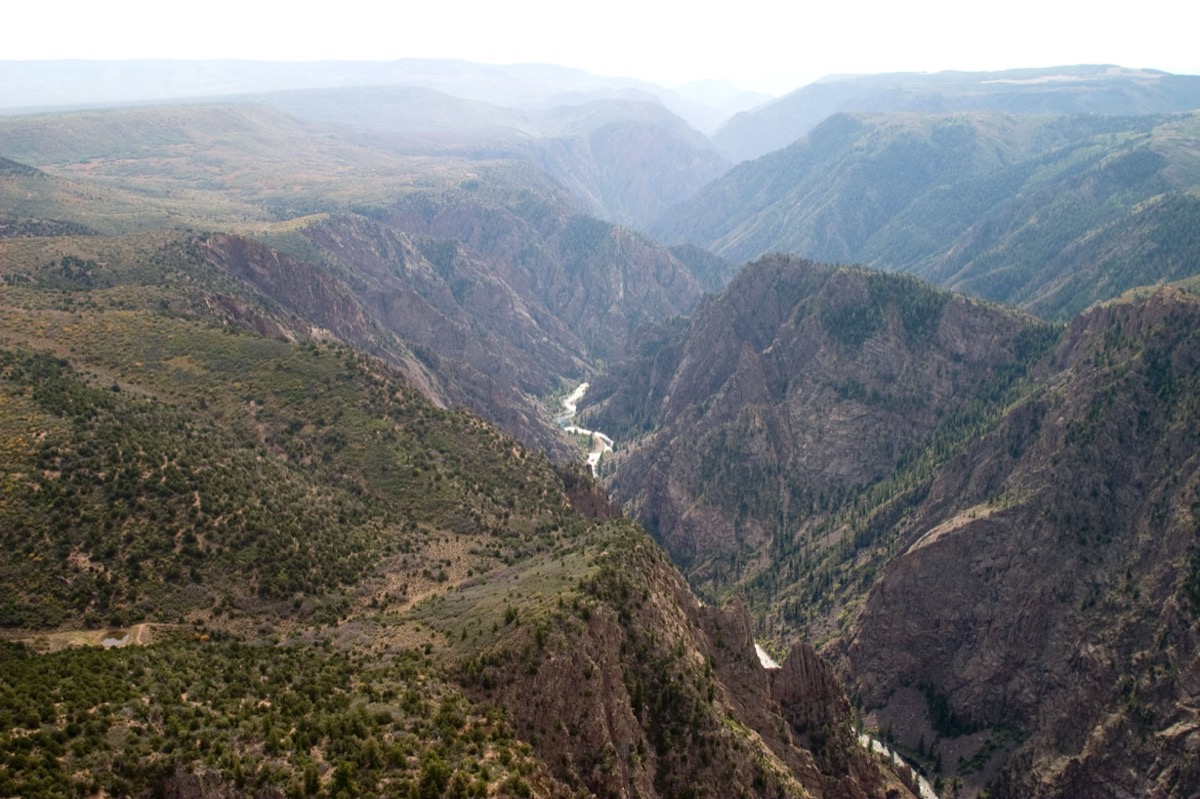
The Gunnison River flows through walls that drop twice the height of the Empire State Building. Inner canyon routes require scrambling down near-vertical talus, while rim trails open to views that measure depth in thousands of feet, not hundreds.
Frequently Asked Questions
- Which national park has the most challenging backcountry terrain?
- Gates of the Arctic has no trails, roads, or facilities. You navigate by ridge, river, and topo map. Denali follows close behind—only one maintained trail exists in an area larger than Massachusetts.
- Where can I find serious whitewater rafting in a national park?
- Big Bend runs the Rio Grande through three canyons—Santa Elena, Mariscal, and Boquillas. Canyonlands offers the Colorado and Green Rivers through Cataract Canyon, with rapids that match Grand Canyon's intensity during spring runoff.
- What's the best park for rock climbing and canyoneering?
- Canyonlands has technical slot canyons, crack climbs, and multi-pitch walls in the Needles and Island in the Sky. Big Bend offers desert climbing on volcanic dikes and chimneys in the Chisos Mountains.
- Can I do a multi-day wilderness trek without seeing other hikers?
- Isle Royale averages fewer than twenty visitors per day in shoulder season. Gates of the Arctic sees roughly fifteen hundred visitors annually across an area twice the size of Yellowstone—solitude is guaranteed, not hoped for.
- Which parks require real navigation skills, not just following trail markers?
- Gates of the Arctic has zero maintained trails. Denali has one. Isle Royale's ridgeline routes and cross-country options demand map work. These parks reward orienteering experience and punish assumptions about easy wayfinding.