Wrangell - St Elias National Park & Preserve
Updated
Overview
At 13.2 million acres, Wrangell-St. Elias is America's largest national park: six Yellowstones stacked together. Yet it sees just 82,000 annual visitors. You'll have 18,000-foot peaks, glaciers you can walk on, and a historic copper mining town practically to yourself. The catch: it's 150 miles from Glennallen on a rough gravel road, there's no entrance station, and most of the park is genuinely wild backcountry requiring serious expedition planning. This isn't a weekend trip. It's Alaska at its most uncompromising.
When to Go
The sweet spot is June — good weather meets manageable crowds. Peak season hits in July.
Best weather window. McCarthy Road fully open, Root Glacier accessible. Nearly 24-hour daylight. Crowds peak but stay under 5,000.
Monthly crowd levels — click a month for details
How Busy Is It?
How Wrangell - St Elias & Preserve compares to all 62 national parks
Busier than 26% of national parks
ModerateMore crowded trails than 10% of parks
Below AverageHigher campsite pressure than 79% of parks
Very BusyAnnual visitors per trail mile
Annual visitors per campsite
Notable Trails
Wrangell - St Elias & Preserve has more trail mileage than 53% of national parks, with 70 miles across 15 maintained trails.
The difficulty split leans moderate to strenuous; only 20% of trails are rated easy.
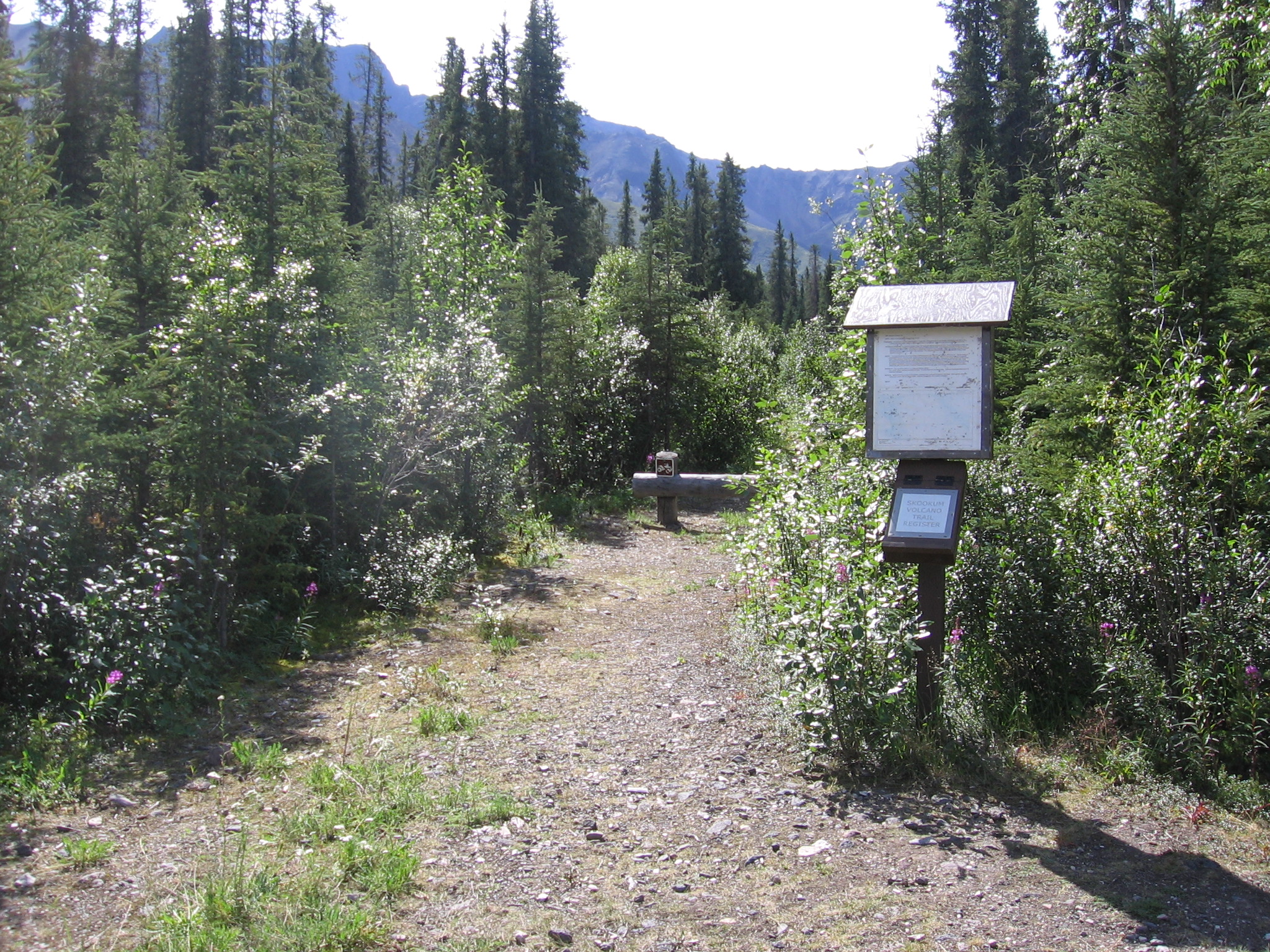
Camping
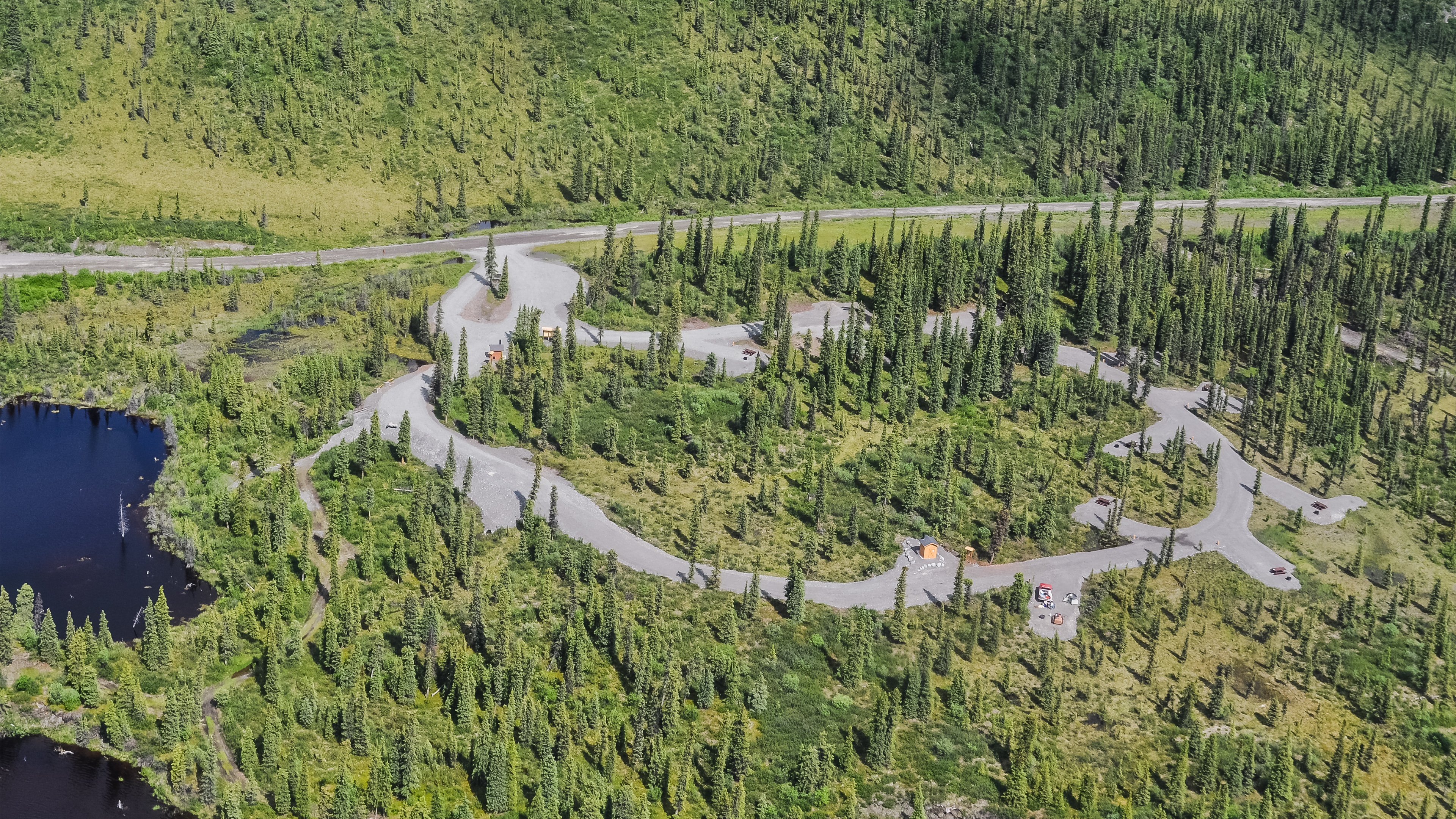
1 campgrounds with 10 total sites. About 100% are first-come, first-served.
Top Activities
Wrangell - St Elias & Preserve excels at 11 of 17 activity types — here are the standouts rated 7/10 or higher.
Rock Climbing
9/10World-class mountaineering; Mount St. Elias expeditions and alpine climbing
Scenic Driving
9/10McCarthy Road with dramatic glacier, mountain, and coastal views
Photography
9/10Exceptional mountain, glacier, and remote landscape photography
Hiking
8/1070 miles of trails from easy glacier walks to strenuous mountain routes
Backpacking
8/10Unlimited backcountry camping in vast wilderness; minimal infrastructure
Fishing
8/10Remote salmon and trout fishing in pristine rivers and streams
Biking
7/10McCarthy Road bikeable; limited trail biking options
Kayaking Canoeing
7/10Coastal and glacier lake paddling; requires remote access arrangements
Wildlife Viewing
7/10Moose, bears, Dall sheep, mountain goats, and eagles in remote habitat
Bird Watching
7/10Eagles, ptarmigans, and migratory waterfowl in coastal and alpine areas
Stargazing
7/10Dark skies in remote areas; limited summer due to midnight sun
Who It's For
Planning Your Trip
Getting There
Nearest city: Glennallen, AK (150 mi). Fly into GLN.
In-Park Services
No gas in park ·Lodging available · Cell: none
Gateway Town
Glennallen, AK, basic amenities
Featured In ?Rankings based on data-driven scoring across all 62 national parks.
Stories
Gateway Cities
Compare Wrangell - St Elias & Preserve
See how Wrangell - St Elias & Preserve stacks up against other national parks — crowds, trails, and more.
Compare Wrangell - St Elias & PreserveFrequently Asked Questions
When is the best time to visit Wrangell - St Elias National Park & Preserve?
The best month to visit Wrangell - St Elias & Preserve is June, based on a balance of weather, crowds, and accessibility. Peak visitation is in July. The park has 0 comfortable months for visiting.
How crowded is Wrangell - St Elias National Park & Preserve?
Wrangell - St Elias & Preserve is relatively uncrowded, with a congestion index of 3/10. The park receives 81,670 visitors annually across 20,626 square miles.
How many trails does Wrangell - St Elias National Park & Preserve have?
Wrangell - St Elias & Preserve has 70 miles of trails across 3 easy, 7 moderate, and 5 strenuous routes. Popular trails include Kuskulana Glacier Trail, McCarthy to Kennicott Trail, Root Glacier Trail.
Can you camp at Wrangell - St Elias National Park & Preserve?
Yes, Wrangell - St Elias & Preserve has 1 campground with 10 total sites. Some sites are available first-come, first-served.
Is Wrangell - St Elias National Park & Preserve open year-round?
Yes, Wrangell - St Elias & Preserve is open year-round, though some roads and facilities may close seasonally. The park's climate is classified as maritime_subarctic.