Category Ranking
Best National Parks for Camping
The best camping parks balance three factors: total sites available, walk-up availability for spontaneous trips, and low pressure per visitor. These ten offer the infrastructure and elbow room that turn a good camping trip into a week you'll remember.
Updated
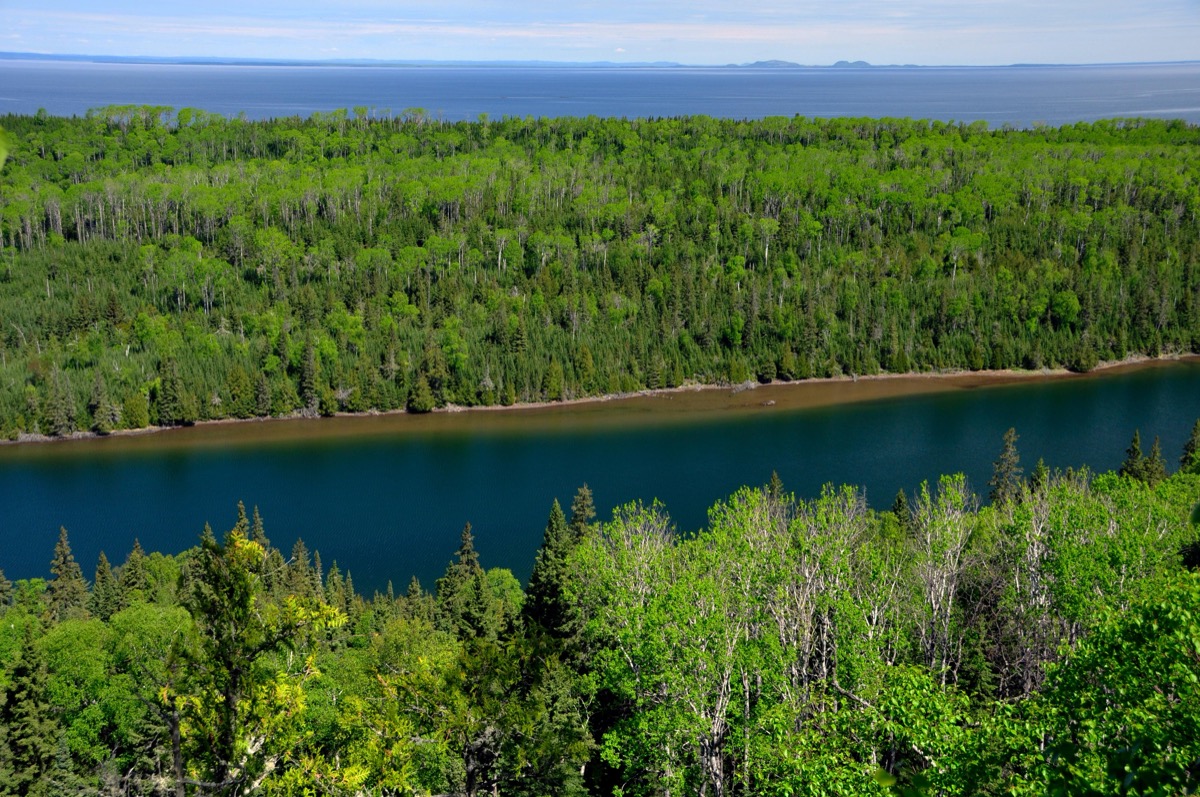
Isle Royale National Park
Thirty-six campgrounds scattered across a Lake Superior island accessible only by boat or seaplane. No reservations, no crowds—just first-come tent sites where the wolf howls carry across the water and your nearest neighbor might be a mile away on the next ridge.
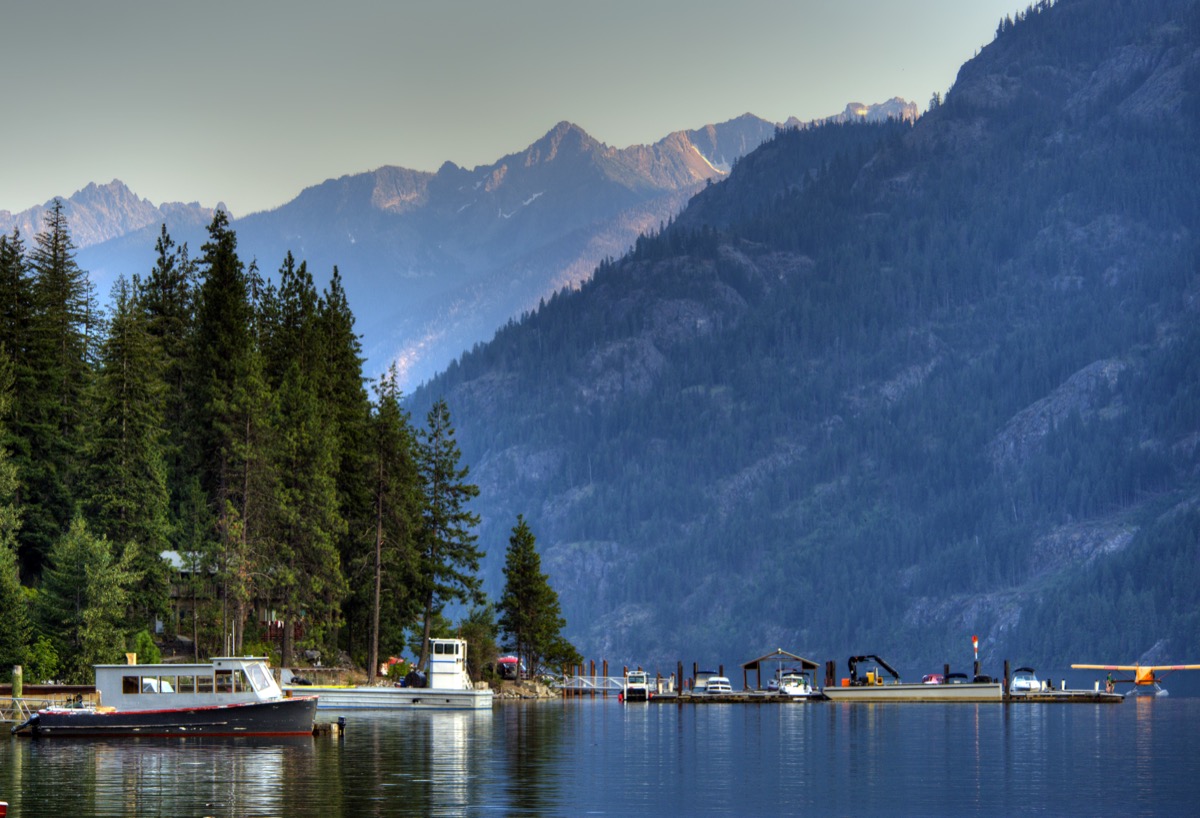
North Cascades National Park
Ten campgrounds with more than three hundred sites serve fewer visitors than most parks see in a busy weekend. The North Cascades Highway puts you within hiking distance of alpine camps where glaciers carve the skyline and summer weekends still have open slots.
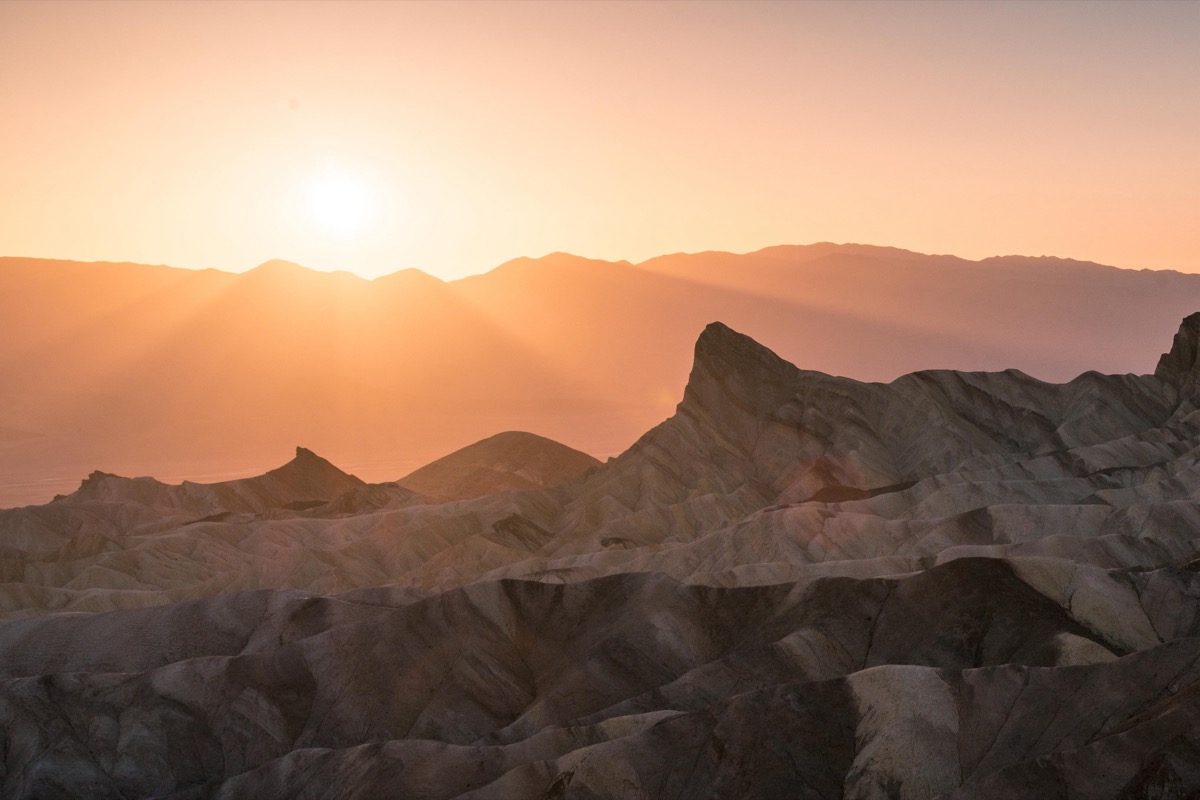
Death Valley National Park
Twelve campgrounds with nearly eight hundred sites spread across an area larger than Connecticut. The park's size and winter-spring sweet spot mean you can pull into Furnace Creek or Mesquite Spring without a reservation and claim a site under dark skies that rival any in the system.
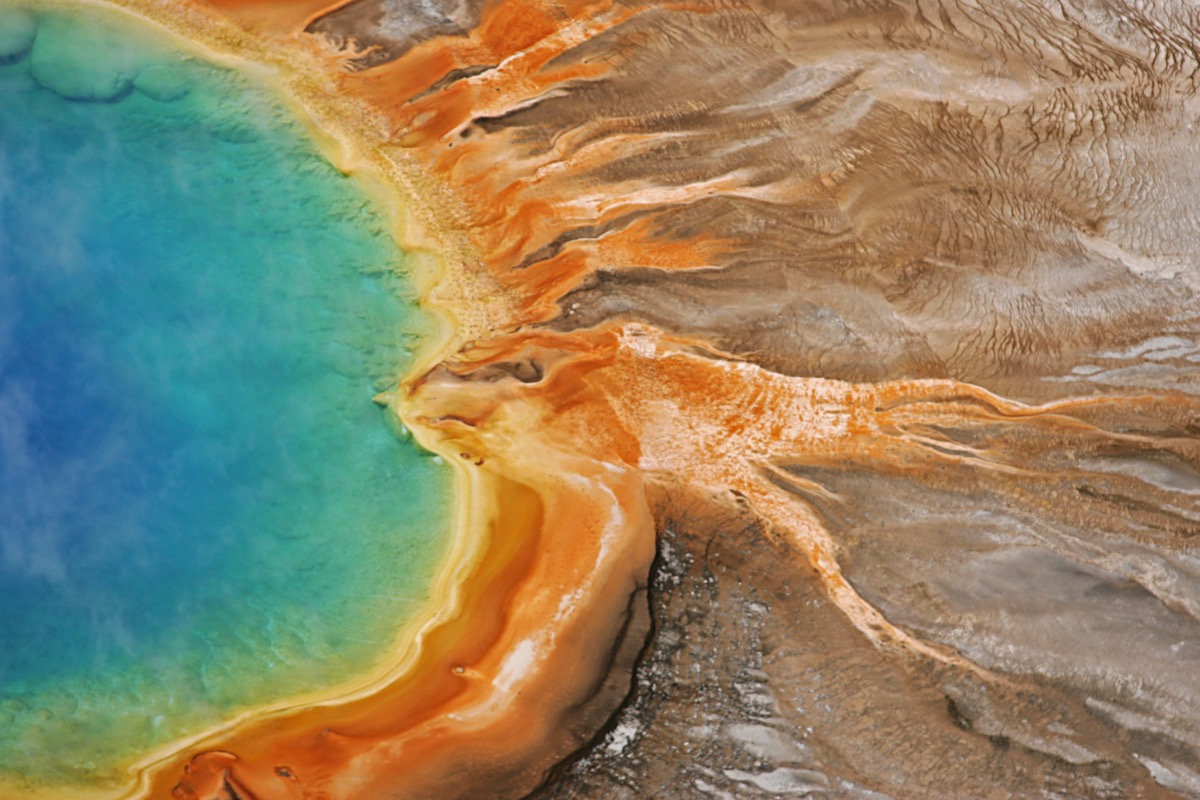
Yellowstone National Park
More than two thousand campsites serve the world's first national park, but the real advantage is scale. The park's area absorbs the crowds, and campgrounds like Slough Creek and Pebble Creek keep you within striking distance of Lamar Valley's wildlife without the Mammoth Hot Springs madhouse.
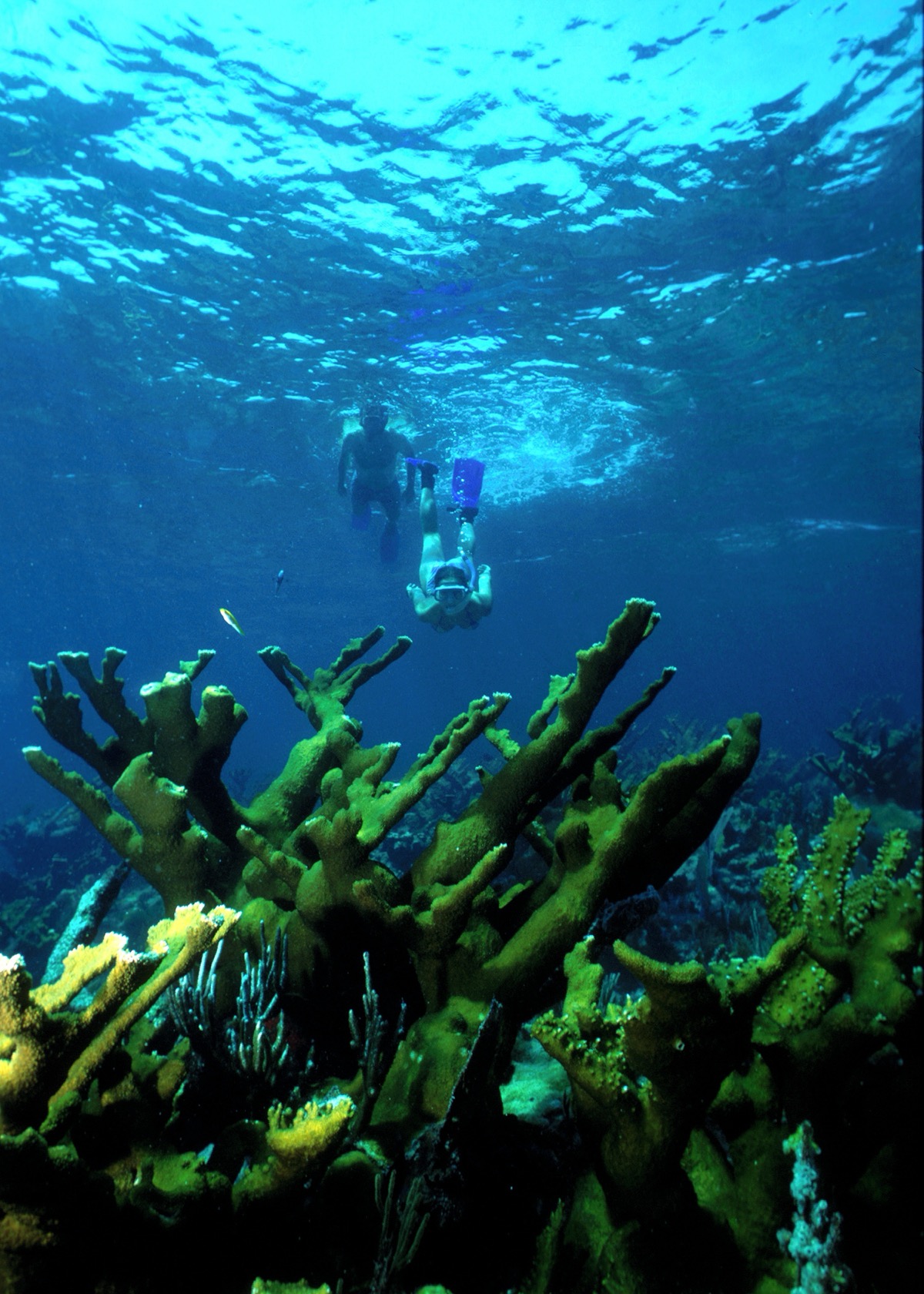
Biscayne National Park
Two island campgrounds reachable only by boat put you on Elliott Key and Boca Chita Key with Miami's skyline glowing across the water. Sites sit steps from coral reefs and mangrove shorelines, and the boat-access barrier keeps pressure low enough that weekday arrivals rarely compete for space.
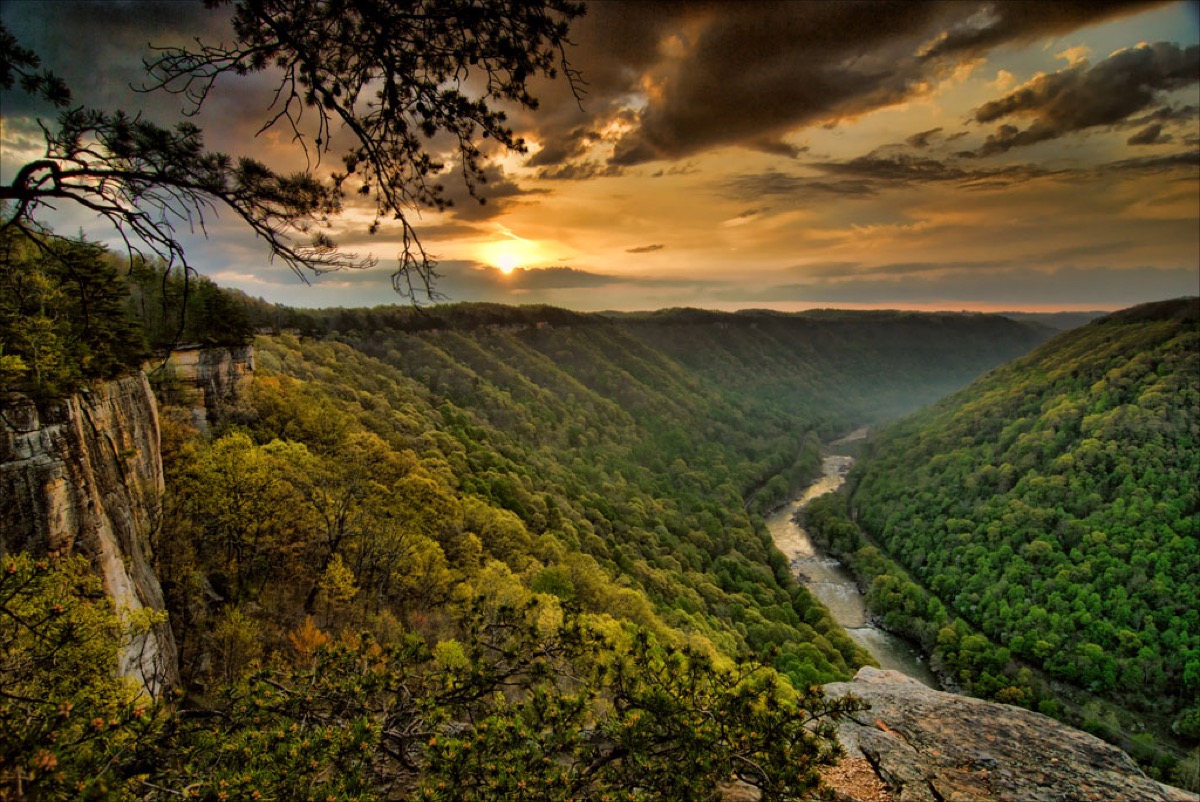
New River Gorge National Park & Preserve
Nine campgrounds along the gorge rim serve rock climbers and whitewater rafters with walk-up sites that rarely fill outside October's Bridge Day weekend. The East Coast's deepest river canyon means you can camp at Grandview or Prince and hike to overlooks without the Zion-level crowds.
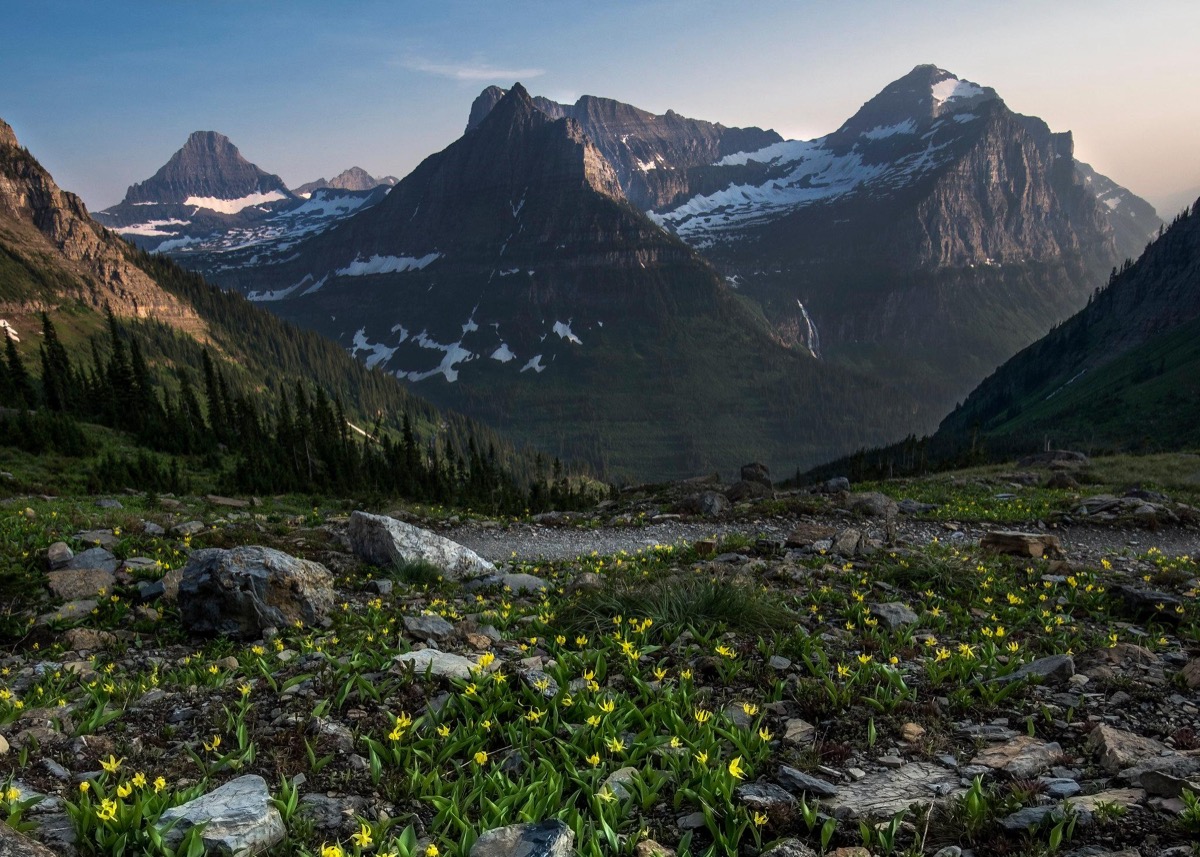
Glacier National Park
Thirteen campgrounds with more than a thousand sites anchor the park's valleys and Going-to-the-Sun Road corridor. The backcountry holds another five dozen sites for backpackers who want Many Glacier mornings and Gunsight Pass afternoons without sharing the trail with tour groups.
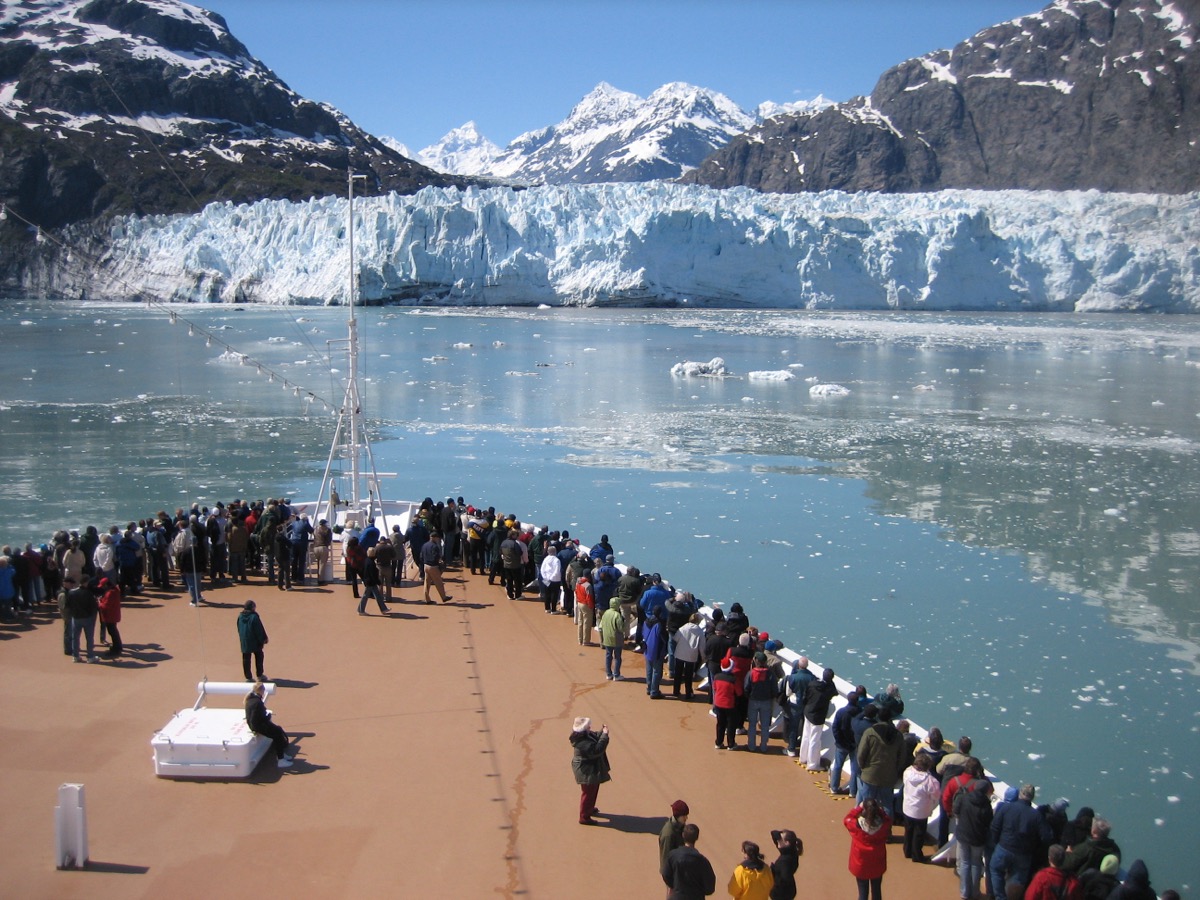
Glacier Bay National Park & Preserve
One campground at Bartlett Cove serves as base camp for kayakers heading into the fjords. The boat-or-plane access keeps numbers manageable, and free permits for backcountry beach camping let you paddle past tidewater glaciers and pitch a tent where the only neighbors are humpback whales.
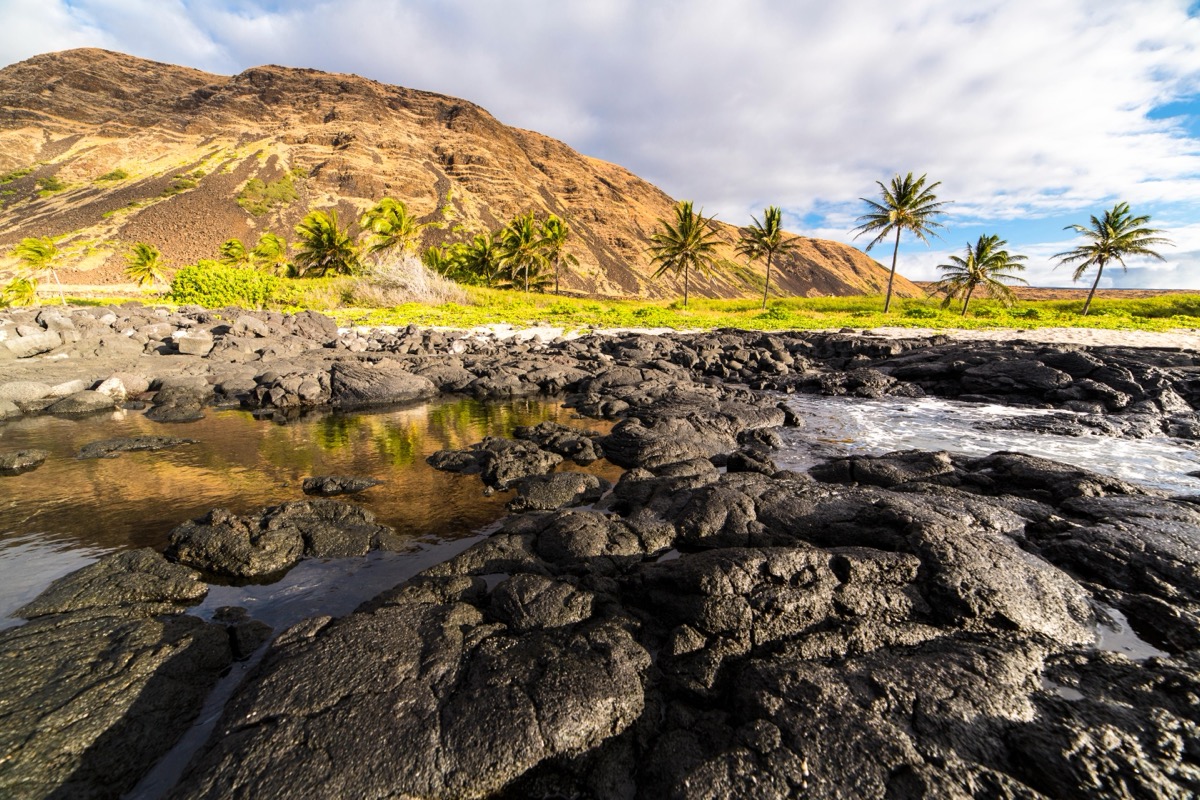
Hawaiʻi Volcanoes National Park
Two drive-in campgrounds near Kīlauea Caldera put you within walking distance of active lava flows and Thurston Lava Tube. The park's year-round accessibility and modest visitor numbers mean Nāmakanipaio and Kulanaokuaiki rarely fill, even when the summit is glowing orange after dark.
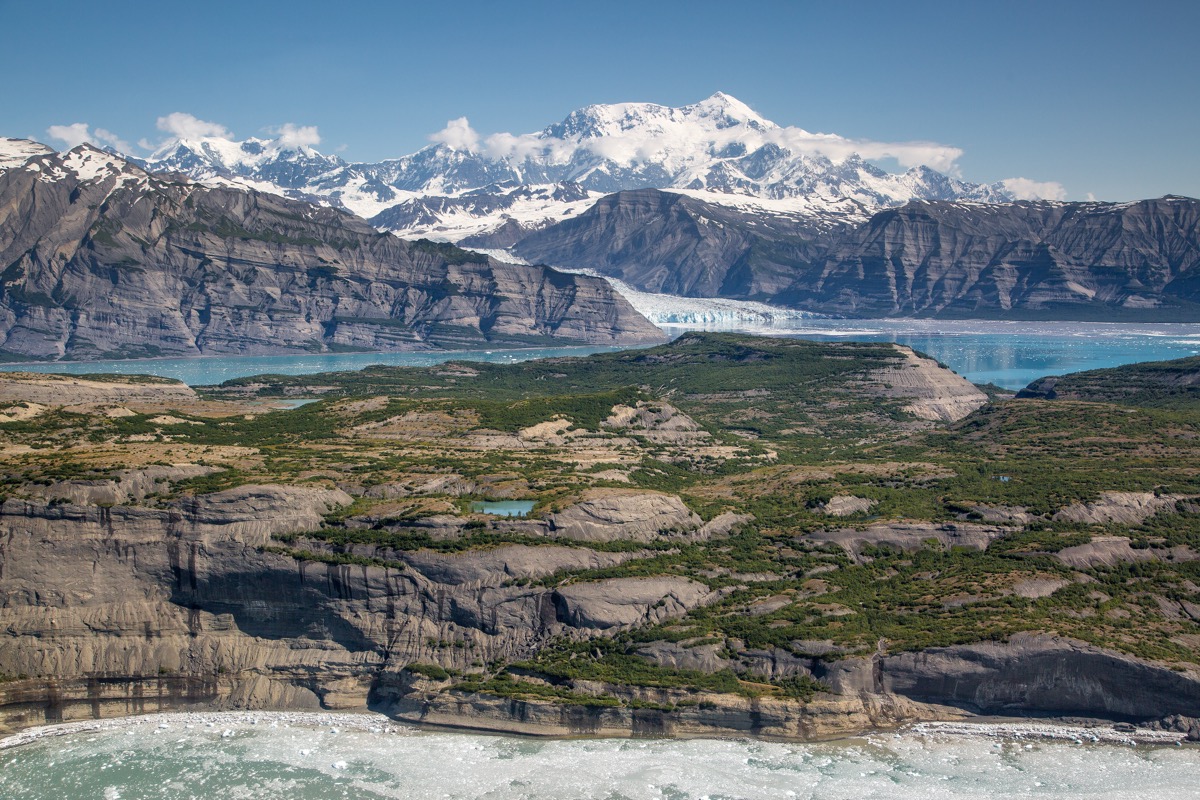
Wrangell - St Elias National Park & Preserve
One formal campground and unlimited dispersed camping across an area six times the size of Yellowstone. The park's remote location and minimal infrastructure mean you can camp beside Root Glacier or the Kuskulana River without reservations, permits, or anyone asking when you plan to leave.
Frequently Asked Questions
- Which national parks have the most campsites available?
- Death Valley and Yellowstone lead with extensive campground networks. Isle Royale offers fewer sites but almost no competition, while North Cascades provides backcountry options that rarely fill.
- Can I find a campsite without a reservation?
- Isle Royale and North Cascades operate primarily on walk-up availability. Death Valley keeps many sites first-come, first-served even during peak season. Yellowstone and Biscayne offer limited walk-up options.
- What makes a national park good for camping?
- Low campsite pressure, accessible walk-up sites, and diverse camping environments. The best parks offer both developed campgrounds and backcountry options without reservation battles months in advance.
- Are remote parks easier to camp in?
- Remote parks like Isle Royale see minimal visitor pressure per campsite. North Cascades follows the same pattern. Popular parks like Yellowstone compensate with sheer campground capacity, while Death Valley's size absorbs crowds.