Category Ranking
Best National Parks for Rock Climbing
Rock climbing quality measured by route variety, difficulty range, and rock type. The top parks offer everything from crack systems to big walls, with granite and sandstone that holds shape. Climbing seasons matter as much as the rock itself.
Updated
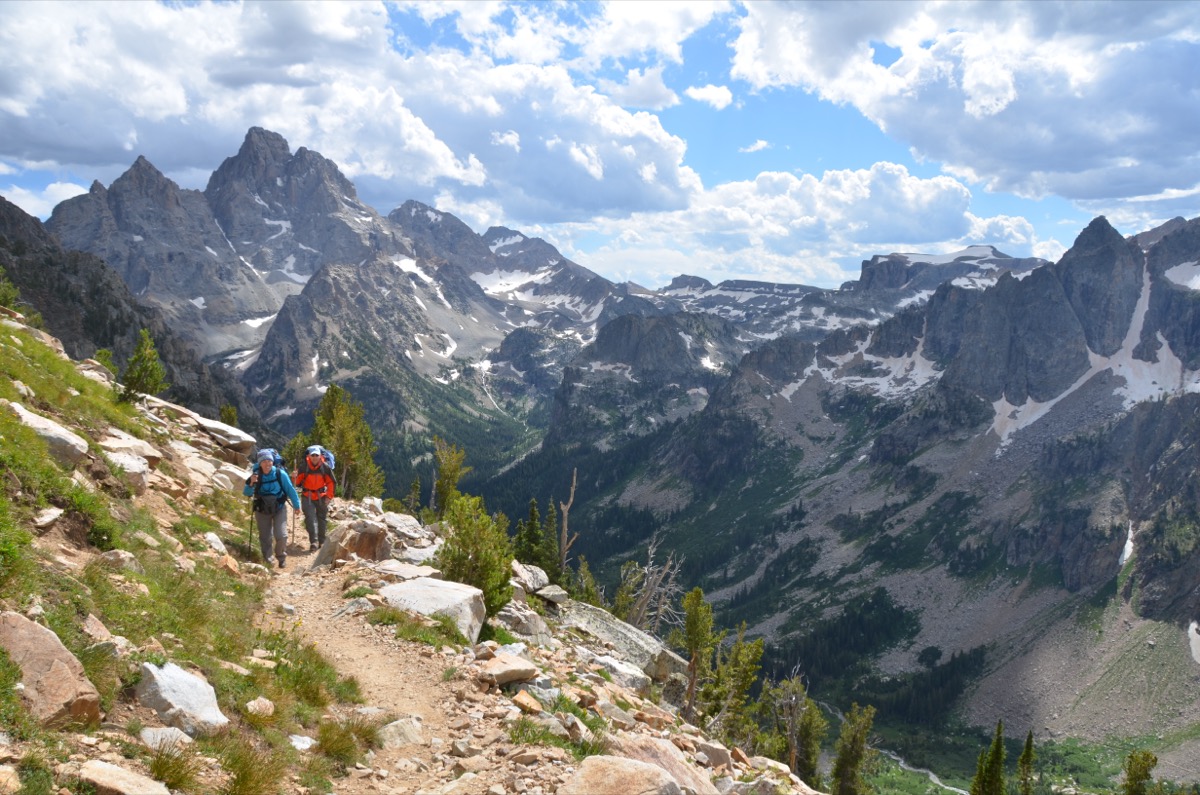
Grand Teton National Park
The Tetons pioneered American alpinism. Granite walls rise straight from valley floor to summit, with multi-pitch routes on the Grand's north face and friction slabs at Jenny Lake that test every skill level.
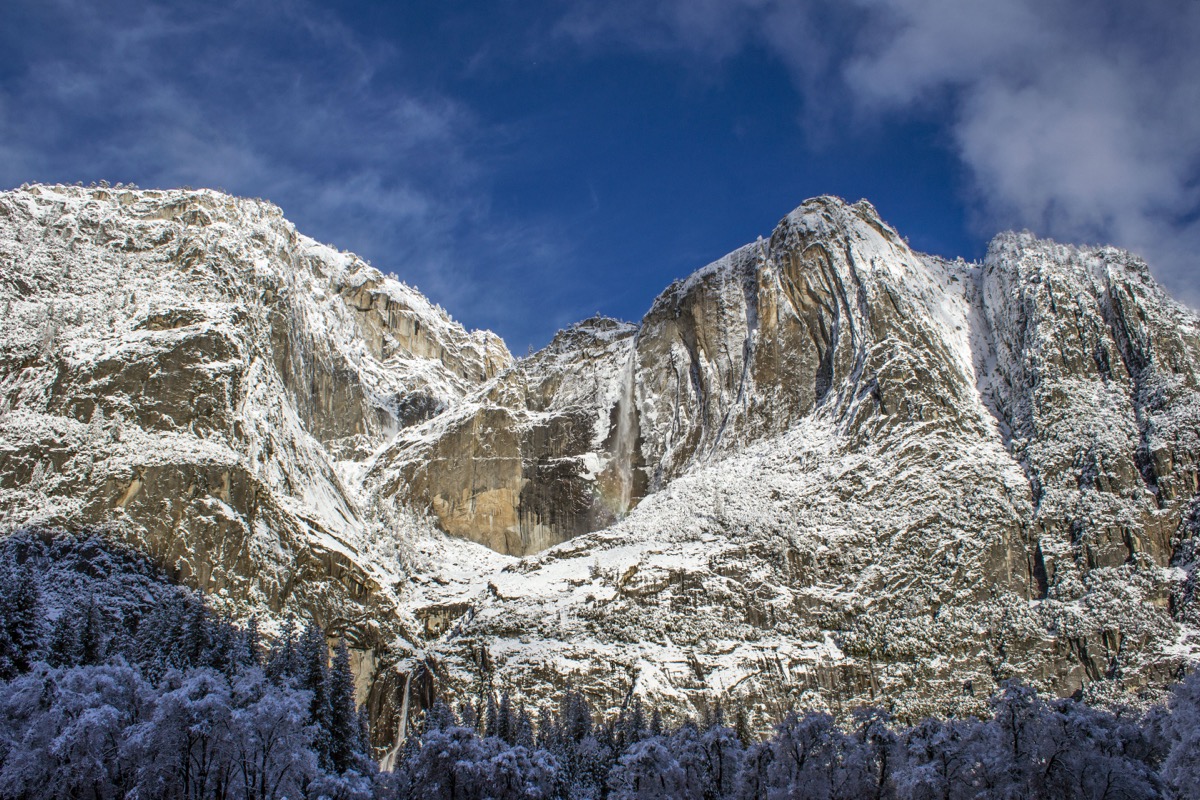
Yosemite National Park
El Capitan's Dawn Wall and Half Dome's northwest face define vertical achievement. The granite splits clean for crack climbing, and the Valley floor puts you at the base of routes that take days to finish.
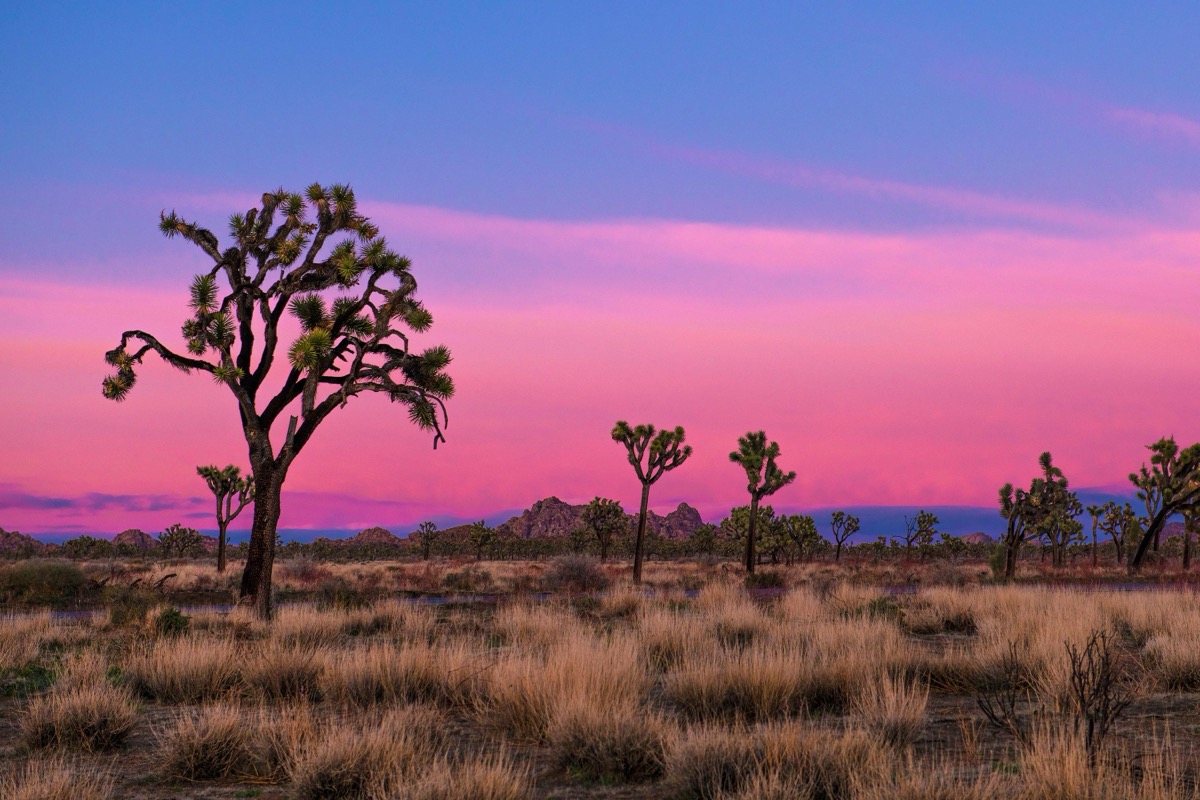
Joshua Tree National Park
Eight thousand climbing routes spread across quartz monzonite formations that crack and hold like nothing else in the Mojave. Fall through spring delivers perfect temperatures for friction work and crack systems.
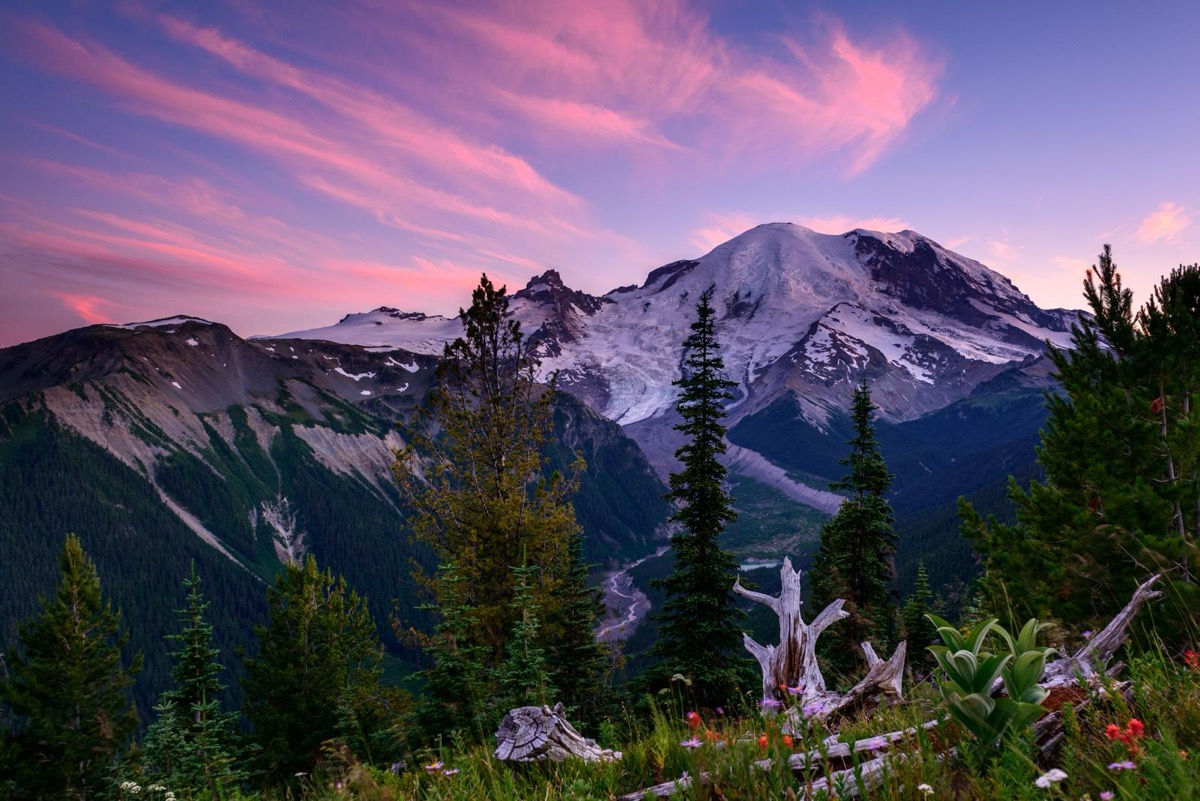
Mount Rainier National Park
Liberty Ridge and the Disappointment Cleaver route test alpine skills on volcanic rock wrapped in glaciers. The mountain demands ice climbing, crevasse navigation, and summit attempts that start before dawn.
North Cascades National Park
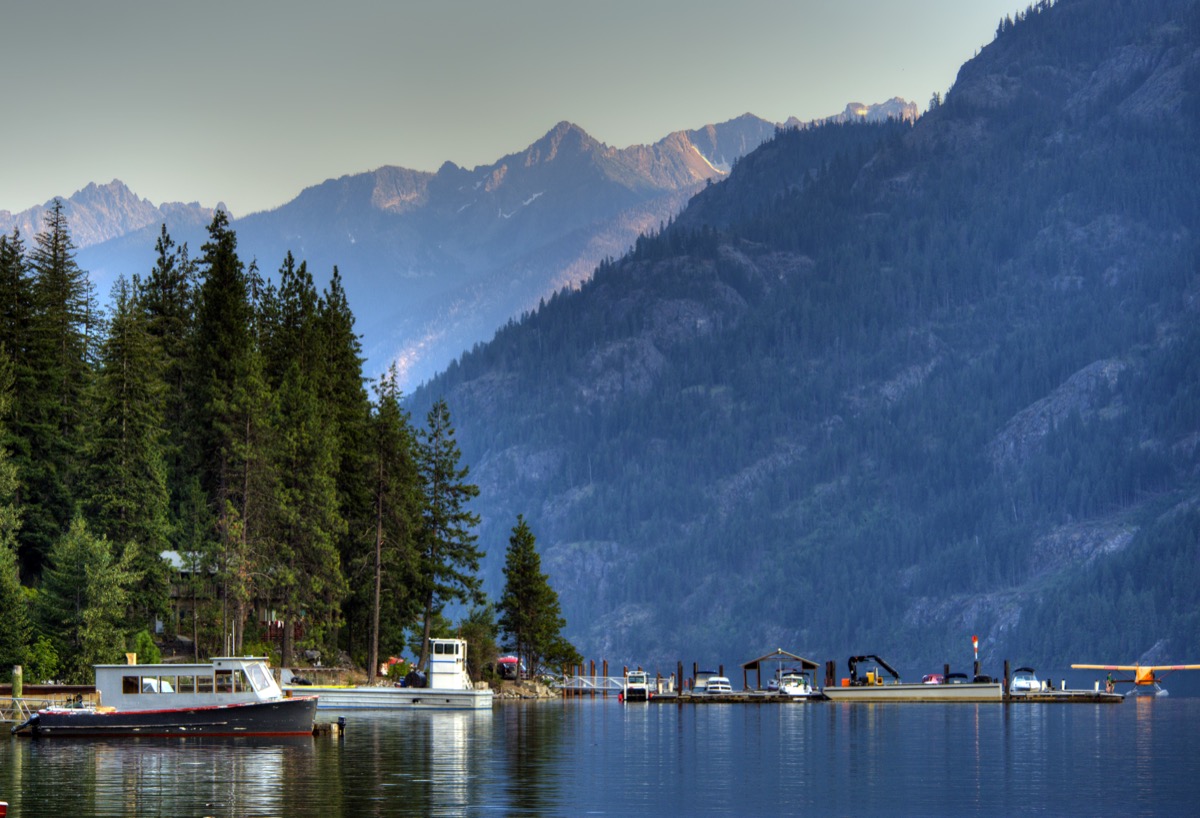
Three hundred glaciers feed alpine routes where weather windows close fast. Mount Shuksan's Price Glacier and Liberty Bell's Beckey Route require approach skills and commitment in the most glaciated terrain below Alaska.
Wrangell - St Elias National Park & Preserve
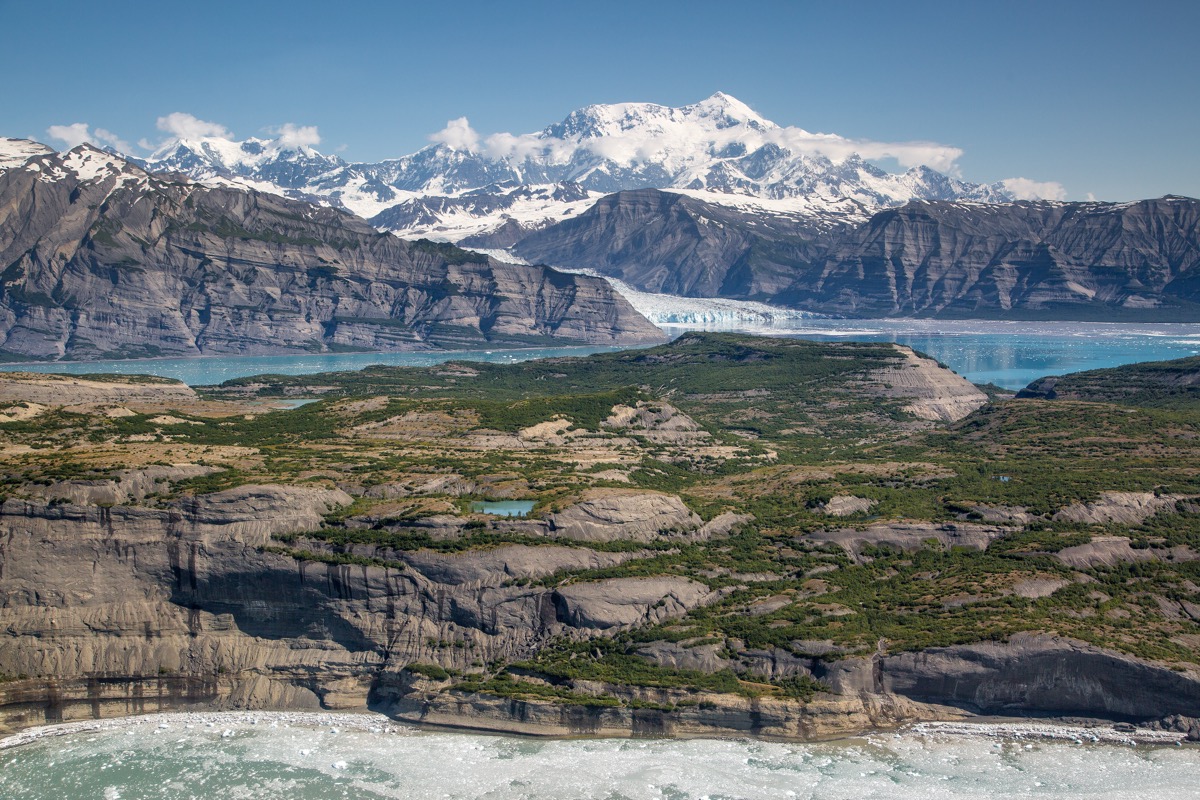
Mount St. Elias rises from sea level to eighteen thousand feet in ten miles. The climbs here are expeditions—weeks on ice, altitude that rivals Denali, and rock that sees a handful of attempts each season.
Zion National Park
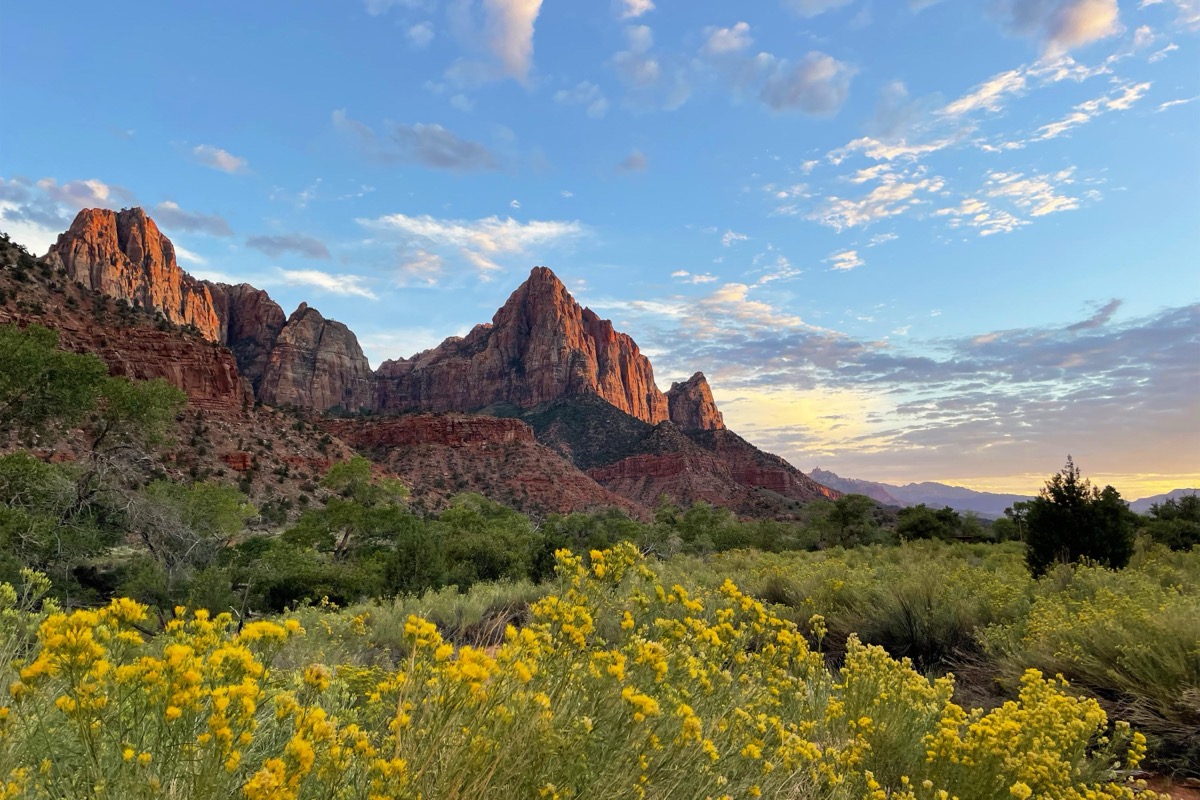
Sandstone towers in the Kolob Canyons and crack systems in the main canyon offer routes that require desert technique. Moonlight Buttress's splitter crack and the Subway's slot canyon approaches make this desert climbing at its best.
Arches National Park
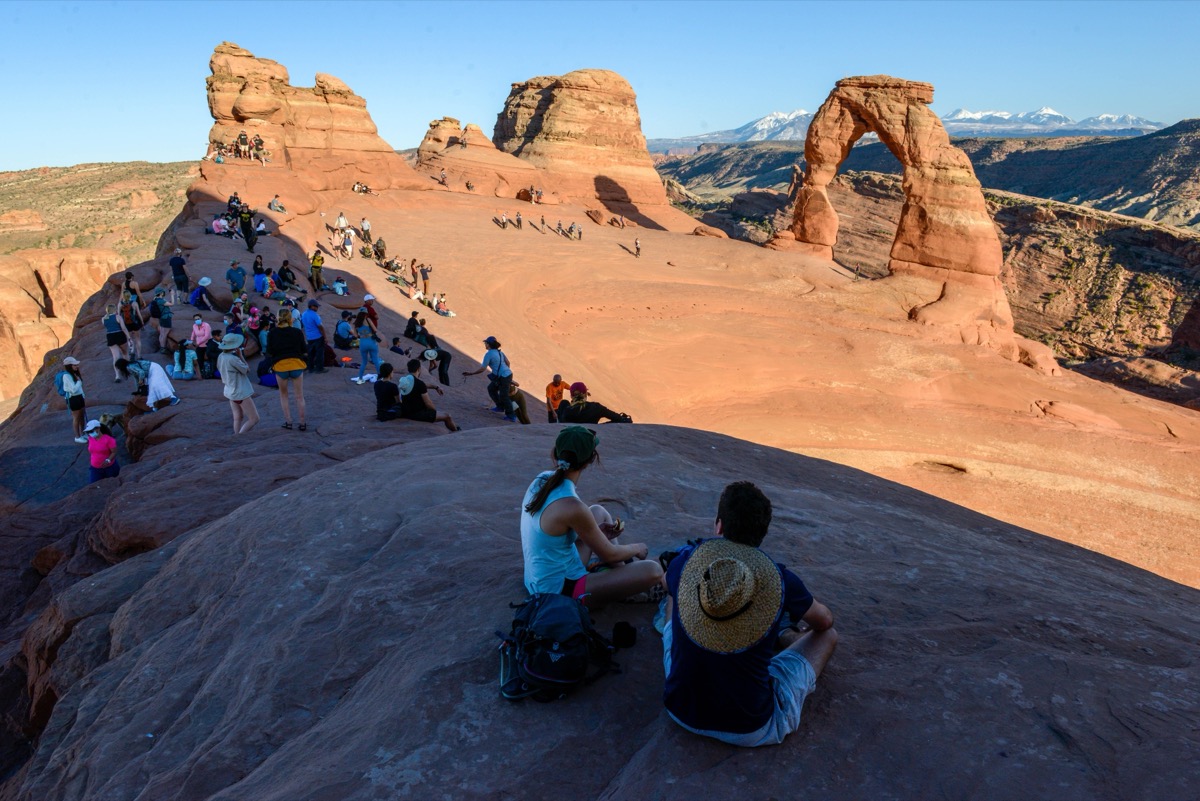
Desert towers and fins create friction problems and crack systems in sandstone that requires delicate movement. The rock's softness limits bolting, making natural protection skills essential for routes like those in Devils Garden.
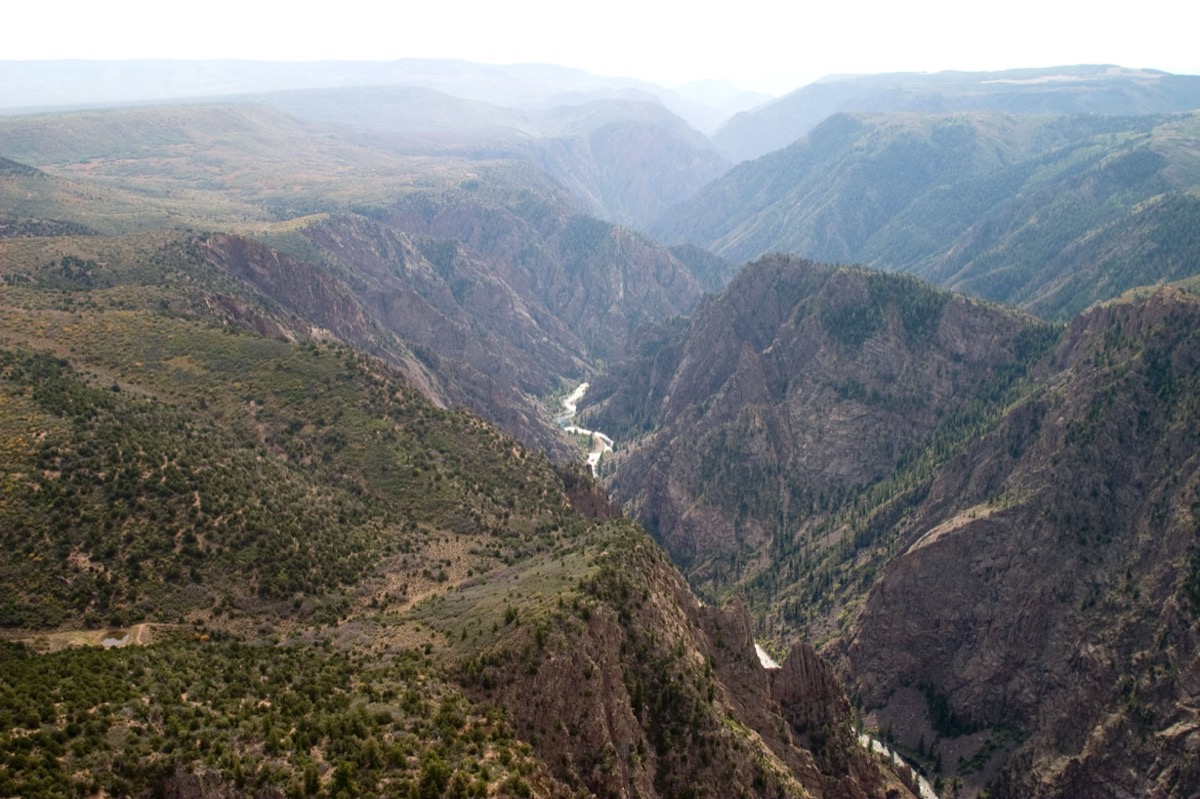
Black Canyon Of The Gunnison National Park
The Painted Wall drops twice the height of the Empire State Building in Precambrian gneiss and schist. Routes descend into the canyon on rock that predates most life on Earth, with approaches that require rappelling from the rim.
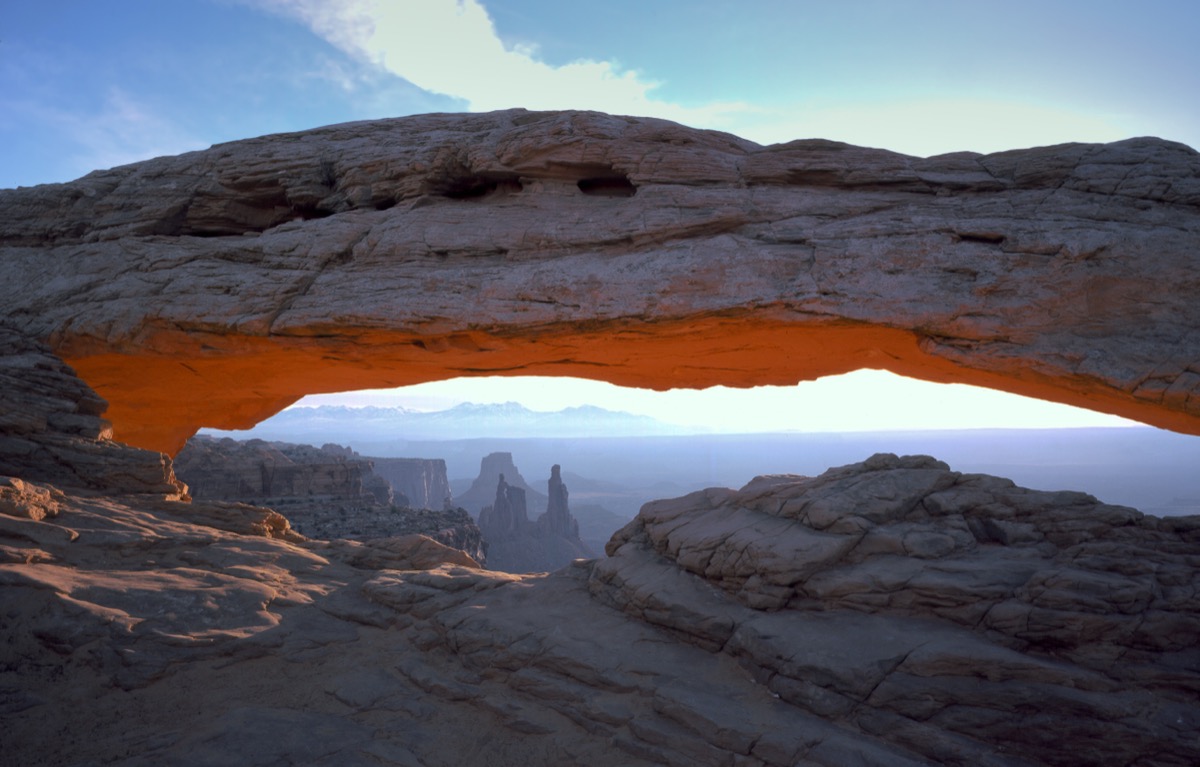
Canyonlands National Park
The Needles District holds sandstone spires that require desert climbing skills—wide cracks, chimney systems, and route-finding through formations that stand like chess pieces across the plateau.
Frequently Asked Questions
- Which national park has the best granite climbing?
- Yosemite sets the standard with El Capitan and Half Dome. Grand Teton offers alpine granite routes on dramatic peaks. Both deliver world-class stone that climbers travel across continents to touch.
- Can beginners find routes in these parks?
- Joshua Tree excels for learning with thousands of moderate routes on friendly rock. Grand Teton and Yosemite require more experience, though guide services operate year-round for instruction.
- Which parks offer multi-pitch climbing?
- Grand Teton and Yosemite dominate for long routes. North Cascades and Mount Rainier add alpine conditions to the vertical challenge. Joshua Tree focuses on shorter pitches but offers hundreds of options.
- Do I need permits to climb in these parks?
- Most routes require no permits, but overnight climbs on El Capitan or Rainier summit attempts do. Check specific regulations before planning multi-day ascents or glacier approaches.
- What's the climbing season for these parks?
- Joshua Tree peaks November through March when desert heat relents. Yosemite and Grand Teton run May through October. North Cascades offers the shortest window, typically July through September.