Category Ranking
Hidden Gem National Parks
These parks combine low visitation with high-quality experiences—places where your odds of solitude match the caliber of what you came to see. The index weighs crowd density against activity diversity and scenic payoff.
Updated
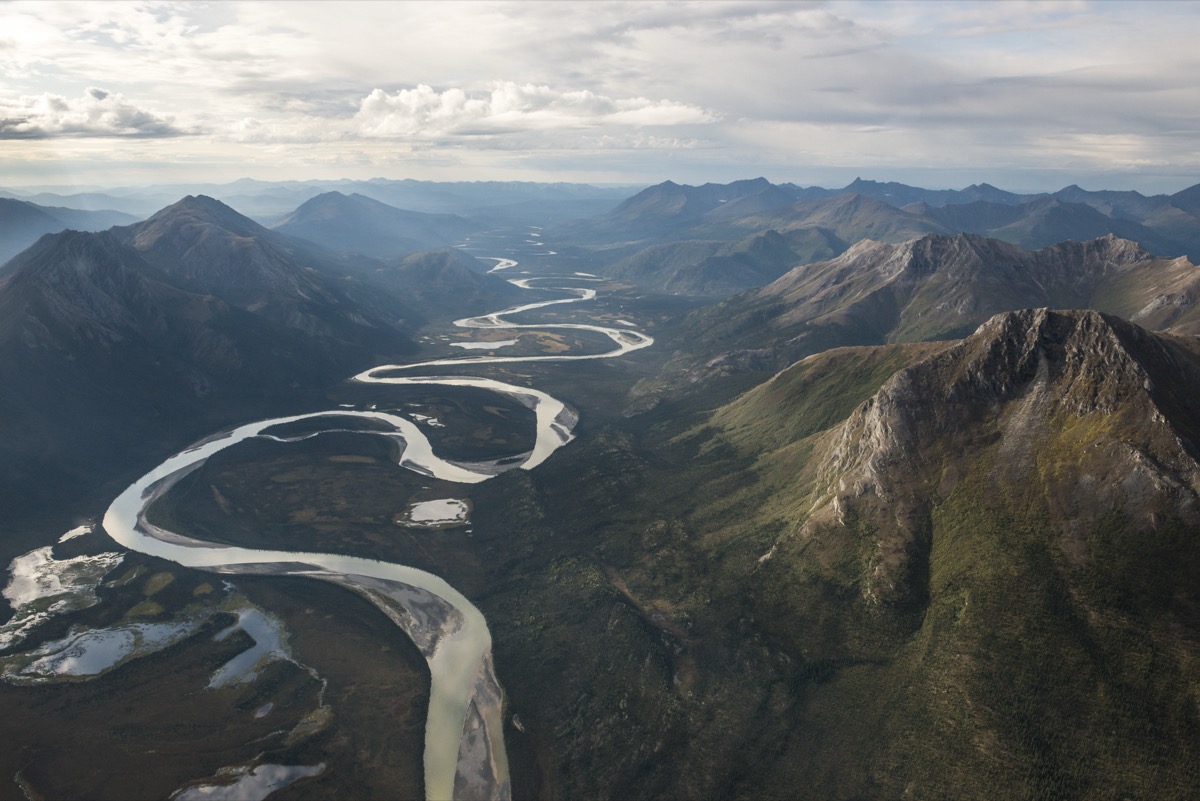
Gates Of The Arctic National Park & Preserve
The most remote park in the system requires a floatplane just to reach the boundary. No trails because the entire Brooks Range is your route—choose any ridgeline, any valley, any river corridor through six million roadless acres.
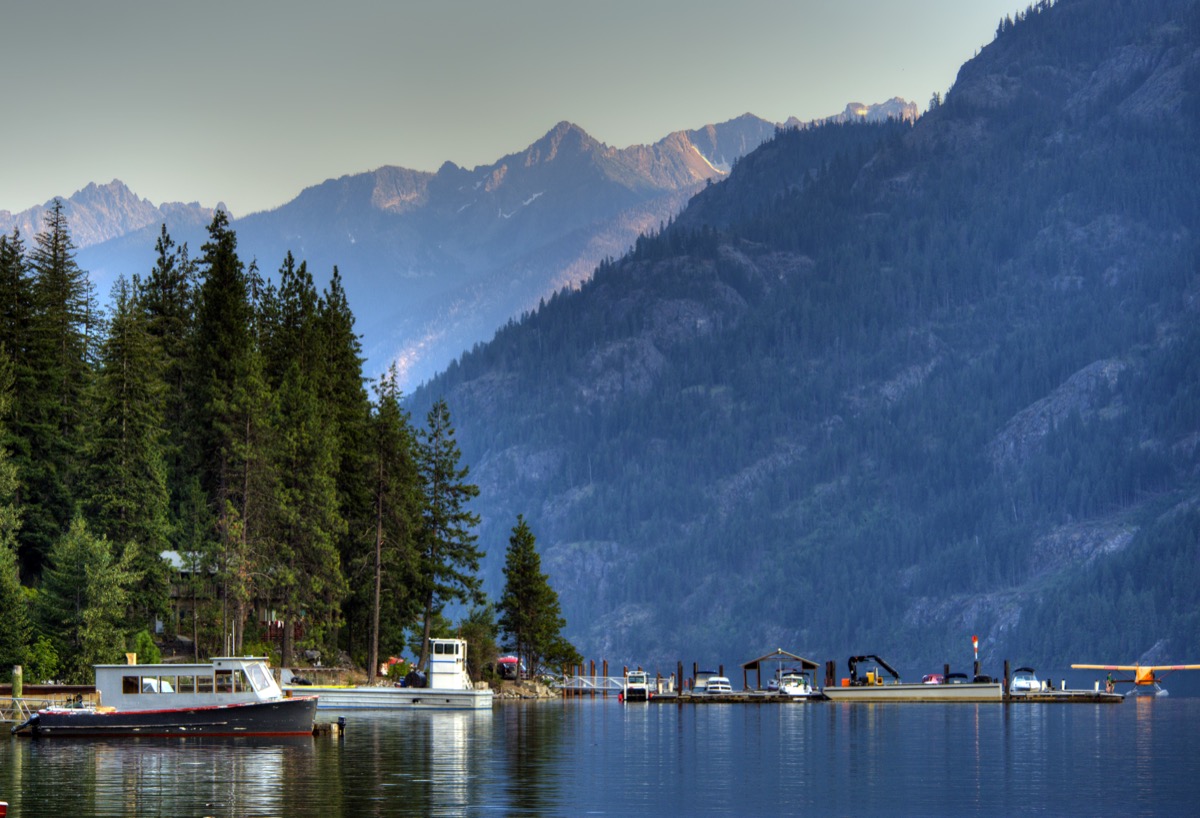
North Cascades National Park
More glaciers than the rest of the Lower 48 combined, yet fewer visitors than most state parks. The North Cascades Highway cuts through alpine terrain that would be mobbed if it sat three hours closer to a major city.
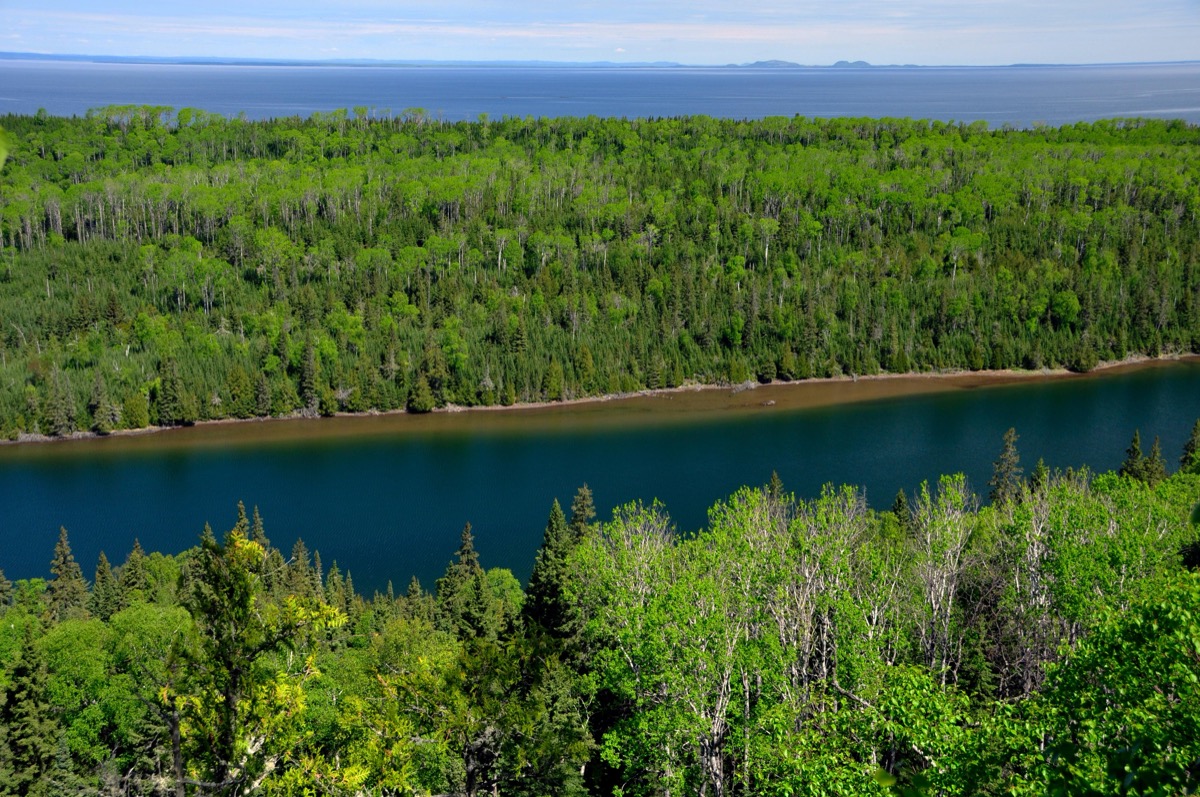
Isle Royale National Park
A four-hour ferry ride filters out casual visitors, leaving backpackers who want the island's 165 trail miles to themselves. The wolf-moose predator study runs longer than any in North America because humans barely intrude.
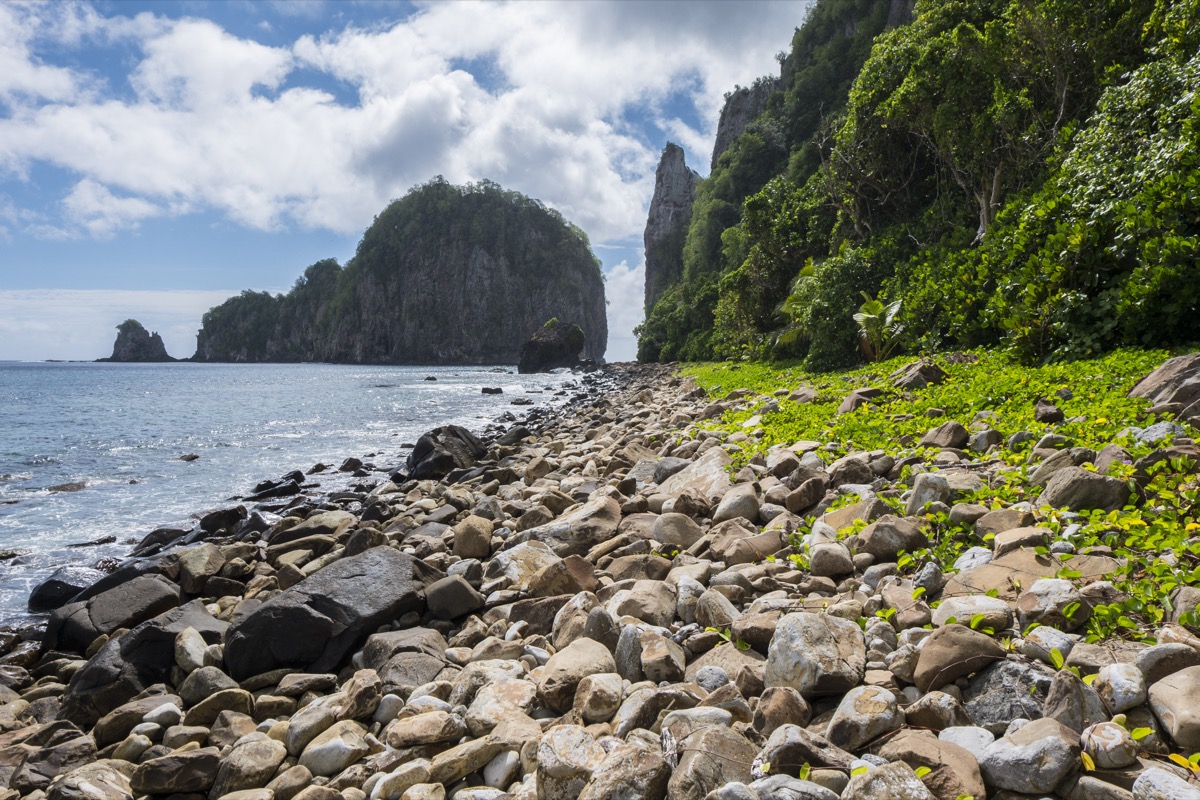
National Park of American Samoa
The only park you need a passport to visit from the mainland sits 2,600 miles southwest of Hawaii. Coral reefs, rainforest ridges, and villages that predate European contact—experienced by fewer people than visit Zion in a single summer day.
Katmai National Park & Preserve
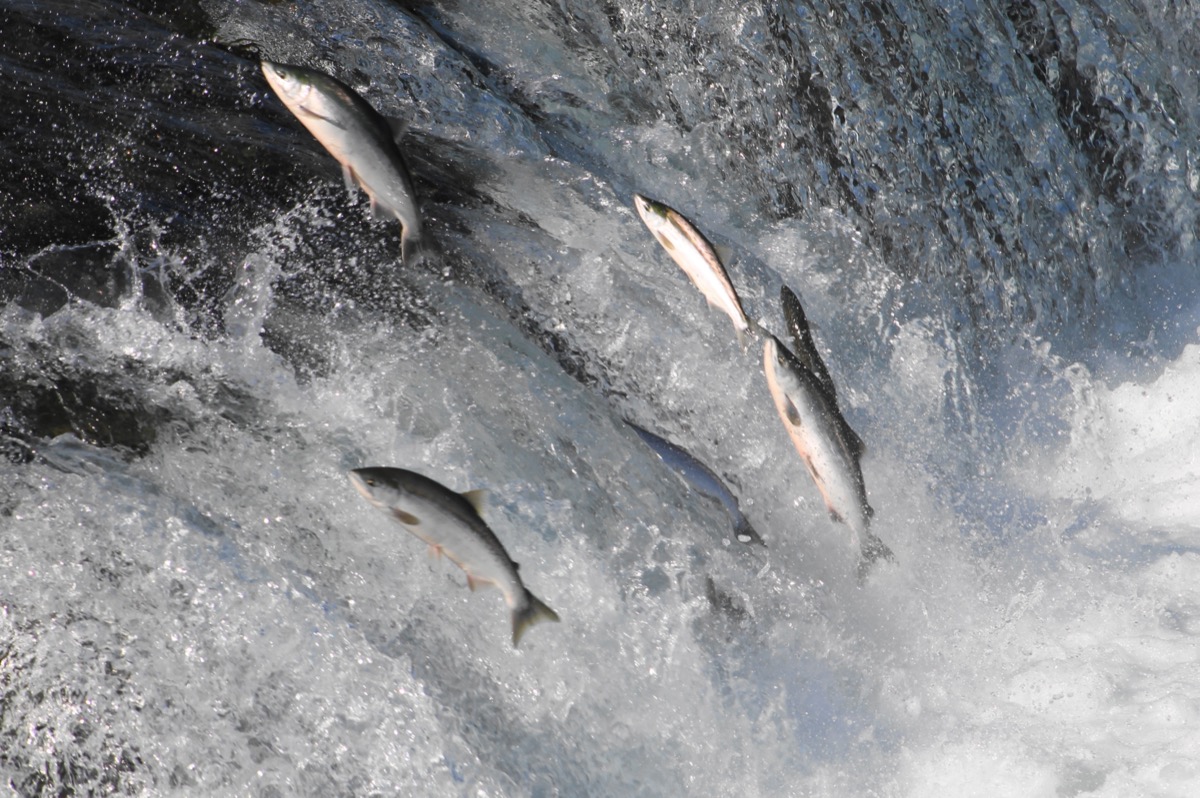
Brooks Falls draws crowds in July, but step beyond the bear platforms and you'll find valleys where volcanic ash buried entire forests. The Valley of Ten Thousand Smokes sees a fraction of the visitors despite holding one of the planet's most dramatic volcanic landscapes.
Kobuk Valley National Park
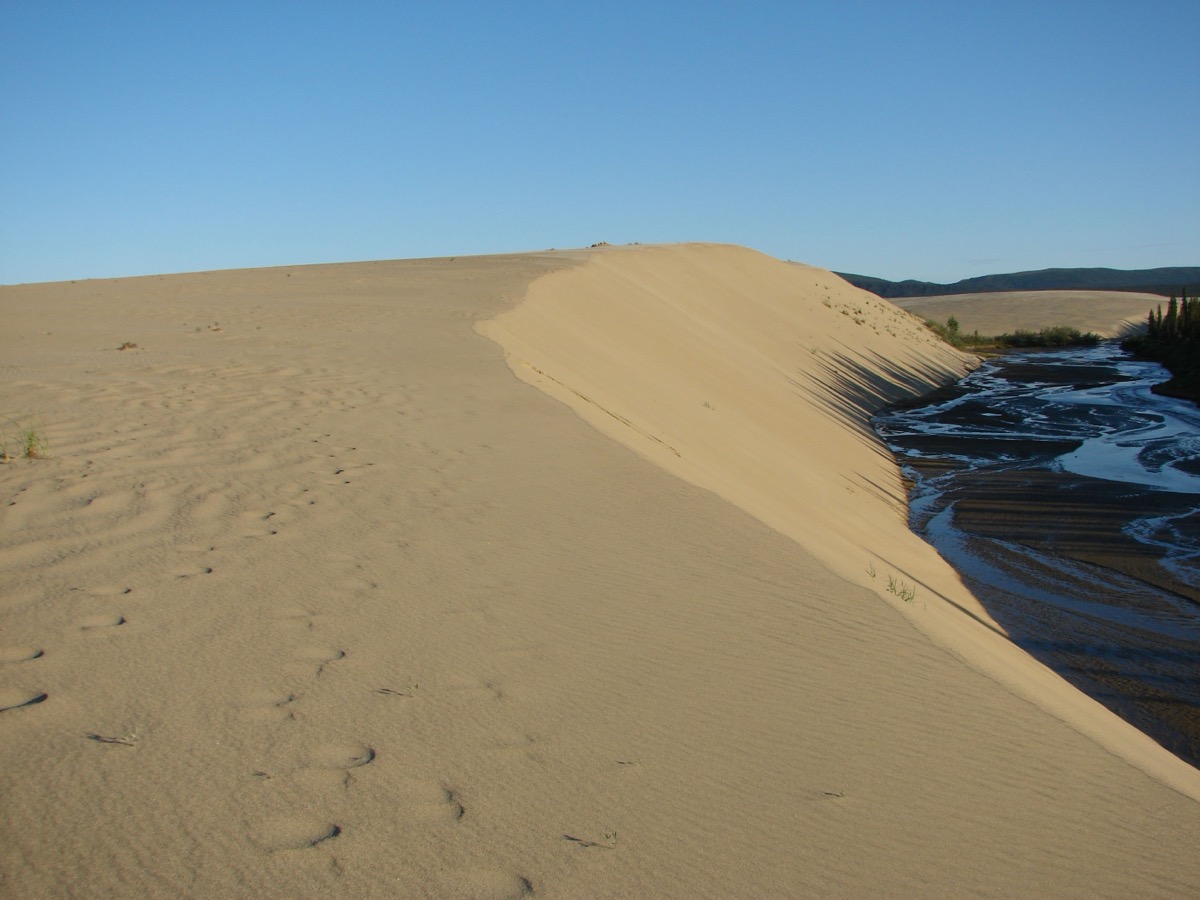
Sand dunes the size of a small city rise from Arctic tundra, carved by Ice Age winds that never stopped. The caribou know the route through Onion Portage; humans usually fly in, camp, and leave without seeing another group.
Lake Clark National Park & Preserve
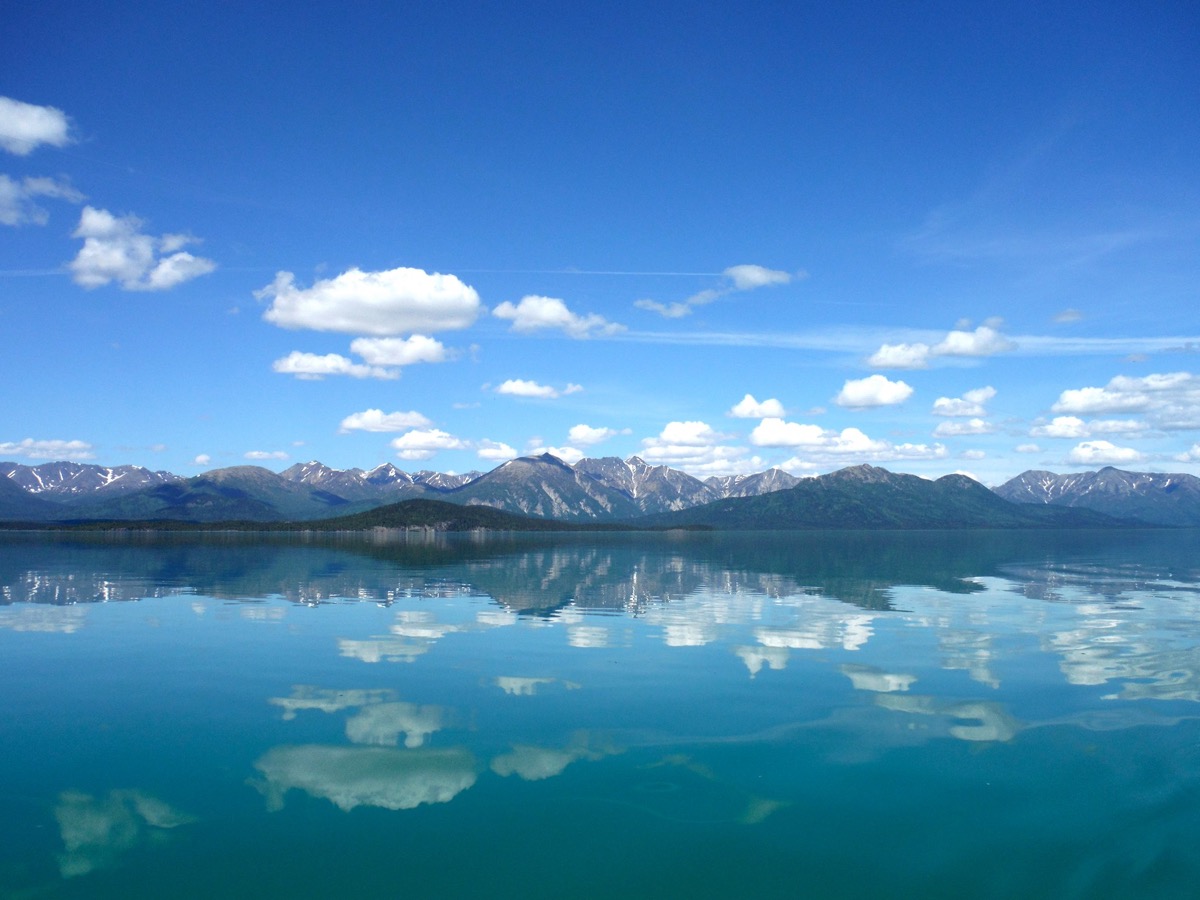
Two active volcanoes anchor a park larger than Connecticut, reachable only by floatplane. Most visitors fly in for a day of bear watching, missing the fact that this park holds more backpacking terrain than most will explore in a lifetime.
Dry Tortugas National Park
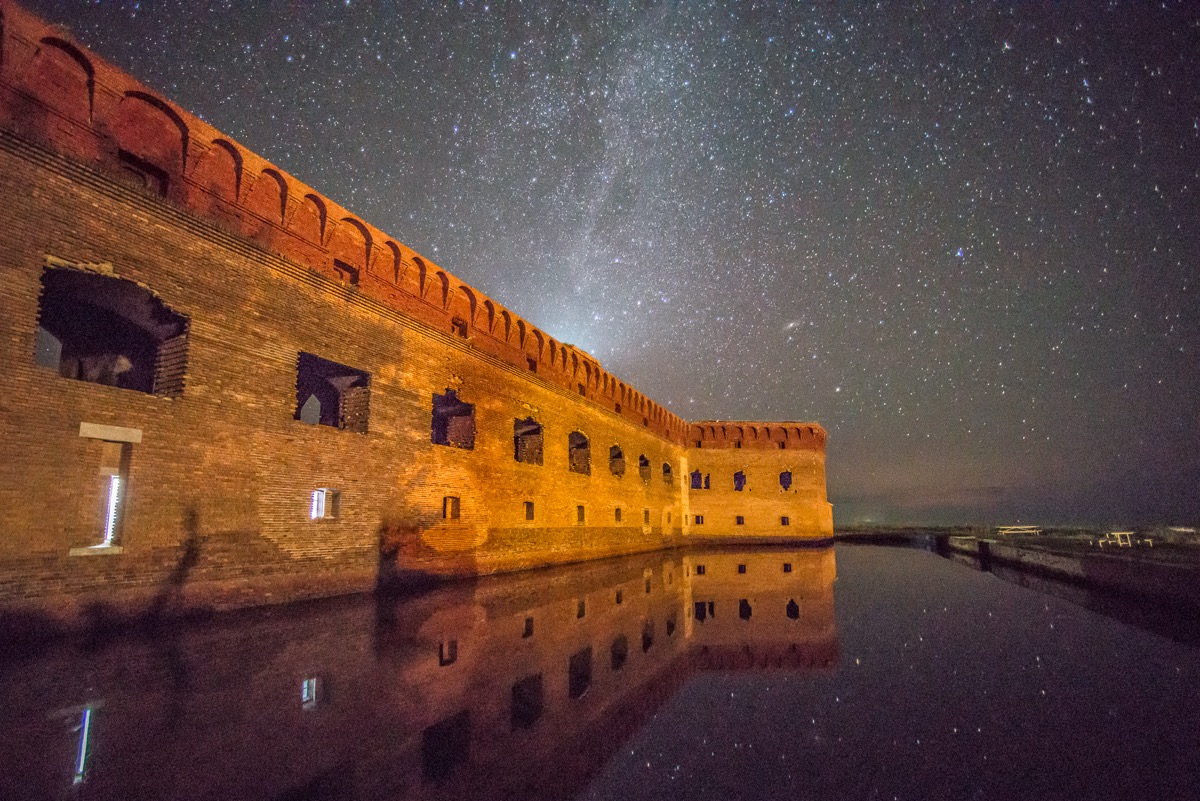
Fort Jefferson's massive hexagonal walls sit on Garden Key, seventy miles past Key West where the Gulf meets the Atlantic. The fort took thirty years to build and was obsolete before completion—now it anchors coral reefs that see more fish than snorkelers.
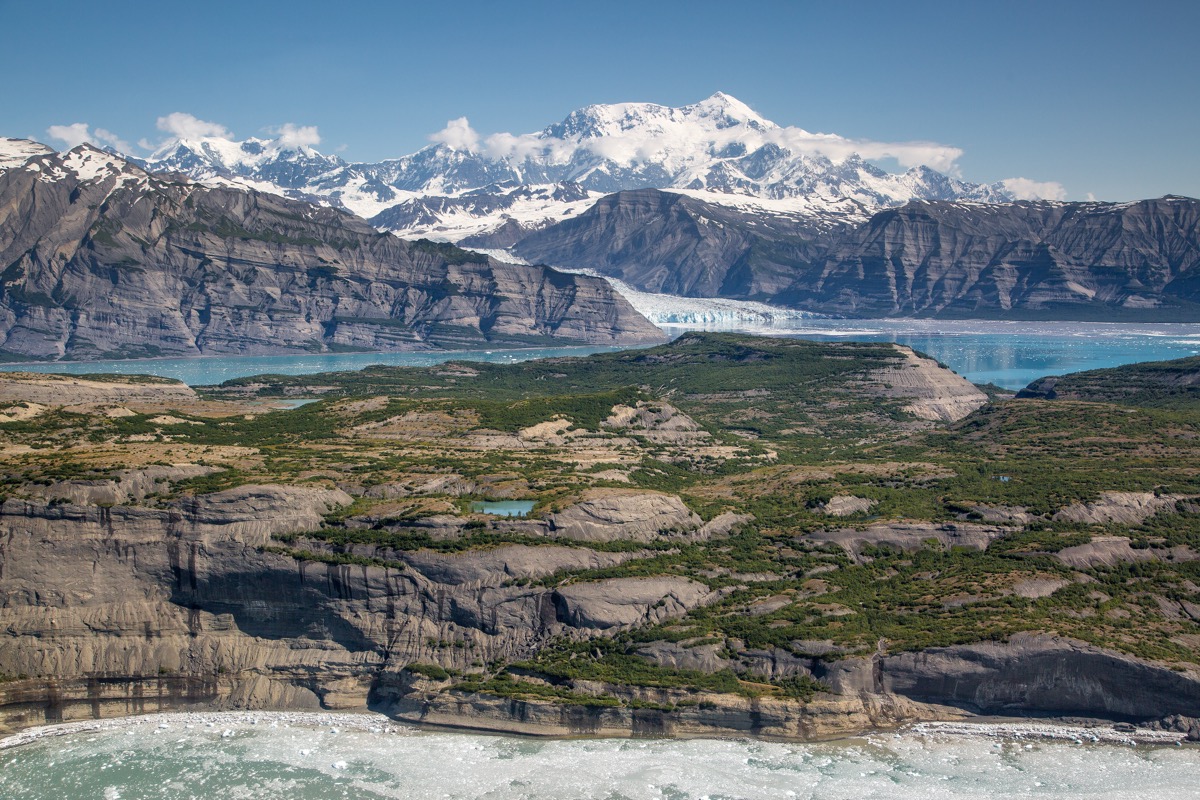
Wrangell - St Elias National Park & Preserve
Six Yellowstones could fit inside the largest national park in the system, which holds nine of North America's sixteen highest peaks. The McCarthy Road grants access to glaciers and copper mining ruins, but most of the park remains as remote as Gates of the Arctic.
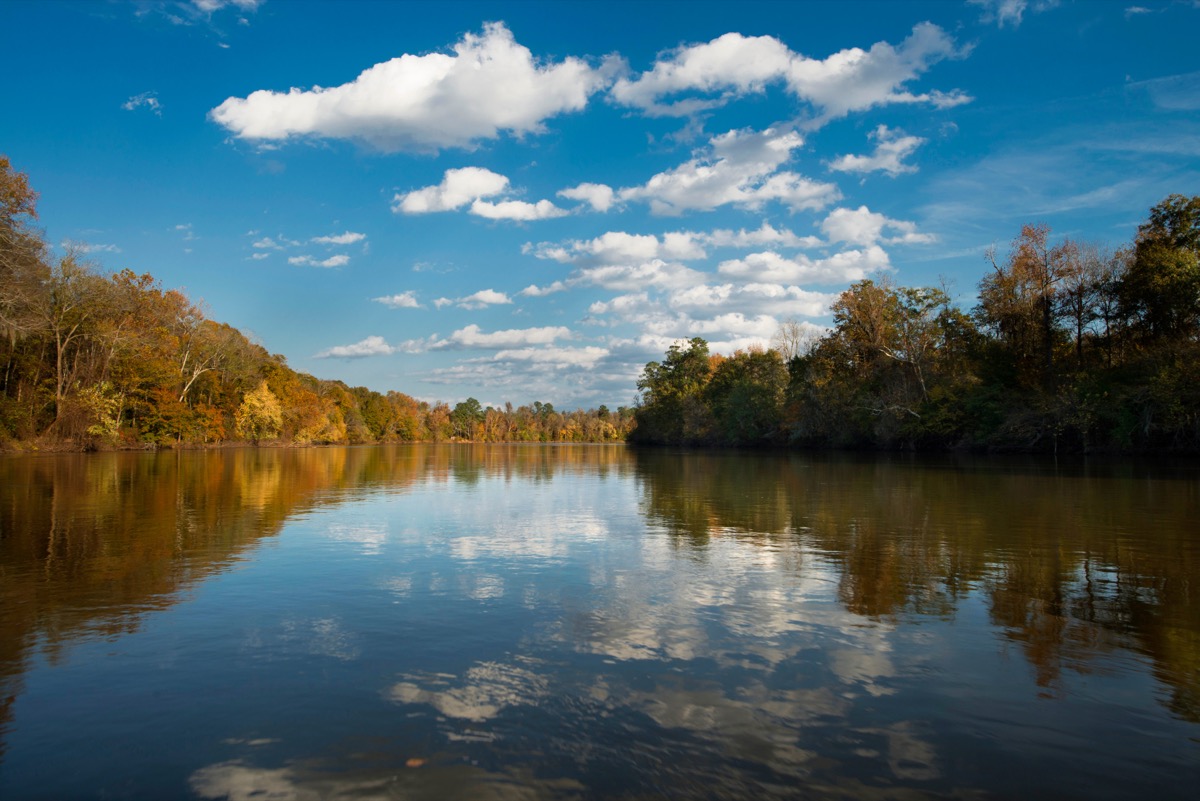
Congaree National Park
The Southeast's largest tract of old-growth bottomland forest protects trees that tower higher than the Statue of Liberty. Spring floods turn the forest floor into a maze of black water channels—paddle them at dawn and you'll likely be alone.
Frequently Asked Questions
- Which national parks have the fewest crowds?
- Gates of the Arctic sees fewer visitors in a year than Yellowstone gets in a day. North Cascades draws fewer people annually than Yosemite gets on a summer weekend, despite offering comparable alpine scenery.
- Are hidden gem parks harder to reach?
- Most require more effort than drive-up parks. Gates of the Arctic has no roads. Isle Royale needs a ferry or seaplane. American Samoa requires a flight across the Pacific. But North Cascades sits just three hours from Seattle.
- Do lesser-known parks have fewer facilities?
- Visitor centers and lodges are rare. Gates of the Arctic has no established trails or campgrounds. Isle Royale offers backcountry camping but no car access. You'll need more self-sufficiency than at Yellowstone or Zion.
- Which hidden gem parks offer the best scenery?
- North Cascades rivals the Alps for jagged peaks and glaciers. Katmai pairs volcanic landscapes with coastal brown bears. American Samoa protects coral reefs and rainforest coastline found nowhere else in the National Park System.