Category Ranking
Most Accessible National Parks
Accessibility in national parks means more than paved paths—it's about bringing the experience to everyone. These parks lead with accessible trails, viewpoints, and facilities designed for wheelchairs and limited mobility. The best combine barrier-free access with genuinely compelling destinations.
Updated
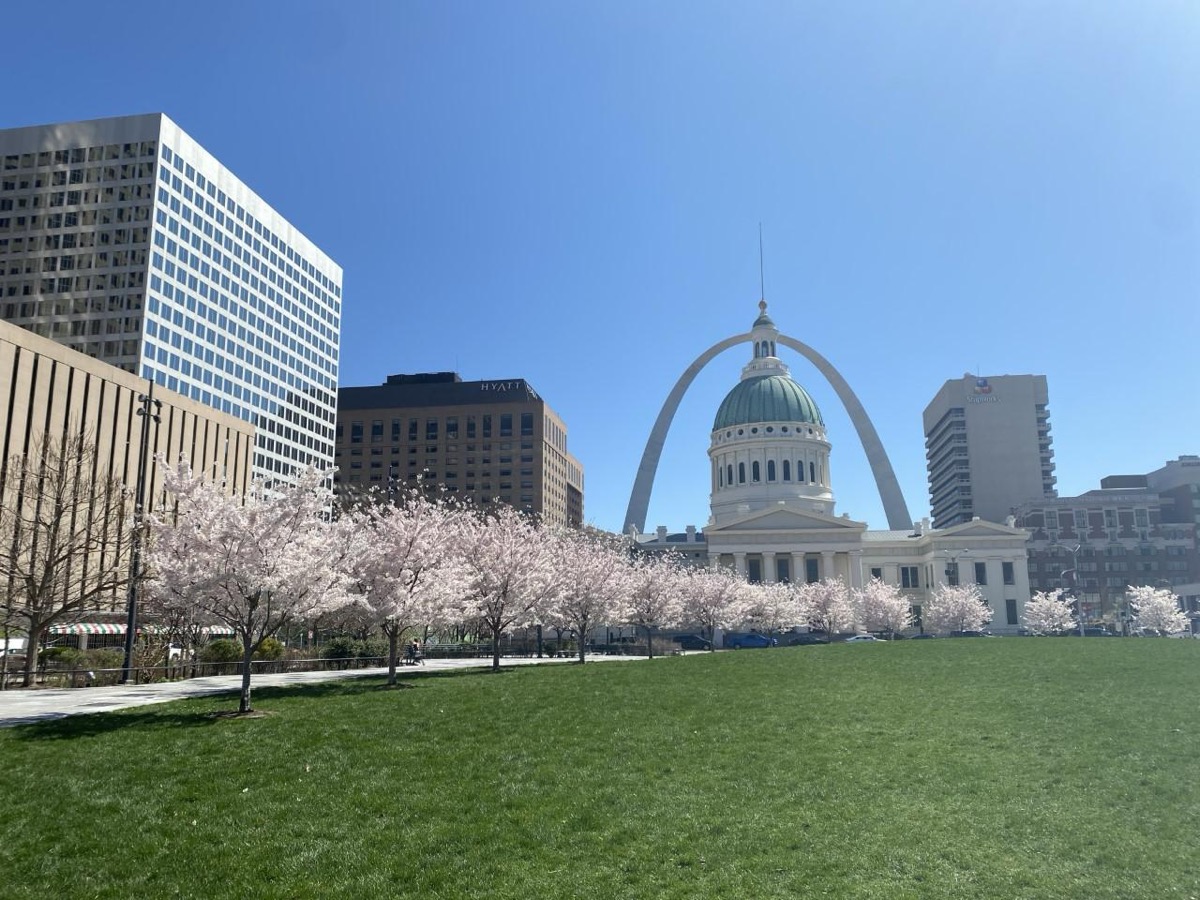
Gateway Arch National Park
The Gateway Arch tram and museum sit at ground level in downtown St. Louis, with paved riverfront trails and accessible viewing platforms. Urban infrastructure means zero barriers between parking and the monument—accessibility by virtue of being built for city foot traffic.

Acadia National Park
Acadia's historic carriage roads were designed for horse-drawn carriages, which means gentle grades and smooth surfaces across 45 miles of gravel paths. Jordan Pond Shore Trail and the Park Loop Road viewpoints bring coastal granite and mountain views to wheelchair users without compromise.
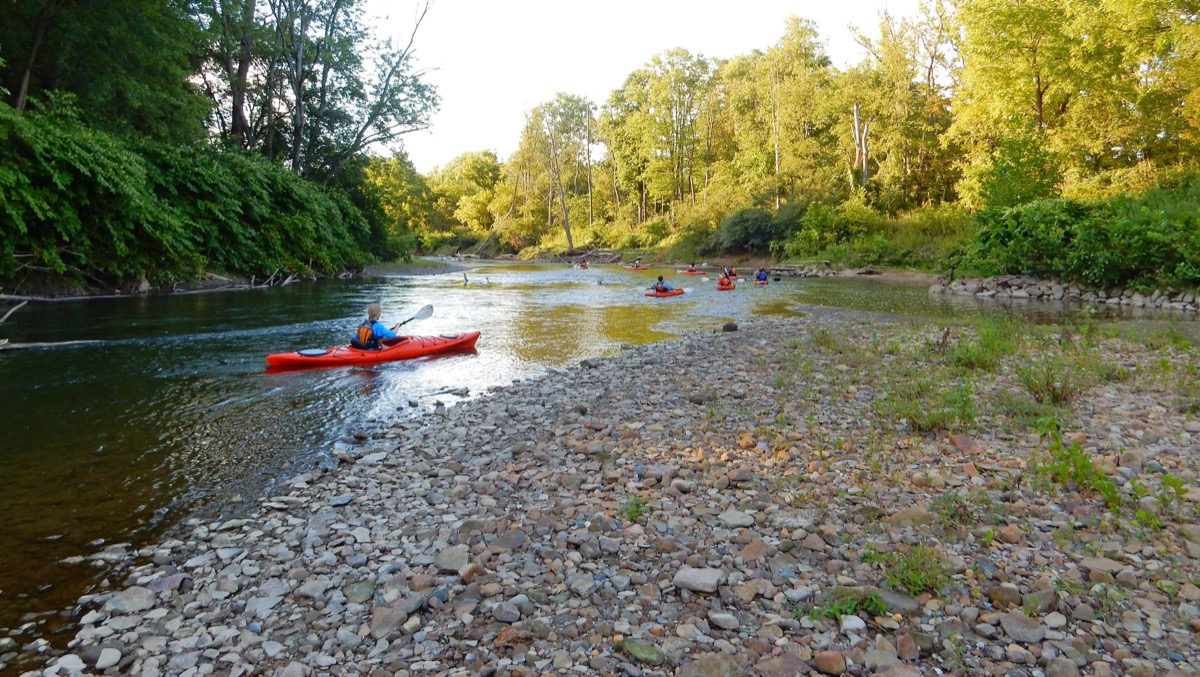
Cuyahoga Valley National Park
The Ohio & Erie Towpath runs 20 miles on crushed limestone, flat by canal-engineering necessity. Brandywine Falls has a boardwalk overlook directly to the viewing platform. The park's industrial heritage means infrastructure that was never about steep climbs—just moving goods along the valley floor.
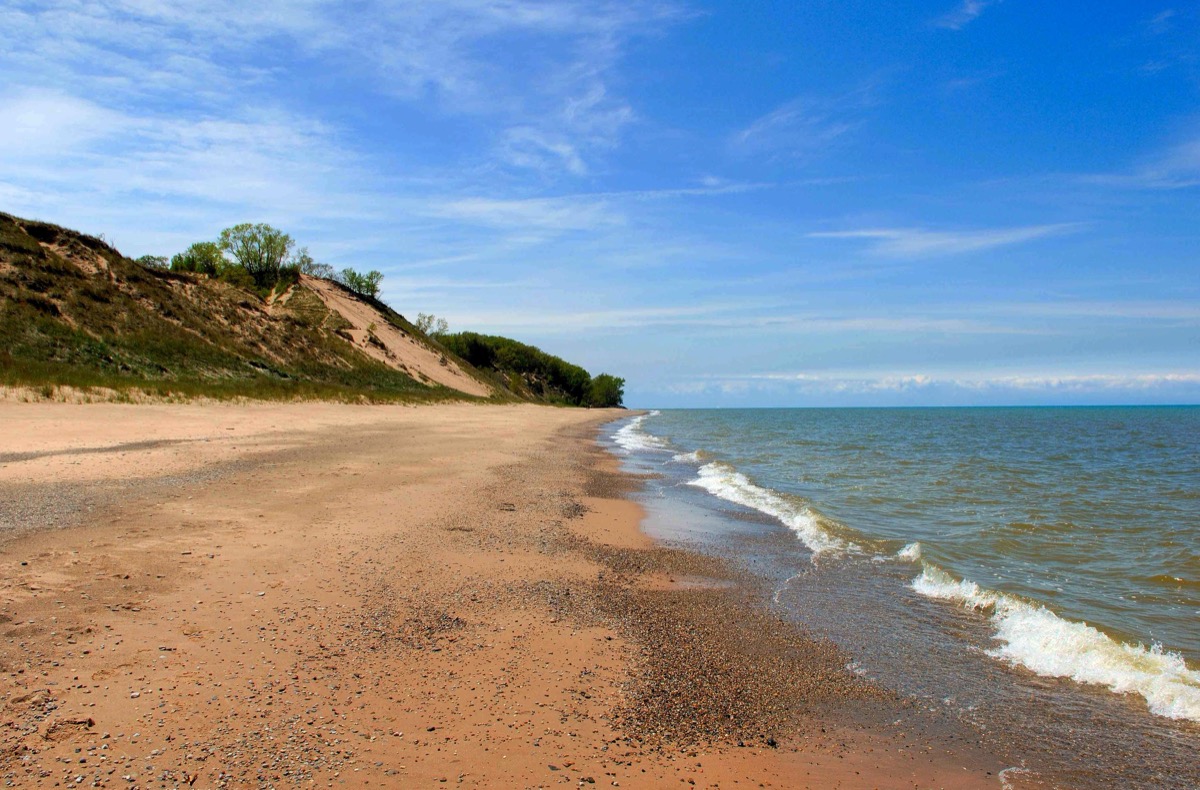
Indiana Dunes National Park
Lake Michigan beaches and dune boardwalks bring sand and shoreline within reach, with accessible platforms at West Beach and Kemil Beach. The Dune Succession Trail's boardwalk crosses wetlands and dune ecosystems on smooth planks, while paved loops connect visitor centers to lakefront viewing areas.
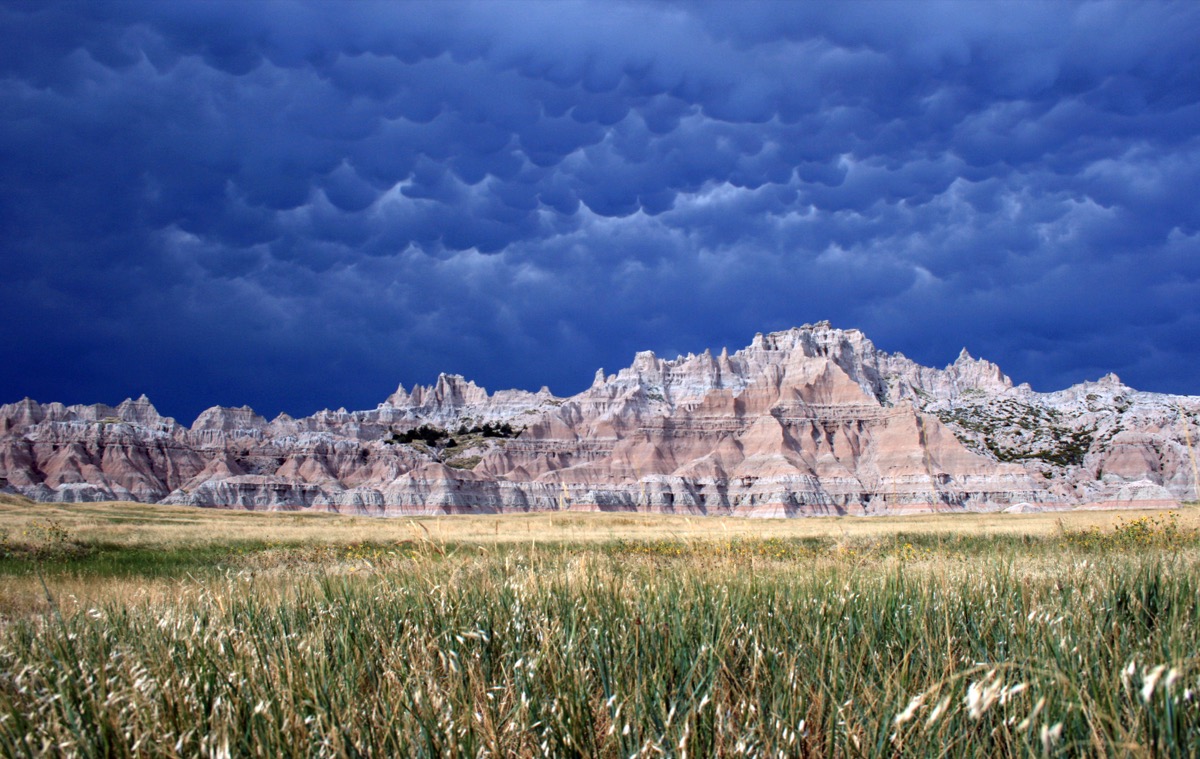
Badlands National Park
The Badlands Wall runs parallel to Highway 240, with pullouts and overlooks every few miles—many accessible via short paved paths. Door Trail's boardwalk extends into the formations themselves, and Fossil Exhibit Trail puts ancient rhinoceros bones behind glass cases just steps from the parking lot.
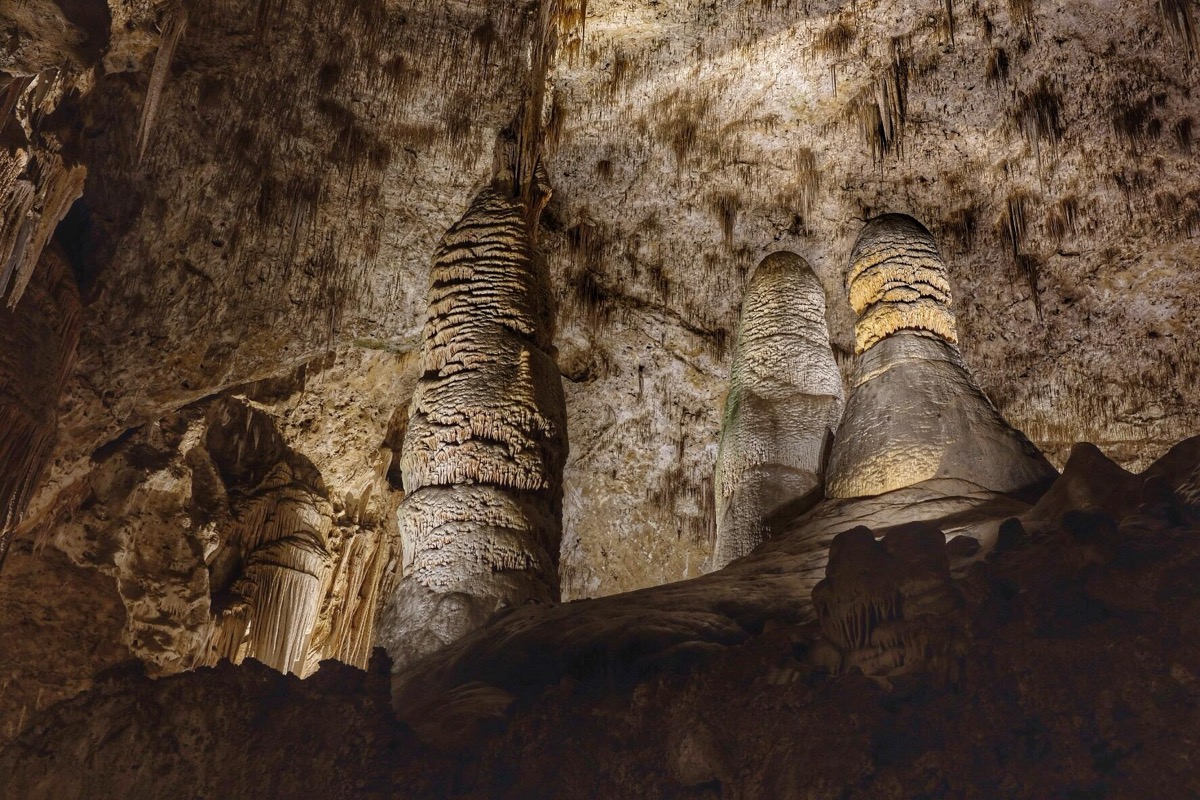
Carlsbad Caverns National Park
The Big Room sits 750 feet underground but reaches it via elevator from the visitor center. Once inside, a paved one-mile loop crosses the cavern floor past chandelier formations and bottomless pits. The park's main attraction requires no stairs, no scrambling—just a lift and a level path.
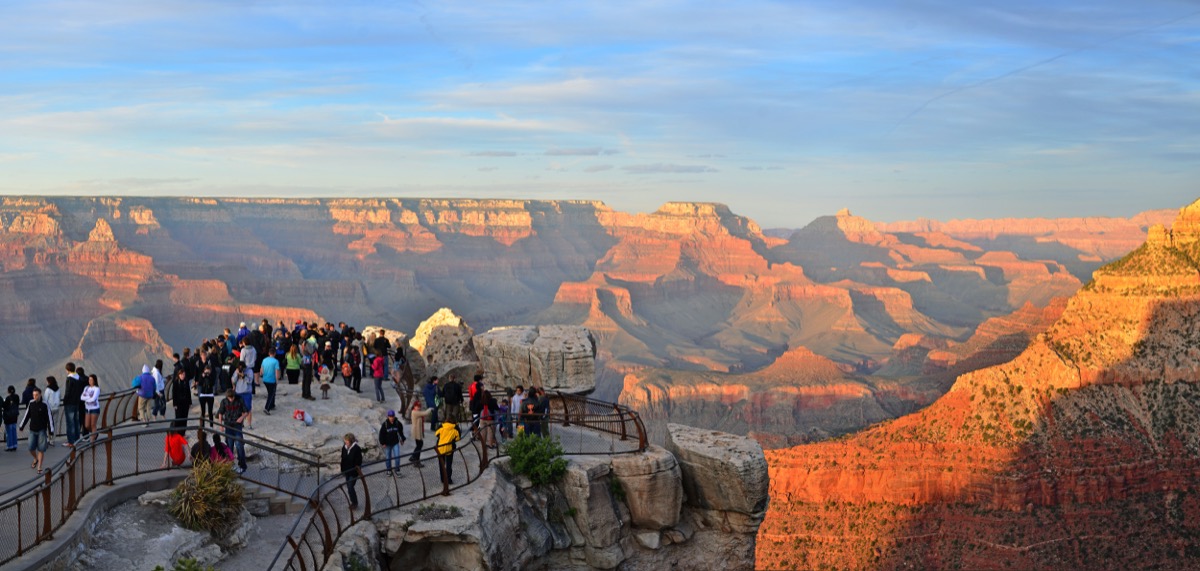
Grand Canyon National Park
The South Rim's paved Rim Trail stretches 13 miles with wheelchair-accessible sections at Mather Point, Yavapai Geology Museum, and Verkamp's Visitor Center. Shuttle buses are equipped with lifts, and overlooks are engineered with level viewing platforms that bring the mile-deep chasm to eye level without barriers.

Hot Springs National Park
Bathhouse Row sits on Central Avenue in downtown Hot Springs, with level sidewalks connecting eight historic buildings. The thermal water flows to touch tanks and fountain displays at street level, while the Promenade's brick walkway runs flat along the mountain base. Accessibility here is 1920s urban planning meeting modern standards.
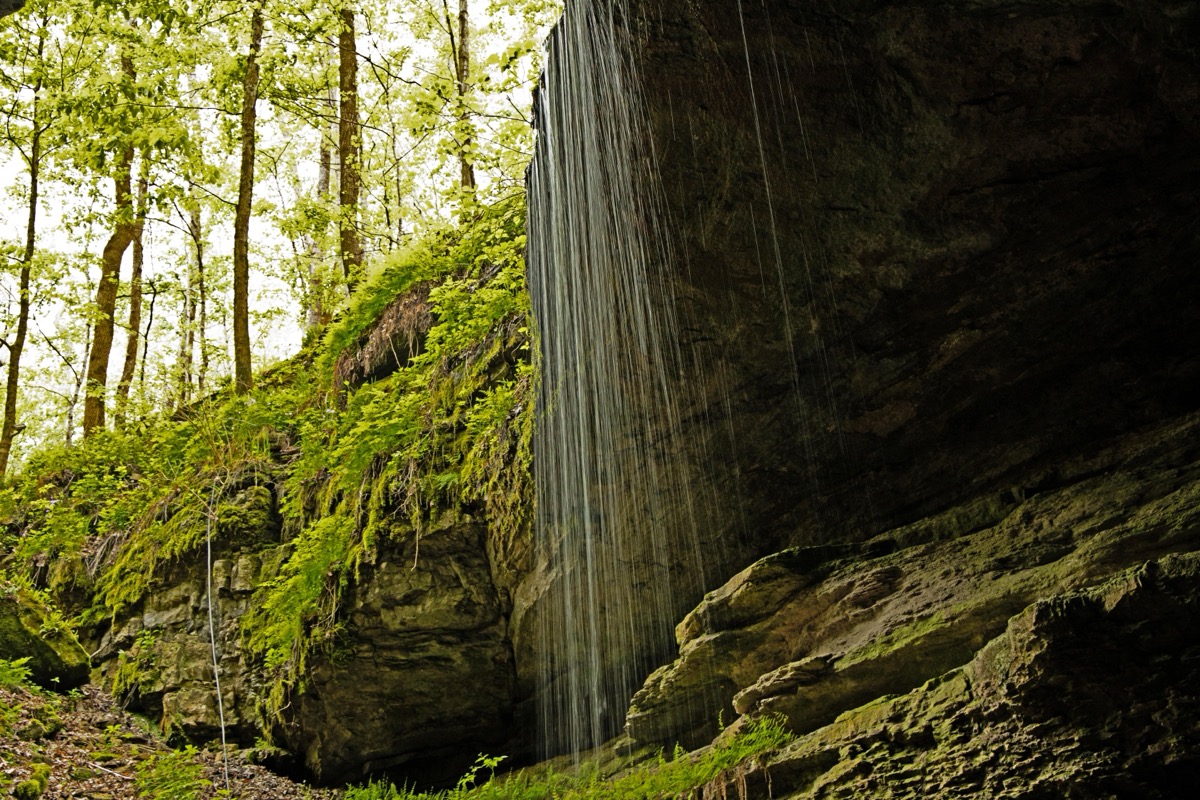
Mammoth Cave National Park
Cave tours descend via elevator to underground passages that are mostly level or gently sloped. The Historic Tour and Frozen Niagara routes accommodate wheelchairs with advance notice, and the visitor center film provides a virtual tour for those who can't manage the cave's humidity or uneven floors.
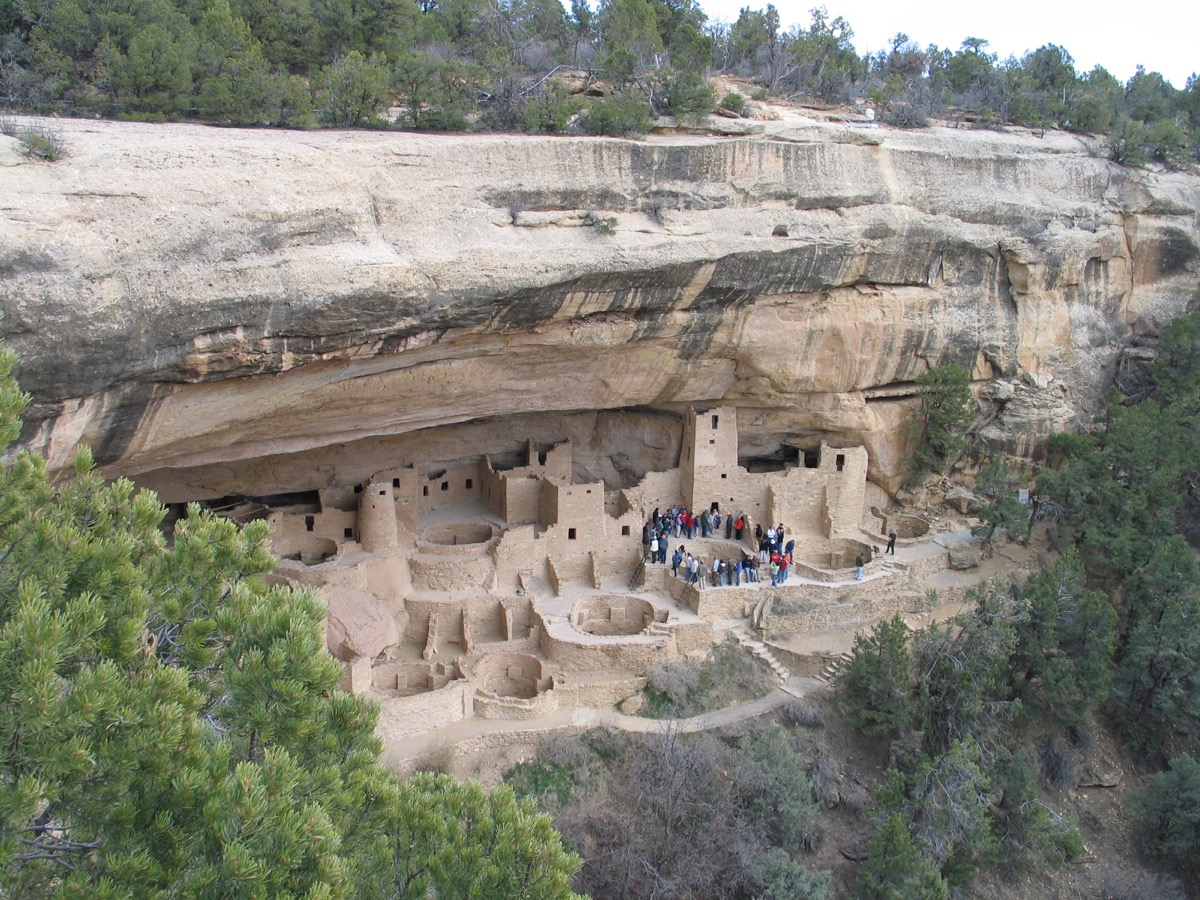
Mesa Verde National Park
Mesa Top Loop Road connects cliff dwelling overlooks via paved pullouts and short boardwalks—views of Cliff Palace and Spruce Tree House without descending ladders. The Chapin Mesa Archaeological Museum sits at road level, with exhibits explaining architecture and artifacts for visitors who can't climb into the alcoves themselves.
See Also
Similar rankings that share many of the same parks:
Frequently Asked Questions
- Which national park has the best wheelchair accessibility?
- Gateway Arch leads with paved paths throughout, accessible tram cars to the top, and barrier-free museum exhibits. Acadia follows with the carriage roads: smooth crushed stone paths built before automobiles existed.
- Can I experience a national park from my wheelchair?
- Absolutely. Badlands has a quarter-mile boardwalk into eroded spires. Cuyahoga Valley offers rail-to-trail paths that run for miles. Indiana Dunes built elevated boardwalks across sand that would stop most wheelchairs.
- Do accessible trails go to actual viewpoints?
- Yes. Acadia's carriage roads reach Jordan Pond and Bubble Rock. Badlands' boardwalk stands among formations that took millions of years to carve. Gateway Arch's observation deck sits twice the height of the Statue of Liberty.
- Are accessible features just token gestures?
- Not at these parks. Gateway Arch designed accessibility into its architecture from day one. Acadia's carriage roads were already smooth before wheelchairs existed. Cuyahoga Valley converted an entire rail line into barrier-free trail.